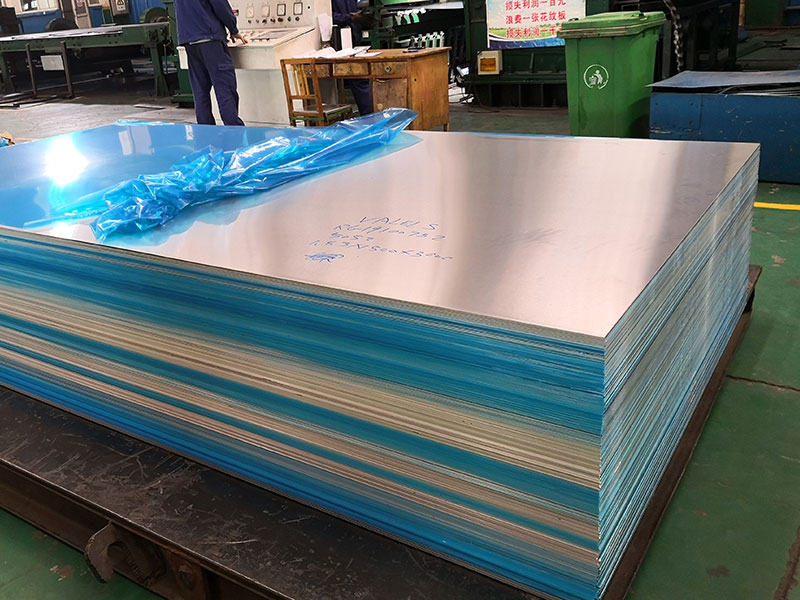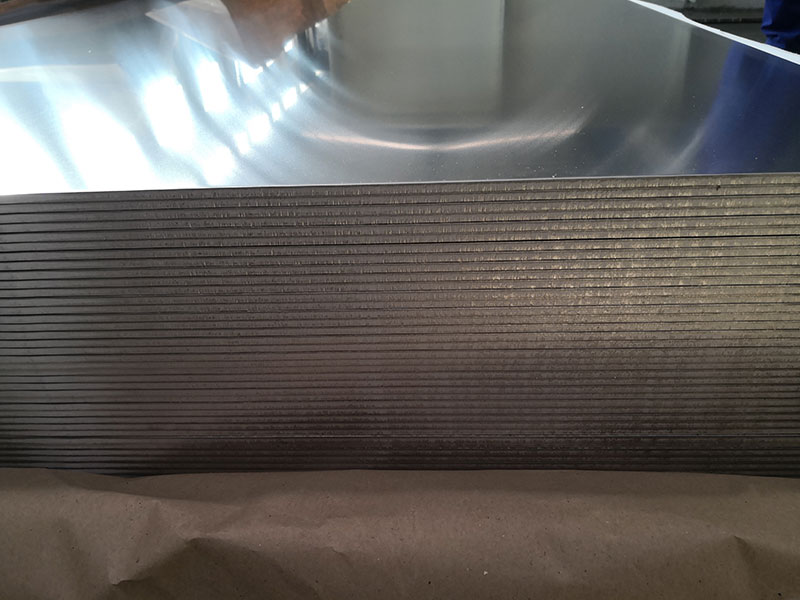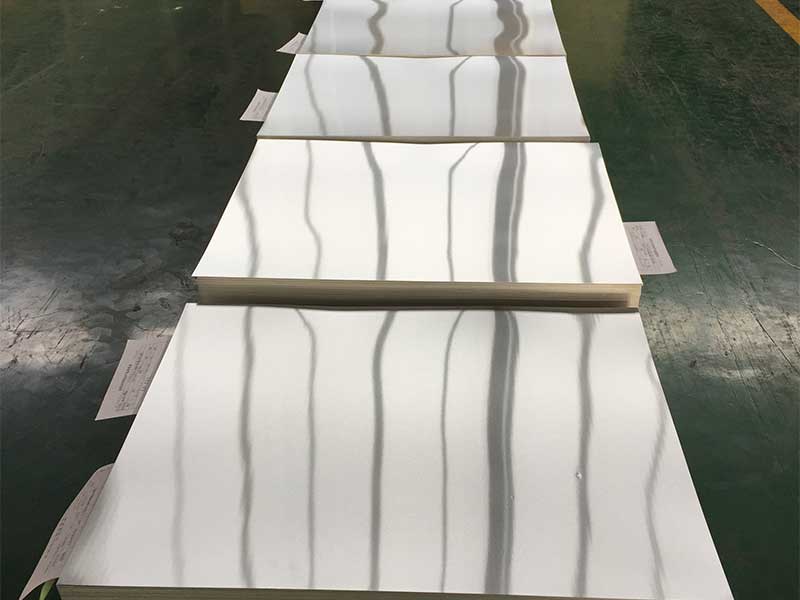

6063 2mm 3mm mm Aluminum Sheet
6063 2mm / 3mm Aluminum Sheet: The "Smooth Operator" Alloy for Clean Finishes and Reliable Forming
In the aluminum world, 6063 is often introduced as an extrusion alloy-and that's true-but viewing it only through that lens misses what makes 6063 aluminum sheet in 2mm and 3mm thickness genuinely useful. Think of 6063 sheet as a material designed for visual calm and mechanical predictability: it forms cleanly, finishes beautifully, and behaves consistently in light-to-moderate duty applications where appearance matters as much as function.
For buyers who need a sheet that looks refined after anodizing, cuts without drama, and stays stable in everyday service conditions, 6063 2mm and 6063 3mm aluminum sheet can be a smart, economical choice.
Why 2mm and 3mm are the "sweet spot" thicknesses
These thicknesses sit in a practical middle ground. 2mm is light, easy to bend, and friendly to fabrication methods like shearing, laser cutting, punching, and roll forming. 3mm adds noticeable stiffness and dent resistance without moving into heavy-plate territory, making it popular for panels, enclosures, trims, architectural details, and light structural skins.
In many workshops, 2mm and 3mm are the thicknesses that flow through the process with the fewest compromises: strong enough to feel "solid," thin enough to remain easy to form.
What 6063 is really "for"
6063 belongs to the Al-Mg-Si (6xxx series) family. Its personality is balanced: it doesn't chase maximum strength; instead, it aims for excellent surface quality, good corrosion resistance, and stable response to finishing-especially anodizing. That's why 6063 is frequently chosen when the final product will be seen, touched, and judged by its surface.
Common uses for 6063 sheet in 2mm and 3mm include:
- Decorative and architectural panels where anodizing quality is critical
- Equipment covers, housings, and clean-looking enclosures
- Signage backplates, trims, and display components
- General fabrication requiring good bendability and corrosion resistance
- Interior and semi-exterior applications with a premium finish requirement
parameters customers care about
When specifying 6063 aluminum sheet, the details below help align expectations across sourcing, fabrication, and finishing.
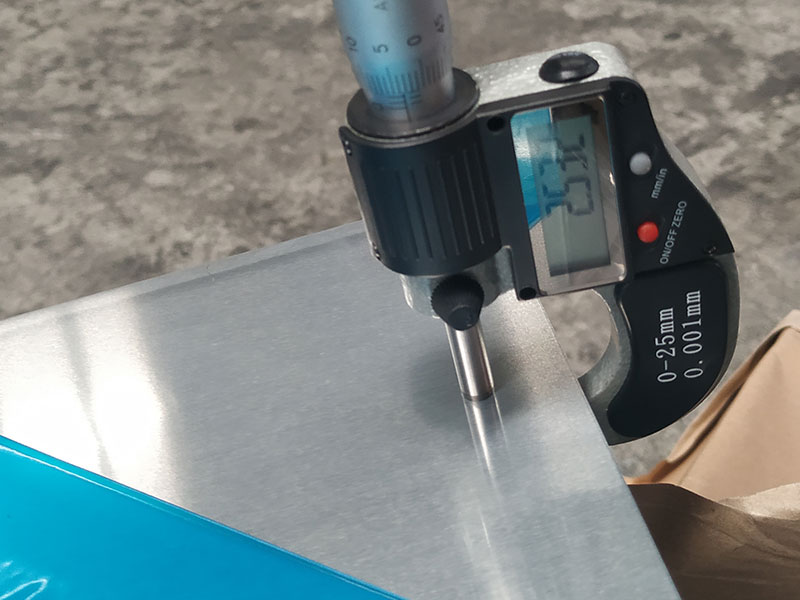
Typical thickness options: 2.0 mm, 3.0 mm
Common sheet forms: flat sheet, cut-to-size blanks, coil-to-sheet processing
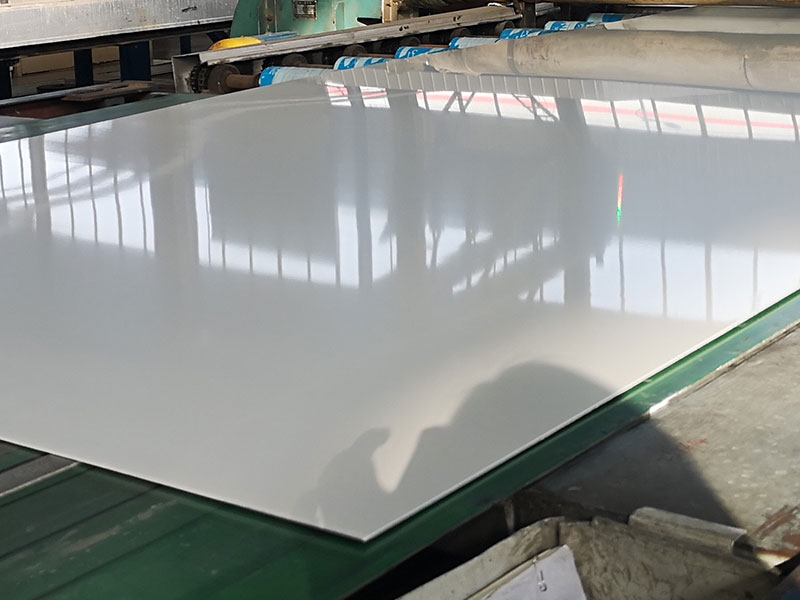
Surface options: mill finish, anodizing quality, brushed, film-coated, polished (process-dependent)
Workability: very good forming and machining for general fabrication; excellent finishing behavior
Corrosion resistance: good in atmospheric and many mild environments
Weldability: generally good, especially with appropriate filler selection for 6xxx series
Temper conditions: what "T5" and "T6" mean for sheet users
Temper is where 6063 becomes more than a chemistry label-it becomes a predictable manufacturing material.
6063-T5
This temper is typically associated with cooling from an elevated temperature shaping process and then artificially aging. In practice, T5 often provides a useful blend of strength and formability. If your parts require bending or forming with fewer cracks and less springback sensitivity, T5 can be a comfortable choice depending on your radius and tooling.
6063-T6
Solution heat-treated and artificially aged, T6 usually targets higher strength and hardness. If the sheet is used more like a rigid skin or panel and less like a deep-formed component, T6 can be attractive. It often holds shape well and resists minor deformation better than softer conditions.
If a project includes tight bending radii, complex forming, or aggressive stamping, many buyers consider softer tempers first (often discussed for 6xxx alloys as O or T4 in some products). Availability varies by mill capability and regional supply, so it's wise to confirm temper options during sourcing.
Implementation standards and commonly referenced specifications
Material standards ensure that the sheet you receive behaves like the sheet you tested or approved. For 6063 sheet, buyers typically reference widely recognized standards that define composition, mechanical expectations, and tolerances.
Commonly used standards include:
- ASTM B209 / B209M: Aluminum and Aluminum-Alloy Sheet and Plate (general specification widely used for sheet products)
- EN 485 (parts applicable): European standard series for aluminum sheet/plate strip-mechanical properties and tolerances depend on part and product form
- GB/T 3880 (China): Aluminum and aluminum alloy plates and strips
Actual compliance depends on the supplier's production route and test certification. For projects that require traceability, request a Mill Test Certificate (MTC) showing chemistry, temper, and test results.
Chemical composition: the "recipe" behind the finish and performance
6063's chemistry is designed to create stable precipitation hardening (Mg and Si) while keeping impurities controlled. This helps deliver consistent corrosion resistance and an anodized finish that looks uniform-one of 6063's signature advantages.
Below is a typical 6063 chemical composition table (weight %), aligned with common specification limits.
| Element | Composition (wt. %) |
|---|---|
| Silicon (Si) | 0.20–0.60 |
| Magnesium (Mg) | 0.45–0.90 |
| Iron (Fe) | ≤ 0.35 |
| Copper (Cu) | ≤ 0.10 |
| Manganese (Mn) | ≤ 0.10 |
| Chromium (Cr) | ≤ 0.10 |
| Zinc (Zn) | ≤ 0.10 |
| Titanium (Ti) | ≤ 0.10 |
| Aluminum (Al) | Remainder |
Small shifts inside these ranges can influence anodizing tone consistency and slight differences in formability. If color matching across batches matters, many customers lock in the supplier, batch control, and finishing parameters early.
Practical fabrication and finishing insights
6063 sheet is often selected because it reduces "surprises" during finishing. If your product is design-forward-think clean edges, visible surfaces, premium matte anodizing-6063 tends to reward you.
For fabrication:
- Shearing and cutting are typically straightforward at 2mm and 3mm
- Bending performance depends strongly on temper and grain direction; discussing bend radius requirements up front avoids rework
- Welding is feasible; post-weld appearance and anodizing uniformity should be considered if welds remain visible
For finishing:
- Anodizing is a highlight for 6063; it is frequently chosen when a consistent, high-quality anodized surface is expected
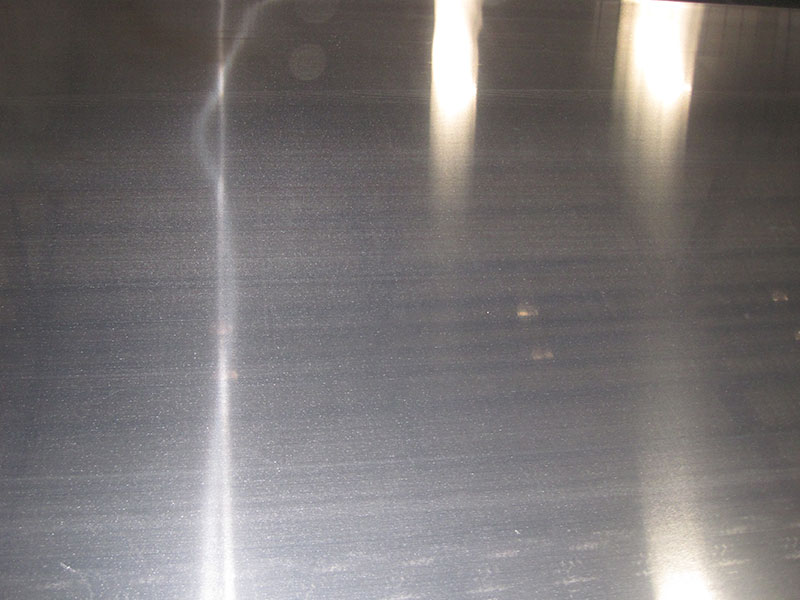
- Brushing and polishing can produce a modern architectural look, especially on 2mm/3mm sheets used as facing panels
A simple way to choose between 2mm and 3mm
If your part is more about weight, easy forming, and cost efficiency, 2mm is often enough. If your part is more about panel stiffness, reduced oil-canning, and stronger "hand feel," 3mm usually justifies itself quickly.
The takeaway
6063 2mm and 3mm aluminum sheet is not trying to be the strongest alloy in the catalog. Its value is subtler and more commercial: it's an alloy that helps your product look intentional, finish cleanly, and fabricate predictably. If you care about anodized appearance, corrosion resistance in everyday environments, and smooth processing at practical sheet thicknesses, 6063 is a quietly excellent choice.
https://www.aluminumplate.net/a/6063-2mm-3mm-mm-aluminum-sheet.html