
7022 pattern aluminum plate
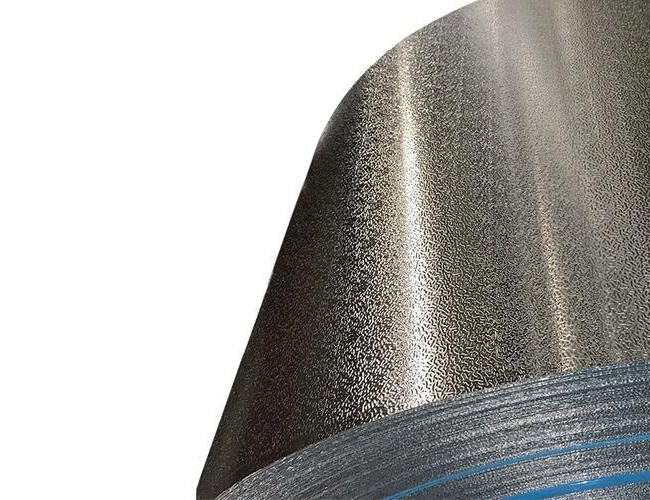
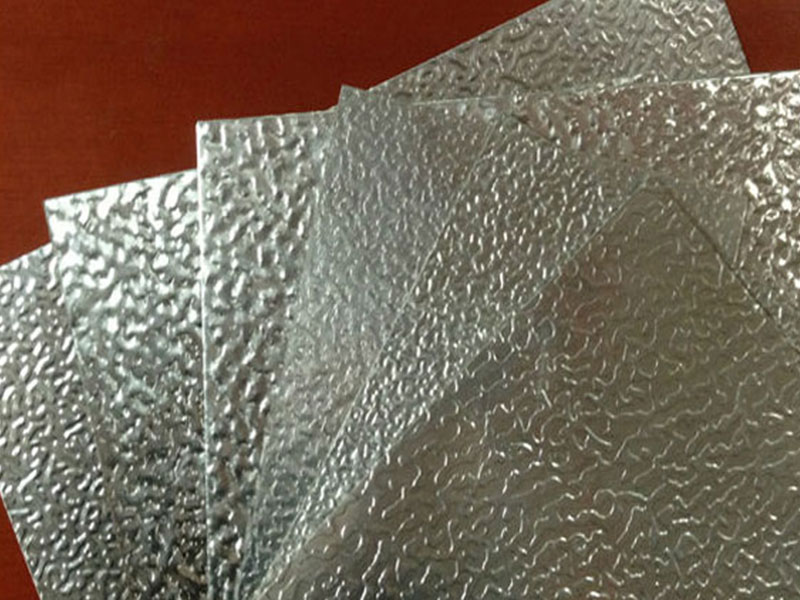
7022 pattern aluminum plate is a high-strength, corrosion-aware aluminum tread plate made from the 7xxx series Al-Zn-Mg alloy family and manufactured with a raised "pattern" (also called tread, checker, or embossed pattern) on one side. It is designed for customers who need lightweight anti-slip flooring, durable transport decks, and structural panels that perform well under load while keeping fabrication practical.
Compared with common 1xxx/3xxx tread plates, 7022 brings a much higher strength-to-weight ratio, making it a strong fit for vehicle bodies, ramps, platforms, and industrial walkways where stiffness and dent resistance matter. The patterned surface improves traction and helps hide scratches and handling marks in service.
What "Pattern" Means in 7022 Pattern Aluminum Plate
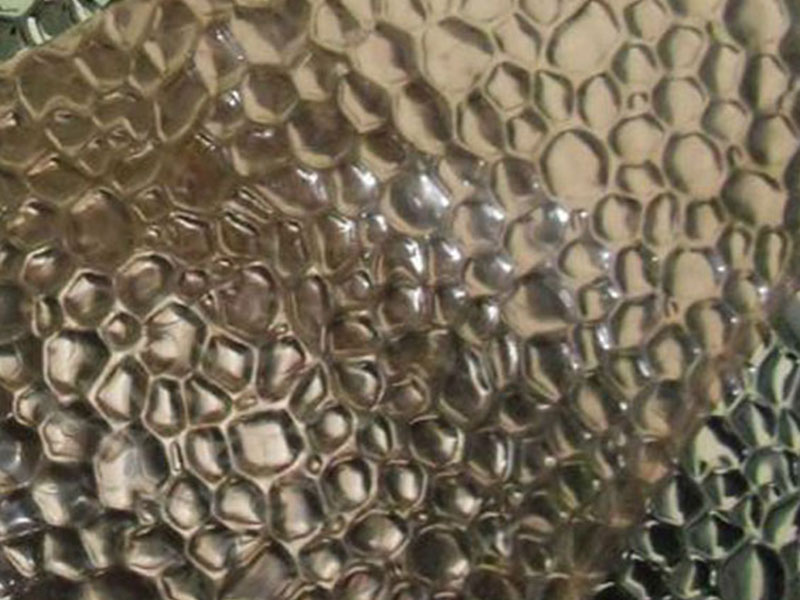
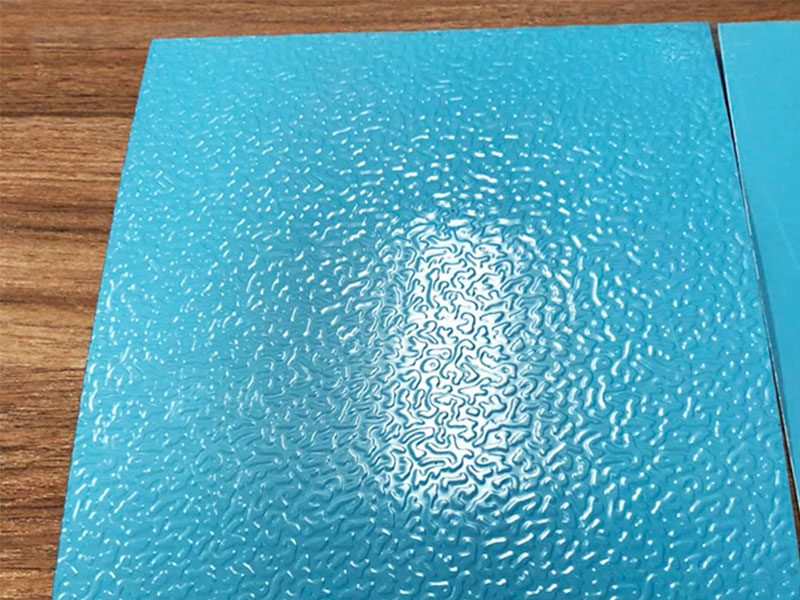
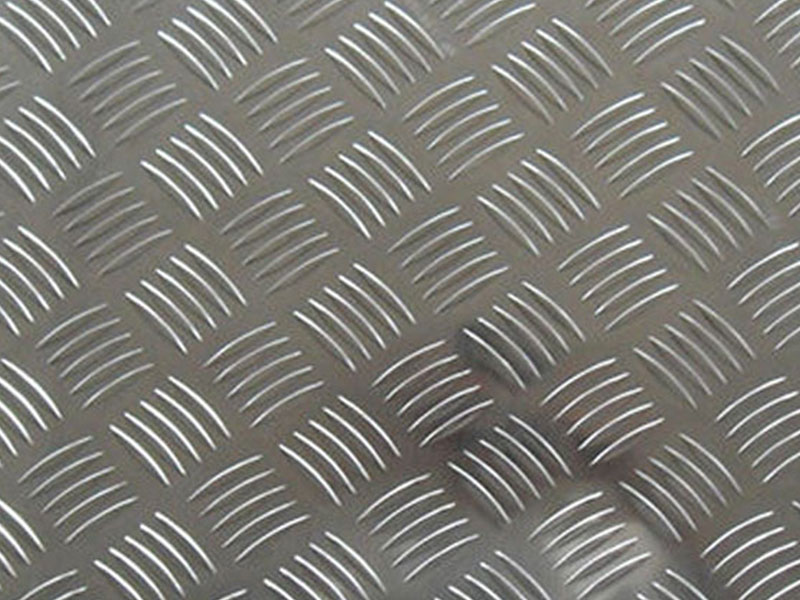
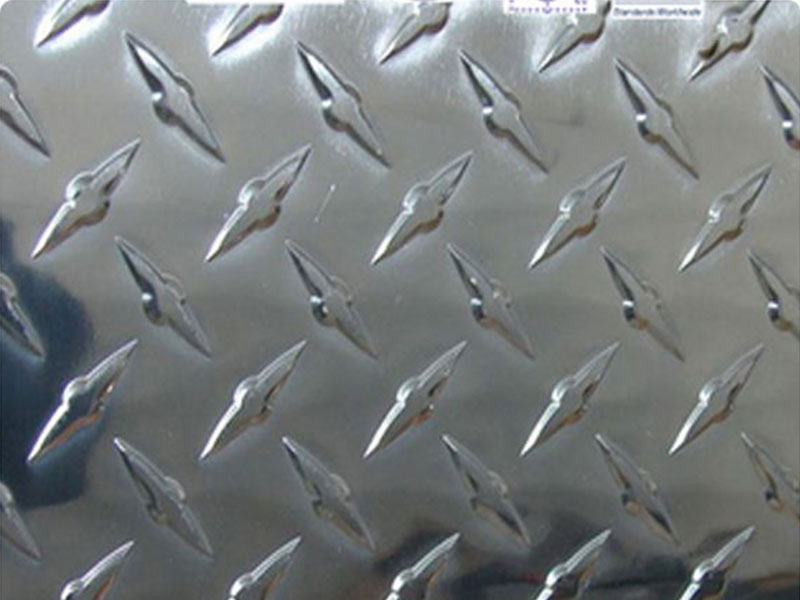
A pattern aluminum plate is a flat plate with a raised tread geometry rolled into one face. Typical profiles include five-bar, diamond, and custom anti-slip patterns. The raised ribs create mechanical grip underfoot and increase wear tolerance in high-contact areas.
Pattern plates are usually specified by:
- Base thickness (the thickness of the flat substrate)
- Overall thickness (including the raised pattern height)
- Pattern type and pitch (affects traction and cleanability)
- Temper (determines strength and forming behavior)
Features at a Glance
| Feature | What it Means for You | Customer Benefit |
|---|---|---|
| High strength (7xxx alloy family) | Stronger than 5xxx/6xxx in many tempers | Lighter structures, improved dent resistance |
| Anti-slip raised pattern | Better traction under shoe or tire contact | Safer floors, ramps, steps |
| Good machinability in suitable tempers | Cuts and drills cleanly with correct tooling | Faster fabrication, cleaner edges |
| Corrosion-conscious alloy selection | Better corrosion behavior than some high-copper 7xxx grades | More reliable outdoor/transport use when protected |
| Attractive industrial finish | Pattern hides scuffs and handling marks | Longer "new-looking" service appearance |
Typical Applications
| Industry | Common Uses | Why 7022 Pattern Plate Works |
|---|---|---|
| Transportation | Truck floors, trailer decks, ramp skins, access steps | High strength with lower weight; improved grip |
| Rail & metro | Maintenance walkways, interior service platforms | Traction + stiffness for long spans |
| Industrial facilities | Platforms, catwalks, stair treads, mezzanines | Anti-slip performance and durability |
| Marine & coastal (protected design) | Deck panels, equipment bases | Lightweight; select temper + protective finishing recommended |
| Equipment manufacturing | Machine covers, toolbox panels, protective cladding | Pattern improves rigidity and aesthetics |
Note: For harsh marine exposure, finishing and isolation from dissimilar metals are important. Pattern plate is often specified with coating/anodizing where appearance and corrosion resistance are critical.
Alloy and Temper Options (7022)
7022 is an Al-Zn-Mg alloy commonly used in structural applications. Temper selection strongly influences forming, welding approach, and final mechanical performance.
| Temper (typical) | General Description | When Customers Choose It |
|---|---|---|
| O | Annealed, maximum ductility | Deep forming, bending with tight radii |
| T4 | Solution treated + naturally aged | Good formability with improved strength |
| T6 | Solution treated + artificially aged | High strength, general structural use |
| T651 | T6 + stress-relieved (stretched) | Improved flatness and reduced residual stress for machining |
| T73 / T7451 (availability varies) | Over-aged for improved stress corrosion resistance | Outdoor structures and demanding service conditions |
Availability of tempers can vary by mill route and plate thickness. If you plan heavy welding, bending, or post-machining, aligning the temper to the fabrication method is essential.
Chemical Composition (Typical for 7022 Alloy)
Chemical limits can vary slightly by standard and producer. The table below reflects typical composition ranges used in industry for 7022-type material.
| Element | Typical Range (wt%) | Role in Performance |
|---|---|---|
| Zn | 4.0–5.0 | Primary strength contributor via precipitation |
| Mg | 2.0–2.8 | Strength + improves age-hardening response |
| Mn | 0.1–0.5 | Grain control, toughness support |
| Cr | 0.05–0.25 | Helps with structure stability and corrosion behavior |
| Zr / Ti | 0.05–0.20 (as applicable) | Grain refinement, improved weld/heat-affected properties |
| Fe | ≤0.35 | Impurity control for toughness and finish |
| Si | ≤0.25 | Impurity control; affects surface quality |
| Cu | ≤0.20 | Limited to protect corrosion performance |
| Al | Remainder | Base metal |
For specification-driven projects, confirm chemistry against the governing standard and mill test certificate.
Technical Specifications (Common Supply Range)
The patterned surface adds height above the base plate. Customers typically specify base thickness and accept a standard pattern height tolerance.
| Item | Typical Range / Option | Notes |
|---|---|---|
| Product form | One-side patterned plate | Reverse side is smooth (mill finish) |
| Base thickness | 2.0–12.0 mm | Thicker available by agreement |
| Overall thickness | Base + ~0.8–1.8 mm | Depends on pattern design |
| Width | 1000–2000 mm | Wider on request, subject to equipment |
| Length | 2000–6000 mm | Cut-to-length available |
| Pattern types | five-bar, diamond, custom | Match traction vs cleanability needs |
| Surface finish | mill, coated, anodized | Coating often used for appearance/corrosion |
| Flatness | improved with stress-relieved tempers | Important for CNC machining and assembly |
| Protective film | optional | Helps reduce handling scratches |
Typical Mechanical Properties (Reference Values)
Mechanical performance depends on thickness, temper, and direction. The table below provides indicative ranges used for early-stage selection.
| Temper | Tensile Strength (MPa) | Yield Strength (MPa) | Elongation (%) |
|---|---|---|---|
| O | 220–290 | 120–180 | 10–18 |
| T4 | 320–390 | 200–280 | 10–16 |
| T6 / T651 | 420–500 | 360–440 | 8–12 |
| T73 / T7451 | 390–470 | 320–410 | 8–13 |
For final engineering approval, use certified test data for the exact thickness and temper.
Performance Notes Customers Care About
Anti-slip and wear behavior
The raised pattern provides multi-directional grip and reduces slip risk in wet or dusty environments. In high-traffic installations, the pattern also acts as a sacrificial surface that tolerates abrasion better than flat sheet.
Strength-to-weight advantage
7022's 7xxx chemistry supports higher strength levels, allowing thinner gauges for equal stiffness in some designs. This can reduce total structure weight in trailers, platforms, and equipment panels.
Corrosion and finishing strategy
7022 is often selected when customers want a balance of strength and corrosion awareness. For outdoor or chemically aggressive locations, protective measures such as powder coating, paint systems, anodizing (where feasible), sealants, and joint isolation improve service life.
Fabrication and joining
Pattern plate is commonly cut by saw, CNC routing, or plasma/laser (based on thickness and equipment). Bending requires attention to bend radius and pattern orientation to avoid localized cracking. Welding of 7xxx alloys requires procedure control and may be paired with post-weld treatments or design allowances depending on service requirements.
Ordering Guide (Quick RFQ Checklist)
| Parameter | What to Specify |
|---|---|
| Alloy | 7022 |
| Temper | O / T4 / T6 / T651 / T73-type (as required) |
| Pattern | five-bar / diamond / custom |
| Base thickness and overall thickness | include tolerance expectations |
| Sheet size | width × length, or cut-to-size |
| Surface | mill finish / coated / anodized / film |
| Application environment | indoor, outdoor, marine, chemical exposure |
| Certification | mill test certificate, inspection standard if required |
7022 pattern aluminum plate is a high-strength 7xxx series tread plate featuring a raised anti-slip pattern for safer walking surfaces and tougher transport decks. With strong mechanical performance, lightweight handling, and versatile pattern options, it is widely used in trailers, ramps, industrial platforms, stair treads, and structural equipment panels. Available in multiple tempers and thickness ranges, 7022 patterned plate can be supplied with mill finish or protective coatings to match corrosion and appearance requirements.
https://www.aluminumplate.net/a/7022-pattern-aluminum-plate.html