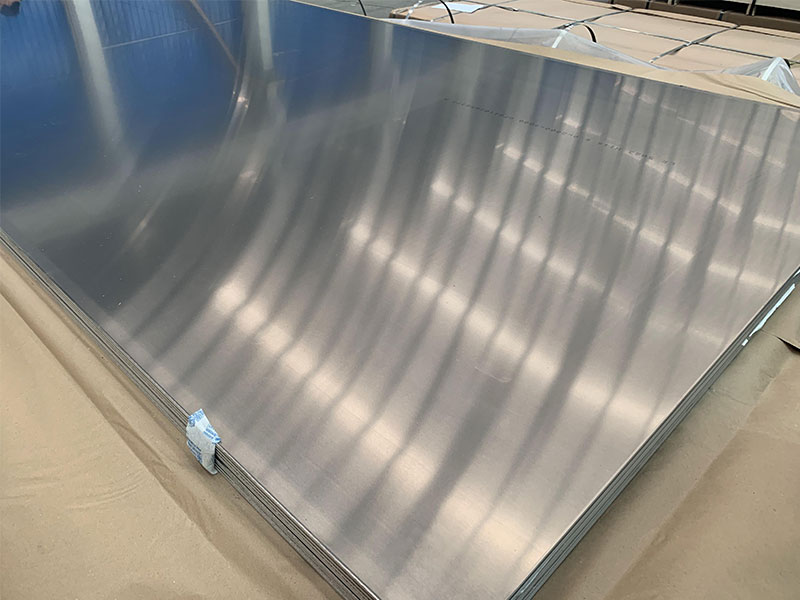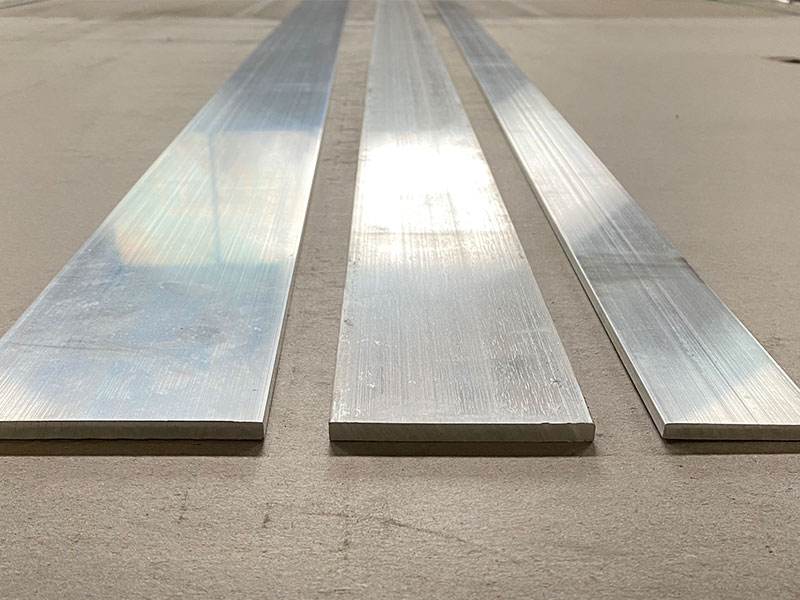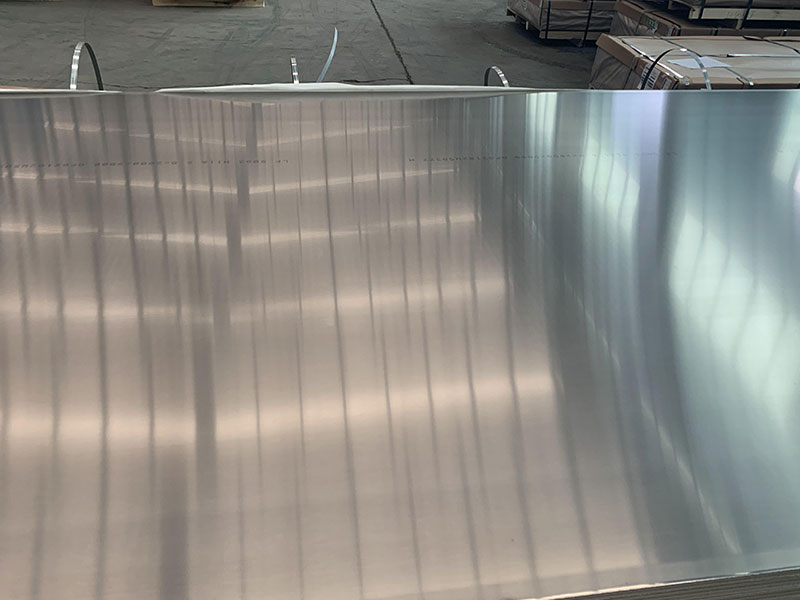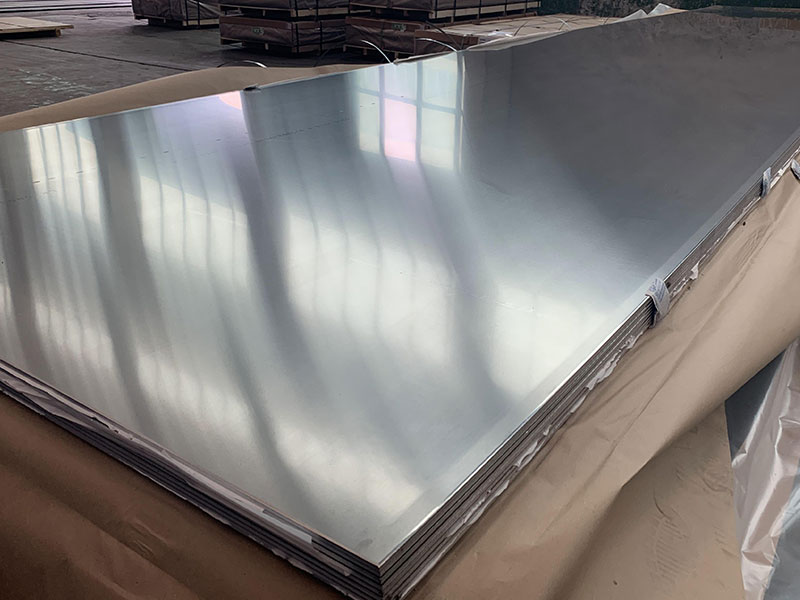

Aluminium Alloy Sheet 5A05 for Ship
Aluminium Alloy Sheet 5A05 for Ship: A "Quiet Reliability" Material Choice
When people talk about shipbuilding materials, the spotlight often goes to dramatic metrics-ultimate strength, exotic alloys, or extreme performance. But in real ship production and long service life, what customers benefit from most is quiet reliability: stable forming, dependable corrosion resistance, predictable welding, and consistent supply. From that perspective, Aluminium Alloy Sheet 5A05 is a practical, ship-friendly option-especially where durability and manufacturability matter as much as pure strength.
1) Why 5A05 "Feels Right" in Marine Use (The Practical View)
5A05 is an Al-Mg series alloy, widely recognized for good corrosion resistance and solid weldability-two traits that directly reduce lifecycle headaches in marine environments.
From a shipbuilder's standpoint, the real value is this:
- Less corrosion-driven maintenance pressure in humid, salty, or splash zones
- Fewer welding surprises during fabrication
- More predictable forming and assembly, especially for medium-thickness sheet structures
Instead of chasing the highest strength number, 5A05 supports smooth production and stable service-often the more cost-effective route for many marine structures.
2) Corrosion Resistance: Not Just a Feature, a Cost Control Tool
Marine corrosion doesn't only "damage metal"-it damages schedules, inspection cycles, and repainting plans. 5A05's magnesium-based chemistry gives it strong resistance to seawater and marine atmospheres, making it suitable for:
- Hull-side structures (depending on design and class requirements)
- Deckhouses and superstructures
- Marine partitions, bulkheads, and general ship outfitting panels
- Areas where consistent anti-corrosion performance supports long intervals between maintenance
For buyers, this translates to a simple benefit: more predictable long-term upkeep costs.
3) Forming & Fabrication: A Sheet That Works with the Workshop
A ship is not built in a lab-it's built through cutting, bending, rolling, and fitting. 5A05 sheet is valued because it supports practical fabrication processes with fewer failures and rework.
In typical shop operations, customers care about:
- Bendability and shape stability for panels and curved parts
- Consistent surface and thickness that reduces fitting time
- Lower risk of cracking during forming compared with harder, higher-strength options
If your project prioritizes manufacturing efficiency, 5A05 often makes production smoother.
4) Weldability: Where Real-World Quality Is Won or Lost
In shipbuilding, the "material decision" often becomes a "welding decision." 5A05 generally offers good weldability, making it suitable for welded marine structures and outfitting where reliable joints are essential.
Why customers like this:
- Welding procedures are typically more forgiving than some higher-strength alloys
- The welded structure can maintain good overall performance when processed correctly
- Reduced risk of unexpected weld-related defects saves time in inspection and repair
(As always, correct filler selection, procedure control, and corrosion protection practices still matter.)
5) Where 5A05 Fits Best on a Ship
From a practical application lens, 5A05 is often selected for parts where corrosion resistance + fabrication efficiency are key:
- Deckhouse and superstructure sheets
- Cabin panels, partitions, and interior structural sheets
- Marine equipment enclosures, covers, and platforms
- General shipbuilding sheet metal where welding and forming are frequent
If the structure demands extreme strength-to-weight or special classification constraints, designers may compare with other marine alloys-but 5A05 remains a strong "production-friendly" choice.
6) What Customers Should Specify When Buying 5A05 Sheet
To avoid "same alloy, different results," customers should confirm purchase details:
- Temper (condition): impacts strength and formability directly
- Thickness tolerance and flatness: critical for large panels and assembly
- Surface requirements: mill finish vs. improved surface for coating/painting
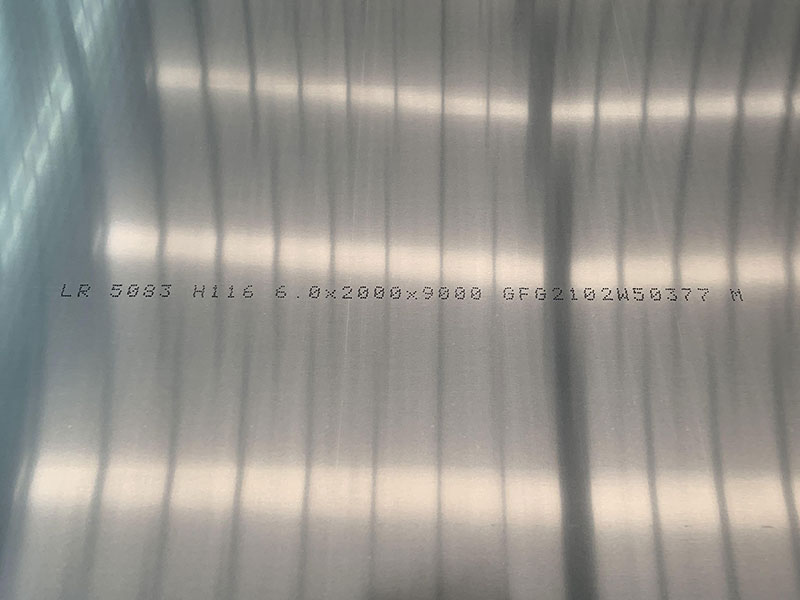
- Inspection and certificates: chemical composition, mechanical properties, lot traceability
- Marine-use expectations: whether the sheet is intended for structural, enclosure, or decorative use
A clear specification upfront is often the fastest way to ensure stable quality and reduce on-site issues.
https://www.aluminumplate.net/a/aluminium-alloy-sheet-5a05-for-ship.html