
Astm b209 5052 aluminium plate
ASTM B209 5052 aluminium plate is often introduced as a "marine-grade" sheet and plate, but that label is only the beginning. A more useful way to understand it is as a reliability alloy: it is chosen when engineers want stable corrosion resistance, dependable formability, and practical strength without the brittleness or cracking sensitivity that can appear in some higher-strength aluminum families. In other words, 5052 plate is less about chasing the highest tensile number and more about keeping performance predictable across real-world fabrication, welding, and long service life.
What ASTM B209 Means in Real Purchasing Terms
ASTM B209 is the most common North American specification for aluminum and aluminum-alloy sheet and plate. For buyers, it acts like a shared language between mills, distributors, and end users. When 5052 aluminium plate is supplied to ASTM B209, you are typically getting control over:
Consistency of thickness and flatness expectations suited to plate and sheet products
Mechanical property requirements tied to alloy and temper
Sampling, testing, and acceptance criteria that reduce "it should be fine" ambiguity
Traceability and documentation practices common in industrial supply chains
From a functional standpoint, ASTM B209 makes 5052 plate easier to qualify for production because the standard narrows variability and supports repeatable outcomes in bending, forming, and welding.
The Functional Personality of 5052: Why Mg Matters
Alloy 5052 belongs to the 5xxx series, where magnesium is the primary alloying element. This is the to its "quiet strength": magnesium improves solid-solution strengthening, helps maintain good ductility, and contributes to corrosion resistance in many environments, especially where salt spray or humidity are common.
Unlike heat-treatable alloys, 5052 does not gain strength through precipitation hardening. Its strength is mainly adjusted by cold work, which is why temper selection is central to how the plate behaves in fabrication.
Common Applications, Viewed Through Performance "Jobs"
Instead of listing industries, it's more helpful to see where 5052 plate earns its keep by solving specific problems.
Corrosion-exposed structures benefit because 5052 resists general corrosion well and performs strongly in marine atmospheres. That's why it's widely used for boat components, dock hardware, gangways, and coastal equipment housings.
Formed enclosures and covers benefit because 5052 bends cleanly, especially in softer tempers, making it popular for electrical cabinets, instrument boxes, chassis panels, tread plates, and architectural metalwork where forming and appearance both matter.
Welded assemblies benefit because 5052 has excellent weldability using common processes. In tanks, pressure-adjacent vessels (non-ASME pressure in many cases), brackets, frames, and ductwork, it offers a practical balance: weld it efficiently, keep corrosion resistance, and avoid the cost/complexity of heat-treated alloys.
Transportation and material handling benefit because the plate delivers meaningful strength at low weight. Trailer panels, ramps, toolboxes, and protective guards often use 5052 when the design wants durability without overbuilding.
Temper Selection: The Hidden Lever That Controls Performance
Tempering is where 5052 becomes highly "tunable." Because it's non-heat-treatable, the temper describes how much strain hardening has been introduced.
O temper (annealed) is the formability champion. It is used when deep bends, rolling, or complex shaping are required. Choose it when fabrication success and crack-free forming matter more than maximum strength.
H32 is a workhorse temper, strain-hardened and partially annealed for a stable balance of strength and ductility. It's one of the most common choices for general plate applications.
H34 raises strength further with more cold work. It's useful for parts that need higher dent resistance or stiffness but still require some forming.
H112 is often supplied for plate products where a "mill-finished" mechanical level is acceptable and the material may have minor amounts of working from processing. It's common in thicker plate supply.
Picking the right temper is essentially choosing the alloy's "job role": form-first (O), balanced (H32), strength-leaning (H34), or plate-oriented general supply (H112).
Typical Parameters Customers Ask For
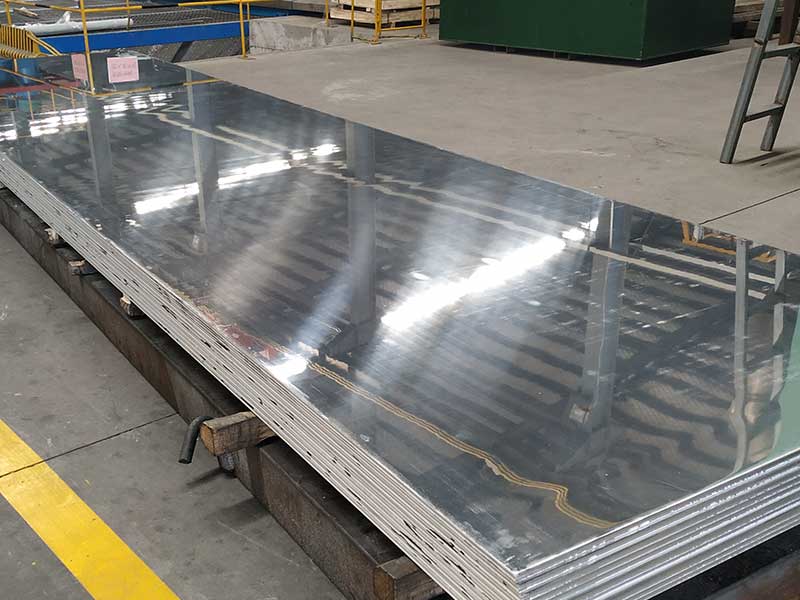
ASTM B209 covers a wide thickness range for sheet and plate. In practical distribution channels, 5052 aluminium plate is commonly stocked from about 0.25 in to several inches depending on region and mill capability, with sheet products thinner than 0.25 in often supplied as 5052 sheet rather than "plate." Width and length depend on mill rolling limits and service center processing, with common cut sizes such as 48 in × 96 in and 60 in × 120 in, plus custom cuts.
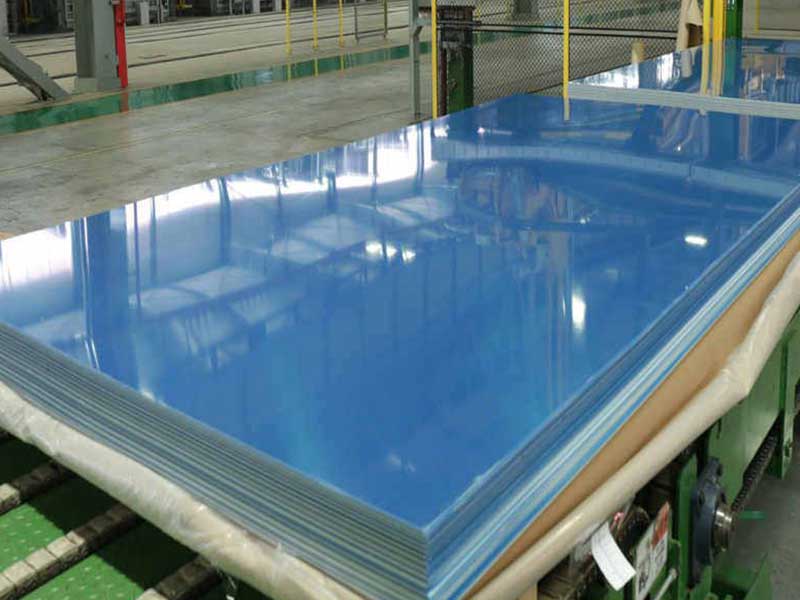
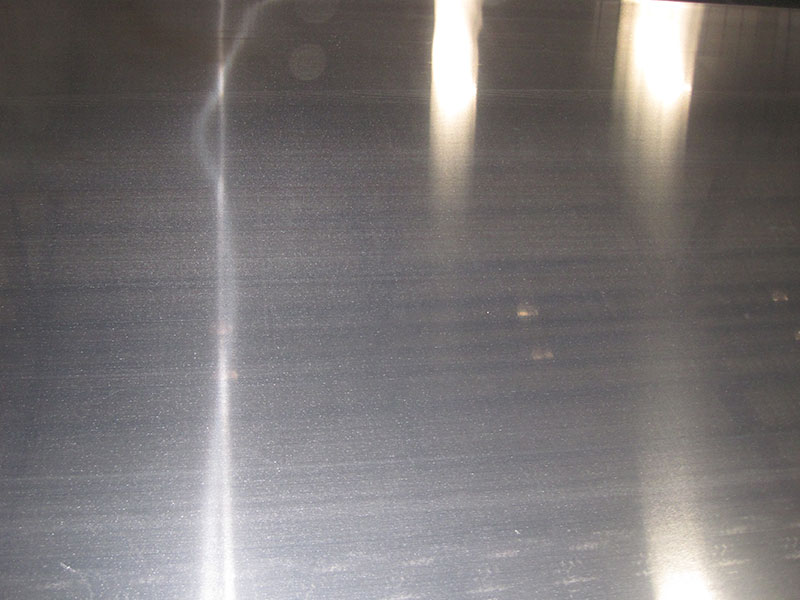
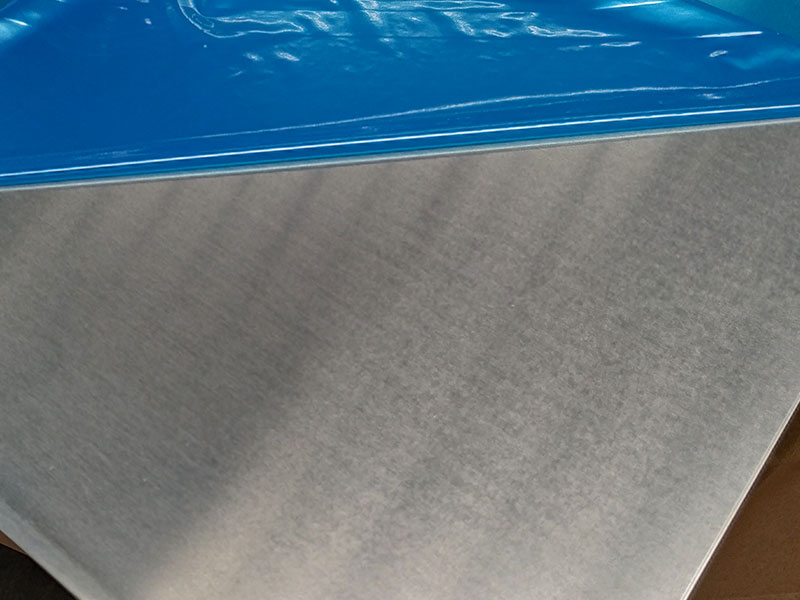
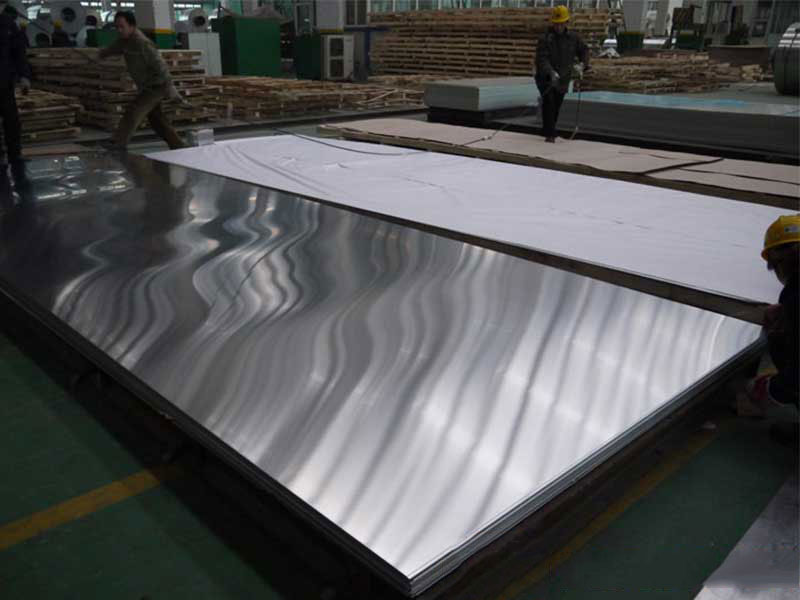
Surface condition is usually mill finish, but 5052 is also frequently specified with tread patterns (diamond plate) for anti-slip flooring and ramps. Protective PVC film is often added for cosmetic-facing applications.
Implementation Standards and Companion Requirements
ASTM B209 is the headline specification, but real projects may also require additional controls depending on the application:
ASTM E8/E8M for tension testing methods when verifying mechanical properties
ASTM E29 for significant digits in test reporting
Customer-specific flatness tolerances for laser cutting, CNC routing, or large panel assemblies
Welding procedures aligned with common aluminum filler selections, often ER5356 for magnesium-bearing alloys in many structural welds
If your application is marine or chemical-adjacent, buyers often add requirements about surface cleanliness, edge condition, and traceable mill test reports to ensure consistent corrosion performance.
Chemical Composition: The Core Recipe Behind the Behavior
The table below reflects typical ASTM/AA composition limits for Aluminum Association alloy 5052. Always confirm with the mill test certificate for your supplied heat.
| Element | Composition (wt. %) |
|---|---|
| Magnesium (Mg) | 2.2–2.8 |
| Chromium (Cr) | 0.15–0.35 |
| Silicon (Si) | ≤ 0.25 |
| Iron (Fe) | ≤ 0.40 |
| Copper (Cu) | ≤ 0.10 |
| Manganese (Mn) | ≤ 0.10 |
| Zinc (Zn) | ≤ 0.10 |
| Titanium (Ti) | ≤ 0.10 |
| Others (each) | ≤ 0.05 |
| Others (total) | ≤ 0.15 |
| Aluminum (Al) | Remainder |
From this viewpoint, the alloy's "function" is built into its chemistry: magnesium delivers strength and corrosion resistance, chromium supports structure and corrosion behavior, and tight copper limits help protect corrosion performance.
Why Customers Keep Coming Back to ASTM B209 5052 Plate
5052 aluminium plate succeeds because it is forgiving in manufacturing. It cuts cleanly, forms predictably, welds reliably, and stands up to harsh environments without demanding complicated heat treatment cycles. When projects involve many real-world variables such as fabrication shops, welders, weather exposure, and long service intervals, 5052 behaves like a stable platform rather than a high-strung performer.
For buyers, the smartest approach is to specify ASTM B209, select a temper aligned with forming versus strength needs, and confirm chemistry and mechanical properties via mill test reports. Done that way, ASTM B209 5052 aluminium plate becomes less of a commodity and more of a controlled engineering material that delivers consistent results from design to installation.
https://www.aluminumplate.net/a/astm-b209-5052-aluminium-plate.html