
Sublimation Aluminum Sheet
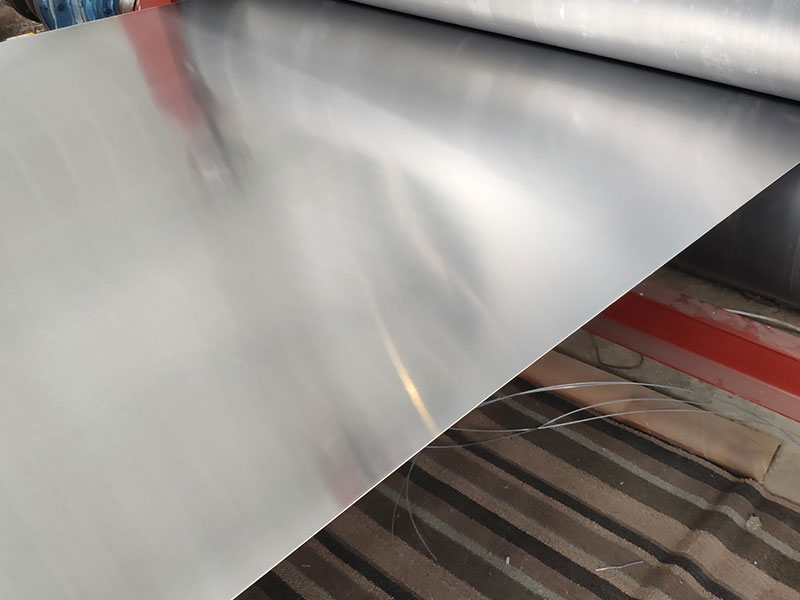
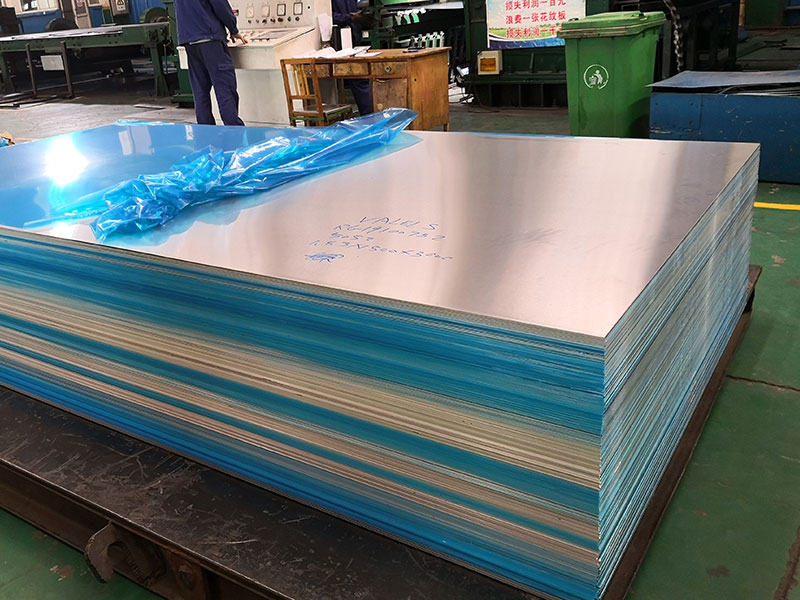
Sublimation aluminum sheets have become increasingly popular in the printing and decoration industry due to their extraordinary capabilities for dye sublimation printing. These sheets combine the excellent structural properties of aluminum with precise surface characteristics that make the sublimation process seamless and vibrant.
What is a Sublimation Aluminum Sheet?
Sublimation aluminum sheets are specially coated aluminum panels engineered to withstand high temperatures and facilitate sublimation printing-a process that transfers dyes directly into the sheet surface using heat and pressure. Unlike typical metal sheets, these have enhanced coatings or surface treatments optimized to absorb sublimation inks efficiently, resulting in vivid, durable, and scratch-resistant images. This technology revolutionizes how metals are decorated, combining the versatility of aluminum with the customization of digital printing.
Functions of Sublimation Aluminum Sheets
High-quality Image Transfer: The specially coated surface enables superior ink absorption during sublimation, allowing colors to be transferred vividly and permanently onto the sheet with exceptional resolution and color fidelity.
Durability & Corrosion Resistance: Made from corrosion-resistant aluminum alloys, these sheets maintain strength and appearance over time, suitable for both indoor and outdoor use.
Temperature Resistance: The aluminum base and coating tolerate high sublimation temperatures, often up to 200°C - 230°C, without deforming or deteriorating.
Lightweight & Strong: Combining aluminum's known attributes, the sheets are lightweight yet robust, making them easy to handle for fabrication in various manufacturing processes.
Eco-Friendly Printing Solution: As sublimation is a dry dye process with minimal waste, sublimation aluminum sheets contribute to environmentally sustainable manufacturing.
Common Applications
Sublimation aluminum sheets serve several industries with diverse end uses:
Decorative Panels and Signage: Ideal for vibrant billboard displays, indoor wall art, decorative ceilings, and architectural cladding.
Photo Frames and Personalized Gifts: Popular for customized photo prints on durable metallic surfaces.
Electronic Appliances Covers: Used in premium device housings and panels requiring durability and beautiful, lasting graphics.
Automotive & Transportation: Interior and exterior scuff plates, paneling with high-definition graphics.
Furniture & Interior Designing: Furniture components that demand aesthetic appeal combined with structural stability.
Technical Specifications and Parameters
The following table outlines the typical chemical composition of the aluminum alloy used, enabling outstanding performance in sublimation printing:
| Element | Si (Silicon) | Fe (Iron) | Cu (Copper) | Mn (Manganese) | Mg (Magnesium) | Cr (Chromium) | Zn (Zinc) | Ti (Titanium) | Al (Aluminum) |
|---|---|---|---|---|---|---|---|---|---|
| Weight % | 0.40 max | 0.50 max | 0.10 max | 0.10 max | 0.30-0.90 | 0.10 max | 0.10 max | 0.10 max | Balance |
Alloy Temper and Mechanical Properties
Sublimation sheets typically come in the following titanality states to optimize both workability and stability during high-temperature sublimation:
| Temper | Yield Strength (MPa) | Tensile Strength (MPa) | Elongation (%) | Hardness (HB) |
|---|---|---|---|---|
| H14 (half-hard) | 145-185 | 215-265 | ≥6 | 50-65 |
| H24 (strain-hardened and partially annealed) | 175-220 | 250-290 | ≥3 | 60-70 |
| H22 (annealed & cold worked) | 120-160 | 200-260 | ≥10 | 45-60 |
Surface Finish and Coating Properties
| Parameter | Specification |
|---|---|
| Coating type | Polymeric or anodized sublimation coating |
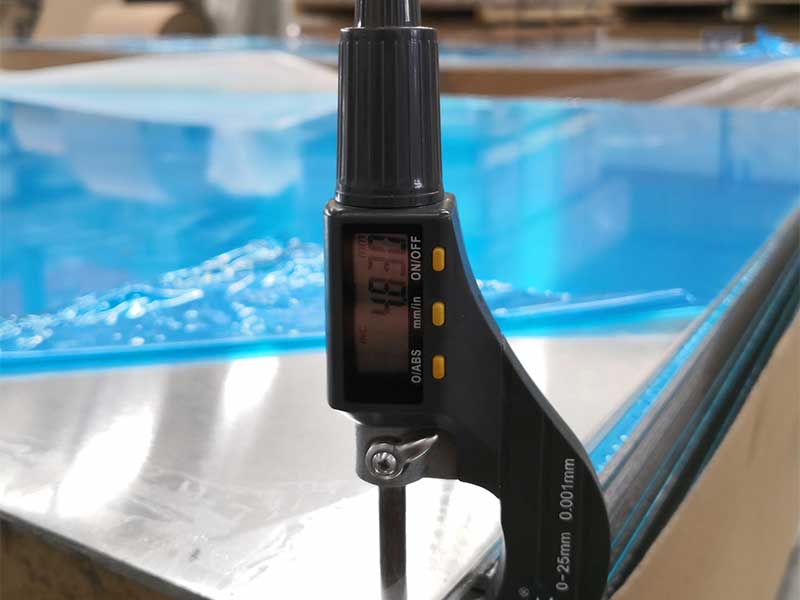
| Coating Thickness | 15-25 µm |
| Surface Roughness (Ra) | ≤ 0.4 µm (to ensure dye bonding) |
| Adhesion (Bend test) | No flaking under minimum 180° bend |
| Heat Resistance | 200°C-230°C continuous temperature capable |
Implementation Standards
Manufacture of sublimation aluminum sheets usually adheres to:
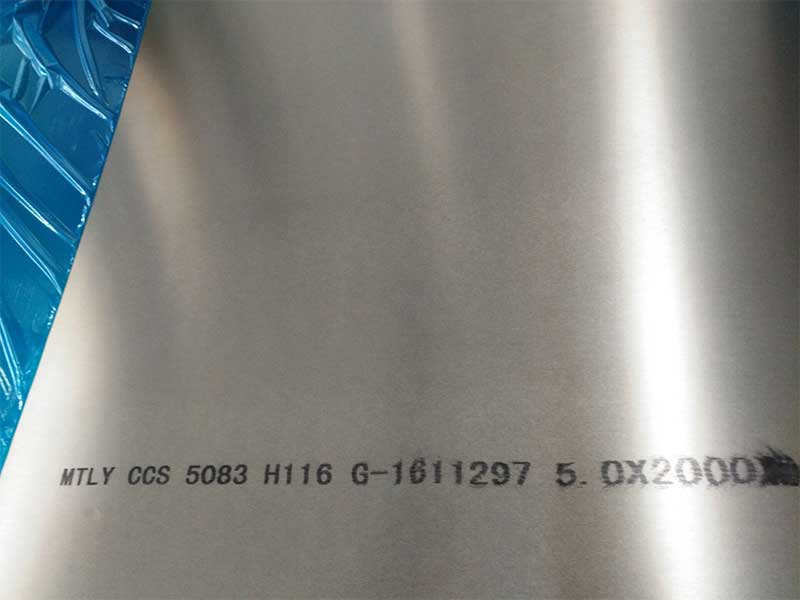
ASTM B209: Standard specification for aluminum and aluminum-alloy sheet and plate.
ISO 6361: Aluminum and aluminum alloys - Sheet, strip, and plate for general engineering purposes.
RoHS Compliance: To ensure environmental safety driven by the restricition of hazardous substances.
REACH Compliance: Guarantee of Freedom from hazardous chemical contaminants introducing health hazards.
Chemical and Mechanical Stability under Sublimation Process
Sublimation printing involves the transition of inks from solid to gas on heated sheets. Thus, sustaining the mechanical and chemical properties during rapid thermal cycling is critical. The robust chemical composition, surface coating integrity, and temper states contribute to resisting:
Thermal Deformation: Maintains dimensional accuracy and flatness post-heating.
Corrosive Ink Chemicals: Prevents ink degradation and subsequent metal corrosion.
Mechanical Abrasion: Hard coating resists scratch marks and physical wear during handling.
https://www.aluminumplate.net/a/sublimation-aluminum-sheet.html