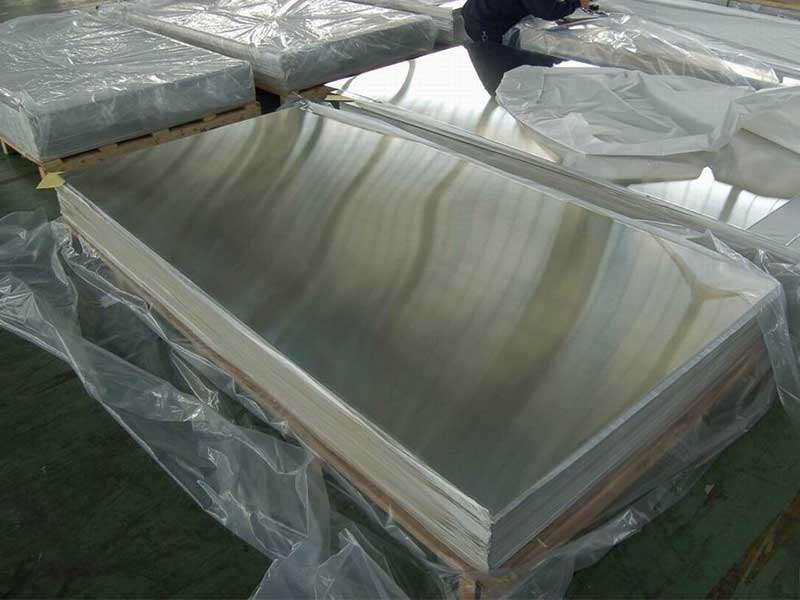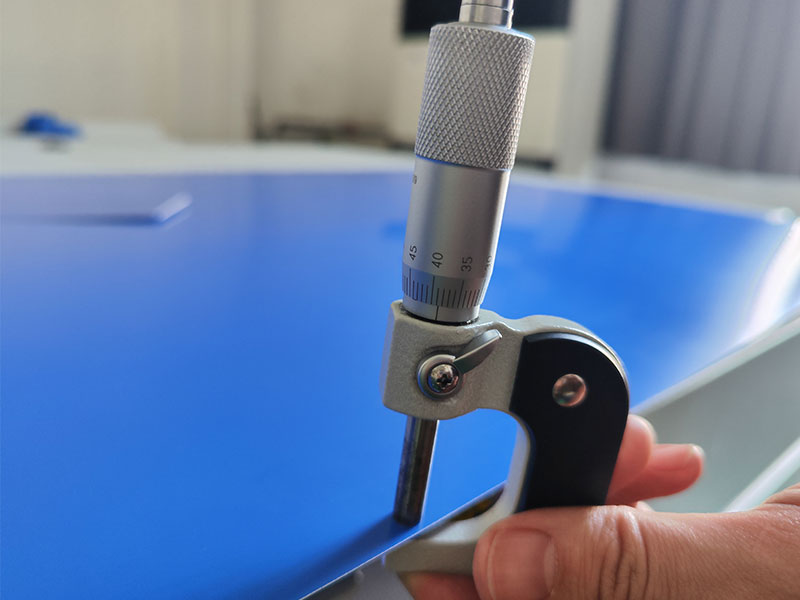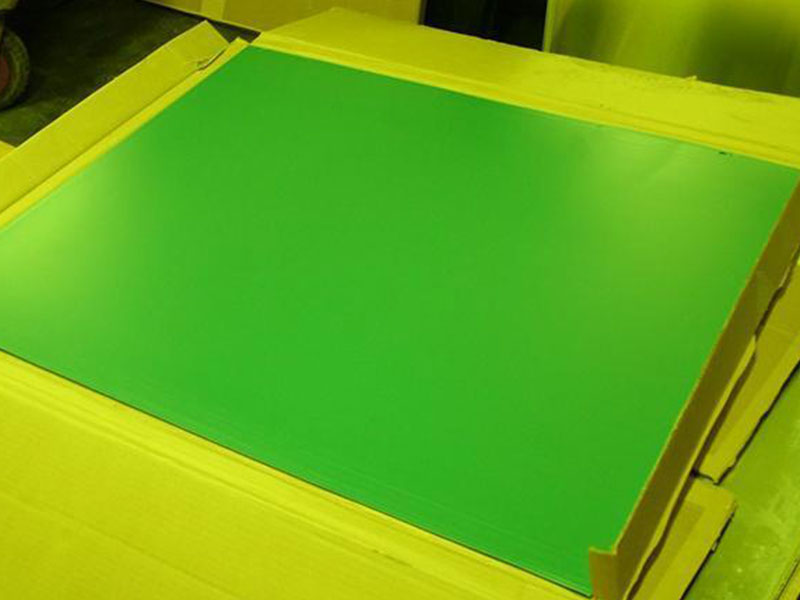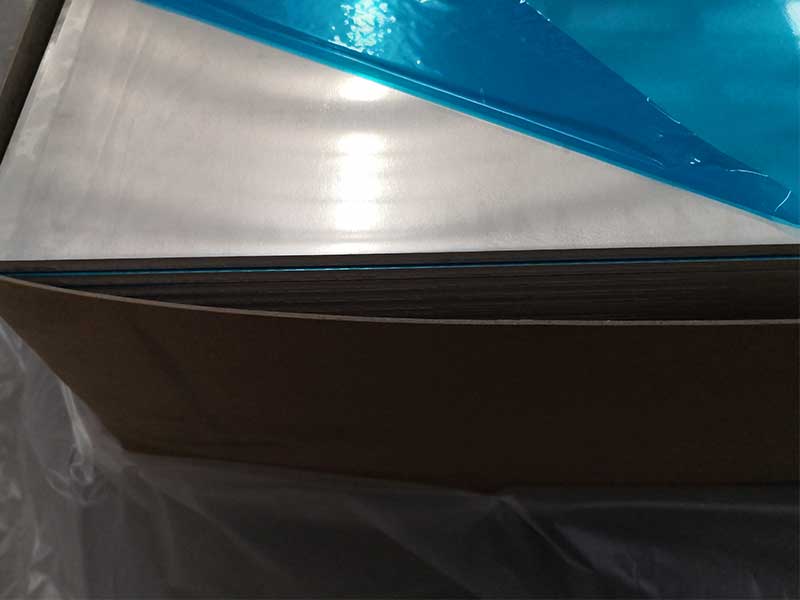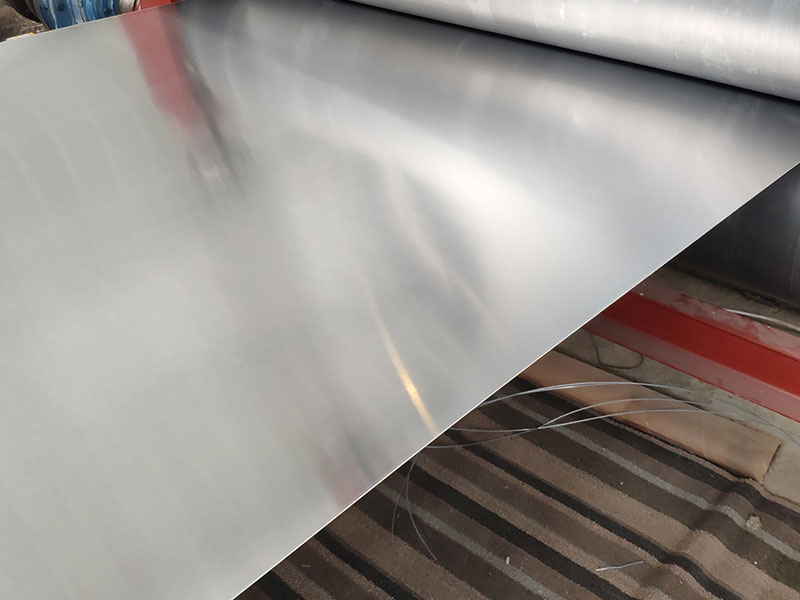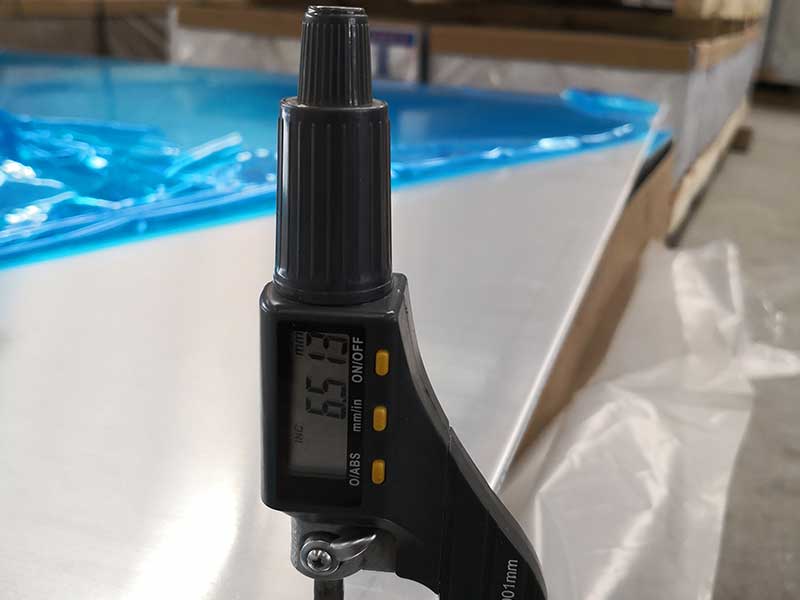

TP-GXII Processless Negatives working Thermal CTP Plate
Most discussions about CTP plates focus on imaging speed, dot reproduction, or run length. Those matter-but a more practical way to evaluate a modern plate is to ask a simpler question:
How much friction does this plate remove from daily production?
Friction means chemistry to manage, processor downtime, unstable results, waste handling, operator variability, and the hidden costs of keeping everything "in spec."
From that perspective, the TP‑GXII Processless Negative‑Working Thermal CTP Plate is not just a plate-it's a workflow simplifier designed for pressrooms that want consistent output with fewer steps and fewer variables.
1) What "Processless" Really Changes (Beyond Convenience)
Traditional thermal plates require a processor (developer, replenisher control, temperature management, gum, cleaning, and regular calibration). Even when everything is maintained well, the processor becomes a production bottleneck.
TP‑GXII processless operation is valuable because it reduces:
- Chemistry dependency (less purchasing, storing, mixing, and disposal)
- Processor-related stoppages (less time troubleshooting roller marks, developer exhaustion, temperature drift)
- Operator influence (more repeatability shift-to-shift)
In simple terms: the plate helps move plate quality control from "wet processing variables" to "digital imaging stability," which is easier to standardize.
2) Negative‑Working Thermal: Why It Still Matters
"Negative-working" means the imaged (exposed) areas form the printing image (ink-accepting), while non-image areas remain hydrophilic (water-accepting). Combined with thermal imaging, this brings two practical benefits customers care about:
- Stable plate making under normal shop lighting (thermal plates are typically less sensitive to incidental light than violet systems)
- Reliable imaging for fine text and screened work when the CTP is correctly calibrated
For many commercial printers, packaging printers, and general job shops, negative thermal remains a strong balance of quality + robustness.
3) The Hidden Advantage: Cleaner Operations and Easier Compliance
Waste treatment and chemical handling rules are getting stricter in many regions. Even if your site is compliant today, compliance often comes with overhead-paperwork, inspections, storage rules, spill risk, and disposal cost.
By reducing or eliminating developer chemistry, TP‑GXII supports:
- Lower chemical inventory
- Reduced wastewater load
- Simpler environmental reporting
- Less odor and cleaner working areas
This isn't just "green messaging"-it's a practical operational advantage, especially for plants trying to modernize without expanding utility systems.
4) What Customers Usually Notice First: Faster Plate-to-Press Rhythm
When you remove processing steps, you also remove waiting-especially during peak job switching.
In real production, customers typically value:
- Shorter turnaround from RIP to press
- Less remake risk caused by processor issues
- More predictable first-sheet behavior (when plate handling and press setup are standardized)
The result is not only faster plates-it's smoother scheduling.
5) Where TP‑GXII Fits Best (A Practical Positioning)
From a customer value standpoint, TP‑GXII is especially attractive for:
- Shops wanting to eliminate processors (space, maintenance, staffing)
- Plants with high job change frequency (commercial, quick-turn)
- Operations aiming to reduce chemical use and disposal cost
- Teams seeking more consistent plate performance across shifts
It's also a sensible choice for printers who want to upgrade workflow reliability without redesigning the entire prepress department.
6) Getting the Best Results: Simple Habits That Protect Plate Performance
Even "processless" plates benefit from disciplined handling. The most common best practices are:
- Standardize imaging curves and confirm dot gain targets after installation
- Keep plate storage clean, dry, and temperature-stable
- Avoid fingerprints and contamination (oil and dust cause press toning and longer make-ready)
- Follow recommended press start-up settings (fountain solution balance and roller condition still matter)
The plate reduces variables-but pressroom basics still decide whether you reach the plate's full potential.
Bottom Line
The TP‑GXII Processless Negative‑Working Thermal CTP Plate is best understood as a risk-reduction and efficiency tool, not just a consumable. Its strongest value is how it helps a print shop run cleaner, simpler, and more consistently-with fewer chemical and mechanical dependencies between your RIP and your press.
https://www.aluminumplate.net/a/tp-gxii-processless-negatives-working-thermal-ctp-plate.html