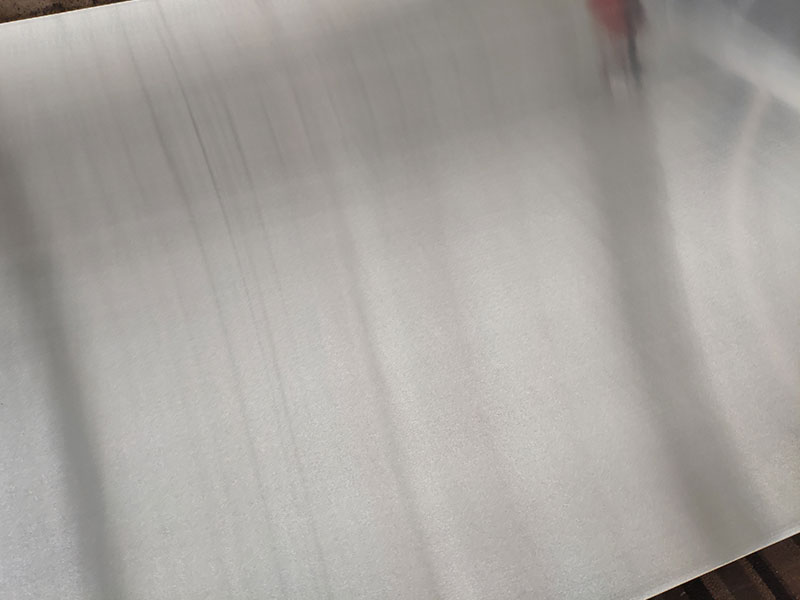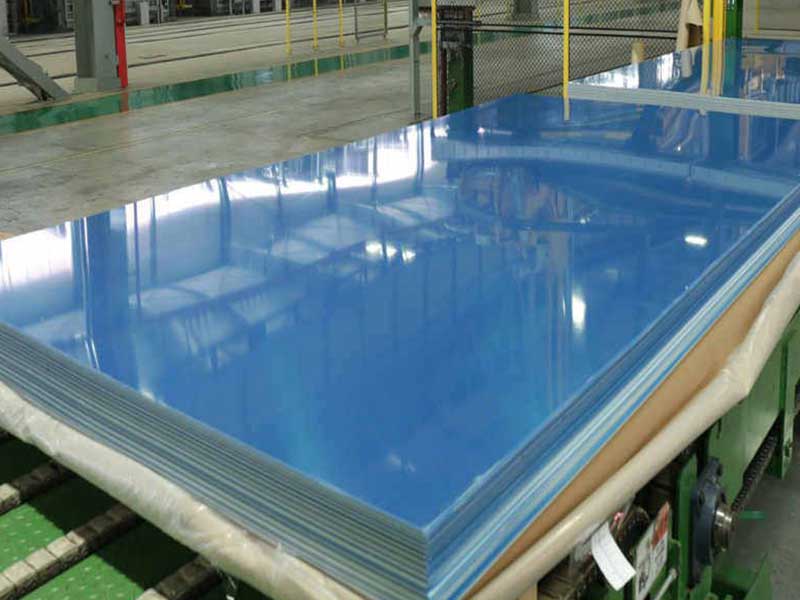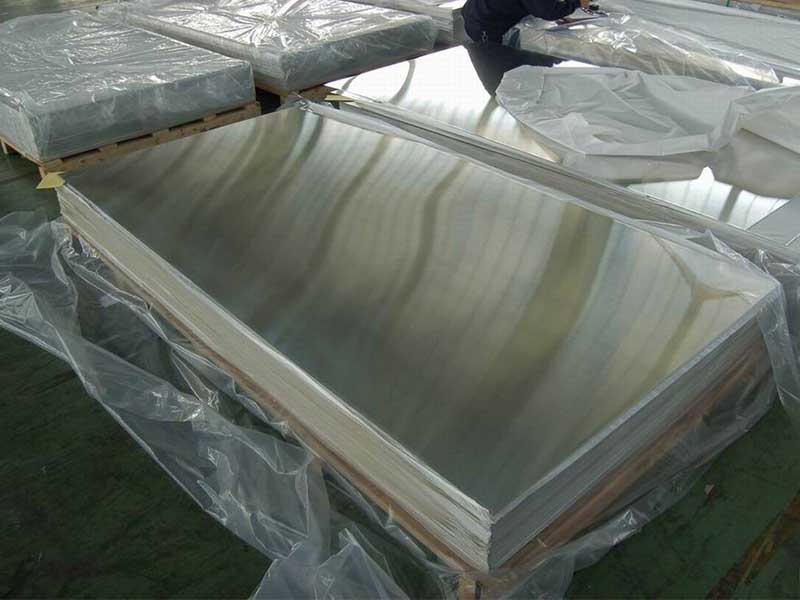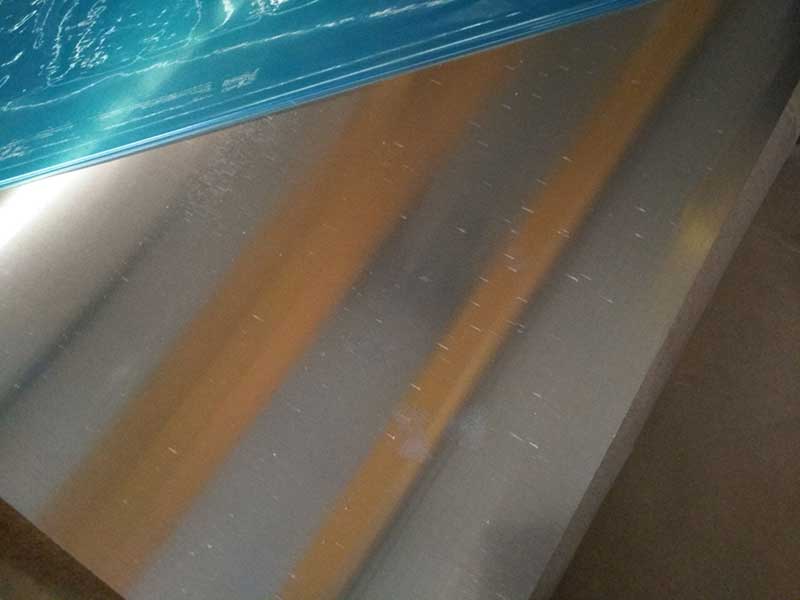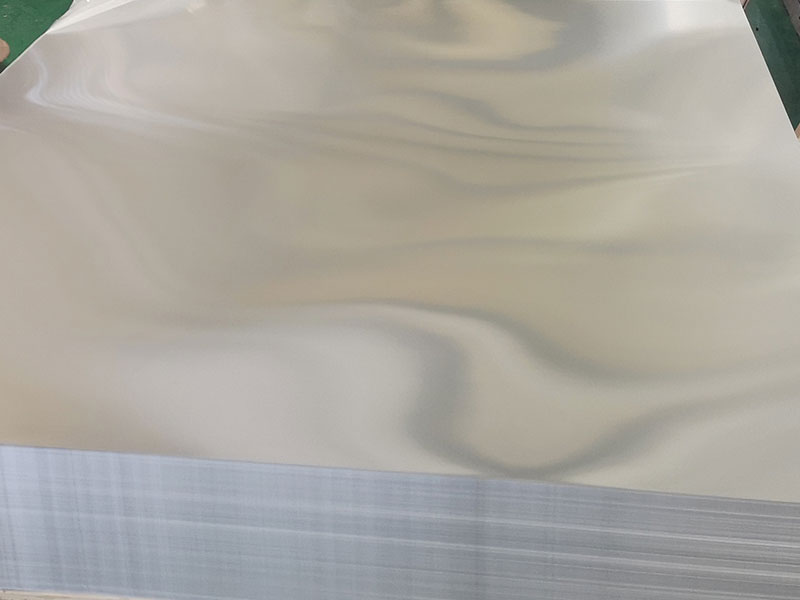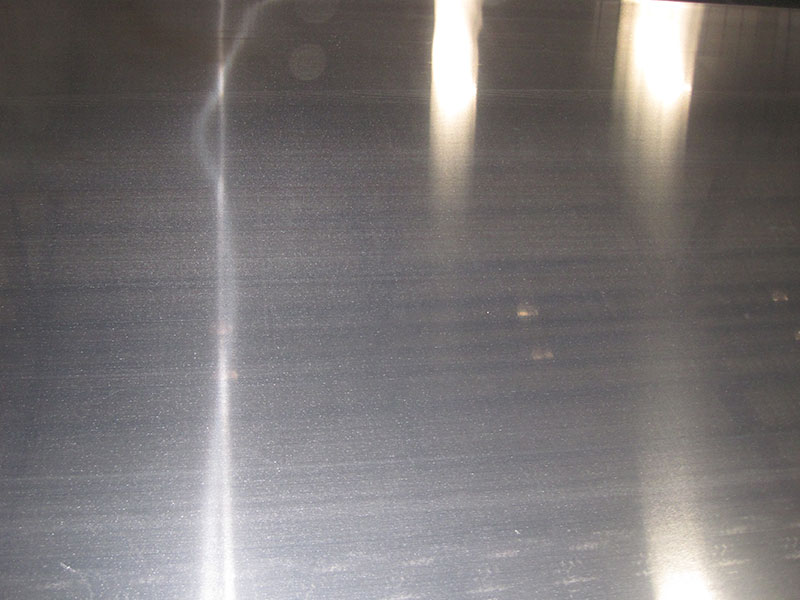

1250*2500mm 3003 H24 Sheet Aluminium Sheet
1250×2500mm 3003 H24 Aluminium Sheet: A "Low-Risk" Choice for Real-World Fabrication
When customers choose aluminium sheet, they're often not looking for the most exotic alloy-they're looking for the most predictable one. From that viewpoint, 1250×2500mm 3003 H24 aluminium sheet is a practical, low-risk material: it forms well, resists corrosion reliably, and arrives in a size that fits common cutting plans with minimal waste.
Below is a quick, customer-friendly breakdown of what this sheet is really good at, and why the size + temper combination matters.
1) Why 3003? Think "Stable Workhorse," Not "Showpiece"
3003 aluminium is one of the most widely used Al-Mn alloys. Its value is consistency:
- Excellent corrosion resistance for everyday indoor/outdoor environments
- Very good formability for bending, rolling, shallow drawing, and general fabrication
- Good surface quality for common finishing needs (coating, painting, cladding)
- Not intended for high strength or structural load-bearing, where 5xxx or 6xxx may be better
If you want a sheet that "behaves" during fabrication and doesn't surprise you with cracking or inconsistent forming, 3003 is often the safe bet.
2) Why H24 Temper? The Sweet Spot Between Soft and Too Hard
Temper is where many sourcing mistakes happen. H24 means the sheet is strain hardened and partially annealed-in plain terms:
- Stronger and more dent-resistant than fully soft material (like O temper)
- Still formable enough for common bends and light forming
- More stable in handling and transport for flat sheet applications
Unique viewpoint: H24 is a production temper. It's chosen not just for mechanical properties, but for manufacturing rhythm-it holds flatness better than dead-soft sheet in many situations, yet it still bends without being overly "springy" or crack-prone.
3) Why 1250×2500mm? It's a Practical Nesting Size
The 1250×2500mm format is popular because it matches standard fabrication habits:
- Convenient for CNC cutting and guillotine shearing
- Easy to load, store, and handle compared to larger plates
- Often reduces offcut waste for cabinet panels, duct sections, appliance parts, and general enclosures
For many workshops, this sheet size is a good balance between material efficiency and shop-floor manageability.
4) Typical Applications (Where 3003 H24 Shines)
This specification is commonly chosen for:
- HVAC ducting and ventilation parts
- Cladding, facades (non-structural), and decorative panels
- Appliance panels and housings
- General sheet-metal fabrication: covers, guards, boxes, partitions
- Food-related environments where corrosion resistance matters (confirm finish/coating needs)
5) What to Confirm When Buying (Fast Checklist)
To avoid mismatches between expectation and performance, confirm these details with your supplier:
- Thickness (critical-performance changes drastically with thickness)
- Standard and tolerance (e.g., EN/ASTM/GB; thickness/flatness tolerance)
- Surface finish (mill finish, one-side protective film, brushed, etc.)
- Sheet flatness requirements (especially for laser cutting, panelling, or bonding)
- Packaging (export seaworthy, corner protection, interleaving paper/film)
6) Honest Limitations (So You Don't Over-Spec or Under-Spec)
- If you need high strength, 3003 H24 is not the best choice-consider 5052, 5754, or 6061 depending on forming and welding needs.
- If you need deep drawing, you may prefer softer temper (like 3003 O) for maximum ductility.
- If welding is a process, 3003 is weldable, but always confirm the filler and finishing expectations.
Bottom Line
1250×2500mm 3003 H24 aluminium sheet is a smart purchase when your priority is smooth fabrication, dependable corrosion resistance, and a manageable standard sheet size. It's not the strongest aluminium sheet-but it's one of the most predictable for everyday manufacturing, which often saves more money than chasing higher strength you don't actually need.
https://www.aluminumplate.net/a/12502500mm-3003-h24-sheet-aluminium-sheet.html