
Anodized aluminum sheet 1050a h14
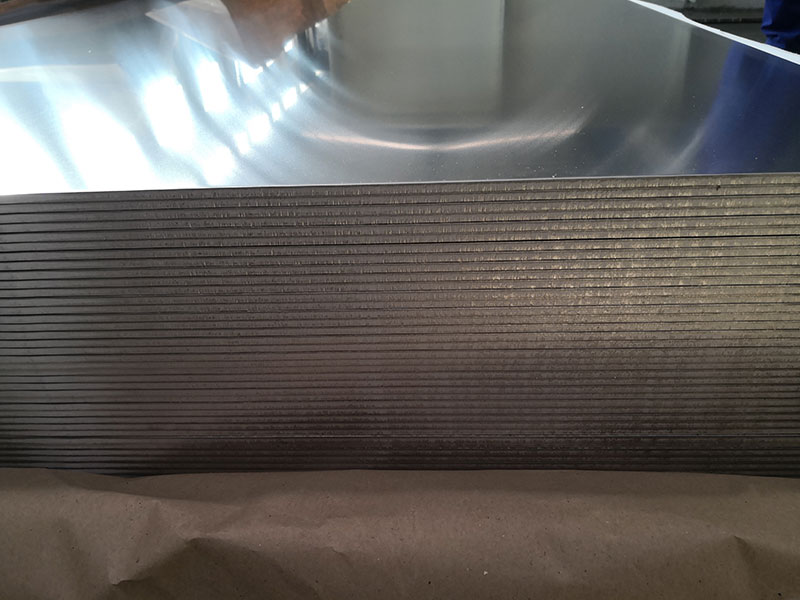
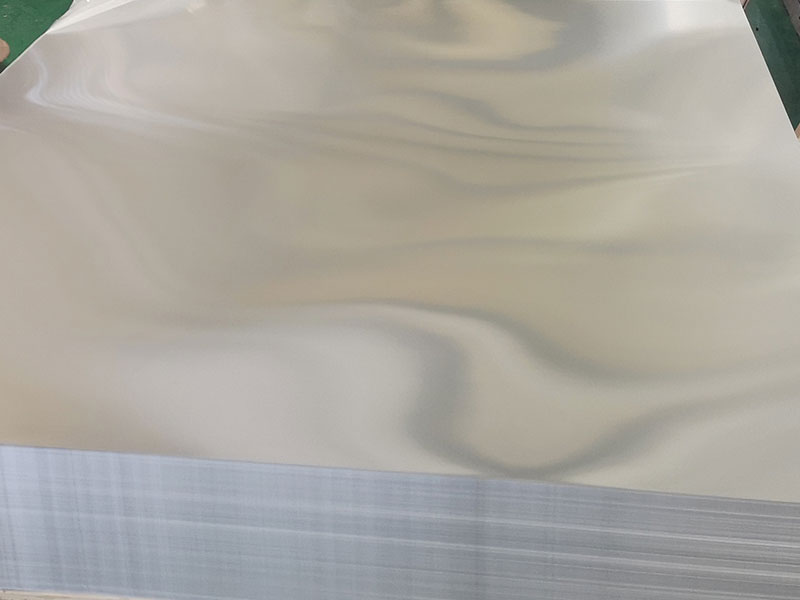
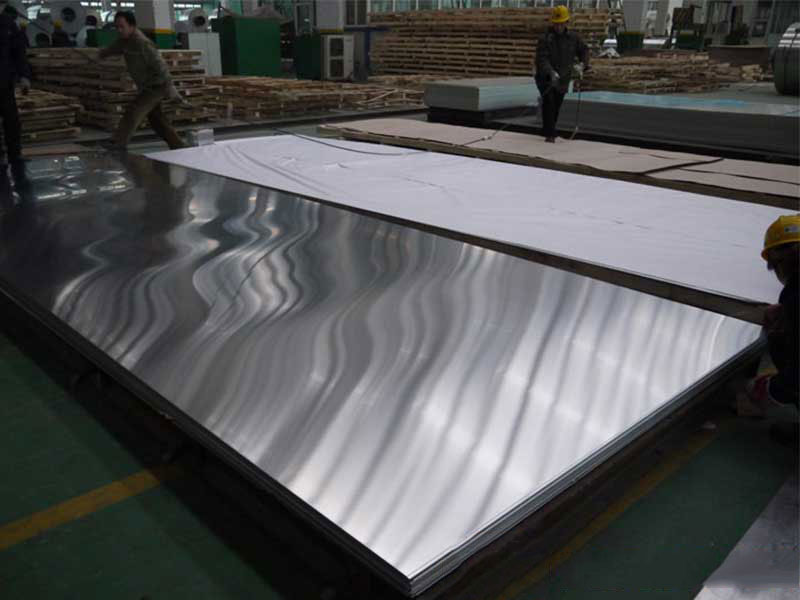
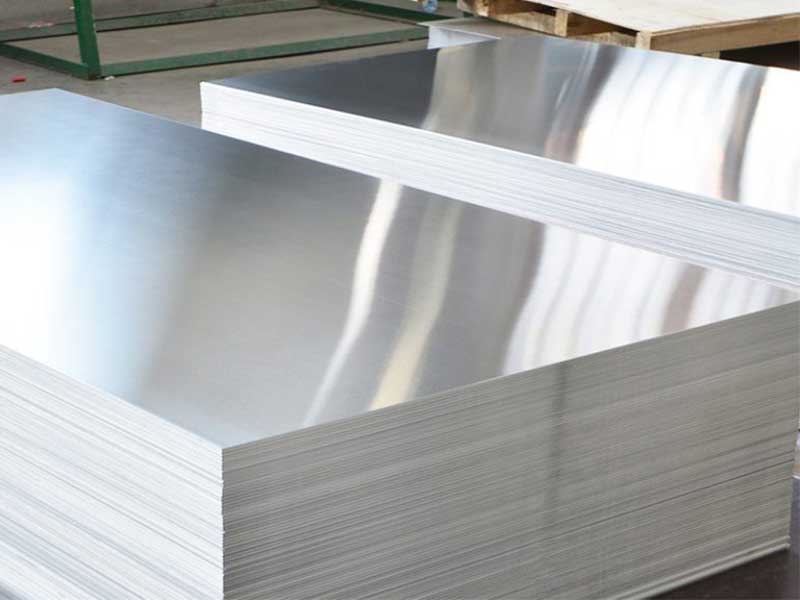
Anodized aluminum sheet 1050A H14 is a high-purity aluminum product known for its bright, uniform appearance, excellent corrosion resistance, and very good formability. Combining the 1050A alloy (minimum ~99.5% Al) with the H14 temper (half-hard, strain hardened) creates a sheet that is easy to fabricate while offering improved strength over fully annealed material. After anodizing, the surface gains a durable oxide layer that enhances wear resistance, color stability, and long-term performance in indoor and many outdoor environments.
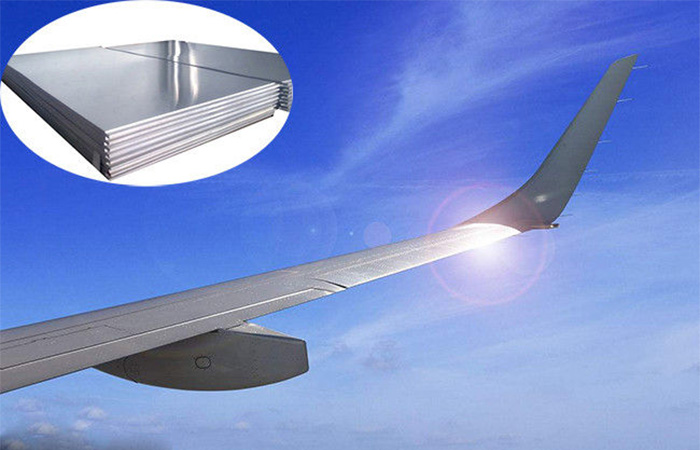
This product is widely chosen for architectural trim, decorative panels, nameplates, reflective components, and general metalwork where surface quality matters and extreme structural strength is not the primary requirement.
What "1050A" and "H14" mean
1050A is a commercially pure aluminum alloy with very low alloying additions. Its value is in corrosion resistance, conductivity, and appearance, especially after surface finishing.
H14 indicates the sheet is strain hardened to a half-hard condition. Compared with soft tempers, H14 typically provides:
- better dent resistance and rigidity
- stable flatness for panel applications
- still-good bending and forming capability for common radii
Anodized means an electrolytic process thickens and stabilizes the natural aluminum oxide layer. The result is a surface that is:
- more resistant to scratching and abrasion than bare aluminum
- receptive to consistent coloring (especially with clear or light tints)
- easier to maintain for decorative use
features at a glance
| Feature | Customer value | Notes for selection |
|---|---|---|
| High-purity 1050A base | Bright finish potential, excellent corrosion resistance | Ideal for decorative and general-purpose sheet |
| H14 temper | Higher strength than O temper while remaining formable | Good balance for bending, light stamping, panel rigidity |
| Anodized surface | Improved wear resistance, stable appearance | Anodic layer is integral, not a coating that peels |
| Excellent reflectivity | Suitable for lighting and visual panels | Finish and anodizing type affect reflectance |
| Good fabrication compatibility | Cutting, bending, punching feasible | Protect anodized surface during processing |
Typical applications
| Application area | Why 1050A H14 anodized works well | Common finish choice |
|---|---|---|
| Architectural interior trim | Clean appearance, corrosion resistance, easy maintenance | Clear anodized (natural) |
| Signage, nameplates, labels | Good contrast with printing/engraving, stable oxide layer | Clear or dyed anodized |
| Decorative panels and covers | Uniform look, good bendability, light weight | Brushed + clear anodized |
| Lighting reflectors and housings | Reflectivity and neat surface | Bright/anodized as specified |
| Appliance and office equipment panels | Scratch resistance and aesthetics | Satin anodized |
| General sheet metal work | Easy forming with improved stiffness | Clear anodized for durability |
Chemical composition (EN AW-1050A typical limits)
Values are typical composition limits for EN AW-1050A; exact limits may vary slightly by standard/region and must be confirmed on the mill test certificate.
| Element | Typical max (%) | Role / effect |
|---|---|---|
| Al | ≥ 99.5 | Base metal; corrosion resistance, conductivity, finish quality |
| Si | 0.25 | Impurity; can slightly affect anodizing tone if elevated |
| Fe | 0.40 | Impurity; can influence brightness and anodizing uniformity |
| Cu | 0.05 | Impurity; higher levels may reduce corrosion resistance |
| Mn | 0.05 | Impurity; minor influence at low levels |
| Mg | 0.05 | Impurity; typically very low in 1050A |
| Zn | 0.07 | Impurity; generally minimal effect at low levels |
| Ti | 0.05 | Grain refiner (trace) |
| Others (each) | 0.03 | Trace elements |
| Others (total) | 0.10 | Total trace limit |
Mechanical properties (typical for H14 sheet)
Mechanical properties depend on thickness and processing route. The table below reflects common expectations for 1050A H14 sheet.
| Property | Typical range | Notes |
|---|---|---|
| Tensile strength, Rm | 90–120 MPa | Thickness-dependent |
| Yield strength, Rp0.2 | 70–100 MPa | Improves stiffness vs annealed |
| Elongation, A50 | 2–8% | Higher elongation at thinner gauges often lower |
| Brinell hardness | ~30–40 HB | Useful for dent resistance comparisons |
| Density | 2.71 g/cm³ | Lightweight material advantage |
Anodizing characteristics and finish options
Anodizing performance on 1050A is generally excellent due to the alloy's purity. Surface preparation and impurity levels still matter for consistent cosmetic quality.
| Parameter | Typical options | Practical guidance |
|---|---|---|
| Anodizing type | Clear (natural), dyed, electrolytic coloring | Clear is most common for trim/panels |
| Typical thickness | 5–25 µm | Indoor decorative often 5–10 µm; more demanding use 15–25 µm |
| Surface finish before anodize | Mill finish, brushed, brightened, textured | Brushing hides handling marks; brightening boosts reflectivity |
| Appearance uniformity | Very good | Keep fabrication oils and fingerprints controlled |
| Wear resistance | Improved vs bare aluminum | Hard anodize is possible but less common for 1050A sheet aesthetics |
Technical specifications and supply range (typical)
Availability depends on mill capability and stock program. Use the table as a practical reference for procurement discussions.
| Item | Typical range / option | Notes |
|---|---|---|
| Product form | Sheet, coil, slit coil | Protective film recommended for anodized surface |
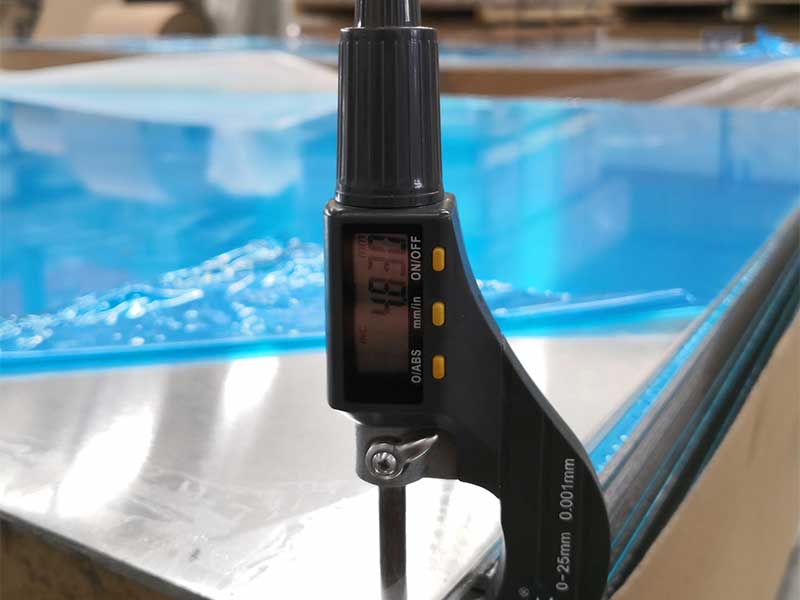
| Thickness | 0.3–3.0 mm (common), wider on request | Decorative panels often 0.8–2.0 mm |
| Width | Up to ~1500 mm typical | Wider widths may be available by agreement |
| Length | Cut-to-length or coil | Tight length tolerance available for CNC nesting |
| Temper | H14 standard; other tempers on request | Confirm temper after anodizing if critical |
| Surface protection | PE film, paper interleaf | Use laser-safe film if needed |
| Standards | EN 573 / EN 485 (typical references) | Confirm to applicable regional standards |
Fabrication and handling notes
| Process | Suitability | Tips to protect anodized finish |
|---|---|---|
| Laser cutting | Often feasible | Use correct film; manage heat tint risk on visible edges |
| CNC routing / punching | Very good | Use clean tooling to avoid edge burr dragging |
| Bending | Good with appropriate radius | Prefer larger radii for thicker anodized layers |
| Stamping / embossing | Moderate | Trial recommended; surface marring control is key |
| Welding | Possible but not preferred for cosmetic parts | Anodized layer must be removed locally; color match is difficult |
| Adhesives / bonding | Good | Degrease carefully; avoid aggressive abrasion through anodize |
Performance considerations for customers
| Requirement | Why it matters | Recommendation |
|---|---|---|
| Color consistency | Visible panels need uniform tone | Request same lot and same anodizing line when possible |
| Corrosion environment | Coastal/industrial exposure is more aggressive | Specify thicker anodize and sealed finish |
| Surface aesthetics | Scratches show on high-gloss surfaces | Choose brushed + clear anodize with protective film |
| Electrical conductivity | Anodize is insulating | Keep un-anodized contact areas if grounding is required |
| Cleaning and maintenance | Preserves appearance | Use mild detergent; avoid strong alkalis/acids |
Why customers choose anodized 1050A H14
Anodized 1050A H14 aluminum sheet is a practical "sweet spot" product: it looks premium, forms reliably, resists everyday corrosion, and maintains a clean surface with minimal upkeep. It is especially effective for decorative and functional covers where consistent appearance, light weight, and straightforward fabrication drive total value.
Anodized aluminum sheet 1050A H14 is a high-purity, half-hard aluminum sheet with a durable anodized surface for enhanced corrosion resistance, wear performance, and attractive appearance. It is widely used for architectural trim, decorative panels, signage, lighting parts, and appliance covers, offering excellent formability, consistent finishing, and lightweight strength with reliable technical specifications.
https://www.aluminumplate.net/a/anodized-aluminum-sheet-1050a-h14.html