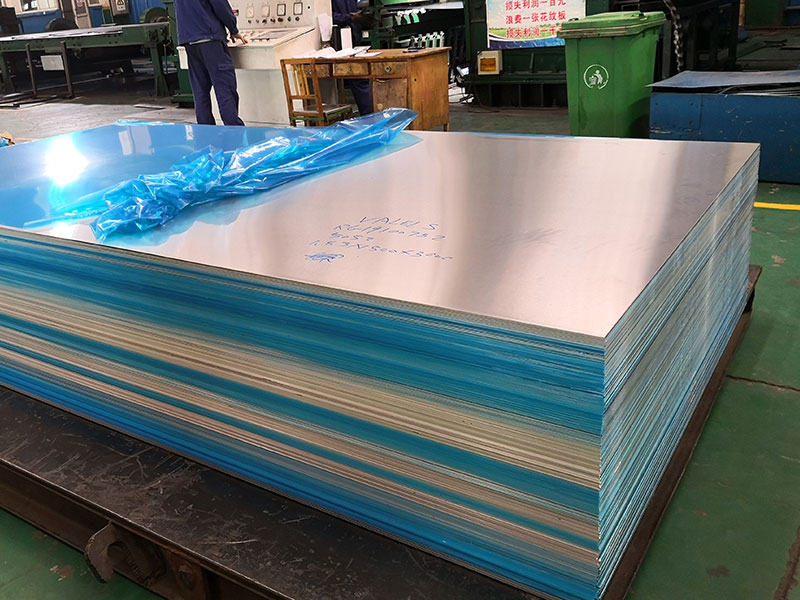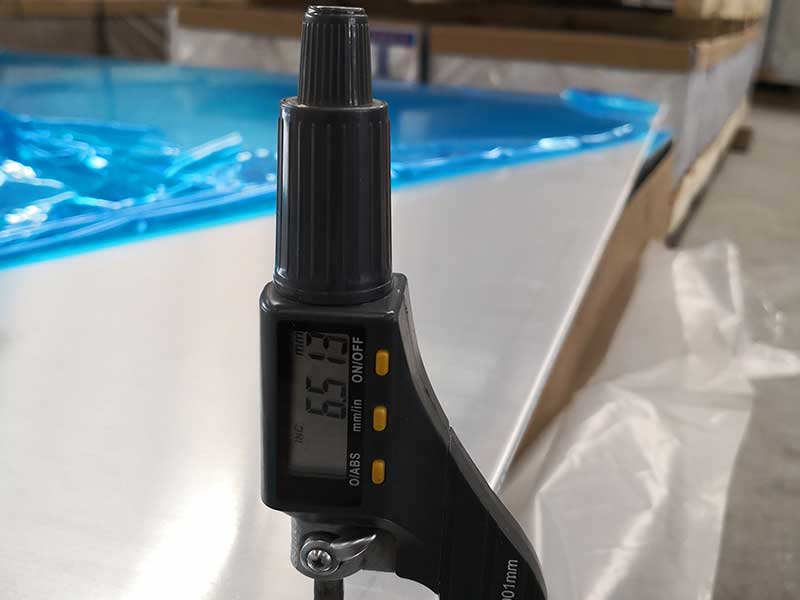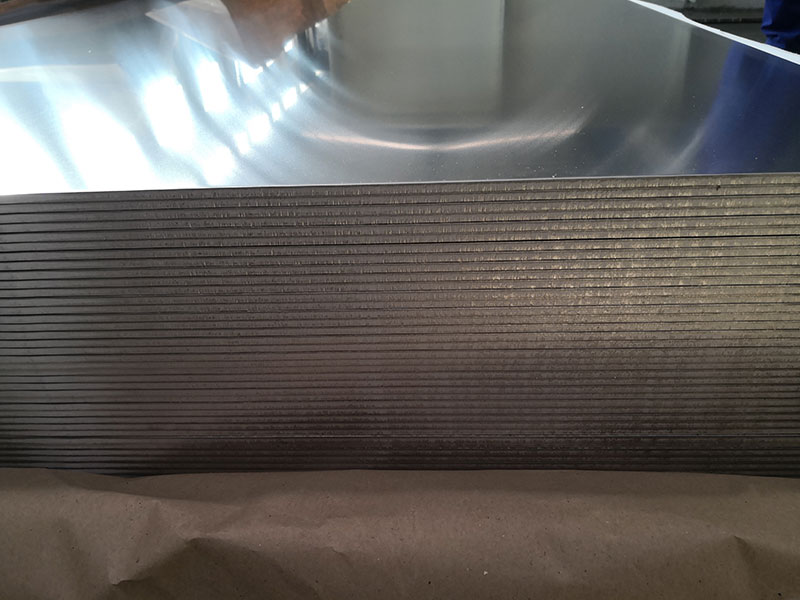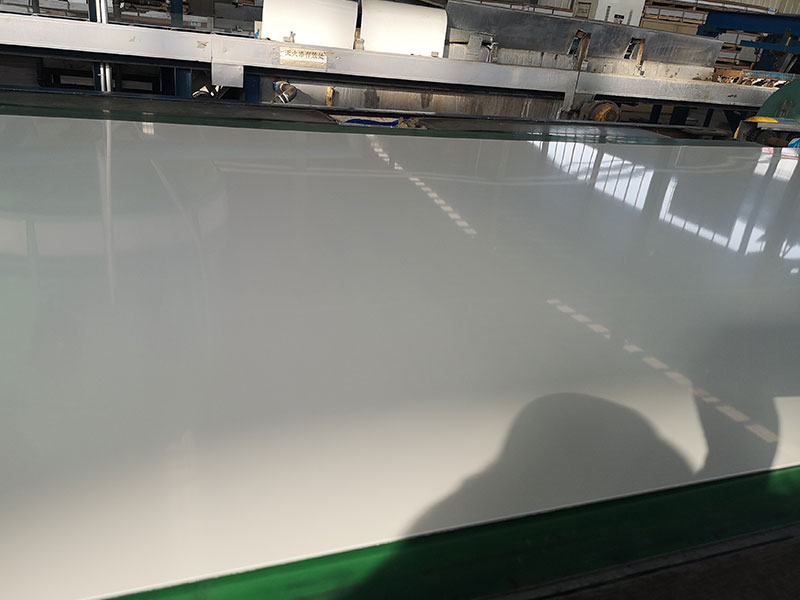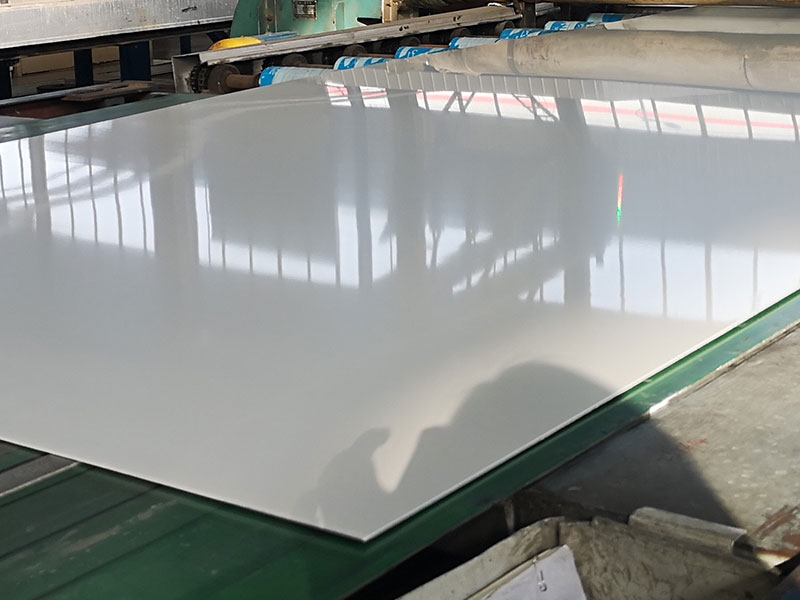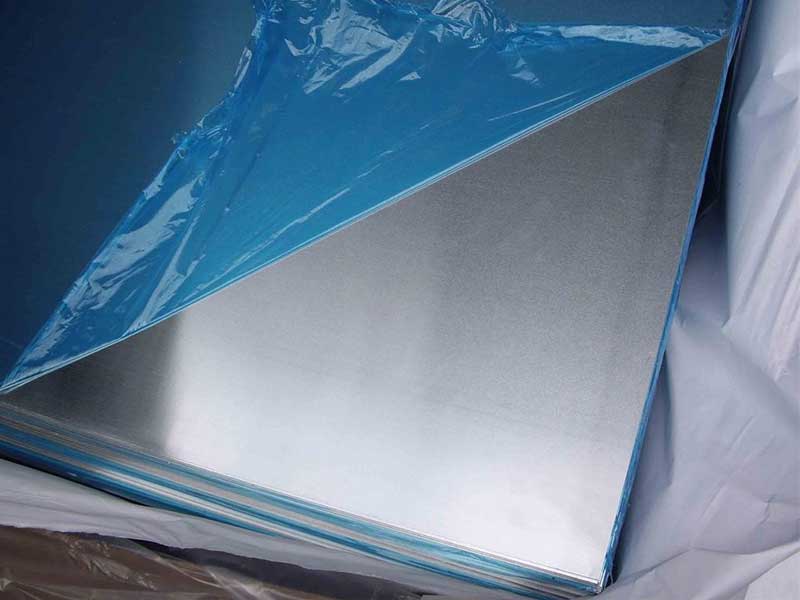

2024 2A12 2219 2017 Aluminium Sheet
2024 2A12 2219 2017 Aluminium Sheet: Four Aerospace Classics, Viewed Through the Lens of "What Problem Are You Solving?"
If you work with high-performance aluminium sheet, you already know the awkward truth: there is no single "best" alloy-only the best match for a job's stress, temperature, corrosion risk, forming method, and certification pathway. From that perspective, 2024, 2A12, 2219, and 2017 aluminium sheet feel less like competing products and more like four specialists in the same engineering team. Each brings a different personality to the build, whether you are machining precision parts, forming aircraft skins, fabricating cryogenic tanks, or chasing stable strength in heat-affected zones.
These are all aluminium alloys with copper as a strengthening element, which generally means high strength and good machinability, with corrosion resistance that often benefits from cladding or surface protection. But the differences-especially in welding behavior, temperature stability, and typical standards-are where selection becomes practical rather than theoretical.
A quick "decision mindset" for buyers and engineers
Think of the group as a spectrum:
2024 / 2A12 are the classic high-strength, fatigue-capable sheet alloys for aircraft structure and general high-load components. They are widely used and well understood in supply chains.
2219 is the specialist when welding and elevated temperature stability matter-often the first name that comes up in welded aerospace tanks and structures.
2017 is a traditional, dependable alloy that machines well and serves strongly in fittings and mechanical parts, often where ultimate fatigue performance is not the main driver.
Typical product parameters (aluminium sheet supply range)
Availability can vary by mill, but customers commonly specify:
- Thickness: about 0.5 mm to 200 mm
- Width: up to about 2000 mm (larger widths possible by agreement)
- Length: cut-to-length or coil, depending on thickness and temper
- Surface: mill finish, anodizing-quality, or cladded options where applicable
- Flatness: controlled for machining plate or forming sheet applications
- Protective film: optional for cosmetic or scratch-sensitive applications
For aerospace-grade procurement, sheet is typically ordered with strict dimensional tolerances, lot traceability, and mechanical test certification.
Implementation standards and common specifications
Different regions "speak" different standards. In practice, buyers often cross-reference several frameworks:
2024 aluminium sheet
Often supplied to ASTM B209 (general sheet/plate) and aerospace specifications such as AMS (when aerospace pedigree is required). Clad variants like Alclad are common for corrosion protection.
2A12 aluminium sheet
2A12 is widely used under Chinese GB/T standards and is often considered comparable in application intent to 2024-type alloys. Procurement frequently references GB/T for chemistry and properties, with additional customer or aerospace requirements layered on.
2219 aluminium sheet
Commonly specified via AMS or ASTM frameworks for aerospace applications, particularly where weldable structures are needed. 2219 is a well-known choice for cryogenic and high-temperature service in welded assemblies.
2017 aluminium sheet
Often appears in standards like ASTM B209 and EN frameworks depending on market. It is a mature alloy family used for mechanical components, fittings, and general engineering.
If your project is certification-driven, the is aligning alloy + temper + inspection plan to the applicable spec set, rather than assuming "equivalent grade" is automatically acceptable.
Tempering conditions and what they imply in real use
Temper is not just a suffix-it's a promise about processing history, formability, and performance. Typical tempers you'll see for these alloys include:
- O (annealed): best formability, lowest strength; suitable for deep forming and complex bends
- T3 / T4: solution heat treated and naturally aged; good balance of strength and formability (often used for forming then aging in service)
- T6: solution heat treated and artificially aged; higher strength, typically less formable
- T8 / T87 (common in 2219): solution heat treated, cold worked, then artificially aged; often used to recover strength after welding and for stable performance
A practical viewpoint: if the part must be formed sharply, start with O or T4/T3; if it must carry load with minimal deformation, T6/T8-type tempers become more attractive. If it must be welded, 2219 in an appropriate temper is often the "designed-for-welding" answer among these four.
Performance character: how each alloy behaves on the shop floor
2024 aluminium sheet
Known for high strength and excellent fatigue performance, which is why it has earned its place in aircraft structure. It machines well, forms reasonably in appropriate tempers, and is often protected against corrosion by cladding or coatings. If your part is riveted, fastened, or machined from sheet/plate and fatigue matters, 2024 is frequently the baseline.
2A12 aluminium sheet
Often selected for similar "structural strength first" reasons in markets using GB/T designation systems. Customers like it for robust mechanical performance and broad industrial familiarity. It fits projects that need strong, reliable aluminium sheet without requiring the welding-centric behavior of 2219.
2219 aluminium sheet
This is where the perspective shifts: 2219 is chosen not only for strength, but for what it preserves after fabrication. It is valued for welded structures and better retention of properties at elevated temperatures compared with many 2xxx alloys. It's common in aerospace propellant tanks and welded assemblies where heat-affected zones cannot be treated as an afterthought.
2017 aluminium sheet
A classic "machining-friendly" copper alloy. It can be a very practical pick for parts that are primarily machined, where good strength and stable processing matter, but where you don't need the fatigue reputation of 2024 or the welding story of 2219.
Chemical composition (typical ranges, wt.%)
Actual mill certificates govern final acceptance. The table below summarizes widely used typical ranges for these alloys. Ranges can vary slightly by standard and producer.
| Alloy | Si | Fe | Cu | Mn | Mg | Zn | Ti | Zr | Others (each/total) | Al |
|---|---|---|---|---|---|---|---|---|---|---|
| 2024 | ≤0.50 | ≤0.50 | 3.8–4.9 | 0.3–0.9 | 1.2–1.8 | ≤0.25 | ≤0.15 | - | ≤0.05 / ≤0.15 | Rem. |
| 2A12 | ≤0.50 | ≤0.50 | 3.8–4.9 | 0.3–0.9 | 1.2–1.8 | ≤0.30 | ≤0.15 | - | ≤0.05 / ≤0.15 | Rem. |
| 2219 | ≤0.20 | ≤0.30 | 5.8–6.8 | 0.20–0.40 | ≤0.02 | ≤0.10 | 0.02–0.10 | 0.10–0.25 | ≤0.05 / ≤0.15 | Rem. |
| 2017 | ≤0.80 | ≤0.70 | 3.5–4.5 | 0.4–1.0 | 0.4–0.8 | ≤0.25 | ≤0.15 | - | ≤0.05 / ≤0.15 | Rem. |
A distinctive way to read this table:
- Higher Cu generally pushes strength upward but can complicate corrosion resistance and welding.
- Mg + Cu (as in 2024/2A12) is a classic high-strength recipe.
- Zr in 2219 is part of why it behaves more confidently in welded and thermally stressed structures.
Customer-focused selection notes (fast, practical)
If you are building a riveted or fastened structure with strong fatigue expectations, 2024 is often the comfortable choice.
If your procurement system aligns with GB standards and you need a familiar, strong structural sheet, 2A12 is commonly specified.
If your design involves welding, thermal cycling, or cryogenic service where weld integrity and post-weld performance matter, 2219 is frequently the most purpose-fit option in this group.
If your part is machining-heavy and you want reliable strength with mature processing behavior, 2017 can be cost-effective and practical.
What to ask your supplier to avoid "good alloy, wrong delivery"
To ensure the sheet you receive behaves like the alloy in your head, align on temper, thickness tolerance, grain direction requirements, surface protection (clad or not), and documentation such as EN/ASTM/AMS or GB/T compliance, heat/lot traceability, and mechanical test reports.
In other words, choosing between 2024, 2A12, 2219, and 2017 is less about chasing a single strength number and more about choosing the alloy that stays predictable after forming, machining, joining, and service. When you select them from the viewpoint of the problem they solve, the choice becomes surprisingly clear-and the finished parts become far more reliable.
https://www.aluminumplate.net/a/2024-2a12-2219-2017-aluminium-sheet.html