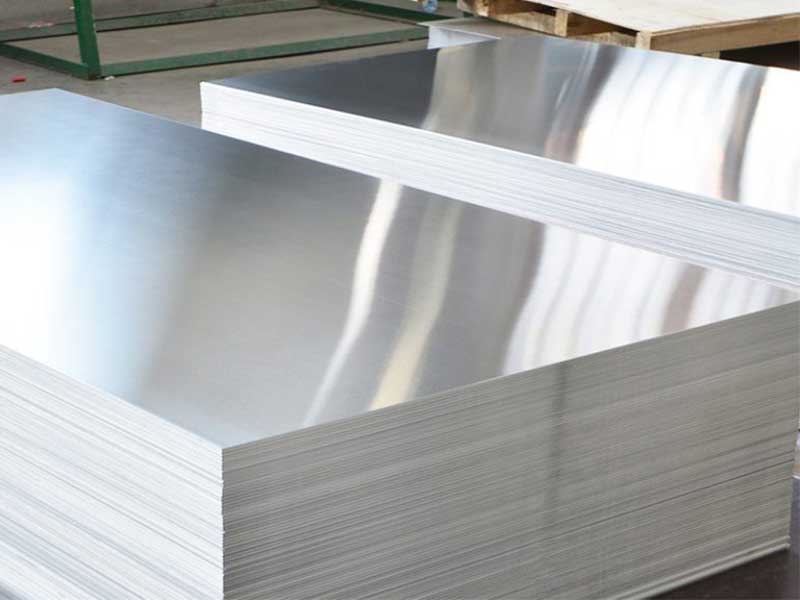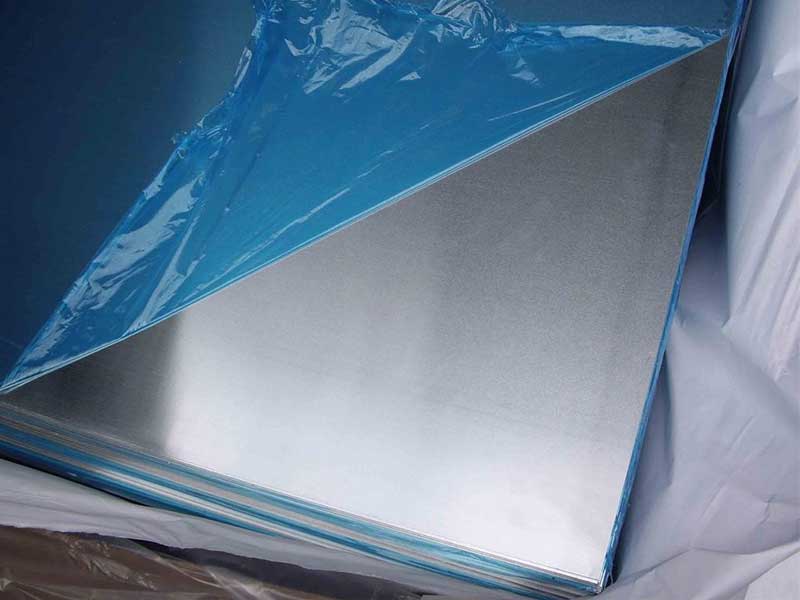

5052 H32 polished Aluminum sheet for tankers
What "5052-H32 Polished" Means
- 5052: An Al-Mg alloy (magnesium is the primary strengthening element). It is non-heat-treatable and gains strength primarily through cold work.
- H32 temper: Strain-hardened and then stabilized (partial anneal). This temper balances strength + ductility, making it easier to form tanker radii and heads without cracking.
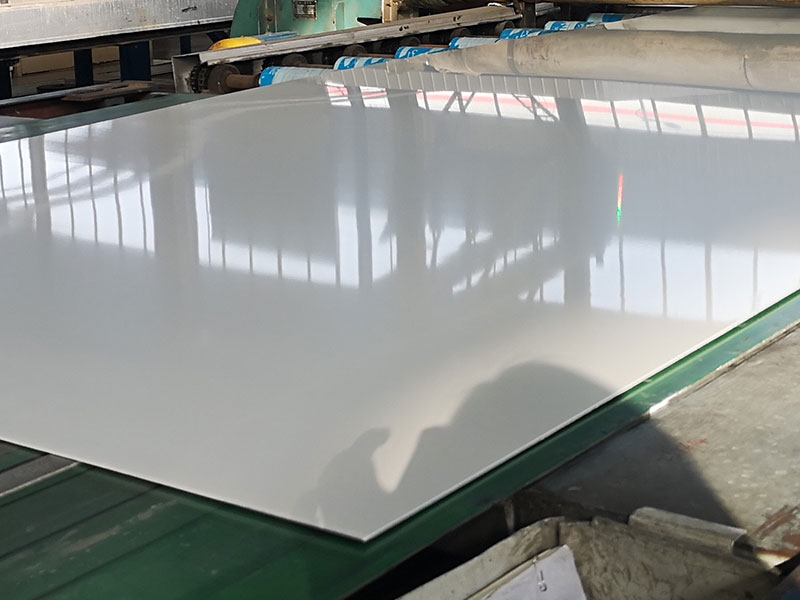
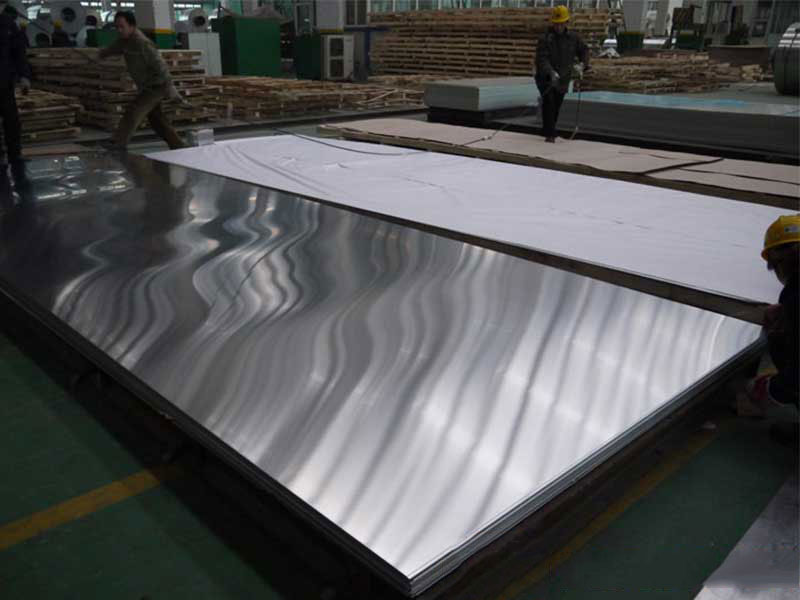
- Polished finish: Mechanically refined surface (often "bright" or near-mirror depending on grit sequence). For tanker panels, polishing is used for reduced dirt pickup, faster washdown, and consistent visual quality.
Features for Tanker Use
1) Corrosion resistance where tankers suffer most
5052 is widely regarded as one of the best general-purpose corrosion-resistant aluminum alloys, especially in:
- Road salt and chloride splash
- Industrial atmospheres
- Moisture traps around weld seams and fasteners
- Mild chemical exposure (non-strong alkali)
The Mg content improves resistance versus many 6xxx sheet options, particularly for pitting and filiform corrosion on exposed surfaces.
2) A strength–formability balance suited to shells and heads
Tanker fabrication demands bending, rolling, and sometimes deep forming. H32 provides:
- Enough yield strength to reduce oil-canning and denting
- Enough elongation to form large radii, knuckles, and transitions with lower crack risk than harder tempers
3) Polished surface = faster cleaning, better inspection
Polished sheet is not only cosmetic:
- Washdown efficiency improves because residues release more easily from a smoother profile.
- Visual inspection (stains, leaks, corrosion onset) is clearer on uniform reflective surfaces.
- Branding and fleet appearance are enhanced, especially for food-grade and specialty carriers.
4) Weldability and joining compatibility
5052 welds well with common filler alloys and methods used in tanker shops (GMAW/MIG, GTAW/TIG). For many structures, the design leverages:
- Continuous weld seams for leak-tightness
- Reinforced pads and baffles where fatigue and vibration concentrate
(As with all aluminum weldments, expect softening in the heat-affected zone; design accordingly.)
Typical Chemical Composition (5052)
Values below are typical limits used in common standards for AA 5052. Confirm against your governing specification and mill test certificate (MTC).
| Element | Composition (wt%) |
|---|---|
| Magnesium (Mg) | 2.2 – 2.8 |
| Chromium (Cr) | 0.15 – 0.35 |
| Silicon (Si) | ≤ 0.25 |
| Iron (Fe) | ≤ 0.40 |
| Copper (Cu) | ≤ 0.10 |
| Manganese (Mn) | ≤ 0.10 |
| Zinc (Zn) | ≤ 0.10 |
| Titanium (Ti) | ≤ 0.10 |
| Aluminum (Al) | Balance |
Why it matters: Mg drives strength and corrosion performance; Cr improves resistance to stress corrosion and helps stabilize microstructure during forming and service.
Mechanical Properties (5052-H32, Sheet)
Typical values; exact properties vary with thickness and standard.
| Property | Typical Value |
|---|---|
| Ultimate tensile strength (UTS) | 215 – 260 MPa |
| Yield strength (0.2% offset) | 160 – 200 MPa |
| Elongation (A50) | 8 – 15% |
| Brinell hardness (HBW) | ~60 – 70 |
| Modulus of elasticity | ~70 GPa |
| Density | ~2.68 g/cm³ |
Practical takeaway for tanker panels: H32 is stiff enough to keep shape under handling and road vibration, yet ductile enough to roll into shells and form end heads with controlled springback.
Technical Specifications (Typical Supply Range)
| Parameter | Common Options for Tanker Projects |
|---|---|
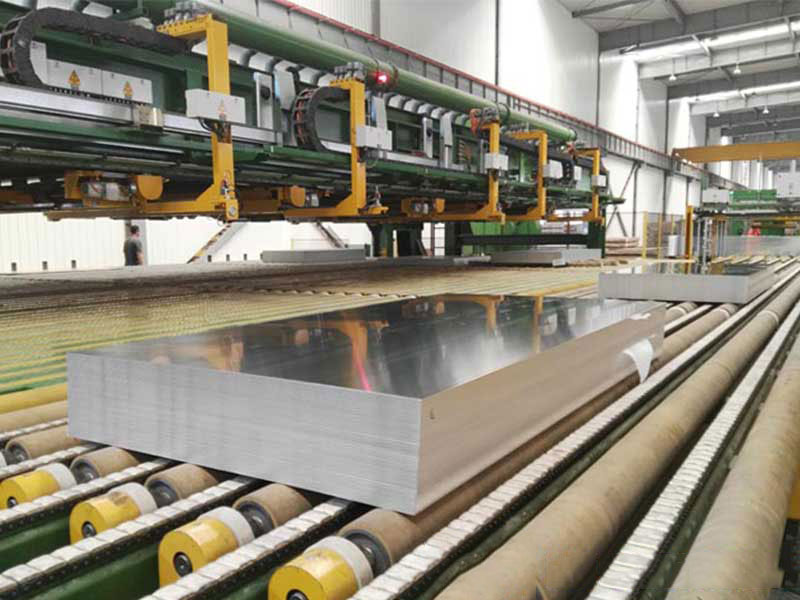
| Product form | Polished aluminum sheet / plate (thin plate) |
| Alloy / temper | 5052-H32 |
| Thickness | 1.5 – 8.0 mm (common), thicker available by request |
| Width | 1000 – 2000 mm (typical), custom slit widths possible |
| Length | 2000 – 6000 mm (typical), cut-to-length available |
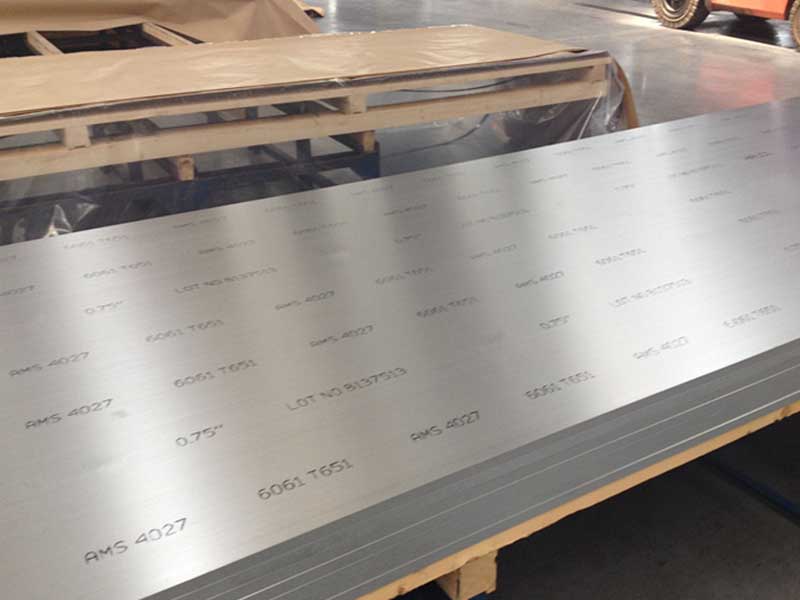
| Surface finish | Mechanical polish (customer-defined grit/brightness), protective film optional |
| Flatness control | Standard / improved flatness for skin panels |
| Edge | Mill edge or trimmed edge |
| Standards (typical) | ASTM B209 / EN 485 (project-dependent) |
| Certification | Mill Test Certificate (chemical & mechanical), traceability per coil/lot |
Performance Advantages in Tanker Service
Corrosion and appearance retention
For external tanker skins and splash zones, 5052's corrosion behavior helps reduce:
- Pitting initiation around scratches
- Underfilm corrosion when protective films are removed late in fabrication
- "Patchy" appearance that can develop on less resistant alloys
Polishing further supports appearance consistency across panels and replacement parts.
Fatigue behavior under vibration and sloshing
Tankers see cyclic loading from:
- Sloshing impulses
- Road vibration and torsion
- Thermal cycles from sun/shade and washdown
5052's stable, non-heat-treatable structure tends to perform reliably when designs avoid sharp notches and weld details follow good practice (smooth transitions, adequate radii, controlled distortion).
Forming and fabrication efficiency
H32 is a "sweet spot" temper:
- Easier rolling of cylindrical shells with fewer passes
- Lower risk of edge cracking during bending than harder H34/H36
- Cleaner formed surfaces (important when the finish is polished)
Common Applications in Tankers
| Tanker Component / Use Case | Why 5052-H32 Polished Fits |
|---|---|
| Outer shell panels / cladding | Corrosion resistance + dent resistance + clean appearance |
| End caps and formed heads | Good formability with stable strength |
| Baffles and internal stiffeners (non-critical chemical exposure) | Fatigue tolerance and weldability |
| Side skirts, splash guards, protective shrouds | Salt-splash corrosion resistance, easy washdown |
| Access covers, trim panels, equipment guards | Polished look and long service life |
| Food-grade or clean-service external surfaces | Smooth finish supports hygiene and inspection |
Note: For certain cargoes (strong caustics/alkalis, aggressive chemicals), confirm chemical compatibility and consider lining, alternative alloys, or stainless solutions as required by the transport code and operator standards.
Specification Tips (How Customers Should Order)
To get the performance you expect, specify these items clearly:
- Alloy/temper: AA 5052-H32
- Thickness + tolerance: match forming method and stiffness requirements
- Finish definition: polishing level (e.g., satin vs bright), directionality (unidirectional vs cross), and whether cosmetic side is "A-side"
- Protective film: recommended for polished sheets to prevent handling scratches
- Flatness requirement: especially for large skin panels to avoid waviness after installation
- Inspection/certification: MTC, compliance standard (ASTM B209 / EN 485), and any customer-specific QC (surface acceptance, scratch limits)
| Benefit | What It Means in Operation |
|---|---|
| Long-term corrosion resistance | Less rework, fewer cosmetic failures, better resale value |
| Balanced strength & formability | Faster fabrication, lower scrap, predictable forming |
| Polished cleanable surface | Reduced wash time, easier inspection, premium appearance |
| Good weldability | Reliable assembly of tanker structures and attachments |
| Lightweight | Higher payload potential and improved fuel efficiency versus steel designs |
https://www.aluminumplate.net/a/5052-h32-polished-aluminum-sheet-for-tankers.html