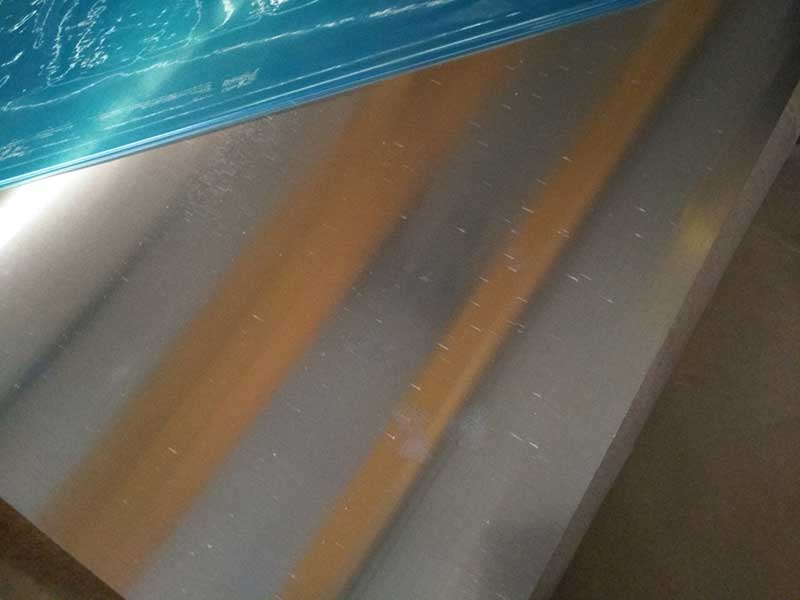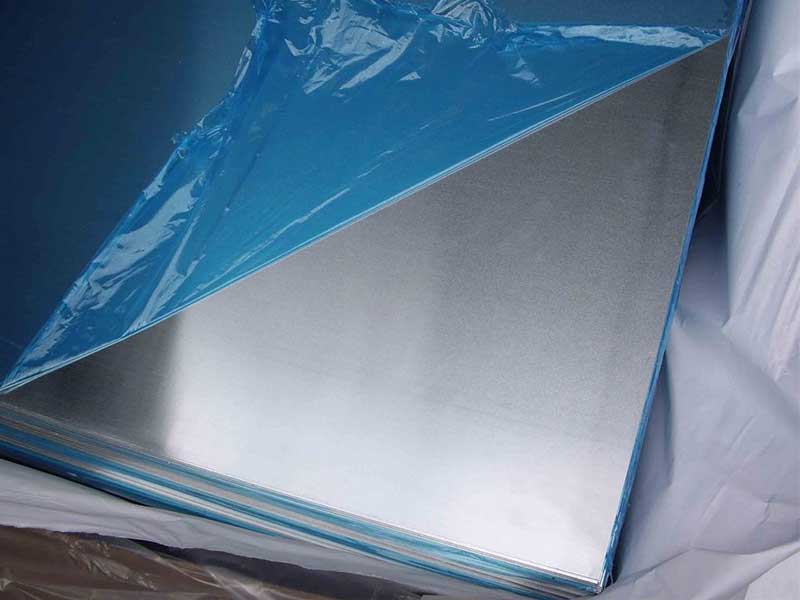

3003 3004 Aluminum Coil for CTP Ctcp PS Plate
In the printing industry, people often focus on coating technology, imaging resolution, and press performance. Yet behind every reliable CTP, CTCP, and PS plate, there is a less visible but decisive material: the aluminum coil substrate. Among many options, 3003 and 3004 aluminum coil have become important choices for plate manufacturing because they offer a balanced combination of formability, surface quality, strength, and chemical stability. From a practical viewpoint, these alloys are not simply raw materials. They are the structural base that determines whether a printing plate can achieve uniform coating, precise imaging, stable running on press, and consistent print quality from beginning to end.
Why 3003 and 3004 Aluminum Coil Matter for CTP, CTCP, and PS Plate
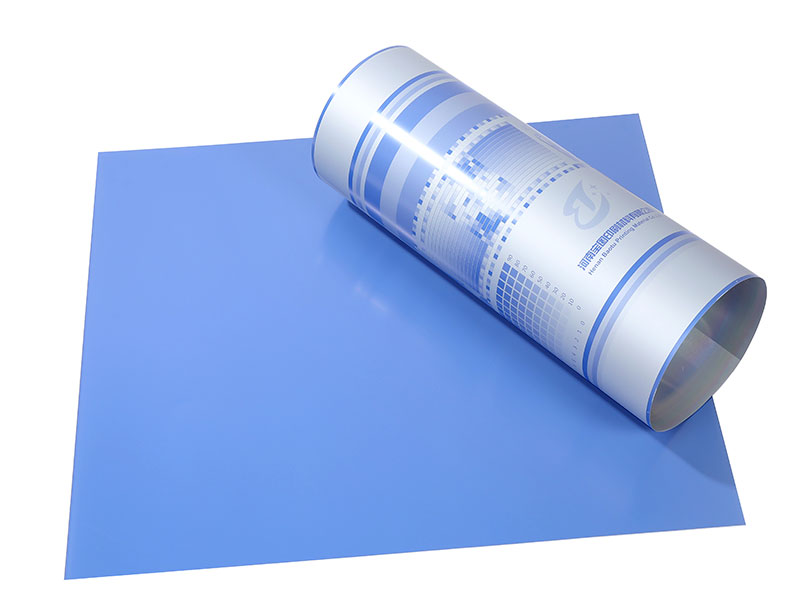
CTP plate, CTCP plate, and traditional PS plate all require an aluminum base with excellent flatness, clean surface condition, good grainability, and stable mechanical behavior. The substrate must be easy to process through degreasing, roughening, anodizing, and coating, while also resisting deformation during storage, exposure, development, and printing.
This is where 3003 aluminum coil and 3004 aluminum coil stand out. Both belong to the Al-Mn alloy family, known for good corrosion resistance and workable strength. Their performance is especially suitable for lithographic plate production, where the aluminum must support delicate surface treatments and keep dimensional stability under repeated mechanical and chemical stress.
From a distinctive perspective, these alloys act like a "silent coordinator" in plate manufacturing. They do not print the image, but they control whether the plate surface can hold a high-quality photosensitive coating, whether electrochemical graining will be even, and whether the finished plate can endure the friction and dampening conditions of high-speed offset printing.
Functional Value in Plate Manufacturing
The first function of 3003 and 3004 aluminum coil is surface adaptability. In CTP and PS plate production, the aluminum substrate must accept electrochemical graining and anodizing evenly. A uniform metallurgical structure helps create a consistent micro-roughened surface, which improves water retention in non-image areas and enhances coating adhesion. This directly affects plate sensitivity, dot reproduction, and printing durability.
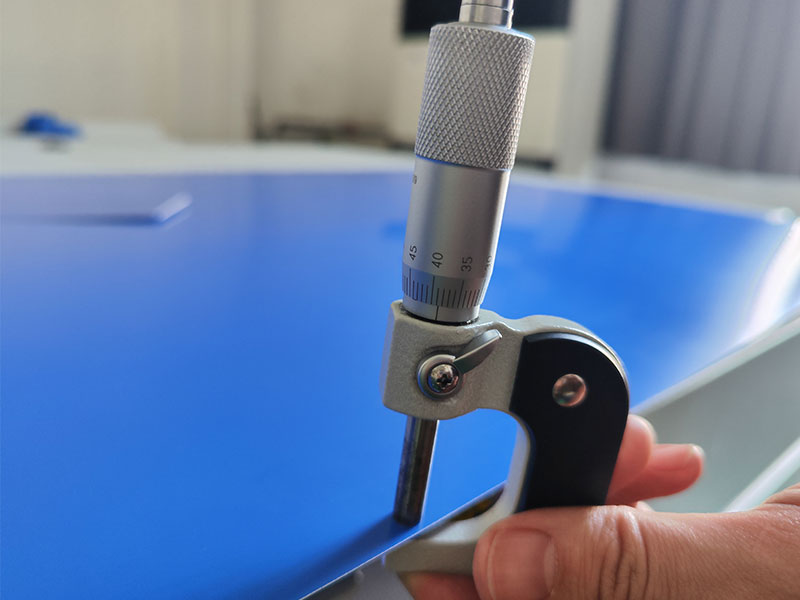
Another important function is dimensional and mechanical stability. Printing plates are thin products, often in the range of 0.13 mm to 0.40 mm, and even small shape deviations can affect plate mounting and registration. 3003 and 3004 coils provide the right combination of flexibility and strength, making them easier to process into ultra-flat sheets without excessive brittleness.
A third function is chemical reliability. During plate production, the aluminum substrate contacts acidic and alkaline solutions, oxidation baths, and coating materials. The good corrosion resistance of Al-Mn alloys helps maintain substrate integrity throughout these stages. In practical terms, this means fewer surface defects, lower scrap rates, and more stable final plate quality.
3003 vs 3004: A Practical Technical View
Although 3003 and 3004 are often grouped together, they are not identical. 3003 aluminum coil is valued for its excellent workability and stable corrosion resistance. It is suitable when manufacturers prioritize consistent forming behavior, smooth processing, and good economy.
3004 aluminum coil contains magnesium in addition to manganese, giving it somewhat higher strength than 3003. For plate makers, this can be useful when the substrate must maintain better rigidity while still allowing rolling, leveling, graining, and anodizing operations. In fast production lines or for plates requiring strong dimensional control, 3004 may offer an advantage.
From the perspective of plate performance, 3003 can be seen as a material emphasizing process friendliness, while 3004 leans toward enhanced structural stability. The best choice depends on production route, plate type, thickness, and the final printer's requirements.
Typical Product Parameters
The common specifications for 3003 3004 aluminum coil for CTP CTCP PS plate usually include:
| Item | Typical Range / Condition |
|---|---|
| Alloy | 3003, 3004 |
| Temper | H18, H19, H26, H28, O |
| Thickness | 0.13 mm – 0.40 mm |
| Width | 500 mm – 1500 mm |
| Inner Diameter | 150 mm, 300 mm, 405 mm, 505 mm |
| Surface | Mill finish, degreased, fine-rolled, plate-grade |
| Flatness | High precision, suitable for plate making |
| Tensile Strength | Depends on temper and alloy |
| Elongation | Depends on thickness and temper |
| Application | CTP plate, CTCP plate, PS plate substrate |
In real production, temper selection is especially important. Softer tempers such as O temper are suitable for deep processing where further treatment and flattening are required. Hard tempers such as H18 or H19 are preferred where higher rigidity and dimensional retention are necessary. Intermediate tempers like H26 and H28 provide a balance between strength and workability.
Chemical Composition of 3003 and 3004 Aluminum Coil
The chemical composition strongly influences corrosion behavior, surface treatment response, and mechanical performance. Typical values are as follows:
| Alloy | Si | Fe | Cu | Mn | Mg | Zn | Others | Al |
|---|---|---|---|---|---|---|---|---|
| 3003 | ≤0.60 | ≤0.70 | 0.05–0.20 | 1.0–1.5 | - | ≤0.10 | ≤0.15 | Balance |
| 3004 | ≤0.30 | ≤0.70 | ≤0.25 | 1.0–1.5 | 0.8–1.3 | ≤0.25 | ≤0.15 | Balance |
The manganese element improves strength and corrosion resistance, while magnesium in 3004 further increases mechanical strength. For printing plate substrate production, this chemistry helps create a good balance between rolling performance and final service behavior.
Common Implementation Standards
For international supply, 3003 and 3004 aluminum coils are generally produced according to recognized aluminum sheet and coil standards, depending on customer market and technical agreement. Common standards include:
| Standard | Description |
|---|---|
| ASTM B209 | Aluminum and aluminum-alloy sheet and plate |
| EN 485 | European standard for aluminum strip, sheet and plate |
| GB/T 3880 | Chinese standard for wrought aluminum and aluminum alloy sheets and strips |
| JIS H4000 | Japanese standard for aluminum sheet, plate, and strip |
In addition to base material standards, CTP and PS plate substrate buyers often request special controls over surface cleanliness, residual oil, edge condition, coil shape, roughness uniformity, and mechanical consistency. These custom requirements are often more critical than the general alloy standard itself.
Applications in Printing Plate Production
The main application of 3003 3004 aluminum coil is as substrate material for CTP plates, CTCP plates, and PS plates. In this field, the alloy coil is first rolled to precise gauge, then cleaned and surface-treated. After electrochemical graining and anodizing, it receives a photosensitive or thermal coating. The quality of the original aluminum directly affects coating anchorage and image development.
For CTP plates, especially thermal and UV-CTP systems, substrate consistency is essential for imaging precision and long press runs. For CTCP plates, the material must support stable coating and exposure under conventional plate-making systems. For PS plates, the aluminum must still deliver dependable hydrophilic performance and coating adhesion in traditional workflows.
Beyond printing plates, 3003 and 3004 coils are also used in packaging, roofing, heat exchangers, and decorative applications. However, plate-grade material has stricter surface and flatness requirements than many ordinary industrial uses.
What Buyers Should Really Focus On
When selecting aluminum coil for CTP, CTCP, or PS plate production, buyers should not only ask for alloy and thickness. More meaningful indicators include grain structure uniformity, surface cleanliness, residual stress control, flatness after slitting, and anodizing compatibility. These factors often determine whether the coil can be transformed into a premium printing plate with low defect rates.
From a manufacturing viewpoint, the best aluminum coil is not simply strong or cheap. It is the one that behaves predictably through every stage, from rolling and cleaning to graining, anodizing, coating, and final printing. That is why 3003 3004 aluminum coil for CTP CTCP PS plate remains highly valued: it offers a practical metallurgical platform for precision plate production.
https://www.aluminumplate.net/a/3003-3004-aluminum-coil-for-ctp-ctcp-ps-plate.html