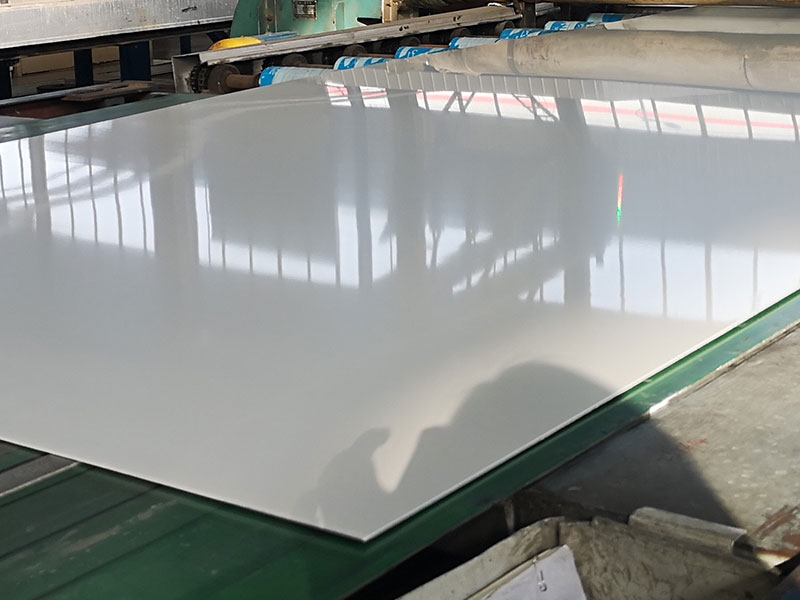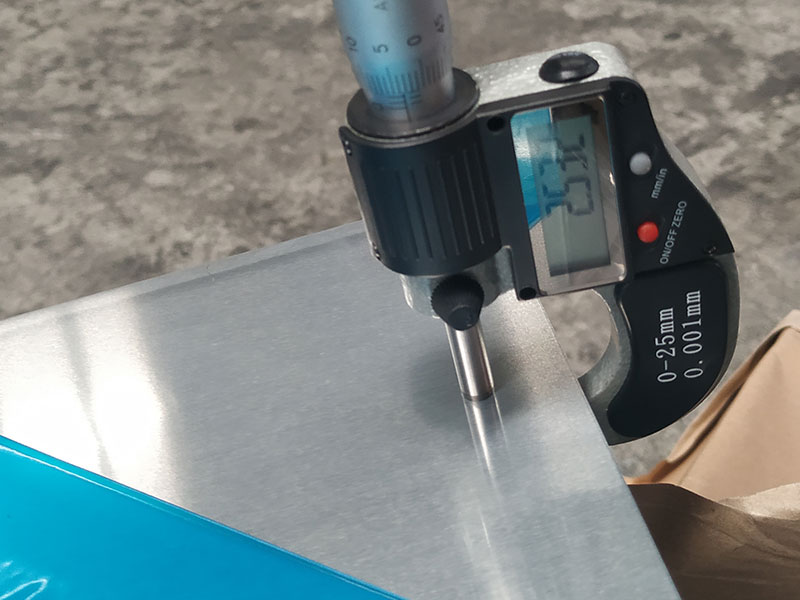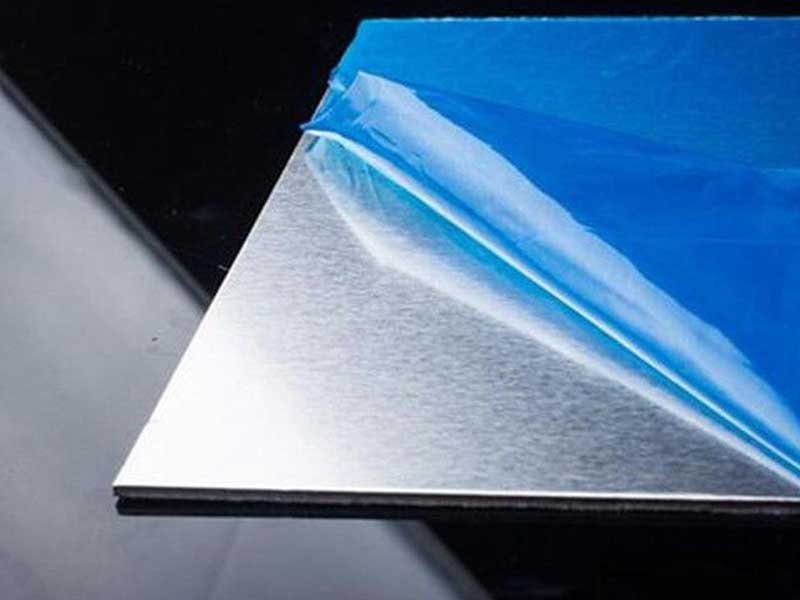

Perforated Aluminum Sheet for Decoration 1050 1060 1100 3003 5052
Perforated aluminum sheet is a lightweight, durable, and visually attractive material widely used in modern architectural and interior decoration projects. By punching precise holes into aluminum plate, manufacturers create panels that combine ventilation, light transmission, sound control, privacy, and decorative appeal in one product. Popular alloys for decorative perforated aluminum sheet include 1050, 1060, 1100, 3003, and 5052, each offering different balances of formability, strength, corrosion resistance, and surface quality.
For customers selecting decorative perforated aluminum sheet, the alloy type, temper, hole pattern, thickness, and applicable standards is essential. The following guide provides a concise but complete overview of its functions, applications, and technical details.
What Is Perforated Aluminum Sheet for Decoration?
Perforated aluminum sheet is aluminum plate or coil processed through punching, stamping, CNC perforation, or laser cutting to form uniform openings. The sheet can then be further treated by anodizing, powder coating, PVDF coating, brushing, polishing, or embossing to achieve the desired architectural effect.
Compared with steel, perforated aluminum offers decorative advantages:
- Low weight and easy installation
- Excellent corrosion resistance
- Smooth and attractive surface finish
- Good formability for curved or custom panels
- Strong weather resistance for indoor and outdoor use
- Recyclable and environmentally friendly material
Main Functions of Decorative Perforated Aluminum Sheet
Decorative perforated aluminum sheet is not only a visual material but also a functional building element.
| Function | Description |
|---|---|
| Decoration | Creates modern facades, ceilings, partitions, and cladding with customized hole shapes and patterns |
| Ventilation | Allows airflow in ceilings, screens, equipment covers, and facade systems |
| Light transmission | Filters sunlight and artificial light for dynamic visual effects |
| Privacy screening | Provides partial visual shielding while maintaining openness |
| Acoustic performance | Helps sound absorption when used with backing materials |
| Sun shading | Reduces solar heat gain in exterior architectural applications |
| Safety enclosure | Suitable for guards, covers, and protective decorative screens |
Common Applications
Perforated aluminum sheet for decoration is widely used across commercial, public, industrial, and residential spaces.
| Application Area | Typical Uses |
|---|---|
| Building facade | Curtain wall panels, exterior cladding, sunshade panels |
| Interior decoration | Ceiling panels, wall panels, room dividers, feature screens |
| Public buildings | Airports, stations, museums, shopping malls, stadiums |
| Furniture and fittings | Cabinet doors, radiator covers, display stands |
| Industrial decoration | Machine covers, equipment enclosures, ventilation panels |
| Landscape architecture | Fences, balcony panels, garden screens, pergola infill |
Common Alloys and Their Characteristics
Different aluminum grades are chosen according to decorative requirements, corrosion environment, and fabrication needs.
| Alloy | Series | Main Characteristics | Typical Decorative Use |
|---|---|---|---|
| 1050 | 1xxx | Very high aluminum purity, excellent corrosion resistance, excellent formability | Interior panels, light-duty decorative screens |
| 1060 | 1xxx | High purity, soft, easy to perforate and bend, good surface finish | Ceilings, wall panels, signage |
| 1100 | 1xxx | Good workability and corrosion resistance, slightly higher strength than 1050/1060 | Interior and exterior decorative panels |
| 3003 | 3xxx | Good corrosion resistance, better strength, Mn-added alloy, good formability | Facades, ceilings, partitions |
| 5052 | 5xxx | Higher strength, excellent corrosion resistance, especially in humid/coastal conditions | Exterior cladding, facade screens, durable decorative structures |
Alloy Temper Conditions
The temper condition affects mechanical properties, forming ability, and final application suitability.
| Alloy | Common Tempers | Features |
|---|---|---|
| 1050 | O, H14, H24 | O temper for maximum formability; H tempers for improved rigidity |
| 1060 | O, H14, H24 | Soft and suitable for punching, bending, and shaping |
| 1100 | O, H14, H24 | Good balance of workability and moderate strength |
| 3003 | O, H14, H24, H16 | Better structural performance with good decorative processing ability |
| 5052 | H32, H34, O | Higher strength and excellent corrosion resistance; suitable for demanding environments |
Chemical Composition
The following table shows typical chemical composition limits based on commonly referenced international aluminum standards. Exact values may vary slightly by standard and supplier.
| Alloy | Al (%) | Si (%) | Fe (%) | Cu (%) | Mn (%) | Mg (%) | Zn (%) | Cr (%) | Others |
|---|---|---|---|---|---|---|---|---|---|
| 1050 | ≥ 99.50 | ≤ 0.25 | ≤ 0.40 | ≤ 0.05 | ≤ 0.05 | ≤ 0.05 | ≤ 0.05 | - | Each ≤ 0.03, total ≤ 0.10 |
| 1060 | ≥ 99.60 | ≤ 0.25 | ≤ 0.35 | ≤ 0.05 | ≤ 0.03 | ≤ 0.03 | ≤ 0.05 | - | Each ≤ 0.03, total ≤ 0.10 |
| 1100 | ≥ 99.00 | Si+Fe: ≤ 0.95 | - | 0.05–0.20 | ≤ 0.05 | - | ≤ 0.10 | - | Each ≤ 0.05, total ≤ 0.15 |
| 3003 | Remainder | ≤ 0.60 | ≤ 0.70 | 0.05–0.20 | 1.0–1.5 | - | ≤ 0.10 | - | Each ≤ 0.05, total ≤ 0.15 |
| 5052 | Remainder | ≤ 0.25 | ≤ 0.40 | ≤ 0.10 | ≤ 0.10 | 2.2–2.8 | ≤ 0.10 | 0.15–0.35 | Each ≤ 0.05, total ≤ 0.15 |
Mechanical and Physical Characteristics
Values below are typical reference ranges and may vary with thickness and temper.
| Alloy / Temper | Tensile Strength (MPa) | Yield Strength (MPa) | Elongation (%) | Density (g/cm³) | Notes |
|---|---|---|---|---|---|
| 1050-O | 60–95 | ≥ 20 | ≥ 25 | 2.71 | Very soft, excellent forming |
| 1060-O | 60–95 | ≥ 15 | ≥ 25 | 2.70 | High ductility, easy perforation |
| 1100-H14 | 110–145 | ≥ 95 | ≥ 5 | 2.71 | Good decorative rigidity |
| 3003-H14 | 120–160 | ≥ 95 | ≥ 5 | 2.73 | Popular architectural alloy |
| 5052-H32 | 210–260 | ≥ 130 | ≥ 7 | 2.68 | High strength and corrosion resistance |
Technical Specifications
Perforated aluminum sheet can be produced in a wide range of sizes and patterns for decorative projects.
| Parameter | Typical Range |
|---|---|
| Material thickness | 0.5 mm – 6.0 mm |
| Width | 500 mm – 2000 mm |
| Length | 1000 mm – 6000 mm |
| Hole diameter | 0.8 mm – 100 mm |
| Open area | Approximately 5% – 70% |
| Hole pattern | Round, square, slotted, hexagonal, diamond, custom design |
| Edge margin | Customized according to fabrication and installation needs |
| Surface treatment | Mill finish, anodized, powder coated, PVDF coated, brushed, polished |
| Color options | Natural aluminum, white, black, silver, bronze, champagne, custom RAL colors |
Implementation Standards
Decorative perforated aluminum sheet is usually produced according to recognized aluminum sheet and architectural processing standards.
| Standard | Scope |
|---|---|
| ASTM B209 | Standard specification for aluminum and aluminum-alloy sheet and plate |
| EN 485 | Aluminum and aluminum alloys sheet, strip and plate for general engineering uses |
| EN 573 | Chemical composition and form of wrought aluminum alloys |
| EN 515 | Temper designation system for wrought aluminum alloys |
| GB/T 3880 | Aluminum and aluminum alloy sheets and plates |
| JIS H4000 | Aluminum and aluminum alloy plates, sheets, and strips |
| ISO 9001 | Quality management system for manufacturing control |
Decorative Processing and Surface Options
The decorative value of perforated aluminum sheet depends heavily on surface treatment and precision processing.
| Process | Purpose |
|---|---|
| CNC punching | High-efficiency production of uniform hole patterns |
| Laser cutting | Fine custom patterns and complex decorative shapes |
| Bending/forming | Produces trays, cassettes, curves, and screen modules |
| Anodizing | Improves corrosion resistance and metallic appearance |
| Powder coating | Provides color variety and good indoor/outdoor durability |
| PVDF coating | Premium exterior weather resistance for facade applications |
| Brushing/polishing | Enhances premium interior decorative effect |
Why 3003 and 5052 Are Popular for Exterior Decoration
For exterior projects, 3003 and 5052 are often preferred over pure aluminum grades because they offer better mechanical stability. 3003 perforated aluminum sheet is cost-effective and easy to fabricate, making it a common choice for facade cladding and suspended ceilings. 5052 perforated aluminum sheet has higher strength and superior resistance to moisture and salt-laden environments, making it ideal for coastal buildings, transportation terminals, and durable outdoor screens.
Meanwhile, 1050, 1060, and 1100 remain excellent options for indoor decoration where deep forming, bright appearance, and easy punching are priorities.
Selection Considerations
When choosing decorative perforated aluminum sheet, buyers should compare the following factors:
| Selection Factor | Recommendation |
|---|---|
| Indoor use | 1050, 1060, 1100, 3003 |
| Outdoor use | 3003, 5052 |
| High formability | 1050-O, 1060-O, 1100-O |
| Better rigidity | 1100-H14, 3003-H14, 5052-H32 |
| Coastal or humid environment | 5052 |
| Premium color-coated facade | 3003 or 5052 with PVDF coating |