
Aluminum sign blanks
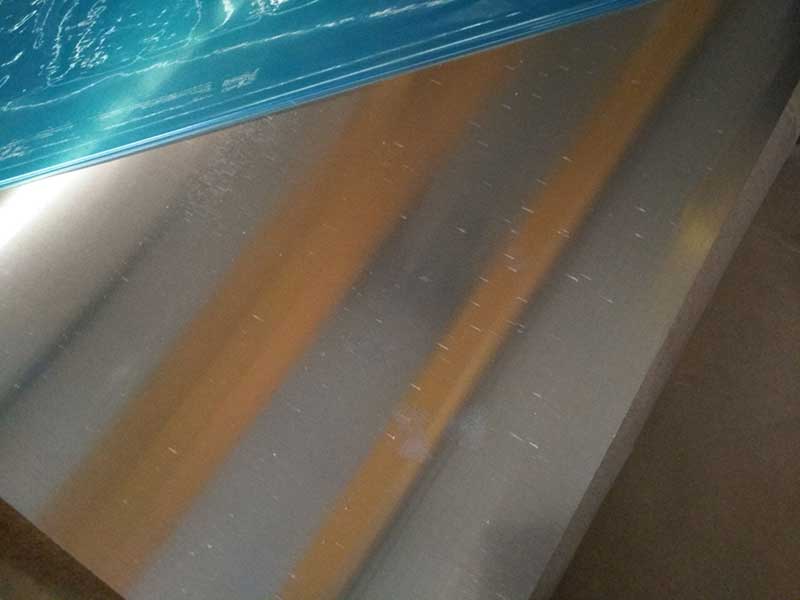
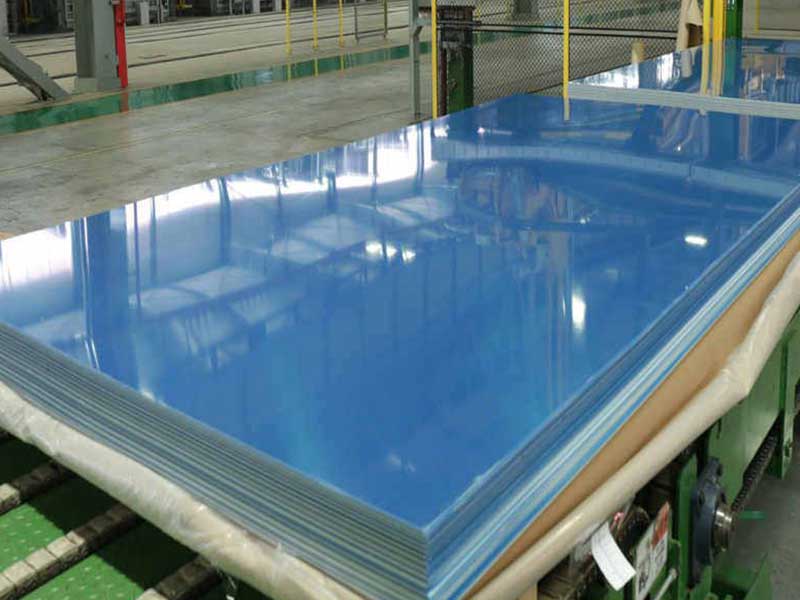
Aluminum sign blanks are pre-cut, pre-finished aluminum panels designed for making traffic signs, parking signs, wayfinding boards, safety notices, branded plates, and custom identification signage. They combine low weight, corrosion resistance, excellent surface quality, and long service life, making them one of the most practical substrates for indoor and outdoor signs.
For customers choosing sign materials, the value of aluminum sign blanks is simple: they are durable, easy to fabricate, visually clean, and compatible with reflective sheeting, paint, screen printing, UV printing, and vinyl graphics. Whether the project involves municipal road signs or custom commercial branding, aluminum sign blanks offer reliable performance with low maintenance.
What Are Aluminum Sign Blanks?
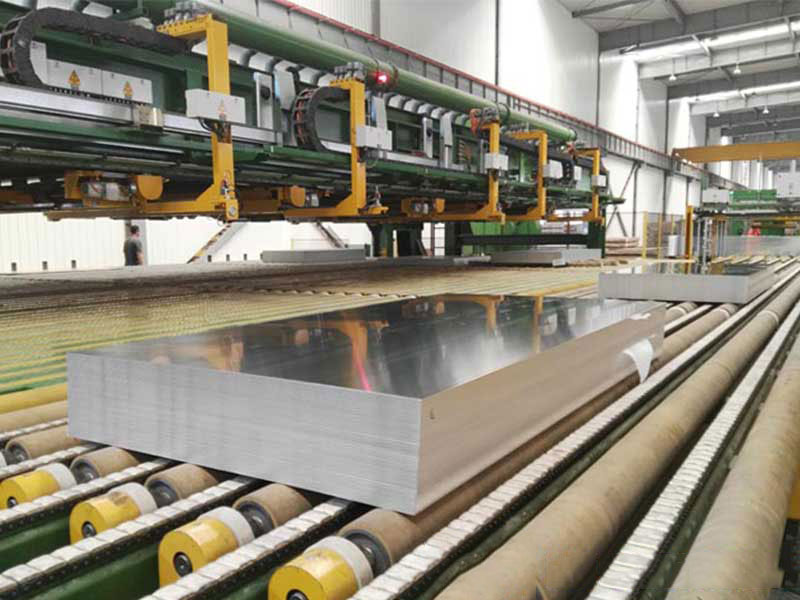
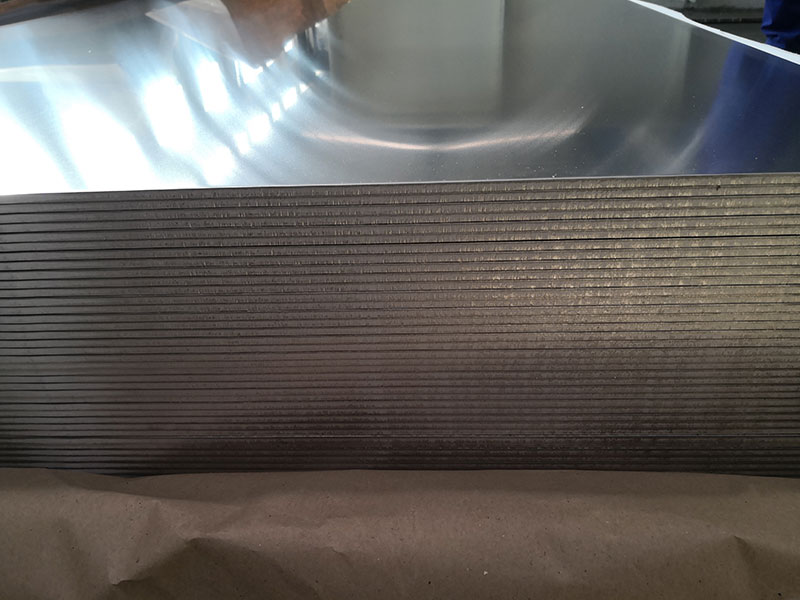
An aluminum sign blank is a flat sheet or formed plate made from aluminum alloy, usually cut into standard shapes such as rectangles, squares, circles, octagons, or custom profiles. Depending on the application, blanks may be supplied with rounded corners, mounting holes, deburred edges, and surface treatments optimized for printing or reflective film lamination.
Common manufacturing routes include:
- Shearing or CNC cutting from coil or sheet
- Corner rounding and punching
- Surface cleaning and pretreatment
- Optional reflective sheeting or painted finish
- Packaging for direct fabrication or installation
Because aluminum naturally forms a protective oxide layer, it performs exceptionally well in outdoor environments compared with steel or wood-based sign materials.
Features of Aluminum Sign Blanks
1. Lightweight but Strong
Aluminum provides an excellent strength-to-weight ratio. This makes transportation, handling, and installation easier, especially for large-format signs, pole-mounted traffic signs, and wall-mounted commercial signage.
2. Excellent Corrosion Resistance
One of the main reasons aluminum is preferred for signage is its natural resistance to rust. In humid, rainy, coastal, and industrial environments, aluminum sign blanks maintain structural integrity far better than many alternative materials.
3. Smooth Surface for Graphics
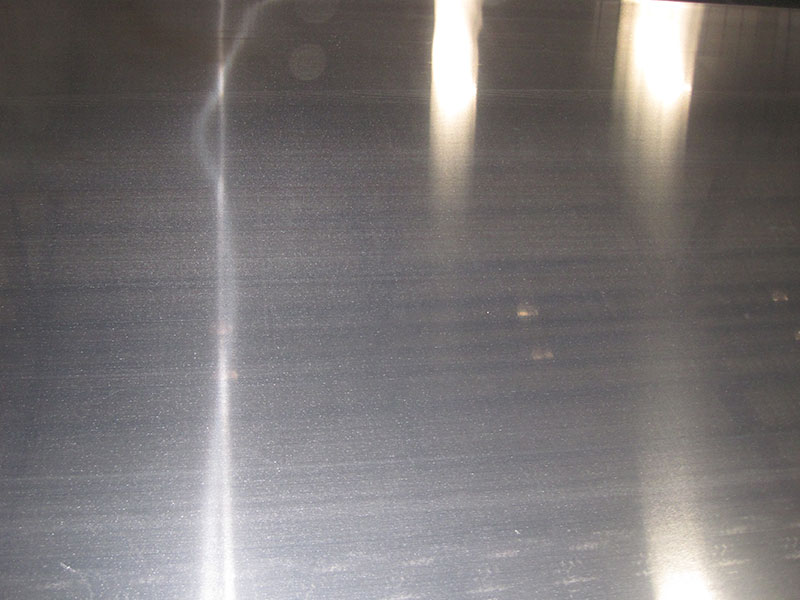
A clean and uniform surface is essential for reflective sheeting, paint adhesion, digital printing, and vinyl application. Aluminum sign blanks can be supplied with mill finish, pretreated finish, painted finish, or coil-coated surfaces to support different graphic systems.
4. Good Fabrication Performance
Aluminum sign blanks are easy to cut, drill, punch, rivet, bend, and mount. This helps manufacturers and sign shops reduce processing time and improve production efficiency.
5. Long Service Life
For road traffic signs and permanent information signs, service life is a major consideration. Aluminum blanks are known for long-term outdoor durability, especially when paired with quality coatings or reflective materials.
Common Alloys Used for Aluminum Sign Blanks
In practical production, alloys such as 1050, 1060, 1100, 3003, and 5052 are commonly used depending on strength, formability, and corrosion resistance requirements.
Typical Alloy Comparison
| Alloy | Main Characteristics | Typical Use in Sign Blanks |
|---|---|---|
| 1050 | High purity, excellent corrosion resistance, good workability | General signage, printed panels |
| 1060 | Very good formability, strong corrosion resistance | Decorative and commercial signs |
| 1100 | Soft, workable, good surface quality | Indoor signs, nameplates |
| 3003 | Mn-containing alloy, better strength than 1xxx series | Outdoor signs, general purpose blanks |
| 5052 | Higher strength, excellent corrosion resistance, especially in moist environments | Heavy-duty, marine-adjacent, premium outdoor signs |
Chemical Composition
Below is a reference chemical composition table for commonly used sign blank alloys. Actual values may vary by standard and supplier.
| Alloy | Al (%) | Mn (%) | Mg (%) | Cu (%) | Fe (%) | Si (%) | Zn (%) | Other |
|---|---|---|---|---|---|---|---|---|
| 1050 | ≥ 99.50 | - | - | ≤ 0.05 | ≤ 0.40 | ≤ 0.25 | ≤ 0.05 | Trace |
| 1060 | ≥ 99.60 | - | - | ≤ 0.05 | ≤ 0.35 | ≤ 0.25 | ≤ 0.05 | Trace |
| 1100 | ≥ 99.00 | ≤ 0.05 | - | 0.05–0.20 | ≤ 0.95 | ≤ 0.95 | ≤ 0.10 | Trace |
| 3003 | Balance | 1.0–1.5 | - | 0.05–0.20 | ≤ 0.70 | ≤ 0.60 | ≤ 0.10 | Trace |
| 5052 | Balance | ≤ 0.10 | 2.2–2.8 | ≤ 0.10 | ≤ 0.40 | ≤ 0.25 | ≤ 0.10 | Cr 0.15–0.35 |
Mechanical Properties
Mechanical performance depends on alloy and temper. For sign blanks, formability and flatness are often as important as pure strength.
| Alloy / Temper | Tensile Strength (MPa) | Yield Strength (MPa) | Elongation (%) | Performance Note |
|---|---|---|---|---|
| 1050 H14 | 95–125 | ≥ 75 | 2–10 | Soft, workable, economical |
| 1060 H14 | 95–125 | ≥ 75 | 3–12 | Excellent forming and surface finish |
| 1100 H14 | 110–145 | ≥ 95 | 3–10 | Good for stamped and printed signs |
| 3003 H14 | 120–160 | ≥ 95 | 3–10 | Balanced strength and corrosion resistance |
| 5052 H32 | 210–260 | ≥ 130 | 6–12 | Stronger, suitable for demanding outdoor use |
Technical Specifications
Aluminum sign blanks can be manufactured in many dimensions and finishing options.
| Parameter | Typical Range / Option |
|---|---|
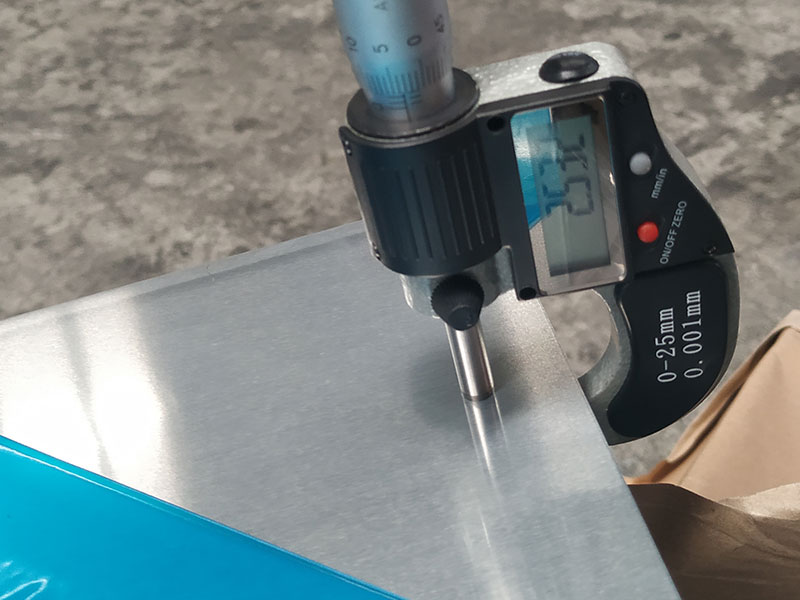
| Thickness | 0.5 mm – 3.0 mm |
| Common Thicknesses | 0.8 mm, 1.0 mm, 1.2 mm, 1.6 mm, 2.0 mm |
| Width | 100 mm – 1500 mm |
| Length | Custom cut to order |
| Shapes | Rectangle, square, circle, triangle, octagon, custom CNC profile |
| Corner Style | Square, radius corners, rounded corners |
| Hole Processing | No holes, punched holes, slotted holes, custom mounting patterns |
| Surface Finish | Mill finish, brushed, pretreated, painted, anodized, reflective laminated |
| Temper | O, H14, H24, H32 |
| Protective Film | Optional PVC or PE film |
| Standards | ASTM, EN, GB, customer drawing |
Surface Options and Performance
Surface treatment is critical because sign visibility and durability depend heavily on coating adhesion and weather resistance.
| Surface Option | Advantages | Typical Applications |
|---|---|---|
| Mill Finish | Economical, good for further processing | Base blank for printing or coating |
| Pretreated Surface | Improved adhesion for paint and film | Reflective road signs |
| Painted / Coil Coated | Decorative, weather-resistant, ready to use | Branding, commercial signage |
| Anodized | Enhanced corrosion resistance, premium appearance | Architectural and indoor premium signs |
| Reflective Sheeting Applied | High visibility, night-time performance | Traffic and safety signage |
Main Applications
Aluminum sign blanks serve a wide range of industries because they are adaptable to both functional and decorative purposes.
Traffic and Road Signs
They are widely used for stop signs, speed limit signs, directional signs, warning signs, and municipal street signage. Their corrosion resistance and compatibility with reflective film make them ideal for long-term outdoor use.
Parking and Facility Signs
Parking restrictions, reserved space signs, loading zone signs, and facility guidance boards commonly use aluminum blanks because they remain legible and structurally stable over time.
Commercial and Retail Signage
Shops, offices, hotels, and restaurants use aluminum sign blanks for logo plates, directional boards, branded signs, and promotional panels. Their clean appearance supports premium visual presentation.
Industrial and Safety Signs
Factories, warehouses, energy facilities, and construction sites require durable signs for hazard warnings, operating instructions, and identification labels. Aluminum performs well in harsh working environments.
Custom and Decorative Uses
Artists, sign makers, and OEM manufacturers also choose aluminum blanks for engraved plates, commemorative signs, machine tags, and decorative display panels.
Benefits for Customers
| Benefit | Customer Value |
|---|---|
| Corrosion Resistance | Longer service life and lower replacement cost |
| Light Weight | Easier shipping, handling, and installation |
| Flat, Clean Surface | Better print quality and reflective film adhesion |
| Good Workability | Faster punching, drilling, and fabrication |
| Wide Alloy Selection | Material can match budget and performance needs |
| Outdoor Durability | Reliable performance in rain, sun, and pollution |
| Recyclability | Sustainable material choice with scrap value |
How to Choose the Right Aluminum Sign Blank
Selecting the best sign blank depends on the service environment, fabrication method, and visual requirement.
| Selection Factor | Recommendation |
|---|---|
| Budget-sensitive indoor signs | 1050, 1060, or 1100 |
| General outdoor commercial signs | 3003 |
| High-humidity or coastal area | 5052 |
| Need for reflective sheeting | Pretreated flat surface |
| Need for strong rigidity | Increase thickness to 1.6 mm or above |
| Premium appearance | Painted or anodized finish |
| High-volume standard signs | Pre-punched, radius-corner blanks |
A thinner blank may work for lightweight indoor use, while road and pole-mounted signs often require thicker material for stiffness and wind resistance.
Why Aluminum Sign Blanks Stand Out
Compared with plastic, galvanized steel, or composite boards, aluminum sign blanks offer a strong combination of durability, appearance, and processing flexibility. They do not rust like steel, they generally outlast many plastics in outdoor exposure, and they remain easier to recycle at the end of service life.
For sign manufacturers, distributors, and project buyers, this means a lower total cost over time, fewer maintenance issues, and more dependable visual quality.