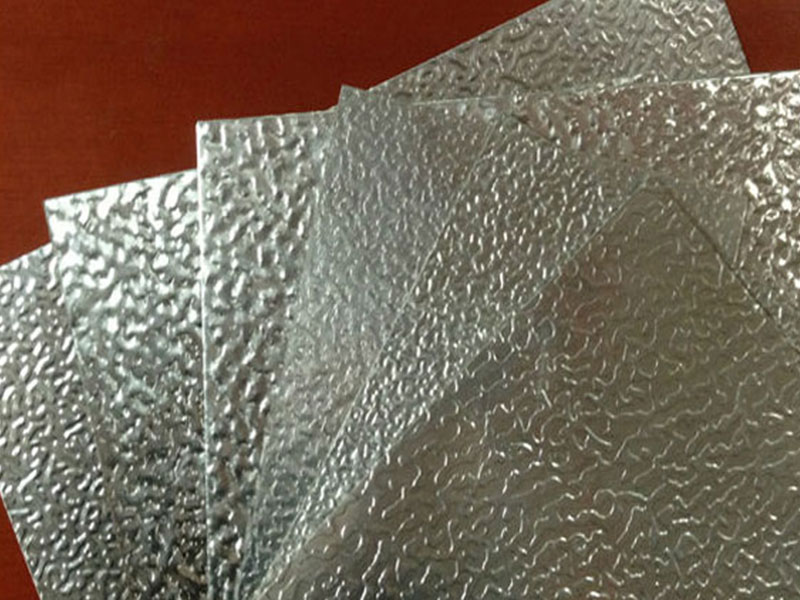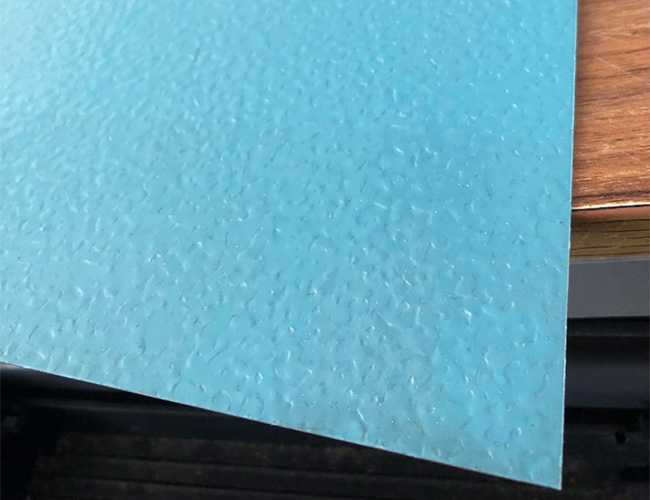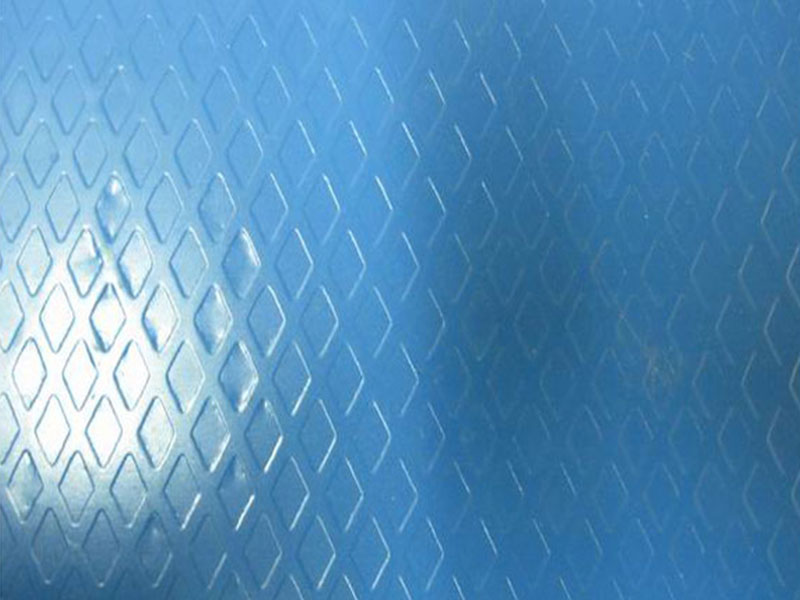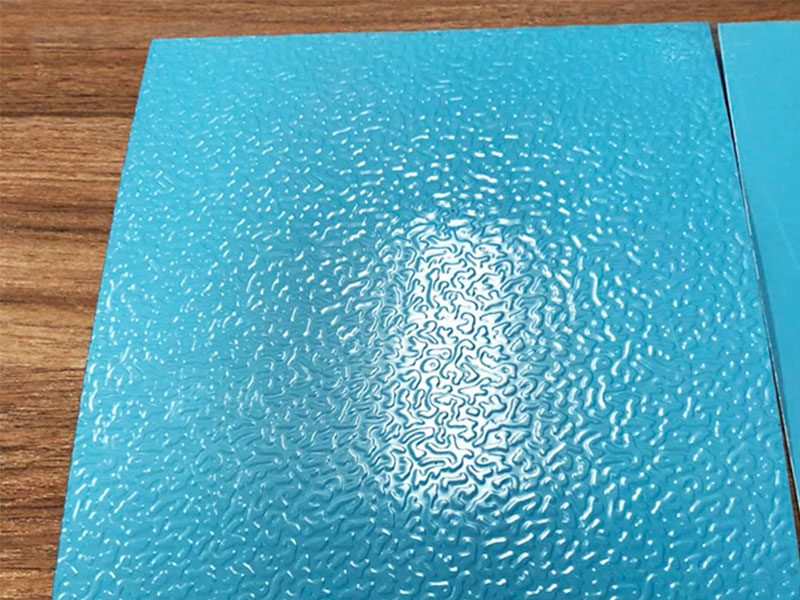

Aluminum tread plate Waterproof Pre Painted White Color Coated
Aluminum Tread Plate Waterproof Pre Painted White Color Coated: Where Traction Meets Clean Design
When most people hear "tread plate," they picture a purely industrial material-silver, raw, and chosen only for grip. But waterproof pre painted white color coated aluminum tread plate changes that story. It keeps the rugged, anti-slip geometry that makes tread plate practical, while adding a bright, controlled surface that looks intentional in modern architecture, transport, and hygienic facilities. From a distance it reads clean and minimal; up close it's engineered for traction, corrosion resistance, and long service life.
This product is often selected when you need the floor or panel to behave like equipment-grade aluminum, but you want the finished space to feel like a designed environment rather than a workshop. Think refrigerated vehicles, modular buildings, marine interiors, food-related staging areas, stair treads, utility rooms, walkways, ramps, and decorative protective wall panels. White isn't only a color choice-it improves visibility and makes dirt, spills, or safety hazards easier to spot during routine inspections.
What "Waterproof Pre Painted" Really Means
Aluminum itself naturally forms a thin oxide layer that resists corrosion. The "waterproof" performance in a pre-painted tread plate is elevated by a factory-applied coating system that acts as a barrier against moisture, salts, mild chemicals, and staining. Unlike field painting, coil or sheet coating is applied under tightly controlled conditions, typically including surface pretreatment and curing, which helps the coating bond consistently and reduces premature peeling.
In real-world use, waterproof performance is not just about rain. It's about repeated wet-dry cycles, condensation, washdowns, splash exposure, and cleaning agents. A quality coating system helps prevent pitting triggers and keeps the surface easier to sanitize, especially where water and grime might otherwise lodge around raised patterns.
The "White" Advantage: Safety, Hygiene, and Heat Management
White-coated tread plate has a subtle but meaningful functional edge:
- Better light reflectance improves visibility in corridors, vehicle interiors, and stair zones
- Easier cleaning validation in facilities that require hygiene checks
- Often lower heat absorption than dark surfaces, helpful for outdoor structures and sun-exposed transport equipment
- A neutral finish that integrates with architectural palettes, especially in public-facing environments
Typical Parameters Customers Care About
Actual availability varies by mill and coating line, but these are common specifications used for procurement and project matching:
Base material thickness: 1.0–6.0 mm (commonly 1.2, 1.5, 2.0, 3.0 mm)
Tread pattern height: typically 0.8–1.5 mm depending on pattern and thickness
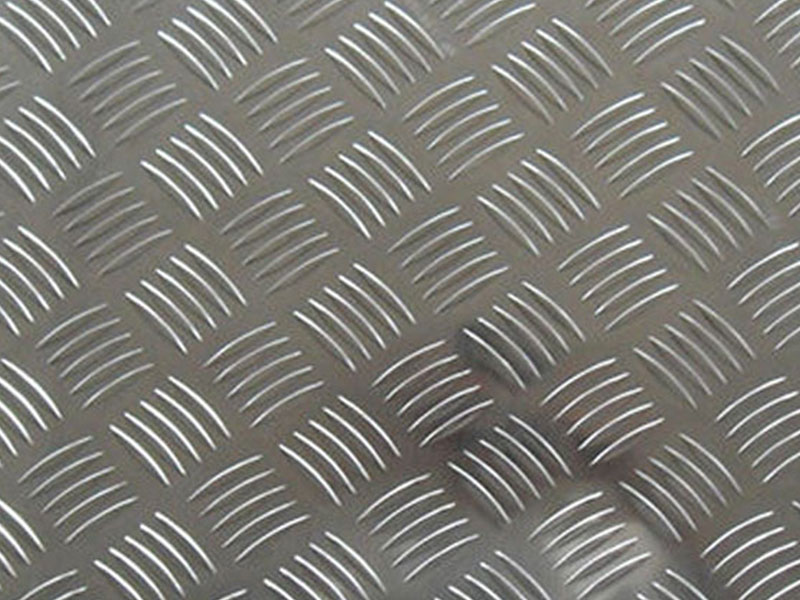
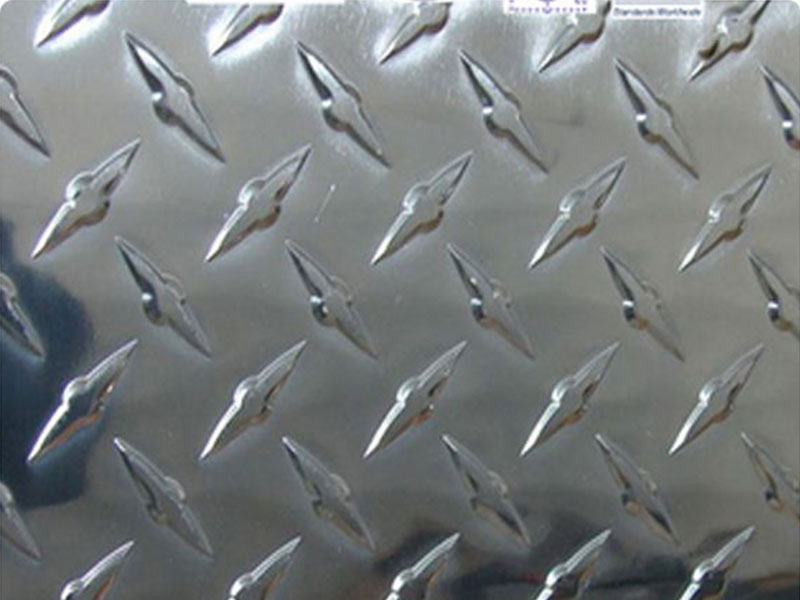
Common patterns: 5-bar (quintet), diamond, 3-bar, orange peel (less common)
Sheet width: 1000–1500 mm (common: 1000, 1220, 1250 mm)
Sheet length: 2000–6000 mm (common: 2000, 2440, 3000 mm), or cut-to-size
Coating thickness: typically 18–30 μm for top coat (system-dependent)
Color: White (often RAL 9003 or similar), gloss levels from matte to high gloss
Protective film: optional PE film to protect paint during fabrication and installation
If the application involves tight bending or complex forming, coating selection matters. Some paint systems are more formable and resist micro-cracking along bends.
Alloy and Temper: Strength vs Formability vs Corrosion Resistance
Choosing the right alloy is like choosing the "personality" of your tread plate. The coating adds protection and aesthetics, but the aluminum core still defines structural behavior, machinability, and long-term durability.
Common alloy choices
- 3003 (Al-Mn): widely used, excellent corrosion resistance and formability, moderate strength; a dependable general-purpose choice
- 5052 (Al-Mg): stronger than 3003 with excellent marine and salt resistance; ideal for transport, ramps, marine-related structures
- 6061 (Al-Mg-Si): higher strength, good machinability; more common where structural performance is prioritized, though formed tread plate in 6061 is less typical depending on supply
Typical tempers
- H14 / H24: strain-hardened tempers balancing strength and formability; common in tread plate sheets
- H32: commonly used with 5052; stable mechanical properties and good corrosion performance
- O (annealed): best formability, lower strength; used when deep forming is required
For coated tread plate, many customers choose 3003-H24 or 5052-H32 because they provide a solid balance of forming capability, flatness, and service durability.
Implementation Standards and Quality References
Depending on the region and project type, aluminum tread plate and coatings are typically produced and verified against recognized standards. Common references include:
- ASTM B209 for aluminum and aluminum-alloy sheet and plate
- EN 485 series for aluminum sheets/plates in European supply chains
- GB/T 3880 for aluminum and aluminum alloy sheets/plates (often used in Asia)
- Coating performance references often align with coil coating practices such as AAMA guidance or EN/ISO test methods for adhesion, hardness, and corrosion resistance
- Salt spray testing frequently uses ASTM B117 as a benchmark when required by customers
In purchasing, it's smart to specify both the metal standard and the coating test expectations: adhesion, pencil hardness, impact resistance, gloss, color tolerance, and corrosion testing requirements.
Coating System Options: PE vs PVDF (and Why It Matters)
White color coated tread plate typically uses one of these systems:
PE (Polyester)
Good cost-performance for interior and general outdoor use; solid color stability for many applications, easy to clean.
PVDF (Fluorocarbon)
Higher weathering resistance, better long-term color retention and chalk resistance; recommended for harsh UV exposure, coastal architecture, and premium exterior cladding.
If the tread plate is used outdoors where sunlight is constant, PVDF is often the safer long-term choice even if the initial cost is higher.
Chemical Composition Table (Typical Ranges)
Below are commonly referenced nominal composition limits for widely used tread plate alloys. Exact ranges depend on the governing standard and mill practice.
| Alloy | Si (%) | Fe (%) | Cu (%) | Mn (%) | Mg (%) | Cr (%) | Zn (%) | Ti (%) | Al |
|---|---|---|---|---|---|---|---|---|---|
| 3003 | ≤0.60 | ≤0.70 | 0.05–0.20 | 1.0–1.5 | ≤0.05 | - | ≤0.10 | - | Balance |
| 5052 | ≤0.25 | ≤0.40 | ≤0.10 | ≤0.10 | 2.2–2.8 | 0.15–0.35 | ≤0.10 | - | Balance |
| 6061 | 0.40–0.80 | ≤0.70 | 0.15–0.40 | ≤0.15 | 0.80–1.20 | 0.04–0.35 | ≤0.25 | ≤0.15 | Balance |
These alloying elements shape performance. Magnesium boosts strength and corrosion resistance in 5xxx alloys. Manganese supports work-hardening and durability in 3xxx alloys. Silicon and magnesium together allow heat-treat response in 6061.
Fabrication Notes: Getting a Clean Result Without Damaging the Finish
Pre-painted tread plate is designed to be installed as a finished surface, so fabrication should protect the coating. Cutting is commonly done by shearing, sawing, or CNC methods depending on thickness. Drilling and fastening are straightforward; stainless fasteners are often chosen to avoid rust staining. If bending is required, choose appropriate bend radius and confirm coating formability, especially on the raised pattern side.
Also consider orientation: tread patterns have a visual direction. Aligning sheets consistently makes the finished surface look intentional, not patched.
A Product That Solves Two Problems at Once
Waterproof pre painted white color coated aluminum tread plate is a practical material with an architectural conscience. It gives you traction and durability, while delivering a clean, bright, easy-to-maintain surface that feels modern. Specify the right alloy and temper, match the coating system to the environment, and you get a panel or platform that performs underfoot and looks good doing it.
https://www.aluminumplate.net/a/aluminum-tread-plate-waterproof-pre-painted-white-color-coated.html