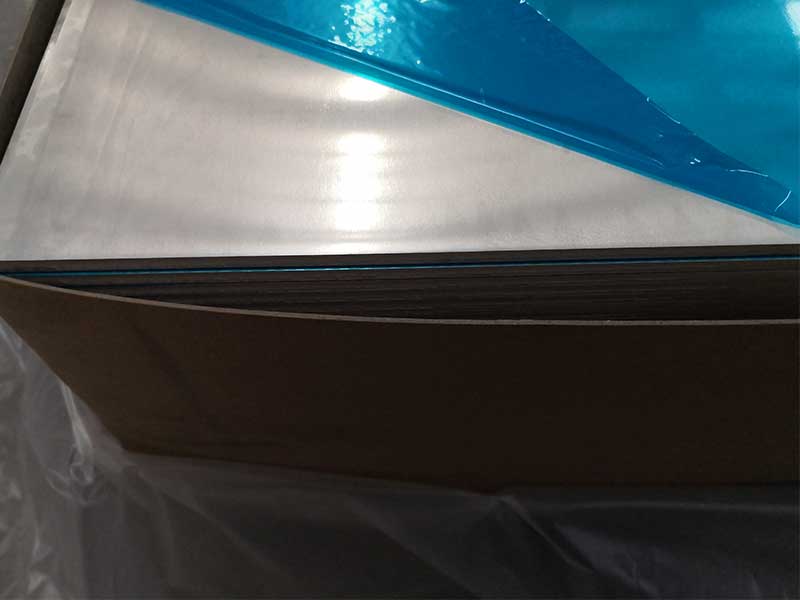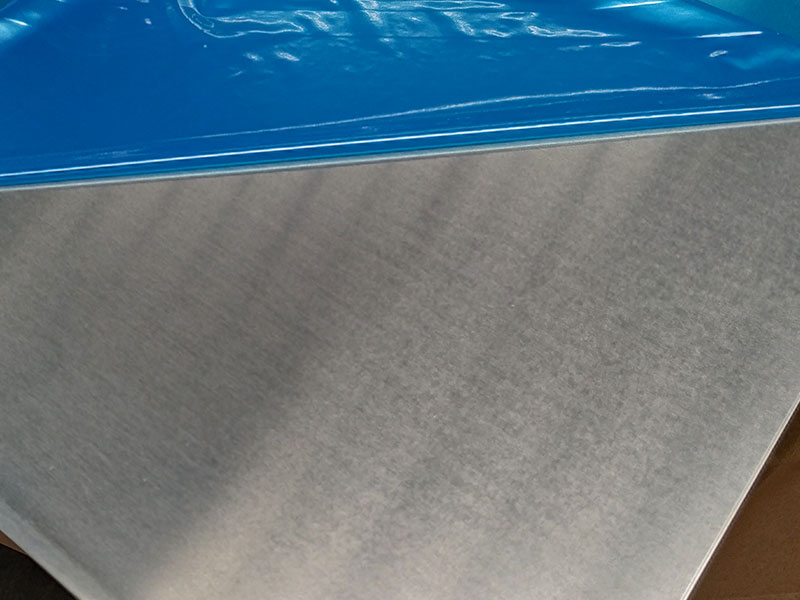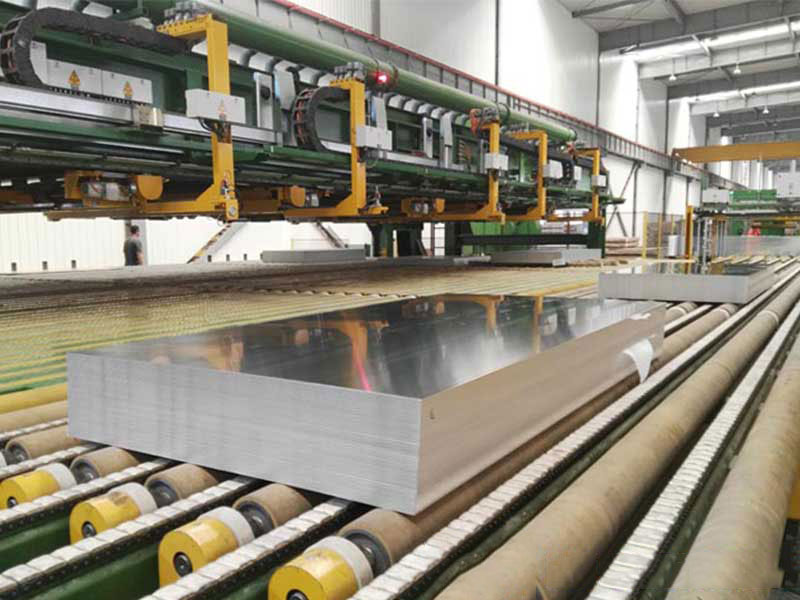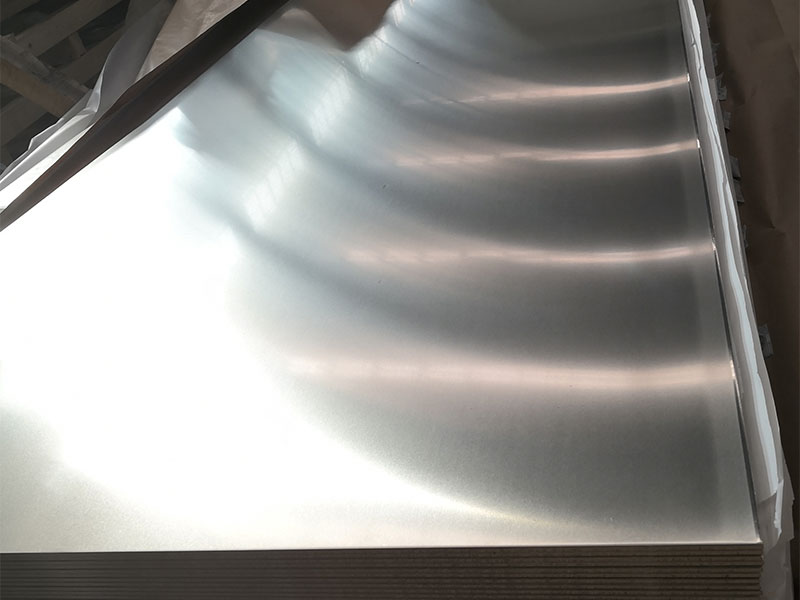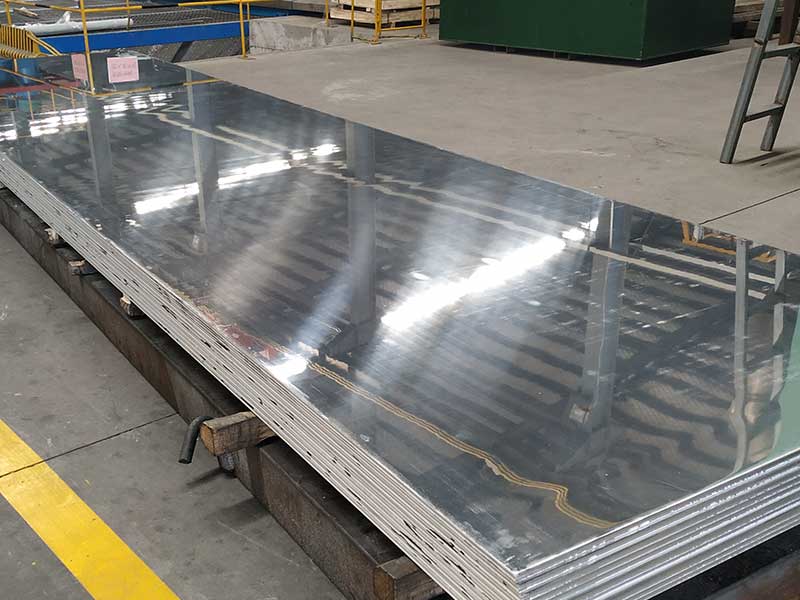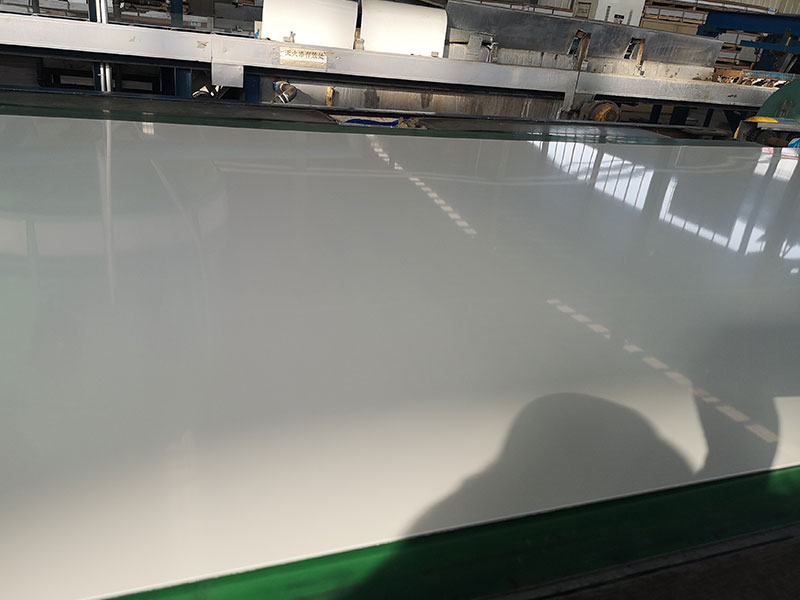

Anodized aluminum sheet 1050 1060 1100 3003 Mill Finish
Aluminum sheets with mill finishes have long been foundational raw materials in various industries, prized for their lightweight nature, corrosion resistance, and excellent formability. Anodized aluminum sheets take these beneficial properties further by enhancing surface durability, aesthetic appeal, and protection against oxidation.
Anodizing is an electrochemical process that thickens the natural oxide layer on the aluminum surface. This enhances the corrosion resistance, surface hardness, and allows for color customization without compromising the inherent properties of aluminum. When performed on mill finish aluminum sheets of grades like 1050, 1060, 1100, and 3003, anodizing not only protects the metal but imparts superior characteristics suitable for architectural, automotive, and consumer goods industries.
Alloy Grades and Basic Characteristics
| Alloy Series | Main Characteristics |
|---|---|
| 1050 | Commercially pure aluminum offering excellent corrosion resistance and workability. |
| 1060 | Higher purity aluminum providing exceptional electrical and thermal conductivity. |
| 1100 | Notable for excellent forming ability and resistance to chemical attack. |
| 3003 | Aluminum alloyed with manganese, offering increased strength and good corrosion resistance. |
Functions and Benefits of Anodized Aluminum Sheets (1050, 1060, 1100, 3003)
- Corrosion resistance improved: Anodic oxide forms a non-conductive, durable layer protecting from weather, chemicals, and abrasion.
- Enhanced surface hardness: Increases resistance to scratches and wear, perfect for materials exposed to high friction or handling.
- Aesthetic versatility: Available in clear or a spectrum of colors, anodizes maintain metallic luster and can integrate into design elements.
- Electrical insulation: The anodized surface is a good insulator, utilized in electrical components balancing conductivity internally.
- Environmental compatibility: Anodizing is an eco-friendly process, reliant on renewable acids without toxic byproducts.
Chemical Composition of Anodized Aluminum Alloys
| Alloy | Aluminum (Al) | Copper (Cu) | Iron (Fe) | Manganese (Mn) | Silicon (Si) | Zinc (Zn) | Titanium (Ti) | Other Elements |
|---|---|---|---|---|---|---|---|---|
| 1050 | ≥ 99.5% | ≤ 0.05% | ≤ 0.40% | - | ≤ 0.25% | ≤ 0.03% | ≤ 0.03% | Others ≤ 0.15% |
| 1060 | ≥ 99.6% | ≤ 0.03% | ≤ 0.35% | - | ≤ 0.03% | ≤ 0.03% | ≤ 0.03% | Others ≤ 0.12% |
| 1100 | ≥ 99.0% | ≤ 0.05% | ≤ 0.95% | - | ≤ 0.95% | ≤ 0.05% | ≤ 0.03% | Others ≤ 0.05% |
| 3003 | 96.80 – 99.0% | ≤ 0.10% | ≤ 0.70% | 1.0 – 1.5% | ≤ 0.60% | ≤ 0.10% | ≤ 0.10% | Others ≤ 0.15% |
Technical Specifications and Implementation Standards
| Property | Details |
|---|---|
| Temper Conditions | Typically includes O (annealed), H14 (strain hardened), H24 (strain hardened + partially annealed) |
| Thickness Range | Common range from 0.2 mm up to 6 mm, flexible depending on application needs |
| Width | Standard roll or sheet widths: 1000mm, 1250mm, up to 1500 mm depending on mill |
| Surface Treatment | Anodized with typical thickness between 5-15 microns for optimal durability |
| Anodizing Standards | ASTM B580, ISO 7599, MIL-A-8625 specifying type I (sulfuric acid anodizing) oxide thickness and type |
| Tensile Strength | Varies by alloy and temper: for example, 1050 alloys in O temper ISO tensile ranges from 45–85 MPa |
| Finish Quality | Recognizable mill finish with slight texture; anodized for glossy or matte options |
Common Applications
Given its enhanced corrosion resistance and mechanical properties, anodized aluminum sheets from these specific alloys are fit for many advanced applications:
- Architectural Paneling and Facades: Capture the clean, metallic aesthetic with weather resistance for exterior coating.
- Signage and Display: Durable sheets capable of holding vibrant anodized dyes or remain naturally lustrous.
- Cookware & Household Goods: Lightweight, hygienic, and resistant to cooking acids and abrasion.
- Electrical Enclosures: Combining electrical insulation from anodizing with aluminum's conductivity makes them ideal housing.
- Automotive Trim & Components: Presentation and longevity in exterior/interior vacuum formed parts.
- HVAC and Air Handling Units: Corrosion-resistant coatings are critical for longevity in variable humidity environments.
Anodized aluminum sheets of alloys 1050, 1060, 1100, and 3003 in mill finish form provide a versatile and reliable material solution for industries demanding durability, corrosion resistance, and aesthetic finish combined in lightweight metal sheets. The process of anodizing adds a robust oxide layer that dramatically improves surface strength while keeping aluminum's innate qualities intact.
These alloys, detailed chemically and technically, meet stringent standards and broad application needs ranging from interior architectural elements to durable automotive materials. Their flexible temper conditions and scalability in thickness enhance their utility across use cases.
Choosing anodized aluminum sheets in these commonly used alloys ensures dependable performance across varying environments and manufacturing requirements, making them a go-to option for manufacturers and design professionals worldwide.
For inquiries about custom sizes, finishes, or project-specific technical support regarding anodized aluminum sheets 1050, 1060, 1100, and 3003 alloys with mill finish, please contact your trusted aluminum sheet supplier.
https://www.aluminumplate.net/a/anodized-aluminum-sheet-1050-1060-1100-3003-mill-finish.html