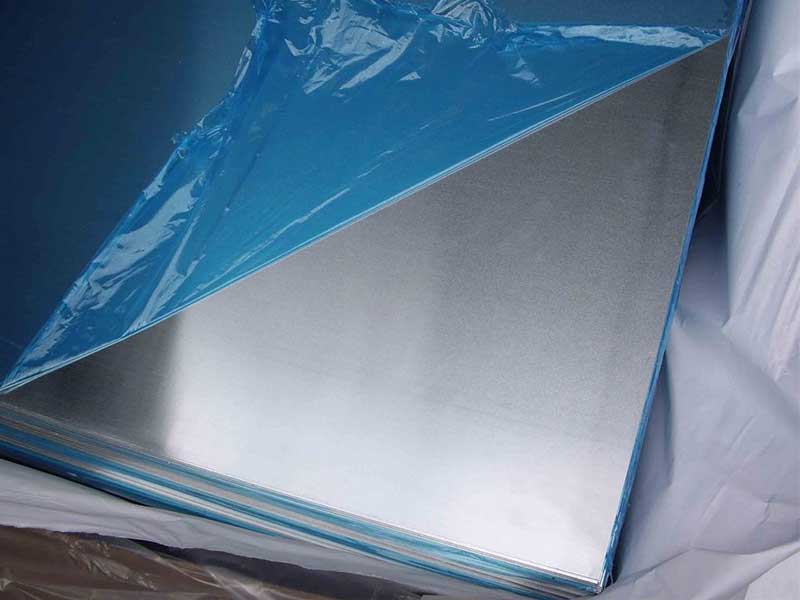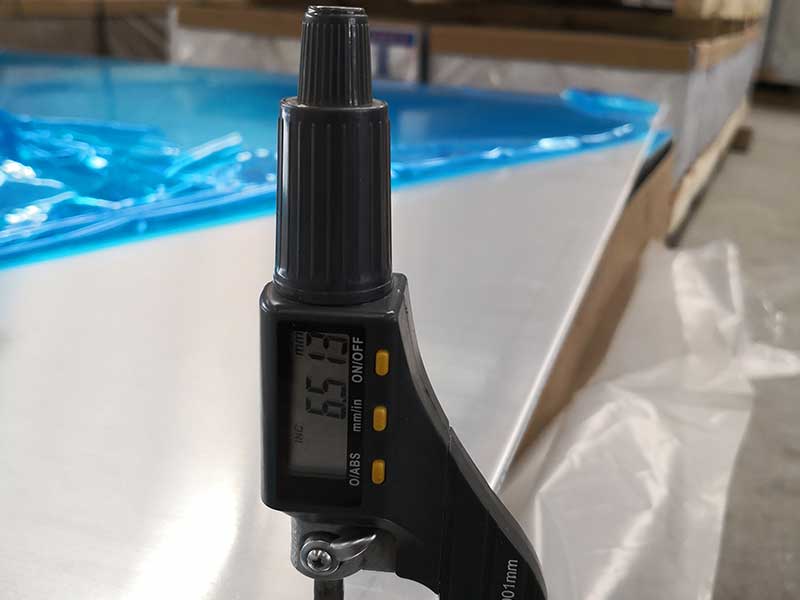

Free sample ctp aluminum plates thermal
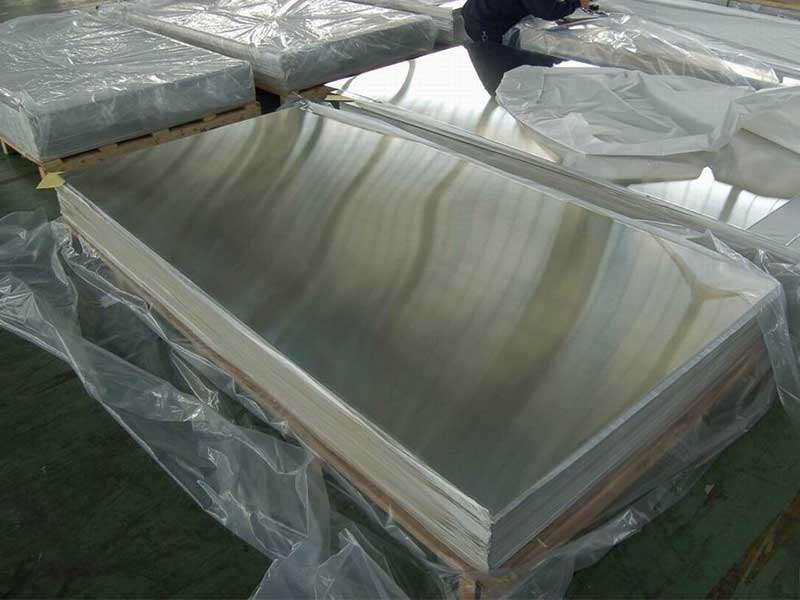
Free sample CTP aluminum plates (thermal) are premium, grained-and-anodized aluminum substrates engineered for thermal Computer-to-Plate (CTP) printing. They are designed to deliver stable imaging, consistent dot reproduction, and reliable press performance across long runs-especially where sharp detail, low plate wear, and clean background are critical.
These plates combine a carefully controlled aluminum alloy base, high-uniformity electrochemical graining, and a dense anodic layer that supports thermal coating adhesion and resists abrasion. For buyers evaluating suppliers or qualifying new sources, free sampling helps confirm compatibility with your platesetter, developer (or processless workflow), fountain solution, and press conditions.
| Item | Description |
|---|---|
| Product name | Free Sample CTP Aluminum Plates Thermal |
| Type | Thermal CTP plate base (grained & anodized aluminum) |
| Typical use | Offset lithographic printing plates (thermal imaging) |
| Sampling purpose | Validate surface quality, imaging latitude, and run stability |
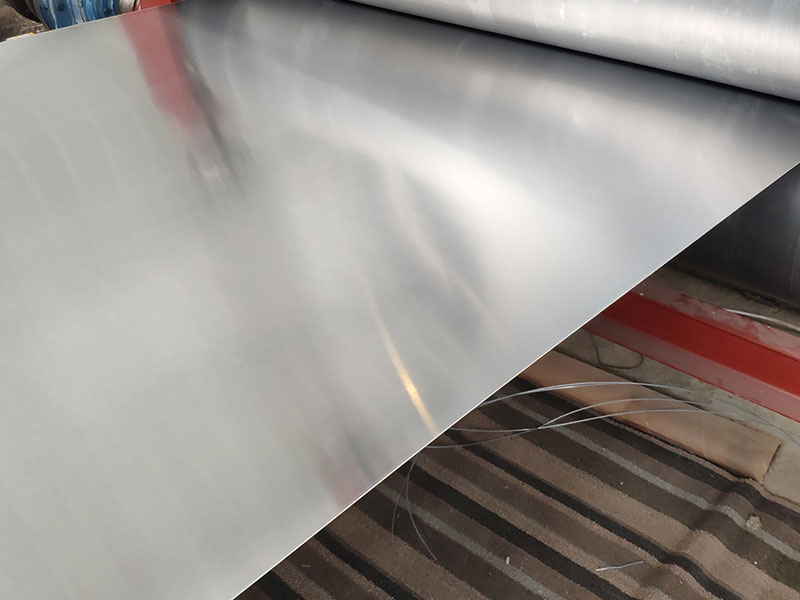
| Available forms | Sheets, coils (depending on plant capability) |
| Custom options | Thickness, size, anodic weight, roughness, packaging |
Features (Why Thermal CTP Plate Base Matters)
| Feature | Customer benefit in production |
|---|---|
| High-uniformity graining | Stable water-ink balance, cleaner backgrounds, reduced toning |
| Dense anodized layer | Better wear resistance, longer run capability, improved coating anchoring |
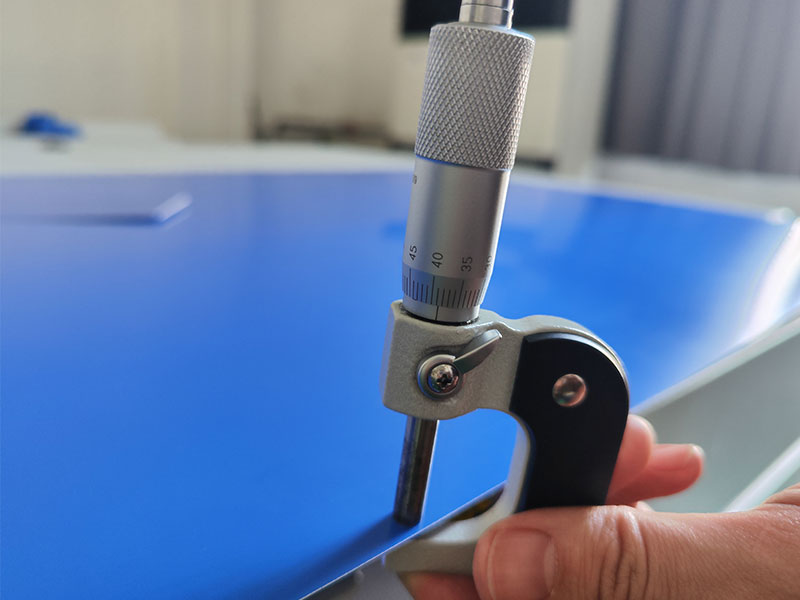
| Tight thickness & flatness control | Easier mounting, fewer registration issues, improved imaging accuracy |
| Consistent surface energy | Predictable coating wetting and adhesion; fewer coating defects |
| Low defect rate surface | Reduced plate rejection from pits, scratches, roll marks, or stains |
| Thermal workflow compatibility | Reliable performance with mainstream thermal plate coatings and CTP engines |
Thermal CTP systems are sensitive to surface consistency. Even small variations in roughness or anodic layer can influence coating adhesion, developer behavior, and on-press clean-out. A qualified thermal plate base reduces start-up waste and stabilizes print quality over time.
Typical Applications
| Segment | Common printed products | Why thermal CTP is chosen |
|---|---|---|
| Commercial printing | brochures, catalogs, leaflets | sharp dots, repeatable color, stable midtones |
| Packaging | cartons, labels | consistent solids and line work; abrasion resistance |
| Newspaper & inserts (where thermal is used) | regional inserts, ads | imaging stability and robust plate handling |
| Security and specialty print | microtext, fine patterns | high resolution and controlled dot gain |
Technical Specifications (Typical Targets)
Values below are common industry targets for thermal CTP plate base. Final specs can be tailored for your press type and coating system.
| Parameter | Typical range | Notes |
|---|---|---|
| Alloy | AA1050 / AA1060 / AA1070 / AA1100 | High-purity aluminum for stable graining/anodizing |
| Temper | H18 / H19 (common) | Hard temper improves stiffness and handling |
| Thickness | 0.15–0.40 mm | 0.30 mm is widely used in commercial printing |
| Thickness tolerance | ±0.005–0.010 mm | Depends on thickness and standard |
| Width | 300–1350 mm | Coils; sheet sizes customized |
| Length (sheet) | 400–1300 mm | Cut-to-size supported |
| Flatness | Press-ready, low residual stress | Helps reduce plate mounting issues |
| Surface roughness (Ra) | 0.35–0.80 μm | Matched to coating and press expectations |
| Anodic layer weight | 1.5–3.0 g/m² | Higher weight improves wear resistance |
| Oxide thickness (typical) | 0.8–1.5 μm | Correlates with anodic weight and process |
| Surface cleanliness | Water-break free | Critical for coating uniformity |
| Pinholes / pits | Controlled to strict internal limits | Impacts background cleanliness |
Chemical Composition (Typical Aluminum Plate Base Alloys)
Thermal CTP plate substrates often use high-purity aluminum to ensure consistent electrochemical graining and anodizing behavior.
AA1050 (Typical)
| Element | Si | Fe | Cu | Mn | Mg | Zn | Ti | Al |
|---|---|---|---|---|---|---|---|---|
| Weight % | ≤0.25 | ≤0.40 | ≤0.05 | ≤0.05 | ≤0.05 | ≤0.07 | ≤0.05 | ≥99.50 |
AA1060 (Typical)
| Element | Si | Fe | Cu | Mn | Mg | Zn | Ti | Al |
|---|---|---|---|---|---|---|---|---|
| Weight % | ≤0.25 | ≤0.35 | ≤0.05 | ≤0.03 | ≤0.03 | ≤0.05 | ≤0.03 | ≥99.60 |
AA1070 (Typical)
| Element | Si | Fe | Cu | Mn | Mg | Zn | Ti | Al |
|---|---|---|---|---|---|---|---|---|
| Weight % | ≤0.20 | ≤0.25 | ≤0.04 | ≤0.03 | ≤0.03 | ≤0.04 | ≤0.03 | ≥99.70 |
Temper & Mechanical Performance (Plate Handling Stability)
The temper selection influences stiffness, flatness retention, and resistance to handling damage during punching, bending, mounting, and press loading.
| Property | Typical range (H18/H19) | Relevance to customers |
|---|---|---|
| Tensile strength | 130–170 MPa | Supports rigidity and reduces edge deformation |
| Yield strength | 115–155 MPa | Helps resist permanent set during mounting |
| Elongation | 1–4% | Balances hardness with handling safety |
| Hardness (HV) | 40–55 HV | Impacts scratch resistance during transport |
Note: Mechanical values vary by alloy purity, rolling schedule, and final temper practice.
Surface Engineering: Graining & Anodizing (Where Print Quality Starts)
| Layer/process | What it does | What you see on press |
|---|---|---|
| Electrochemical graining | Creates controlled micro-topography | stable water retention, clean non-image areas |
| Anodizing | Forms porous oxide structure | strong coating anchoring, improved wear |
| Post-treatment (optional) | Sealing/conditioning for coating | better sensitivity stability and storage behavior |
A high-quality thermal CTP aluminum plate base is not "just aluminum." The performance comes from uniform micro-roughness and oxide morphology that hold fountain solution predictably while bonding strongly to the thermal coating.
Quality Control Items (What a Free Sample Validates)
| QC item | What is checked | Why it matters |
|---|---|---|
| Roughness uniformity | Ra across width/length | prevents density variation and scumming |
| Anodic weight consistency | g/m² mapping | influences run length and abrasion resistance |
| Defect inspection | pits, scratches, roll marks | reduces plate waste and re-makes |
| Cleanliness | water-break test, residue checks | prevents coating voids and fisheyes |
| Dimensional accuracy | thickness, squareness, burr | improves mounting and registration |
| Packaging integrity | interleaf, edge protection | avoids transit damage to surface |
Packaging, Storage, and Handling (Practical Notes)
| Item | Recommendation |
|---|---|
| Packaging | moisture barrier + edge protectors + interleaving paper |
| Storage | cool, dry area; avoid condensation and chemical vapors |
| Handling | gloves recommended; avoid sliding sheet-to-sheet |
| Shelf stability | best used within supplier guidance; rotate inventory FIFO |
Thermal plate substrates are surface-sensitive. Good storage and clean handling preserve the grained/anodized surface so coating and imaging remain consistent.
Ordering Guidance (Common Request Parameters)
| Parameter | Typical customer choice |
|---|---|
| Thickness | 0.30 mm for commercial work; 0.24–0.28 mm for lighter handling |
| Alloy/temper | AA1050-H18 or AA1060-H18 (widely used) |
| Surface targets | Ra matched to your coating supplier recommendation |
| Size | your platesetter format (e.g., 1030 × 800 mm, etc.) |
| Quantity for sample | small pack for imaging + press trial |
If you share your CTP engine model, plate coating type (thermal positive/negative, processless or developer), and typical run length, the sample can be aligned to the most realistic production conditions.
Free sample thermal CTP aluminum plates are grained and anodized high-purity aluminum substrates designed for thermal CTP offset printing. They offer consistent roughness, strong coating adhesion, clean backgrounds, and reliable run performance through controlled alloy chemistry, hard temper rolling, and stable anodic layer weight. Ideal for commercial, packaging, and specialty printing, these thermal CTP plate bases are available in multiple thicknesses and custom sheet sizes, with specifications such as Ra roughness, anodic weight, and tight thickness tolerance verified through sampling and press trials.
https://www.aluminumplate.net/a/free-sample-ctp-aluminum-plates-thermal.html