
Checker aluminum plate ramp
A checker aluminum plate ramp (also called a tread plate or diamond plate ramp) is a lightweight, corrosion-resistant ramp solution built around one simple idea: maximize traction while keeping handling and maintenance easy. By using an aluminum checker plate as the walking/driving surface-often supported by stiffeners or structural side rails-this ramp design delivers reliable grip in wet, oily, dusty, and high-traffic environments where smooth ramps become unsafe.
From industrial loading bays to service vehicles, warehouses, workshops, and temporary access systems, checker aluminum plate ramps are valued for their high strength-to-weight ratio, anti-slip texture, and long service life with minimal upkeep.
What Makes a Checker Aluminum Plate Ramp Different?
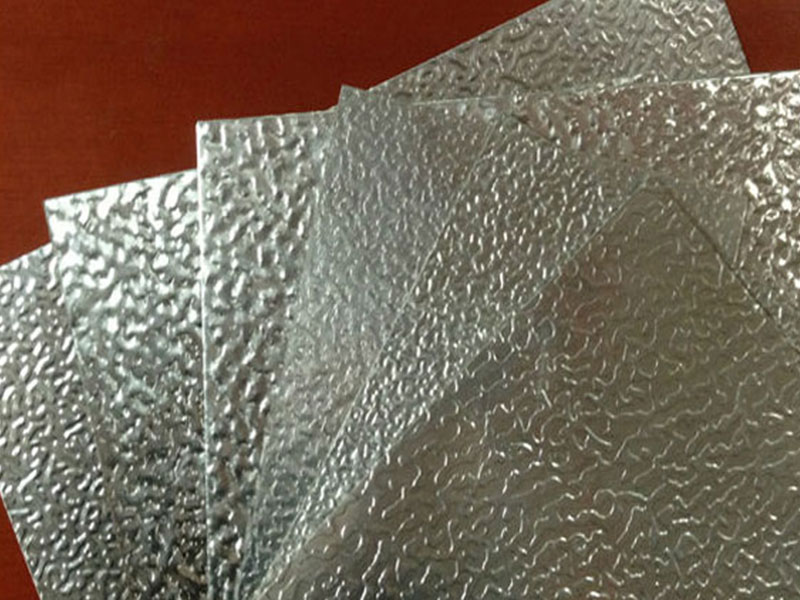
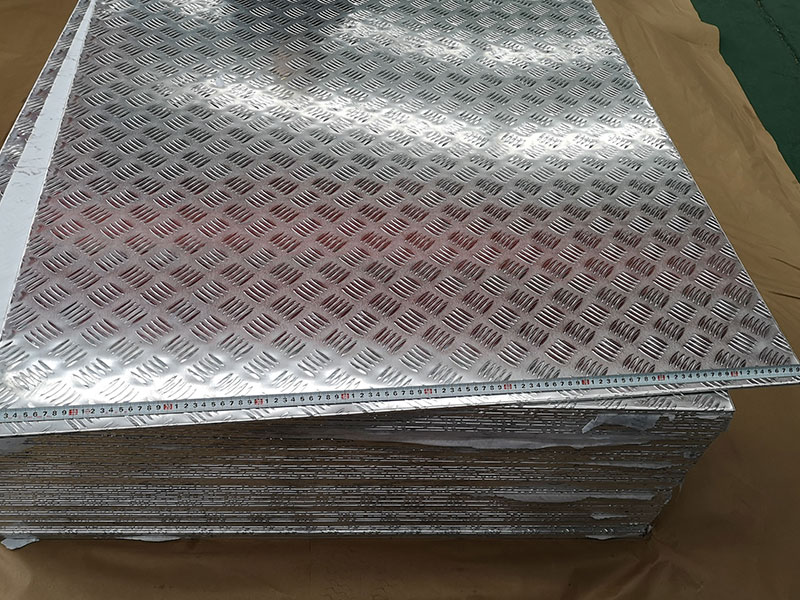
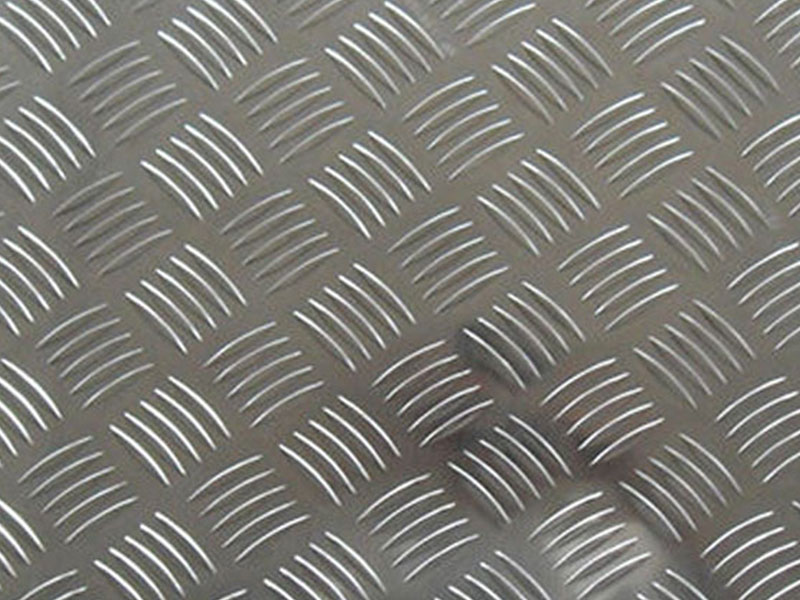
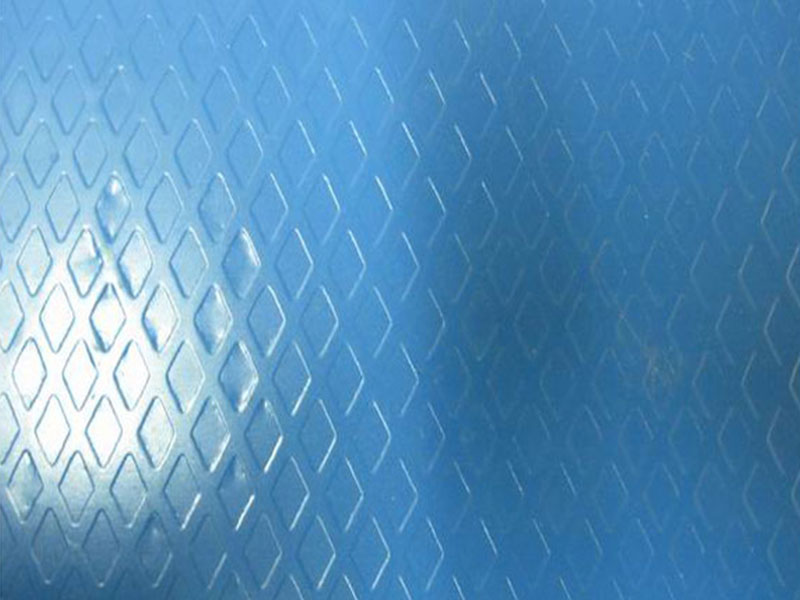
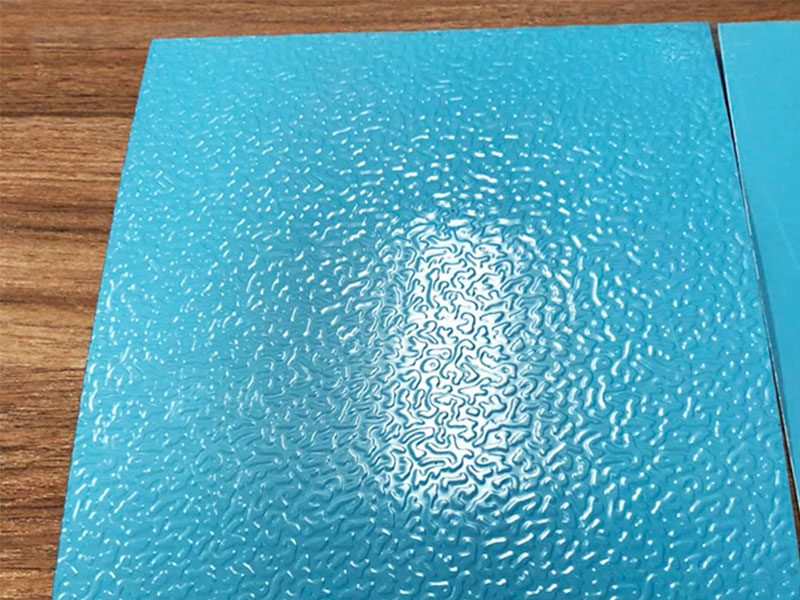
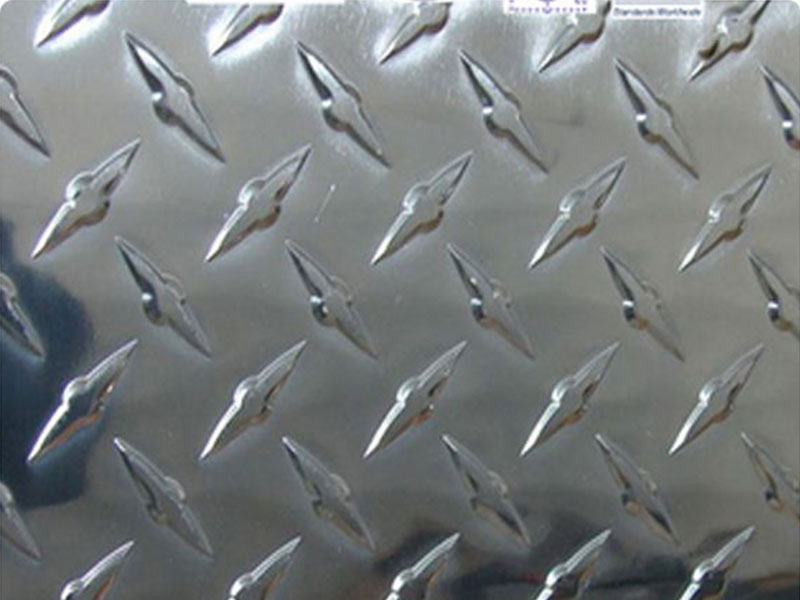
Unlike smooth sheet ramps, checker plate ramps use a raised pattern (commonly 5-bar or diamond) that increases friction and reduces slip risk. Aluminum alloys also form a stable oxide layer that resists corrosion, so the ramp stays serviceable even in humid air, outdoor yards, and coastal environments.
design elements typically include:
- Checker plate deck: anti-slip surface for foot and wheeled traffic
- Structural reinforcement: ribs, channels, or boxed sections to control deflection
- Edge treatment: upturned edges or side curbs to guide wheels safely
- Ramp ends: beveled lip or hinged transition to reduce impact and improve roll-on
Features and Benefits
1) High Traction for Safer Movement
The raised pattern improves contact and helps shed water and debris. This is especially valuable for:
- forklifts and pallet jacks
- carts and dollies
- maintenance crews carrying equipment
- wet-process plants and outdoor ramps
2) Lightweight Without Sacrificing Strength
Compared with carbon steel, aluminum ramps are significantly easier to transport, position, and store. This reduces labor time and supports portable or temporary access use cases.
3) Corrosion Resistance and Low Maintenance
Aluminum naturally resists oxidation and many atmospheric corrosives. For most facilities, this means:
- no repainting cycles like steel
- reduced risk of rust flakes contaminating work areas
- longer usable life in outdoor service
4) Excellent Fabricability
Checker aluminum plate can be:
- cut, formed, and welded (process depends on alloy)
- bolted/riveted for modular designs
- combined with extrusions for stiff frames
5) Clean Appearance and Professional Finish
For customer-facing environments (service vans, retail logistics, public access platforms), checker aluminum plate ramps look durable and clean, and can be finished with brushing, anodizing, or clear coating as required.
Typical Alloy Choices (and Why They Matter)
Different aluminum alloys trade off strength, corrosion resistance, and weldability. Below are common selections for ramp decks and structures.
Common Aluminum Alloys for Checker Plate Ramps
| Alloy (Temper) | Typical Use in Ramp | Strengths | Notes |
|---|---|---|---|
| 5052-H32 | Deck plate (popular) | Excellent corrosion resistance, good formability | Very common for tread plate; reliable in wet environments |
| 5083-H116/H321 | Heavy-duty deck, marine/outdoor ramps | Superior corrosion resistance, higher strength than 5052 | Preferred for harsh outdoor/coastal exposure |
| 6061-T6 | Structural frame, side rails, stiffeners | High strength, good machinability | Weld zones lose strength unless post-treated; often used as extrusions |
| 3003-H22 | Light-duty deck | Good corrosion resistance, economical | Lower strength; better for pedestrian/light cart use |
Chemical Composition (Reference Ranges)
Actual mill certificates vary by supplier and standard (ASTM/EN). The table below shows typical composition ranges for widely used ramp alloys.
Typical Chemical Composition (wt%)
| Alloy | Mg | Mn | Si | Fe | Cu | Cr | Zn | Al |
|---|---|---|---|---|---|---|---|---|
| 5052 | 2.2–2.8 | ≤0.10 | ≤0.25 | ≤0.40 | ≤0.10 | 0.15–0.35 | ≤0.10 | Balance |
| 5083 | 4.0–4.9 | 0.4–1.0 | ≤0.40 | ≤0.40 | ≤0.10 | 0.05–0.25 | ≤0.25 | Balance |
| 6061 | 0.8–1.2 | ≤0.15 | 0.4–0.8 | ≤0.70 | 0.15–0.40 | 0.04–0.35 | ≤0.25 | Balance |
| 3003 | ≤0.05 | 1.0–1.5 | ≤0.60 | ≤0.70 | 0.05–0.20 | - | ≤0.10 | Balance |
Mechanical Performance (Practical Selection Guidance)
For ramps, the most important performance factors are yield strength, stiffness/deflection behavior, and fatigue resistance under repeated rolling loads.
Typical Mechanical Properties (Room Temperature)
| Alloy / Temper | Tensile Strength (MPa) | Yield Strength (MPa) | Elongation (%) | Practical Takeaway |
|---|---|---|---|---|
| 5052-H32 | ~210–260 | ~130–200 | ~8–12 | Balanced deck material with strong corrosion performance |
| 5083-H116/H321 | ~300–360 | ~200–260 | ~10–16 | Stronger option for heavy-duty and outdoor ramps |
| 6061-T6 | ~290–320 | ~240–280 | ~8–12 | Great for frames; manage weld strength reduction carefully |
| 3003-H22 | ~130–170 | ~95–130 | ~6–12 | Best for lighter pedestrian ramps and cost-sensitive builds |
Note: The checker pattern slightly affects thickness distribution; always design using minimum base thickness and validated load assumptions.
Technical Specifications (Typical Ramp Configurations)
Checker aluminum plate ramps are often customized, but most fall into a few practical ranges.
Typical Technical Specification Ranges
| Parameter | Common Range | Notes |
|---|---|---|
| Deck material thickness | 3–8 mm | Heavy-duty ramps may go higher with stiffeners |
| Ramp width | 600–1500 mm | Match equipment track width and safety clearance |
| Ramp length | 1.0–4.0 m | Longer ramps reduce slope and improve safety |
| Pattern type | 5-bar / diamond | 5-bar often preferred for walking comfort |
| Surface finish | Mill / brushed / anodized | Select based on aesthetics and exposure |
| Edge design | Side curbs 20–60 mm | Helps wheel guidance and fall protection |
| Connection | Fixed / hinged / hook-on | Depends on dock/vehicle interface |
| Reinforcement | Channels, ribs, box frame | Controls deflection under rolling loads |
Applications and Use Cases
Logistics and Warehousing
- Temporary ramping over small height differences
- Loading bays for carts, pallet jacks, and roll cages
- Maintenance access where corrosion resistance is important
Service Vehicles and Mobile Operations
- Van and truck ramps for tool carts, equipment cases, and appliances
- Portable ramps where low weight reduces operator fatigue
- Quick deployment for field technicians
Industrial Plants and Workshops
- Access between mezzanines and floor areas
- Machine-room service ramps where coolants or oils may be present
- Safer walkways for inspectors and operators
Outdoor and Marine-Adjacent Facilities
- Yard ramps exposed to rain and temperature cycling
- Coastal sites that demand higher corrosion resistance (often 5083)
Performance Advantages Customers Notice Immediately
Faster Handling and Setup
Aluminum ramps are easier to reposition and store, supporting lean operations and reducing downtime during changeovers.
Reliable Traction in Real Conditions
Checker plate patterns maintain grip even when surfaces are damp or dusty-for preventing slip incidents and improving confidence for operators.
Lower Total Cost of Ownership
While initial material cost may be higher than mild steel, customers often save through:
- reduced corrosion-related replacement
- fewer coatings and touch-ups
- less labor for installation and movement
Selection Tips (How to Specify the Right Ramp)
Quick Recommendation Matrix
| Requirement | Recommended Alloy | Recommended Build Strategy |
|---|---|---|
| General indoor + occasional wet | 5052-H32 | Checker plate deck with moderate stiffeners |
| Heavy rolling loads | 5083 + reinforced frame | Increased thickness and closer rib spacing |
| Strong structural frame | 6061-T6 | Use extrusions; design weld areas carefully |
| Lightweight pedestrian access | 3003 or 5052 | Optimize width/length, add anti-trip end lip |
Also consider slope: a longer ramp improves safety and reduces the pushing force required for wheeled loads.
A checker aluminum plate ramp combines anti-slip traction, low weight, and corrosion resistance into a practical access solution for industrial, commercial, and mobile applications. With the right alloy choice (commonly 5052 or 5083 for decks, 6061 for structural members) and appropriate reinforcement, it provides stable performance under repeated use while keeping maintenance and handling effort low.
https://www.aluminumplate.net/a/checker-aluminum-plate-ramp.html