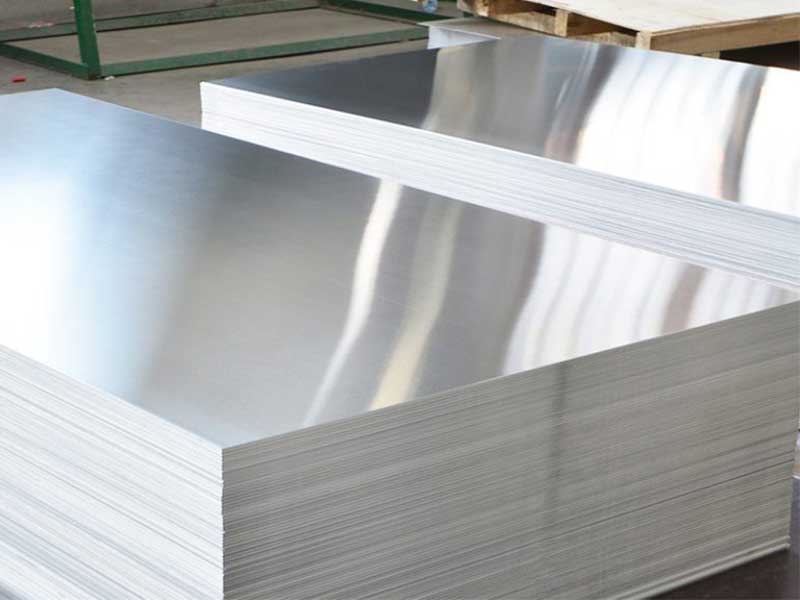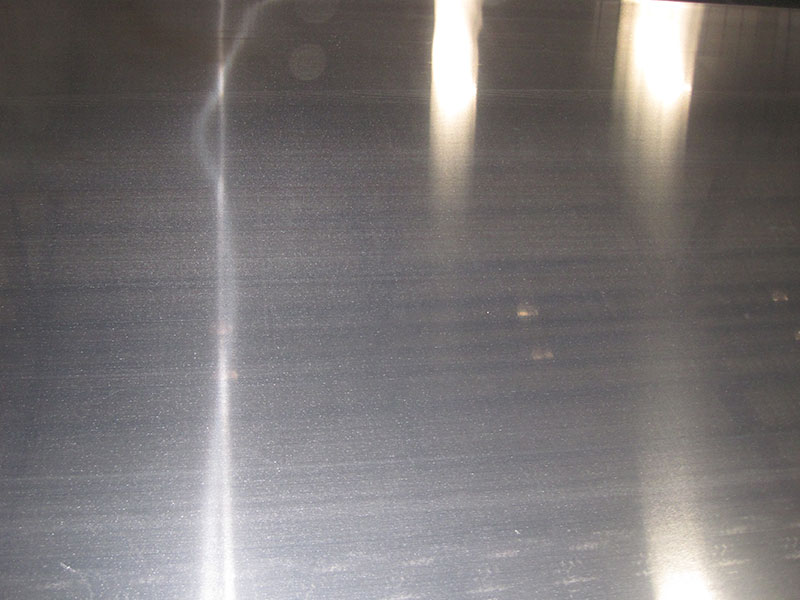

Gold brushed aluminum coil
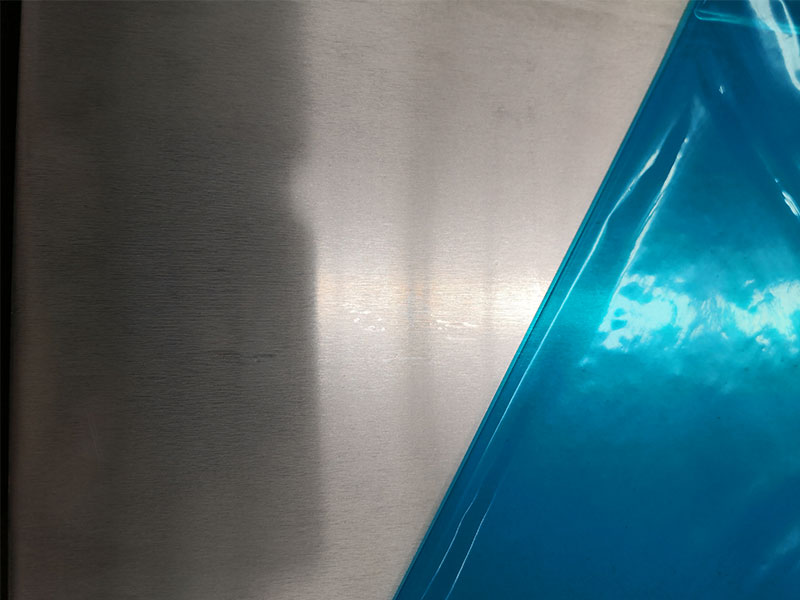
Gold brushed aluminum coil is a premium decorative aluminum product that combines a uniform linear "hairline" texture with a gold-toned surface finish. Supplied in continuous coil form, it is designed for efficient fabrication into panels, trims, claddings, appliance skins, elevator interiors, signage, and retail fixtures. The brushed texture adds depth and reduces the visual impact of minor handling marks, while the gold finish delivers a warm, high-end appearance that remains lightweight, corrosion-resistant, and easy to form.
This product is typically produced from architectural-grade alloys, mechanically brushed to a controlled grain, then finished with an anodized gold tone or a PVDF/PE coating system depending on the environment and durability target. Customers choose gold brushed aluminum coil for its balance of aesthetics, consistency from batch to batch, and scalable processing for mass production.
What Makes "Gold Brushed" Different
A gold brushed aluminum coil is defined by two engineered elements working together:
- Brushed (hairline) texture created by abrasive belts or brushing wheels to form a consistent grain direction, commonly used to deliver a refined metallic look.
- Gold surface finish achieved by anodizing (electrochemical conversion layer) or coil coating (paint system), selected based on use-case durability, color range, and cost.
The result is a coil that looks luxurious yet remains practical for bending, roll forming, stamping, laminating, and bonding.
Features at a Glance
- High-end metallic appearance with consistent linear grain and gold tone
- Lightweight versus stainless steel, with easier fabrication and lower structural load
- Corrosion resistance suitable for interiors and many exterior applications when correctly finished
- Uniformity in coil production for stable color, gloss, and grain continuity
- Good formability in common architectural and appliance alloys/tempers
- Surface versatility including protective film options for clean processing
Common Applications
| Application Area | Typical Parts Made from Coil | Why It Works |
|---|---|---|
| Architectural interiors | Wall panels, column wraps, ceiling trims, door skins | Premium look, controllable grain direction, easy installation |
| Commercial & retail | Shopfitting panels, display frames, brand feature walls | Consistent appearance in large areas, easy cleaning |
| Elevators & escalators | Cabin panels, jambs, handrail covers, decorative strips | Brushed grain hides scuffs, durable finishes available |
| Appliances | Range hoods, refrigerator trims, small appliance housings | Lightweight, corrosion resistance, repeatable stamping |
| Signage | Backplates, logos, lightbox trims | Metallic color depth, stable flatness when specified |
| Furniture & fixtures | Drawer fronts, cabinet panels, partitions | Modern aesthetic, easy bending and fastening |
Finish Options and Performance Notes
Gold brushed aluminum coil is commonly supplied in one of these finish constructions:
| Finish Type | Visual Character | Durability | Typical Use |
|---|---|---|---|
| Gold anodized + brushed | Deep metallic luster, "true metal" look | High scratch and corrosion resistance (varies by thickness) | Elevators, interiors, premium trims |
| Gold PVDF coil coated + brushed substrate | Wide color tuning, excellent weathering | Very high outdoor durability | Facades, exterior cladding, signage |
| Gold PE coil coated + brushed substrate | Bright tone, cost-effective | Moderate durability | Indoor panels, light-duty applications |
Selection guidance: anodizing is often chosen when customers want the most authentic metallic depth and abrasion resistance; PVDF is favored for exterior UV stability and long-term color retention.
Technical Specifications (Typical Supply Range)
| Item | Typical Range | Notes |
|---|---|---|
| Alloy | 1050, 1060, 1100, 3003, 5005, 5052, 6061 | 3003/5005 popular for architectural; 5052 for higher strength |
| Temper | O, H12, H14, H16, H18, H22, H24 | Softer tempers improve forming; harder tempers improve stiffness |
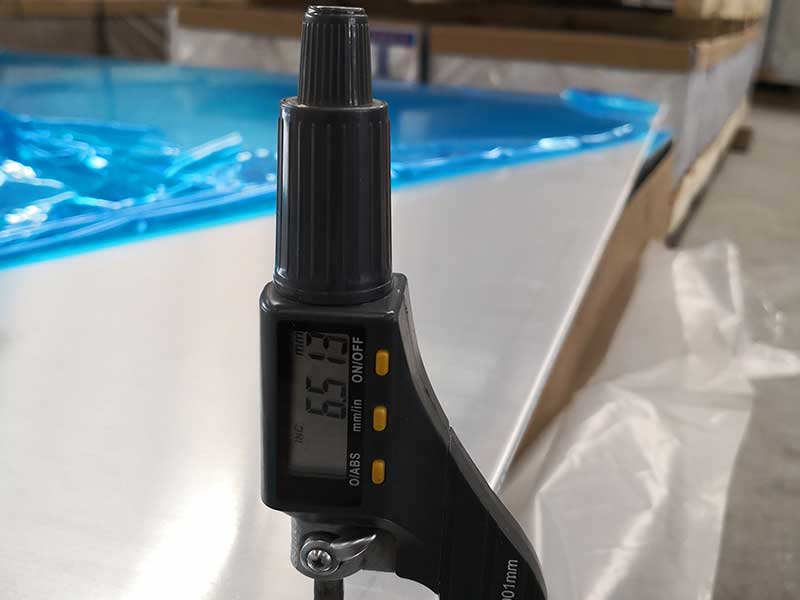
| Thickness | 0.30–3.00 mm | Common decorative range 0.50–1.50 mm |
| Width | 200–1600 mm | Wider widths available depending on mill |
| Coil ID | 150 / 300 / 505 mm | Match your decoiler and line setup |
| Coil OD | Up to ~1800 mm | Depends on thickness and weight limit |
| Coil weight | 1–5 tons typical | Custom packing available |
| Brushing grain | Hairline / long grain | Grain direction is critical for panel layout |
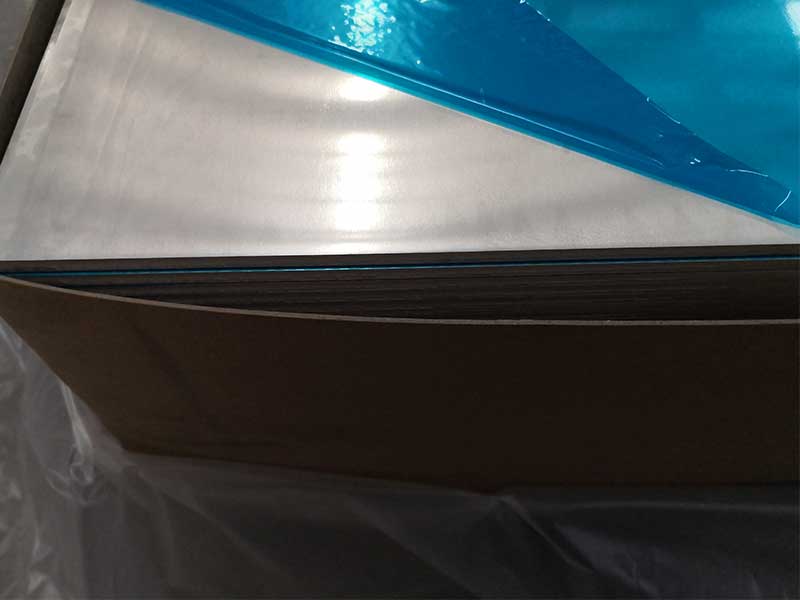
| Surface protection | PE protective film | Recommended for punching, bending, and handling |
Alloy & Temper Recommendations (Practical Selection)
| Requirement | Recommended Alloy | Typical Temper | Rationale |
|---|---|---|---|
| Best formability for tight bends | 3003 | O / H12 | Stable forming, good cost-performance |
| Best anodizing appearance | 5005 | H14 / H24 | Cleaner anodized tone, uniformity for decorative use |
| Higher strength & dent resistance | 5052 | H32 (or H34 where available) | Better mechanical performance with good corrosion resistance |
| General decorative interior | 1050/1060/1100 | O / H14 | High purity look, excellent workability |
Chemical Composition (Typical, wt.%)
Below are reference compositions for commonly used alloys. Final supply must follow the applicable standard and mill certificate.
| Alloy | Si | Fe | Cu | Mn | Mg | Cr | Zn | Ti | Al |
|---|---|---|---|---|---|---|---|---|---|
| 1050 | ≤0.25 | ≤0.40 | ≤0.05 | ≤0.05 | ≤0.05 | - | ≤0.05 | ≤0.03 | ≥99.50 |
| 1060 | ≤0.25 | ≤0.35 | ≤0.05 | ≤0.03 | ≤0.03 | - | ≤0.05 | ≤0.03 | ≥99.60 |
| 1100 | Si+Fe ≤0.95 | - | 0.05–0.20 | ≤0.05 | - | - | ≤0.10 | ≤0.05 | ≥99.00 |
| 3003 | ≤0.60 | ≤0.70 | 0.05–0.20 | 1.0–1.5 | - | - | ≤0.10 | - | Bal. |
| 5005 | ≤0.30 | ≤0.70 | ≤0.20 | ≤0.20 | 0.5–1.1 | ≤0.10 | ≤0.25 | ≤0.20 | Bal. |
| 5052 | ≤0.25 | ≤0.40 | ≤0.10 | ≤0.10 | 2.2–2.8 | 0.15–0.35 | ≤0.10 | - | Bal. |
Typical Mechanical Properties (Guidance Values)
Mechanical properties vary with thickness and temper. The table is a practical reference for common choices in decorative coil.
| Alloy / Temper | Tensile Strength (MPa) | Yield Strength (MPa) | Elongation (%) |
|---|---|---|---|
| 3003-H14 | 140–180 | ≥115 | ~4–10 |
| 5005-H14 | 120–170 | ≥95 | ~4–10 |
| 5052-H32 | 210–260 | ≥160 | ~6–12 |
Surface Quality, Brushing, and Color Control
Gold brushed aluminum coil is often specified by appearance as much as by alloy. For reliable results in mass production, customers typically define:
| Parameter | Typical Target | Why It Matters |
|---|---|---|
| Grain uniformity | Consistent line density and depth | Prevents panel-to-panel mismatch |
| Grain direction | Longitudinal to coil direction unless specified | Ensures visual continuity after cutting |
| Color tolerance | Controlled delta values per batch | Avoids visible shade shifts across a facade or elevator bank |
| Gloss level | Matte to satin metallic | Impacts premium "gold" perception under lighting |
| Film adhesion | Stable during stamping/bending | Protects finish and reduces rework |
Processing and Fabrication Compatibility
Gold brushed aluminum coil supports a wide range of fabrication methods. Best practice is to align the grain direction with the final part orientation and keep protective film on until final assembly. Typical downstream processes include:
- Shearing and slitting to size
- Roll forming for trims and edge profiles
- Press braking for panels and corners
- Punching and turret work for patterns and vents
- Laminating to composite panels or honeycomb cores
- Bonding and riveting for assemblies
For tight radii or deep forming, a softer temper and a more form-friendly alloy such as 3003 is often preferred. For premium anodized appearance, 5005 is a frequent choice.
Packaging and Supply Options
| Option | Typical Choice | Benefit |
|---|---|---|
| Packing | Eye-to-wall or eye-to-sky | Matches handling equipment |
| Interleaf | Paper or film | Reduces transit scuffing |
| Edge protection | Metal or polymer guards | Minimizes coil-edge damage |
| Certification | Mill test certificate | Traceability for projects |
Gold brushed aluminum coil is a decorative, lightweight, and corrosion-resistant aluminum coil featuring a hairline brushed texture and a premium gold finish via anodizing or coil coating. It is widely used for interior wall panels, elevator cabins, retail fixtures, appliance skins, signage, and architectural trims due to its consistent grain, stable color, and strong fabrication compatibility. Common alloys include 3003, 5005, and 5052 with tempers from O to H24/H32, offered in thicknesses around 0.30–3.00 mm and widths up to 1600 mm, with protective film for clean processing and reliable project uniformity.
https://www.aluminumplate.net/a/gold-brushed-aluminum-coil.html