
Long Impression Thermal CTP Plate Double Layers CTP Plate
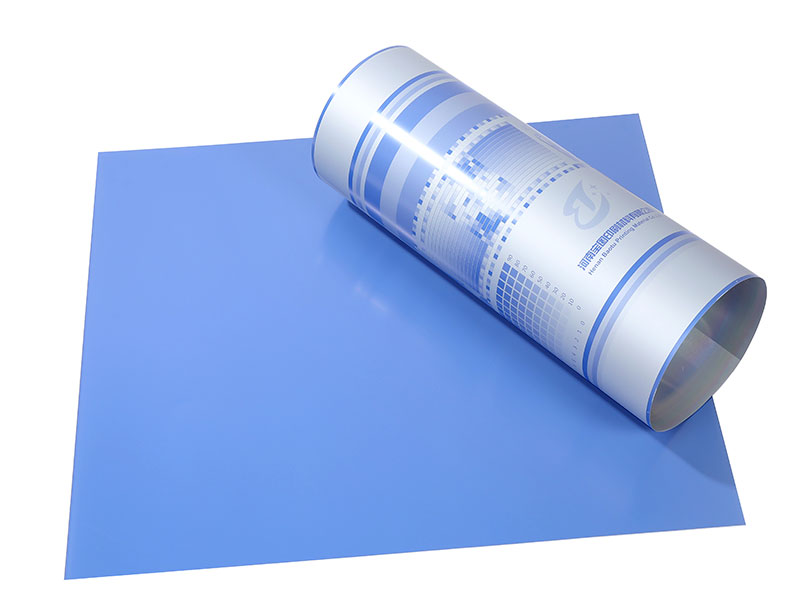
Long-run commercial printing demands a plate that stays clean, holds dots under pressure, and keeps consistent ink–water balance from the first sheet to the last. Long Impression Thermal CTP Plate Double Layers CTP Plate is engineered for exactly that: a dual-layer thermal imaging architecture combined with a high-strength electrochemically grained and anodized aluminum base, delivering stable imaging, long press life, and reliable reproduction across demanding sheetfed and web workflows.
This product targets printers who want fewer remakes, fewer on-press corrections, and predictable plate behavior across multiple jobs, paper types, and fountain solutions-without slowing plate room productivity.
A double-layer thermal CTP plate uses two functional imaging-related layers above an anodized aluminum substrate. The layered design improves resistance to abrasion and chemistry while maintaining clean thermal sensitivity. In practice, it supports long impressions, consistent dot retention, and stable background cleanliness, especially in high-coverage layouts and extended runs.
Features and Benefits
| Feature | Customer Value on Press | What It Helps Prevent |
|---|---|---|
| Double-layer thermal coating | Stable imaging latitude and stronger wear resistance | Early image wear, scumming, sensitivity drift |
| Electrochemically grained + anodized aluminum | High water retention and strong coating adhesion | Poor ink–water balance, coating delamination |
| Optimized dot reproduction | Crisp highlights and stable midtones across long runs | Dot loss, tone shift, unstable gray balance |
| Fast, clean development | High throughput and consistent results in processors | Developer exhaustion issues, slow clean-out |
| Strong chemical tolerance | Works with common fountain solutions and press chemistry | Background staining, premature wear |
| Long press life design | Suitable for long commercial runs with consistent output | Re-platting, unplanned downtime |
Typical Applications
| Application Segment | Suitability | Notes |
|---|---|---|
| Commercial sheetfed printing | Excellent | Strong dot holding for brochures, catalogs, posters |
| Web offset (heatset/coldset) | Very good | Stable performance for longer continuous runs |
| Packaging (paper-based) | Very good | Handles higher ink coverage and solids effectively |
| Newspaper / high-speed production | Good | Depends on press conditions and processing control |
| Stochastic/FM screening | Very good | Double-layer stability supports fine screening behavior |
Construction and Working Principle
| Layer / Component | Purpose | Performance Contribution |
|---|---|---|
| Top imaging-related layer (thermal sensitive) | Converts laser exposure into developable image areas | Sensitivity stability and clean resolution |
| Secondary functional layer (support/protection) | Enhances mechanical durability and chemical resistance | Longer run capability and reduced wear |
| Anodized aluminum oxide layer | Hard, porous base with strong adhesion | Water retention, background cleanliness |
| Electrochemically grained aluminum substrate | Micro-roughened surface profile | Uniform coating, improved print stability |
This architecture is designed for consistent imaging at common thermal wavelengths and robust plate behavior under continuous press friction and chemistry exposure.
Technical Specifications (Typical)
Values below represent common production targets. Final specifications can be adjusted by order agreement (press type, run length target, processor setup).
| Item | Specification / Range |
|---|---|
| Plate type | Thermal CTP, double-layer coating |
| Spectral sensitivity | 830 nm (typical thermal diode) |
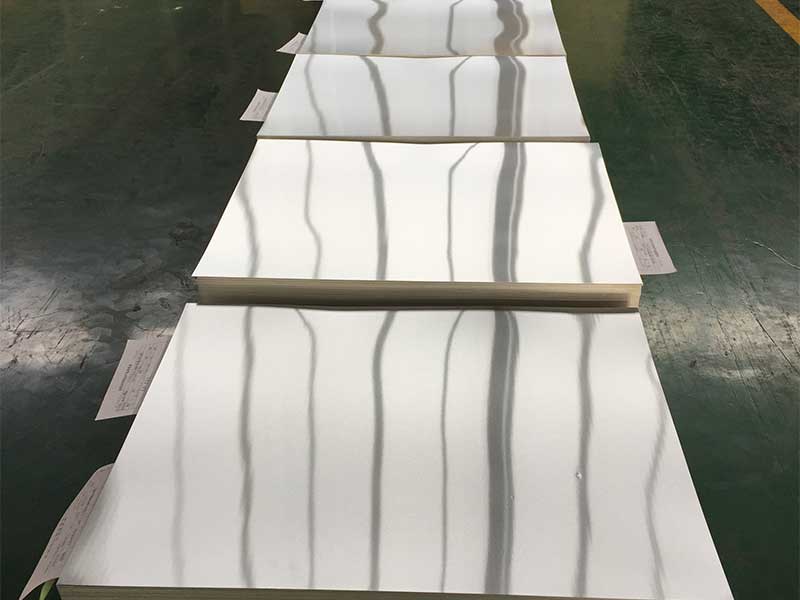
| Plate thickness | 0.15 mm / 0.20 mm / 0.25 mm / 0.30 mm / 0.40 mm |
| Standard width/length | Available by request; cut-to-size supported |
| Grain type | Electrochemical graining |
| Anodizing | Hard anodized, optimized pore structure |
| Resolution capability | Up to 1–99% dot reproduction (subject to screening and workflow) |
| Imaging energy | 110–150 mJ/cm² (typical, depends on CTP and RIP) |
| Processing | Positive-working thermal process (developer-based), processor compatible |
| Safe light handling | Yellow safe light recommended |
| Shelf life | 12 months (cool, dry storage in sealed packaging) |
| Recommended storage | 15–25°C, RH 40–60%, avoid heat and direct sunlight |
Aluminum Substrate: Alloy and Temper (Typical)
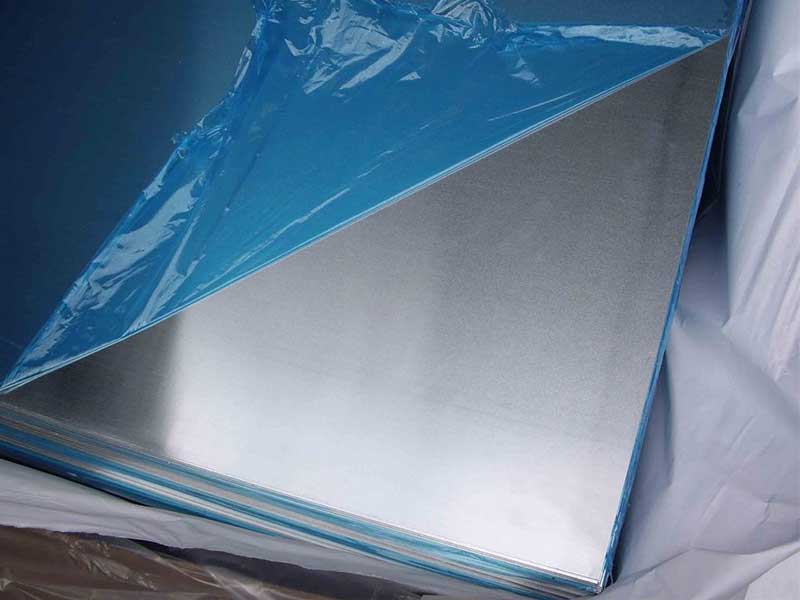
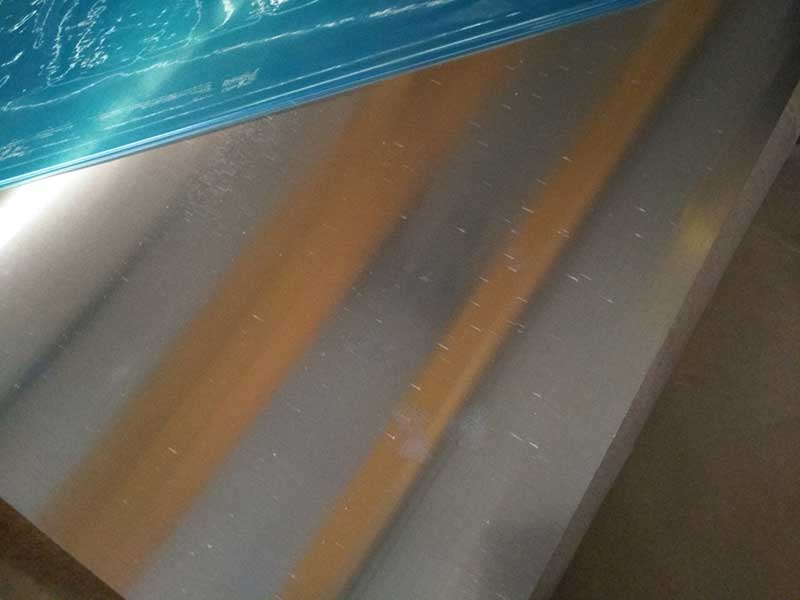
The plate base is manufactured from lithographic-grade aluminum with stable mechanical strength and consistent microstructure to support uniform graining and anodizing.
| Parameter | Typical Selection |
|---|---|
| Alloy series | AA1xxx / AA3xxx (lithographic grade) |
| Common grades | AA1050 / AA1060 / AA1070 / AA3003 (depending on thickness and press demand) |
| Temper | H18 / H19 (common for CTP plate base) |
| Surface | One-side coated; reverse side treated for handling/transport stability (as specified) |
Chemical Composition (Typical Aluminum Base)
For reference, the table below shows widely used composition limits for common lithographic alloys. Actual supply can be matched to customer qualification standards.
AA1050 (Typical)
| Element | Composition (wt.%) |
|---|---|
| Al | ≥ 99.50 |
| Si | ≤ 0.25 |
| Fe | ≤ 0.40 |
| Cu | ≤ 0.05 |
| Mn | ≤ 0.05 |
| Mg | ≤ 0.05 |
| Zn | ≤ 0.05 |
| Ti | ≤ 0.03 |
| Others (each / total) | ≤ 0.03 / ≤ 0.05 |
AA1060 (Typical)
| Element | Composition (wt.%) |
|---|---|
| Al | ≥ 99.60 |
| Si | ≤ 0.25 |
| Fe | ≤ 0.35 |
| Cu | ≤ 0.05 |
| Mn | ≤ 0.03 |
| Mg | ≤ 0.03 |
| Zn | ≤ 0.05 |
| Ti | ≤ 0.03 |
| Others (each / total) | ≤ 0.03 / ≤ 0.05 |
AA3003 (Typical)
| Element | Composition (wt.%) |
|---|---|
| Al | Balance |
| Mn | 1.00–1.50 |
| Fe | ≤ 0.70 |
| Si | ≤ 0.60 |
| Cu | 0.05–0.20 |
| Zn | ≤ 0.10 |
| Mg | ≤ 0.05 |
| Others (each / total) | ≤ 0.05 / ≤ 0.15 |
Numerical Performance Targets (Typical)
| Performance Item | Typical Target | Impact |
|---|---|---|
| Long impression capability | Up to 150,000–300,000 impressions (process/press dependent) | Reduces plate changes in long runs |
| Solid ink density stability | Stable across extended runs | Consistent color and fewer adjustments |
| Background cleanliness | High | Lower risk of toning and scumming |
| Abrasion resistance | High (double-layer advantage) | Better durability on demanding stocks |
| Developer latitude | Wide (with controlled replenishment) | More stable daily plate room output |
Compatibility and Workflow Notes
| Area | Recommendation | Reason |
|---|---|---|
| CTP laser | 830 nm thermal systems | Best sensitivity match |
| RIP/screening | AM or FM supported | Stable dot behavior, good highlight holding |
| Processor control | Maintain temperature, conductivity, replenishment | Ensures clean development and repeatability |
| Fountain solution | Standard offset fountain systems | Stable hydrophilicity and balance |
| Press conditions | Use correct roller settings and wash-up schedules | Maximizes long-run stability |
Quality, Consistency, and Customer Value
The practical advantage of this plate is not only long press life, but predictability. The double-layer design helps maintain a stable printing window, meaning operators spend less time compensating for plate wear or background sensitivity changes. For brands and commercial printers, this translates into more consistent color, fewer rejected sheets, and shorter time to reach saleable print.
Long Impression Thermal CTP Plate Double Layers CTP Plate is a high-performance 830 nm thermal CTP printing plate built on electrochemically grained and anodized aluminum for long press runs, clean backgrounds, and stable dot reproduction. Its double-layer coating structure improves abrasion resistance and printing durability, making it ideal for commercial printing, catalogs, packaging, and demanding ink coverage jobs. With consistent processing latitude, strong ink–water balance, and multiple thickness options, it is a reliable choice for printers seeking long-run stability, high resolution, and reduced downtime.
https://www.aluminumplate.net/a/long-impression-thermal-ctp-plate-double-layers-ctp-plate.html