
Embossed aluminum sheet alloy 5052 3 h14
Embossed aluminum sheet in Alloy 5052, temper H14, often specified with a 3-bar tread pattern (commonly written as "3-bar" and sometimes informally seen as "3H14"), combines corrosion resistance, formability, and slip-resistant surface performance. This product is designed for customers who need a lightweight metal sheet with better traction, improved stiffness, and durable appearance-without sacrificing weldability or fabrication efficiency.
1) What This Product Is
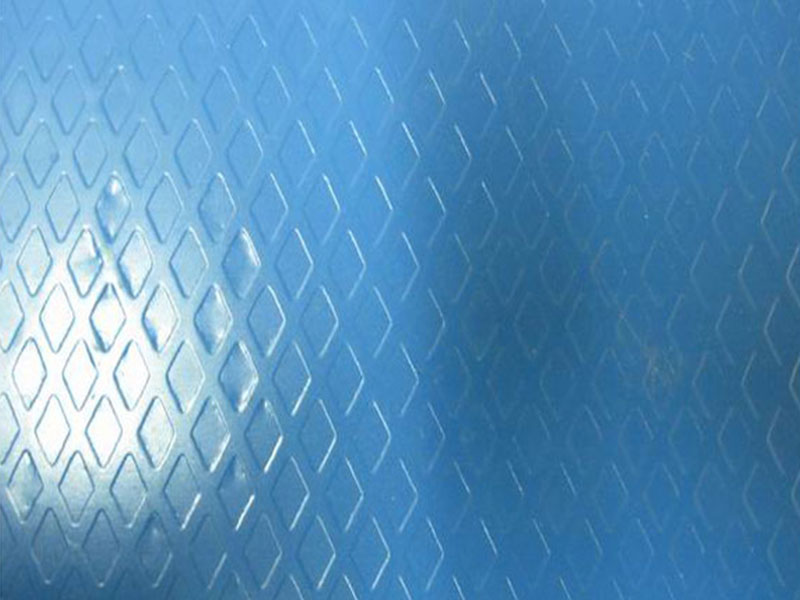
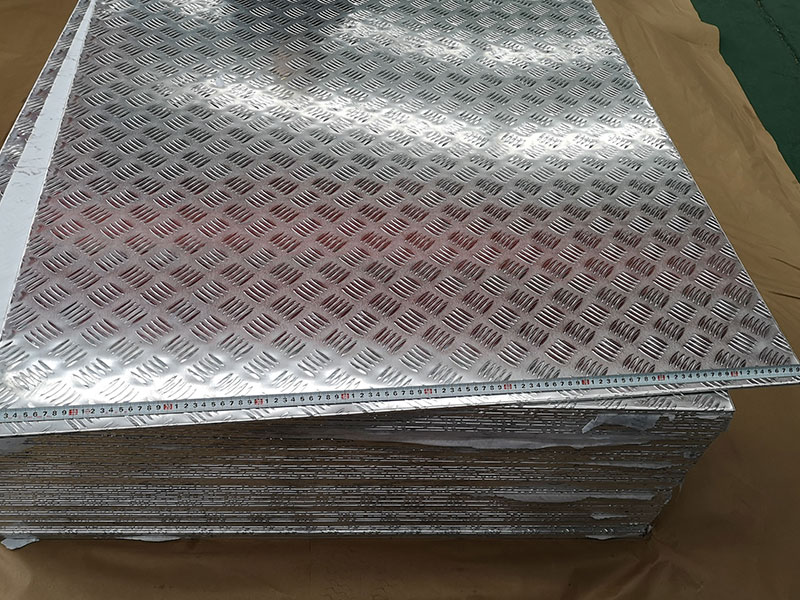
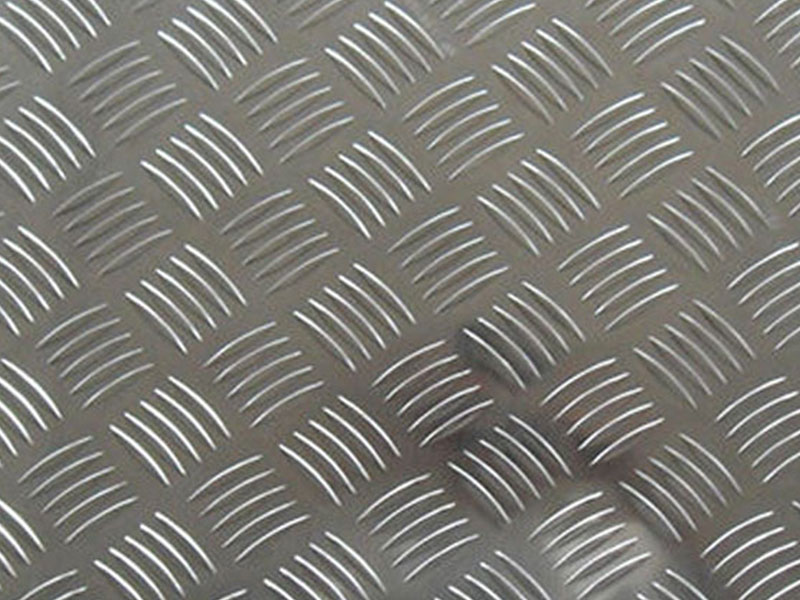
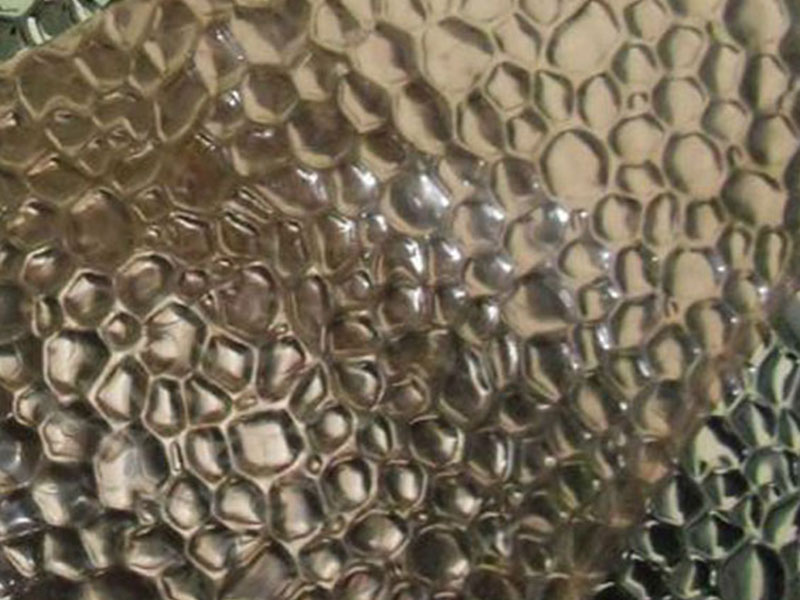
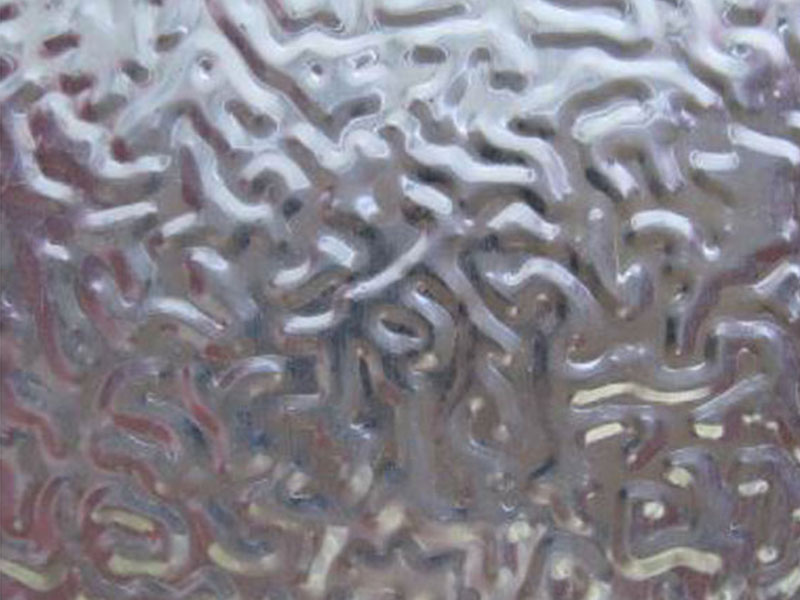
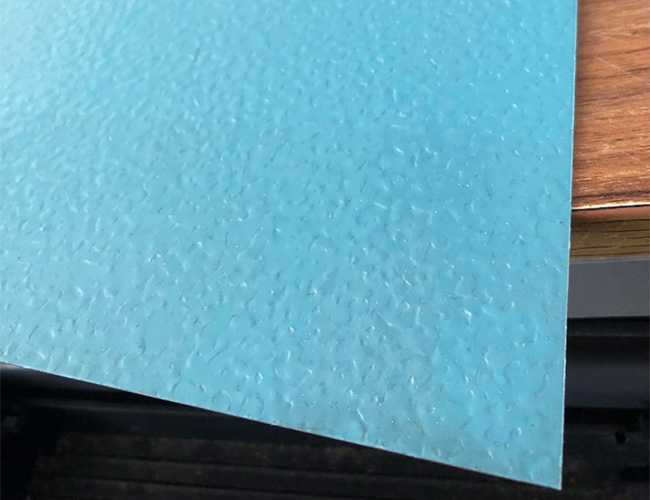
Embossed 5052-H14 aluminum sheet is a strain-hardened (H14 = half-hard) Al-Mg alloy sheet that has been mechanically embossed to create raised patterns-most commonly 3-bar tread (also called checker plate or diamond-style tread in some regions). The embossing improves:
- Anti-slip performance for walking/working surfaces
- Panel stiffness at the same thickness (better "feel" and reduced oil-canning)
- Cosmetic uniformity by helping mask minor surface handling marks
2) Features at a Glance
| Feature | What It Means | Customer Value |
|---|---|---|
| 5052 alloy (Al-Mg) | Magnesium-bearing alloy with strong marine corrosion resistance | Long service life in humid/salt-exposed environments |
| H14 temper | Half-hard, strain-hardened | Good strength while remaining formable for common bends |
| Embossed tread pattern | Raised 3-bar or similar pattern | Better traction + enhanced rigidity + improved aesthetics |
| Excellent weldability | Works well with common aluminum welding processes | Easy fabrication of platforms, guards, boxes |
| Lightweight | ~1/3 weight of steel at similar panel area | Easier handling, lower structural dead load |
3) Typical Applications & Use Cases
Embossed 5052-H14 is chosen where corrosion resistance + traction + light weight matter more than maximum strength.
Common Applications
- Walkways, stairs, ramps, and platforms (industrial and commercial)
- Truck bodies, trailers, utility vehicles (step plates, floor protection)
- Ship and dock components (non-structural decking, covers, lockers)
- Toolboxes, enclosures, machine guards (durable panels with good appearance)
- Cold-room, food, and clean facility surfaces (easy-to-clean, corrosion resistant)
- Architectural trims and decorative metalwork (patterned finish)
Where It's Especially Strong
- Outdoor exposure: rain, humidity, mild industrial atmospheres
- Marine-adjacent areas: splash zones, salty air (with proper design and maintenance)
- High-traffic surfaces: reduces slip risk compared with flat sheet
4) Chemical Composition (Alloy 5052)
5052 is an Al-Mg alloy known for excellent corrosion resistance and good fatigue performance. The composition below reflects common standard ranges.
| Element | Typical Range (wt.%) |
|---|---|
| Aluminum (Al) | Balance |
| Magnesium (Mg) | 2.2 – 2.8 |
| Chromium (Cr) | 0.15 – 0.35 |
| Iron (Fe) | ≤ 0.40 |
| Silicon (Si) | ≤ 0.25 |
| Copper (Cu) | ≤ 0.10 |
| Manganese (Mn) | ≤ 0.10 |
| Zinc (Zn) | ≤ 0.10 |
| Titanium (Ti) | ≤ 0.15 |
| Others (each / total) | ≤ 0.05 / ≤ 0.15 |
Why this matters: Magnesium is the main strengthening element and is a driver for 5052's saltwater and general corrosion resistance compared with many non-Mg alloys.
5) Mechanical Properties (5052-H14, Typical)
Mechanical values vary with thickness, producer practice, and test direction. The following represents typical/industry expectations for 5052-H14 sheet.
| Property | Typical Value |
|---|---|
| Tensile Strength (UTS) | 210 – 260 MPa |
| Yield Strength (0.2% offset) | 145 – 200 MPa |
| Elongation (A50, depending on thickness) | ~4 – 12% |
| Brinell Hardness (HBW) | ~55 – 70 |
Practical takeaway: H14 provides a balanced profile-stiffer and stronger than O temper, yet still workable for common fabrication (bending, rolling, cutting).
6) Physical & Performance Metrics
| Metric | Typical Value | Notes |
|---|---|---|
| Density | ~2.68 g/cm³ | Lightweight vs steel |
| Thermal Conductivity | ~130–150 W/m·K | Useful for covers and panels with heat dissipation |
| Electrical Conductivity | ~30–35% IACS | Not typically selected for electrical use, but adequate |
| Corrosion Resistance | Excellent | Especially in marine/industrial atmospheres |
| Weldability | Excellent | Common fillers: 5xxx series depending on service needs |
| Formability | Good | Embossing can reduce formability vs flat sheet |
7) Technical Specifications (Common Supply Options)
Embossed sheet is specified by alloy + temper + base thickness plus pattern height. Many suppliers quote "thickness" as base thickness (excluding pattern), while others quote overall. Always confirm.
| Parameter | Common Options | Notes |
|---|---|---|
| Alloy / Temper | 5052-H14 | Other tempers exist; H14 is common for tread sheet |
| Pattern | 3-bar (tread/checker) | Orientation and pitch can vary by mill |
| Base Thickness | 1.0–6.0 mm (common range) | Thin for covers, thicker for floors/ramps |
| Width | 1000 / 1220 / 1250 / 1500 mm (typical) | Custom slitting available |
| Length | 2000 / 2440 / 3000 / 6000 mm (typical) | Cut-to-length supported |
| Surface Finish | Mill finish, one-side embossed | Protective film optional |
| Flatness | Commercial tolerances | Embossing influences flatness perception |
8) Benefits: Why Customers Choose 5052-H14 Embossed Sheet
1) Safer Walking & Working Surfaces
The embossed pattern increases surface friction and helps channel away light debris or moisture-supporting safer steps and reduced slip incidents.
2) Better Panel Stiffness Without Extra Thickness
Embossing acts like a shallow reinforcement profile. Many users experience less flex versus flat sheet at the same gauge, improving perceived quality.
3) Corrosion Resistance That Reduces Maintenance
5052's Al-Mg chemistry is well-known for durability in humid and marine-adjacent service, making it a cost-effective lifecycle option.
4) Fabrication-Friendly for Real-World Shops
- Cuts well by shear/saw/laser (process selection depends on thickness and edge quality needs)
- Bends and forms with appropriate radii (consider tread orientation)
- Welds efficiently for frames, supports, and assemblies
9) Design & Processing Notes (To Get the Best Results)
| Topic | Recommendation | Reason |
|---|---|---|
| Thickness definition | Confirm base vs overall thickness | Prevent fit-up and load calculation errors |
| Pattern orientation | Align tread with traffic direction | Maximizes traction performance |
| Bending | Bend "with" pattern when possible; use adequate radius | Minimizes cracking and distortion |
| Surface protection | Use film during fabrication if cosmetic | Emboss hides marks, but handling can still scratch |
| Corrosion design | Avoid crevices; isolate from dissimilar metals | Reduces galvanic corrosion risk |
Embossed aluminum sheet Alloy 5052 H14 (3-bar tread) delivers a practical balance of anti-slip surface performance, corrosion resistance, moderate strength, and lightweight handling, making it an ideal choice for platforms, vehicle steps, protective floors, marine-adjacent panels, and industrial fabrication.
https://www.aluminumplate.net/a/embossed-aluminum-sheet-alloy-5052-3-h14.html