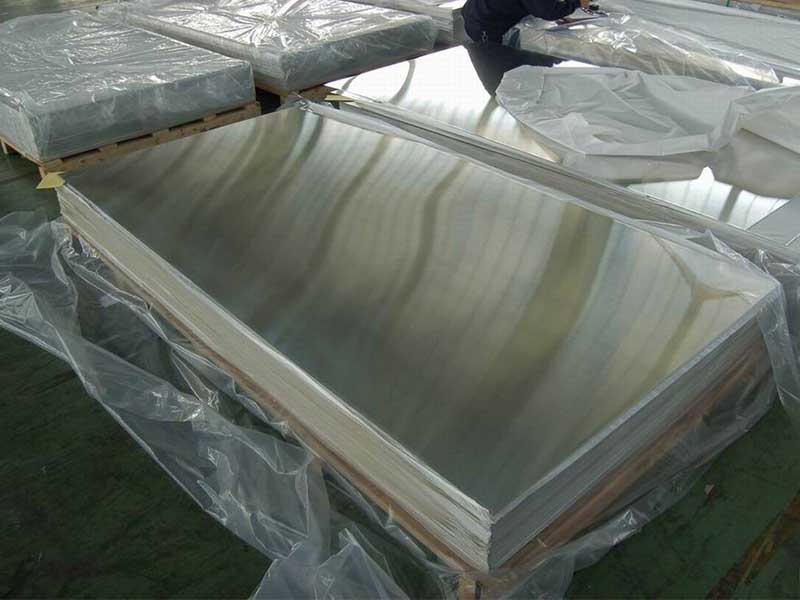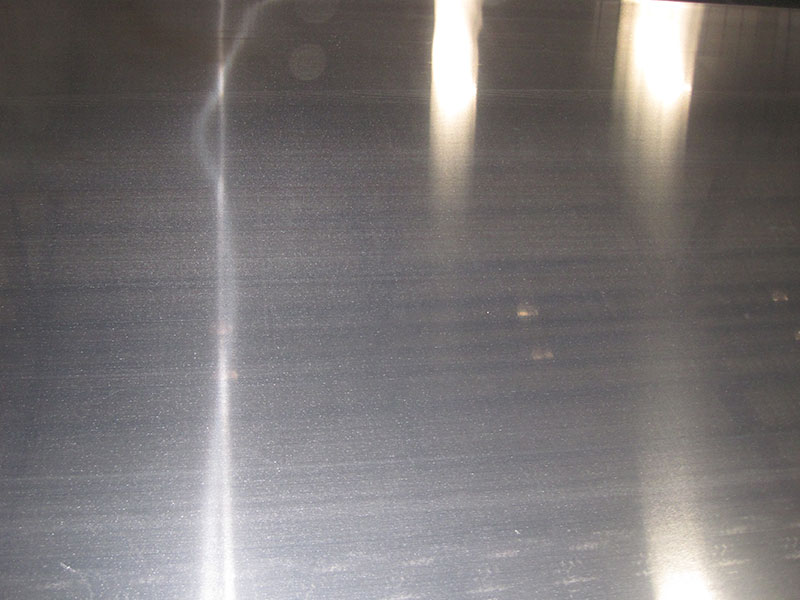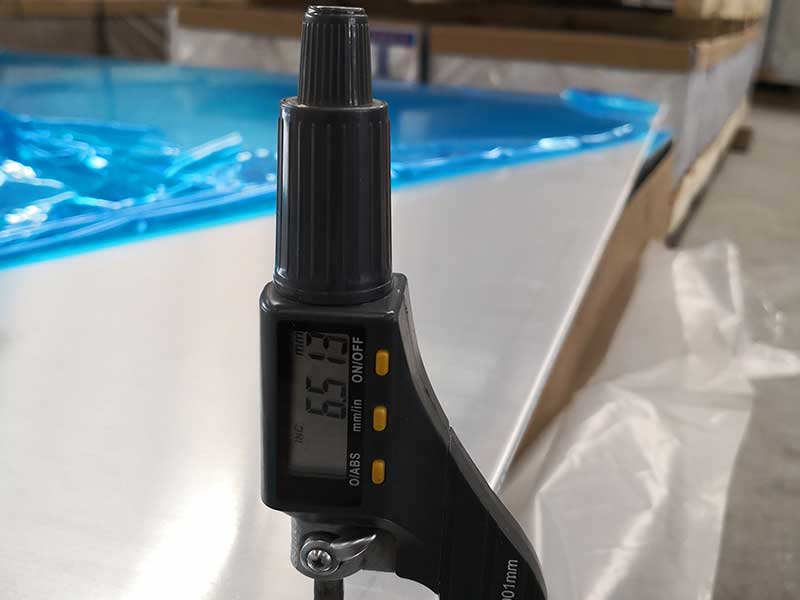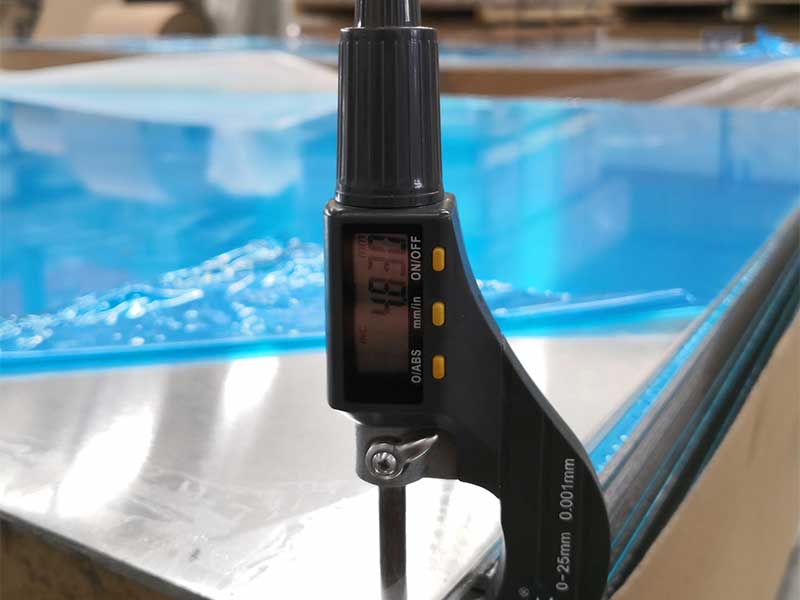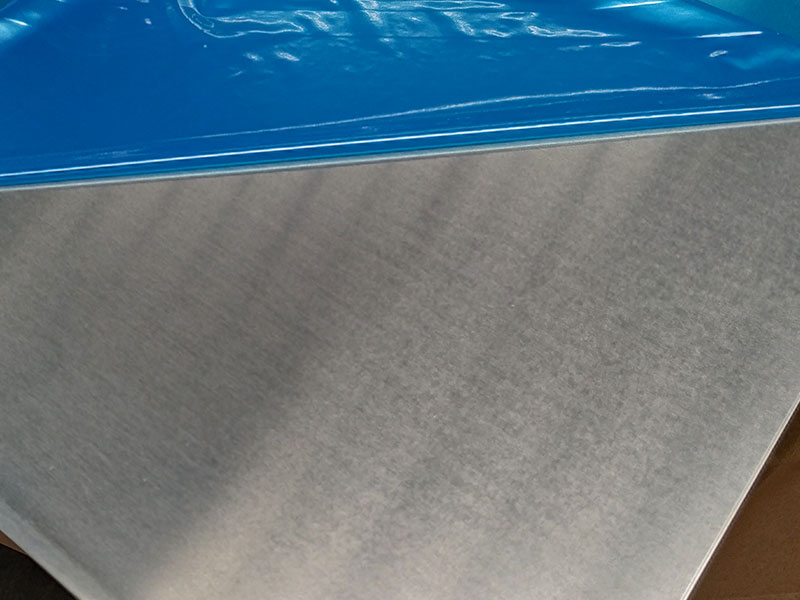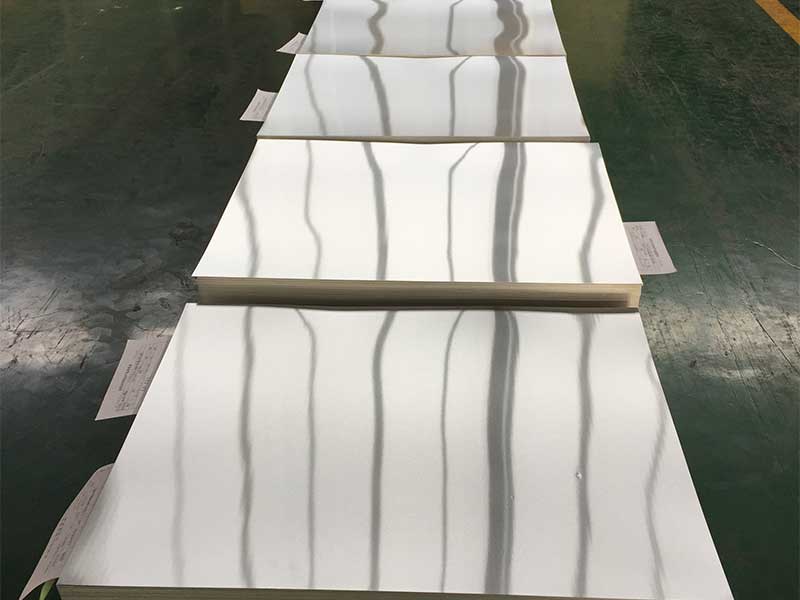

0.3mm aluminum plate
A 0.3mm aluminum plate (often also supplied as sheet or thin plate) is a lightweight, corrosion-resistant, highly formable material used where precision thickness, clean appearance, and reliable performance matter. At 0.3mm, the product sits in the sweet spot between foil-like flexibility and sheet-like rigidity-making it ideal for electronics, decorative panels, insulation layers, HVAC components, signage, and engineered laminates.
What Makes 0.3mm Special?
At 0.3mm thickness, aluminum offers a distinct performance profile:
- Excellent formability for bending, stamping, and light drawing (especially in annealed tempers).
- Low mass with functional stiffness, enabling lightweight assemblies without the fragility of ultra-thin foil.
- Fast thermal response, useful for heat spreading, shielding, and insulation facings.
- Strong corrosion resistance (particularly in 1xxx/3xxx/5xxx series) for indoor and many outdoor uses.
- Surface versatility: mill finish, brushed, anodized-ready, coated, or laminated.
Common Alloys and Why They're Chosen
Not all "0.3mm aluminum plate" is the same-alloy and temper determine strength, corrosion behavior, and formability. The most widely used families are below.
Alloy Selection Guide (Typical)
| Alloy Series | Common Grades | Strength | Primary Advantages | Typical Uses |
|---|---|---|---|---|
| 1xxx (Pure Al) | 1050, 1060, 1100 | Low | Best conductivity, excellent corrosion resistance, easy forming | Reflectors, insulation facing, nameplates |
| 3xxx (Al-Mn) | 3003 | Medium | Good formability + better strength than 1xxx | HVAC fins, general fabrication, panels |
| 5xxx (Al-Mg) | 5052 | Medium–High | Great corrosion resistance (marine/industrial), good fatigue | Enclosures, brackets, signage, hardware |
| 8xxx (Specialty foil alloys) | 8011 (varies) | Low–Medium | Stable thin gauge rolling, packaging-oriented | Laminates, specialty thin sheet uses |
Technical Specifications (Typical Supply Range)
The table below reflects common industrial supply expectations for 0.3mm sheet/plate. Actual capability depends on mill and finishing route.
| Item | Typical Value / Options |
|---|---|
| Nominal thickness | 0.30 mm |
| Thickness tolerance (typical) | ±0.02 mm to ±0.05 mm (by standard and width) |
| Width range | 100–1500 mm (common), slitted strips available |
| Length | 500–6000 mm (sheet) or coil form |
| Supply form | Sheet, coil, slit coil |
| Surface finish | Mill finish, brushed, bright, anodizing-quality, coated (PE/PVDF), laminated |
| Flatness control | Standard flatness; improved flatness on request for printing/lamination |
| Edge | Mill edge or slit edge |
| Standards (examples) | ASTM B209 / EN 485 / JIS H4000 (per alloy/temper) |
Chemical Composition (Representative Ranges)
Chemical composition depends on alloy. Below are typical reference ranges used in industry (confirm to your governing standard and mill certificate).
1050 (1xxx series, high purity)
| Element | Typical % |
|---|---|
| Al | ≥ 99.5 |
| Si | ≤ 0.25 |
| Fe | ≤ 0.40 |
| Cu | ≤ 0.05 |
| Mn | ≤ 0.05 |
| Mg | ≤ 0.05 |
| Zn | ≤ 0.05 |
| Ti | ≤ 0.03 |
3003 (3xxx series, Al-Mn)
| Element | Typical % |
|---|---|
| Al | Balance |
| Mn | 1.0–1.5 |
| Cu | 0.05–0.20 |
| Si | ≤ 0.60 |
| Fe | ≤ 0.70 |
| Mg | ≤ 0.05 |
| Zn | ≤ 0.10 |
| Ti | ≤ 0.10 |
5052 (5xxx series, Al-Mg)
| Element | Typical % |
|---|---|
| Al | Balance |
| Mg | 2.2–2.8 |
| Cr | 0.15–0.35 |
| Si | ≤ 0.25 |
| Fe | ≤ 0.40 |
| Cu | ≤ 0.10 |
| Mn | ≤ 0.10 |
| Zn | ≤ 0.10 |
| Ti | ≤ 0.10 |
Mechanical Properties (Typical at 0.3mm)
Mechanical performance is driven mainly by temper (O, H14, H24, H32, etc.). Thin gauge can show slightly different behavior than thick plate, but the values below are good selection-level references.
| Alloy | Temper | Tensile Strength (MPa) | Yield Strength (MPa) | Elongation (%) | Forming Note |
|---|---|---|---|---|---|
| 1050 | O | 60–100 | 20–35 | 20–35 | Best for deep forming |
| 3003 | H14 | 130–170 | 110–140 | 3–8 | Good for light stamping |
| 3003 | O | 90–130 | 35–55 | 15–30 | Balanced forming + strength |
| 5052 | H32 | 210–260 | 150–200 | 4–10 | Stronger, still bendable |
| 5052 | O | 170–230 | 60–90 | 15–25 | Best bend radius capability |
Note: If your part has tight bend radii, specify minimum inside bend radius requirements (e.g., "bend 90° with R/t ≤ 1") and request test coupons.
Performance Metrics Customers Care About (Thin Gauge Reality)
| Metric | Why it Matters at 0.3mm | Practical Benefit |
|---|---|---|
| Weight | Extremely low mass per area | Easier handling, lower shipping costs |
| Thermal conductivity | Aluminum spreads heat quickly | Better thermal management in housings/panels |
| Corrosion resistance | Natural oxide layer + alloy chemistry | Longer service life, less repainting |
| Formability | Thin sheet forms easily | Faster production, fewer forming steps |
| Surface quality | Printing/coating shows defects easily | Better aesthetics, branding readiness |
| Dimensional stability | Coil set, waviness, camber become visible | Cleaner assembly, better lamination yield |
Typical Applications and Use Cases
1) Electronics and Electrical Enclosures
0.3mm aluminum plate is commonly used as covers, internal shields, and lightweight skins. It provides EMI shielding support (often as part of a system design), helps spread heat, and keeps products light.
Best-fit alloys/tempers: 3003-O/H14, 5052-H32 (when stiffness is needed)
2) HVAC, Insulation, and Building Systems
Thin aluminum is widely used for insulation jacketing facings, HVAC liners, and reflective barriers, where corrosion resistance and low weight are critical.
Best-fit alloys/tempers: 1050/1060 (reflectivity), 3003 (durability and handling)
3) Decorative Panels, Signage, and Trim
At 0.3mm, aluminum can be laminated to composites, bonded to substrates, or used in interior trim. Surface options like brushing, coating, or anodizing-friendly quality help achieve premium appearance.
Best-fit alloys/tempers: 1050/1100 (surface), 5052 (dent resistance)
4) Stamping, Light Forming, and Fabrication
Small brackets, formed profiles, and stamped parts can use 0.3mm sheet for high-volume production, where consistent thickness and predictable forming behavior reduce scrap.
Best-fit alloys/tempers: 3003-O for forming, 3003-H14 for stiffness
5) Laminated and Bonded Structures
0.3mm aluminum is often used as a skin layer in sandwich panels, foam-backed assemblies, honeycomb panels, and adhesive-bonded structures.
Best-fit alloys/tempers: 3003, 5052 depending on mechanical demand
Benefits (Customer-Facing Value)
| Benefit | What It Means in Real Projects |
|---|---|
| Lightweight strength | Lower system weight without sacrificing basic rigidity |
| Excellent corrosion resistance | Suitable for humid environments and many outdoor applications |
| Superior formability (in O temper) | Enables complex shapes with fewer cracks and wrinkles |
| Surface versatility | Easy to paint, print, laminate, or anodize (with correct grade/quality) |
| Cost-effective | Efficient material usage, fast processing, widely available alloys |
How to Specify 0.3mm Aluminum Plate Correctly (Avoid Costly Misorders)
When customers say "0.3mm aluminum plate," the most common missing details are alloy, temper, finish, and flatness. A strong purchase specification typically includes:
| Parameter | Example Specification |
|---|---|
| Alloy & temper | 3003-H14 or 5052-H32 (as required) |
| Thickness | 0.30 mm (tolerance per ASTM/EN) |
| Width/length or coil ID/OD | 1000 mm × 2000 mm sheet, or coil ID 508 mm |
| Finish | Mill finish / brushed / coated / anodizing-quality |
| Protective film | PE film one side (for cosmetic surfaces) |
| Flatness requirement | "For printing/lamination-tight flatness" |
| Application note | "Stamping + bending, cosmetic side A" |
| Certification | Mill test certificate, RoHS/REACH if required |
A 0.3mm aluminum plate is a high-value thin-gauge material combining low weight, corrosion resistance, formability, and surface adaptability. By choosing the right alloy (such as 1050, 3003, or 5052) and matching the temper to your fabrication method, you can achieve reliable forming, consistent appearance, and long-term durability-whether the end use is electronics, HVAC, decorative panels, signage, or laminated structures.