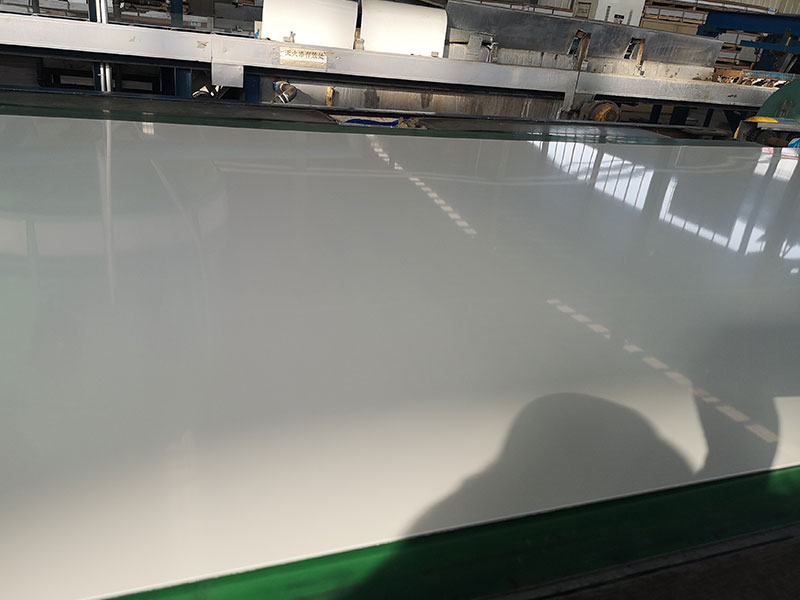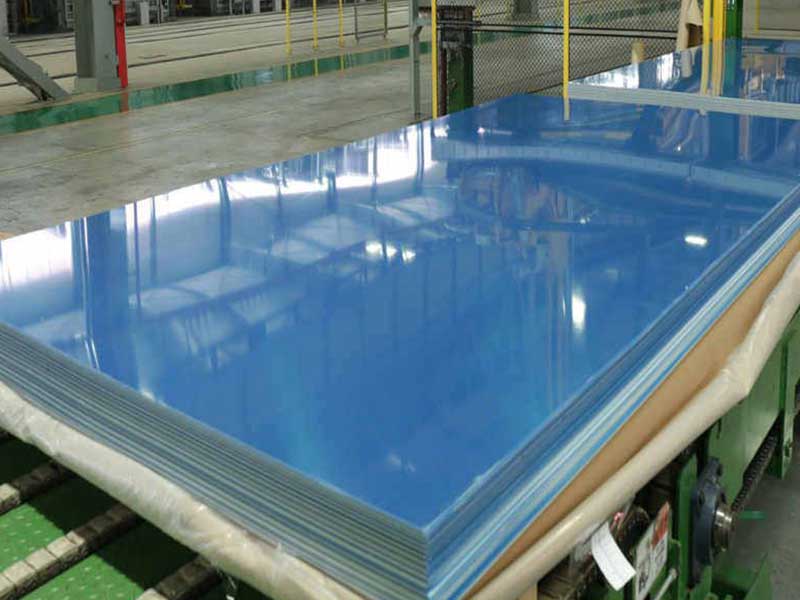

Aluminium sheet 4x8
Aluminium Sheet 4x8: Think of It as a "Standard Platform," Not Just a Size
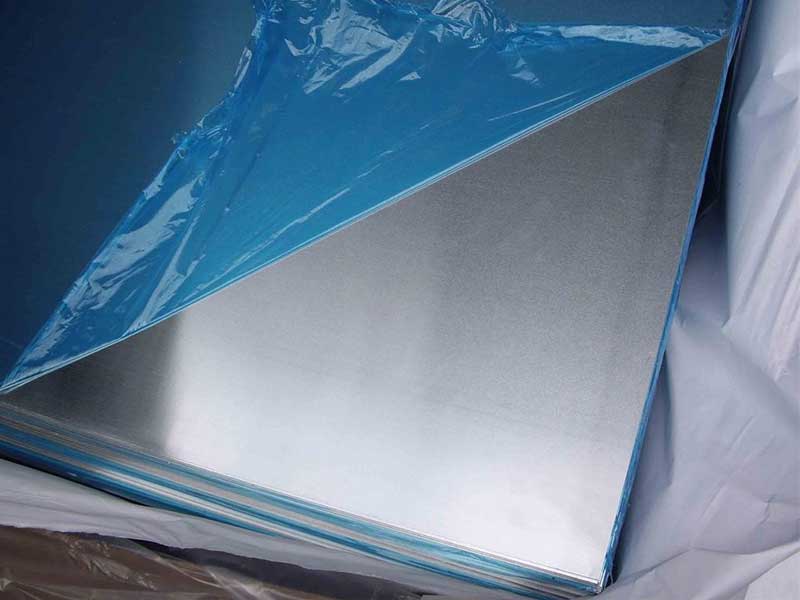
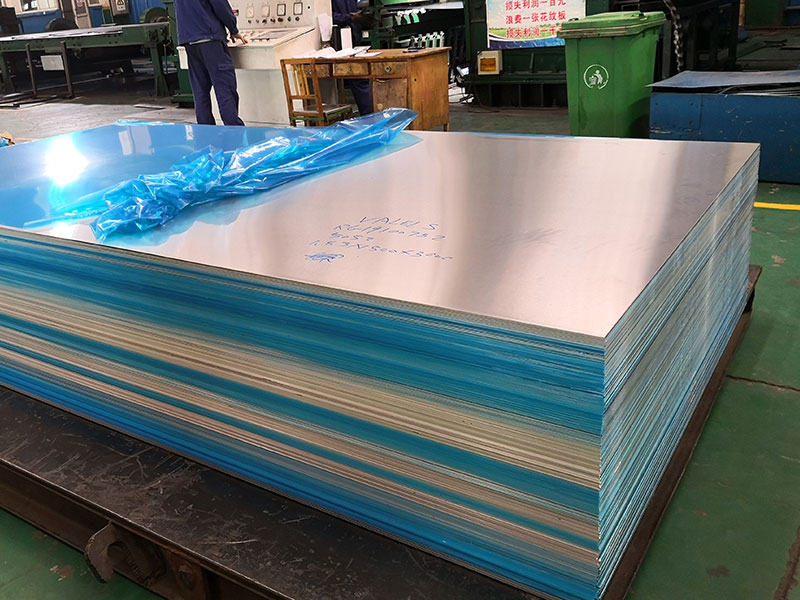
When customers search for an aluminium sheet 4x8, they're often looking for a simple specification: 4 ft × 8 ft (1219 × 2438 mm). But the more useful way to view it is as a standard platform-a sheet format that simplifies design, cutting, quoting, transport, and production across many industries.
Below is a practical, customer-friendly guide from that perspective.
1) Why 4x8 Became the "Default" Sheet Format
A 4x8 aluminium sheet fits neatly into real-world workflows:
- Optimized for fabrication: Many CNC routers, shear tables, and press brake setups are built around 4x8 handling.
- Easy logistics: Fits common pallets, racks, and trucks with fewer special arrangements.
- Predictable material yield: Designers can plan parts with less scrap because the base size is familiar and widely supported.
In short, 4x8 isn't just a dimension-it's a production convenience standard.
2) The Three Decisions That Matter More Than "4x8"
Most project issues don't come from the length and width-they come from these choices:
A) Alloy: Strength vs Formability vs Corrosion
Common 4x8 sheet alloys include:
- 1050 / 1100: Excellent corrosion resistance and forming, very soft-good for decorative and chemical environments.
- 3003: Great general-purpose alloy, easy to bend and fabricate, widely used for panels and covers.
- 5052: Stronger and more corrosion-resistant (especially marine/industrial), bends well-excellent for enclosures and brackets.
- 6061: Higher strength, good machining, not as forgiving for tight bends-often chosen for structural components.
- 5083: High strength and marine-grade performance-popular for shipbuilding and heavy-duty applications.
If you tell a supplier only "4x8 aluminium sheet," you might get a material that cuts fine but bends poorly, or one that forms beautifully but lacks strength.
B) Temper: How the Sheet Will Behave in Your Shop
Temper controls hardness and bendability:
- O (Annealed): Best for deep forming, easiest to bend.
- H14 / H32 (Strain hardened): Stronger, still workable-common for 3003 and 5052.
- T6 (Heat treated): Strong and stable-common for 6061, but can crack on small-radius bends.
A practical rule: If bending is critical, confirm the temper before ordering.
C) Thickness: Stiffness Changes Fast
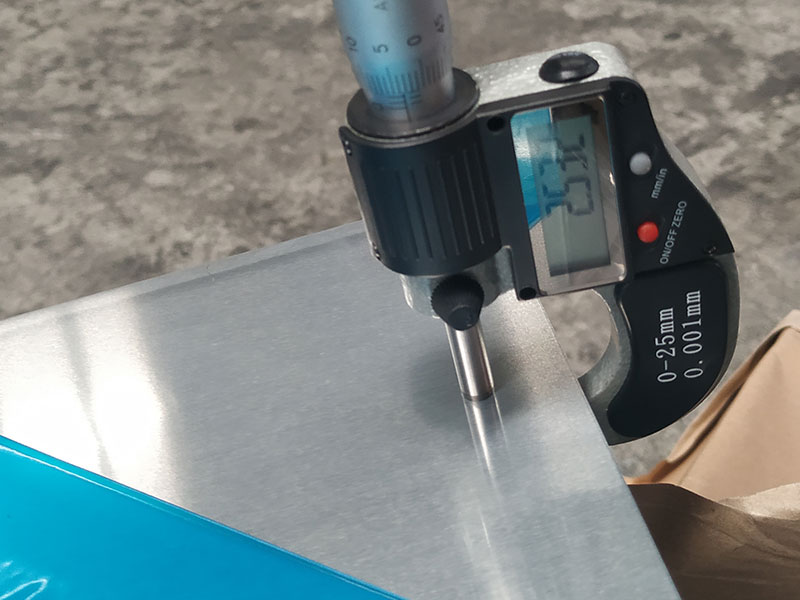
Thickness determines weight, stiffness, and forming difficulty. Common 4x8 thicknesses range from 0.5 mm to 6 mm, with heavier plate also available in similar formats.If you're unsure, tell your supplier:
- required span (unsupported distance),
- expected load or impact,
- whether it's decorative or structural.
They can recommend a thickness that avoids oil-canning or vibration.
3) Surface Finish: What Customers Notice First
Many 4x8 aluminium sheets are chosen for appearance as much as function:
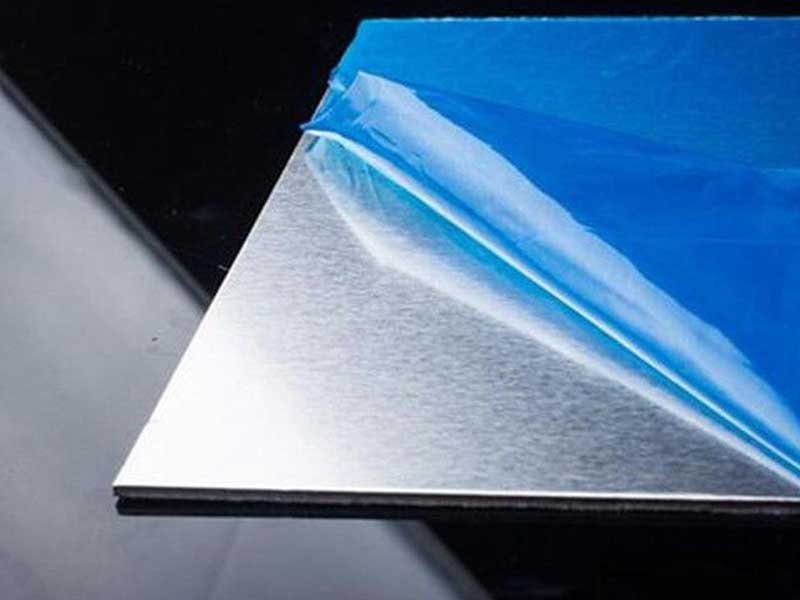
- Mill finish: Standard, economical, may have minor marks from processing.
- Brushed / hairline: Popular for appliance panels and decorative cladding.
- Mirror finish: High reflectivity-handle carefully to avoid scratches.
- Anodized: Hard, corrosion-resistant, color options; ideal for visible architectural parts.
- PVDF / powder-coated: Excellent for exterior panels and long-term color stability.
- Stucco embossed: Hides dents and fingerprints-common for insulation jacketing and trailer panels.
If the sheet is "customer-facing," finish selection often matters more than alloy.
4) Tolerance and Flatness: The Quiet Requirements That Prevent Rework
For laser cutting, CNC routing, and panel assembly, two details reduce headaches:
- Thickness tolerance: Important for tight-fit assemblies and bending calculations.
- Flatness: Critical for signage, skins, doors, and large panels.
If your job involves tight seams or visible flat surfaces, specify flatness expectations up front.
5) Common Customer Use Cases (And the Best-Fit Choices)
- General panels, ducting, covers: 3003-H14 (good formability, cost-effective)
- Marine, outdoor enclosures, corrosive environments: 5052-H32 or 5083
- Machined parts, fixtures, structural frames: 6061-T6 (if bending is limited)
- Decorative cladding: anodized or brushed sheets, often 3003/5052 depending on forming needs
6) What to Tell Your Supplier for a Fast, Accurate Quote
To get the right 4x8 sheet quickly, provide:
- Alloy (e.g., 5052, 6061)
- Temper (H32, T6, O, etc.)
- Thickness
- Finish (mill, brushed, anodized, coated)
- Quantity (sheets or total weight)
- Processing needs (cut-to-size, protective film, bending suitability)
This avoids the most common mis-order: correct size, wrong performance.
Bottom Line
A 4x8 aluminium sheet is best understood as a ready-to-use manufacturing platform: easy to source, easy to handle, and compatible with standard fabrication equipment. The real value comes from matching alloy + temper + thickness + finish to how you'll cut, bend, expose, and display the sheet.