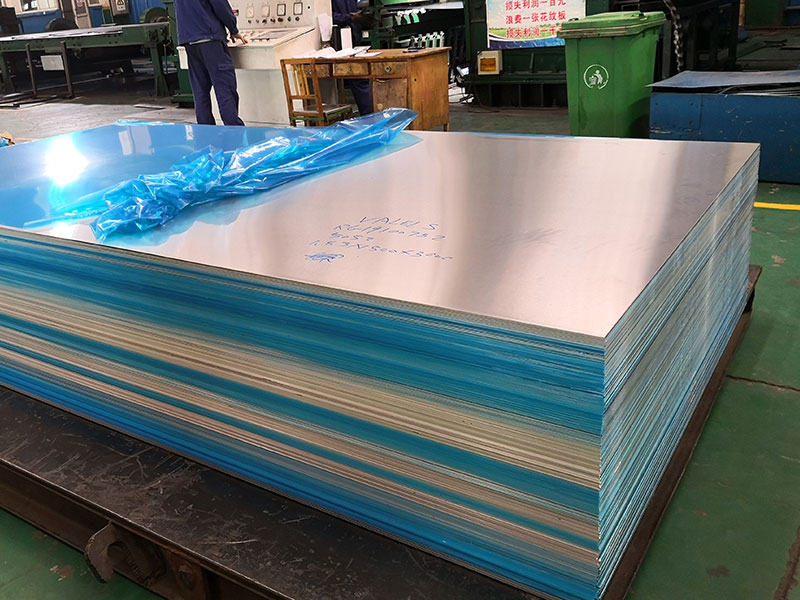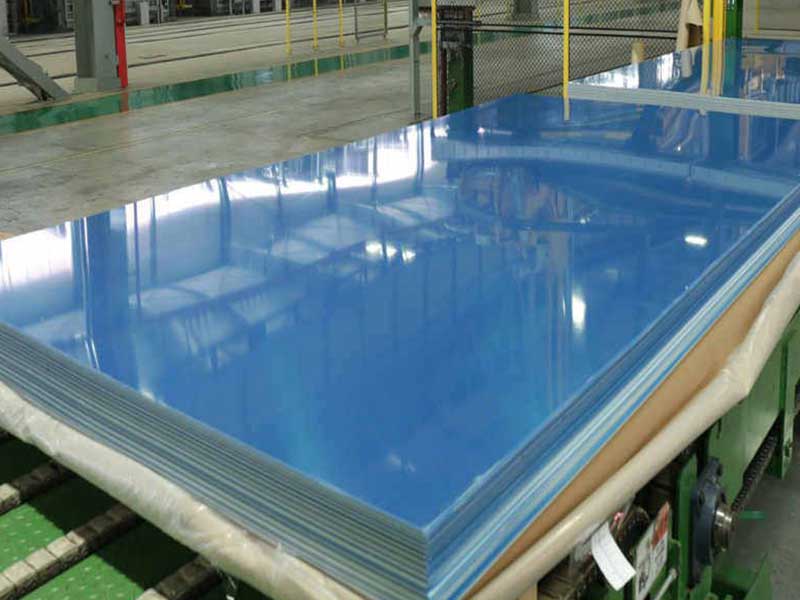

6061 aluminium plate
When people talk about "6061 aluminium plate," they often describe it like a dependable tool: strong enough to trust, light enough to carry, and forgiving enough to machine without drama. But a more revealing way to look at 6061 plate is as a translator between worlds. It translates design intent into manufacturable parts, workshop reality into repeatable quality, and harsh service conditions into long, uneventful life. In fabrication shops, it sits quietly at the crossroads of welding, machining, anodizing, forming, and structural duty-rarely the most glamorous alloy on the rack, yet frequently the one that keeps schedules intact.
The personality of 6061: balance as a feature, not a compromise
6061 is an Al-Mg-Si alloy. That chemistry matters because magnesium and silicon form Mg₂Si, the strengthening phase that responds well to heat treatment. In practical terms, 6061 offers a deliberate balance: medium-to-high strength, good corrosion resistance, stable machining behavior, and respectable weldability. Many alloys excel sharply in one direction-ultra-high strength, or premium corrosion resistance, or best-in-class formability. 6061 doesn't chase the extremes. Instead, it behaves predictably across many processes, which is exactly what engineers and buyers mean when they call it "versatile."
From a buyer's perspective, this balanced temperament reduces hidden costs. Tool wear is manageable. Distortion is controllable. Welding procedures are well understood. Anodizing is usually straightforward. That's why 6061 plate shows up in everything from base plates and machine frames to marine fittings, jigs, fixtures, robotics, brackets, and general structural components.
What "plate" really implies in daily use
"Plate" is more than thickness. Plate is an expectation: flatter stock, better dimensional stability, and a stronger likelihood the material was produced and stress-relieved with demanding applications in mind. In the 6061 family, plate is commonly supplied in tempers that support machining and structural performance.
A frequent misconception is that any 6061 is interchangeable. In reality, the temper and product form shape how the material behaves during machining, welding, and service. For example, a thin sheet and a thick plate may share the same alloy designation, but they can respond differently to heat input, residual stress, and distortion.
If your part is a precision-machined fixture plate, a stable plate temper and a reputable producer matter as much as the alloy name. If your part is a welded frame, the "after welding" strength profile becomes the deciding factor, not the catalog tensile value.
Temper conditions: where the alloy reveals its real intent
6061's strength is not just chemistry; it is processing history. The most common tempers for plate include:
T6: Solution heat-treated and artificially aged. This is the go-to condition when you want higher strength and good machinability. It's widely used for CNC parts, structural plates, and general engineering components.
T651: T6 plus stress-relieving by stretching. This temper is especially valued in plate because it reduces residual stress, improving dimensional stability during machining. If you've ever chased flatness across a large pocketed plate, you already understand why T651 is often worth requesting explicitly.
O: Annealed. Softer, more formable, lower strength. Less common for plate-driven structural needs but useful when forming is dominant and heat treat can be performed later if applicable.
In procurement language, it's not enough to say "6061 plate." For precision machining, "6061-T651 plate" is usually the more meaningful purchase description.
Implementation standards and practical purchasing cues
To keep expectations aligned between buyer, fabricator, and end user, 6061 plate is often supplied to recognized standards. Common references include:
ASTM B209 for aluminium and aluminium-alloy sheet and plate
EN 485 series for aluminium alloy sheet, strip, and plate in Europe
GB/T standards in China for wrought aluminium products, depending on region and project requirements
A good purchasing habit is to confirm the standard, temper, thickness tolerance, flatness expectation, and inspection documentation. For critical applications, request material test reports and clarify whether the plate is stress-relieved (such as T651). If the plate will be anodized for cosmetic finish, discuss surface quality requirements early; "mill finish" is not the same thing as "anodizing-grade appearance."
Typical parameters that matter more than brochure claims
Design tables love ultimate tensile strength, but shop-floor success often depends on different parameters:
Machining stability: T651 plate helps reduce movement after heavy material removal.
Weld behavior: 6061 is weldable, but the heat-affected zone softens; joint design should respect that.
Corrosion environment: 6061 performs well in many atmospheres; in aggressive marine or chemical exposure, additional protection or alloy selection may be warranted.
Thickness effects: very thick plate can behave differently in heat transfer, distortion control, and achievable properties, so use thickness-appropriate expectations and qualified suppliers.
Welding and post-weld reality: a calm alloy with one predictable caveat
6061 is generally friendly to welding processes such as TIG and MIG. The caveat is structural: the heat-affected zone in precipitation-hardened aluminium loses strength because the careful T6/T651 aging condition is locally altered. Designers who treat a welded 6061-T6 joint as if it retains full parent strength often learn the hard way.
Common filler alloys include 4043 and 5356, selected based on strength needs, crack sensitivity, and service environment. If maximum post-weld strength is required, some assemblies may use post-weld heat treatment, but that is not always practical for large structures due to distortion and furnace size constraints. In many real products, joint design, weld sizing, and realistic allowables are the smarter path.
Anodizing and surface behavior: the aesthetic and the practical
6061 anodizes well and is widely used for protective and decorative anodized components. Because it contains silicon and magnesium, the final appearance can vary depending on source material, grain structure, and surface preparation. For parts where appearance is critical, keep the supply chain consistent and specify finishing steps clearly, including bead blasting or brushing direction and acceptable color variation.
Chemical composition table (typical limits)
6061 composition is governed by standards; the table below reflects commonly used limits (weight percent). Always verify against the applicable standard for your contract.
| Element | Composition (wt. %) |
|---|---|
| Si | 0.40–0.80 |
| Fe | ≤ 0.70 |
| Cu | 0.15–0.40 |
| Mn | ≤ 0.15 |
| Mg | 0.80–1.20 |
| Cr | 0.04–0.35 |
| Zn | ≤ 0.25 |
| Ti | ≤ 0.15 |
| Others (each) | ≤ 0.05 |
| Others (total) | ≤ 0.15 |
| Al | Balance |
A more useful way to specify 6061 plate
If you want 6061 plate to behave like the reliable translator it is, specify it like you mean it. State the temper that matches your process, especially T651 for machined plates. Call out the standard, thickness tolerance, and any flatness or inspection requirements. If welding is involved, design with the softened heat-affected zone in mind rather than relying on parent-metal values. If anodizing matters, control surface preparation and keep sources consistent.
In other words, 6061 aluminium plate isn't just "metal stock." It's a carefully engineered compromise that becomes exceptional when you treat it as a system: alloy plus temper plus standard plus process plan. That's the unique strength of 6061-not that it is perfect, but that it stays dependable while you do imperfect, real-world manufacturing.