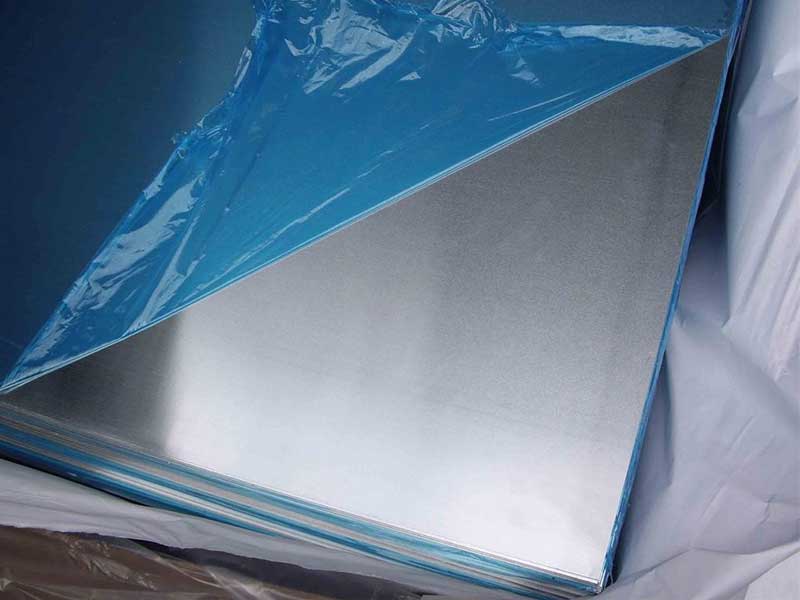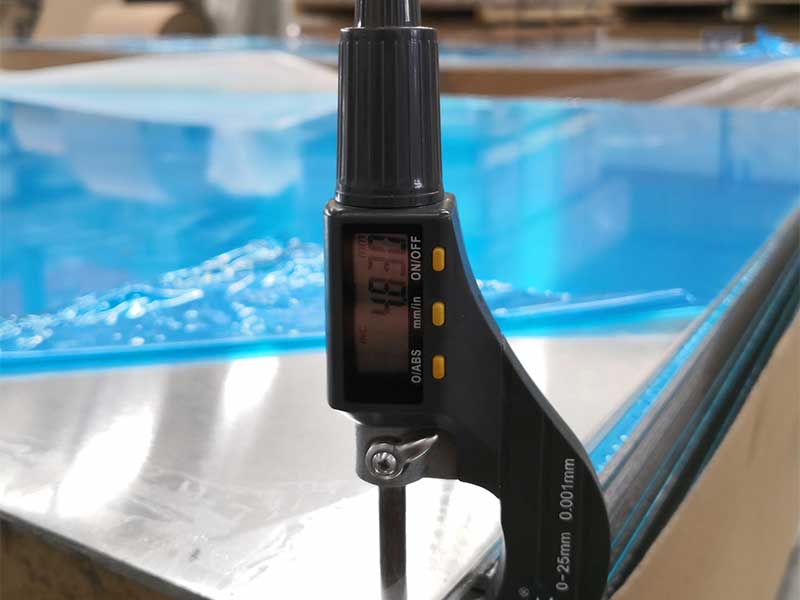

Aluminum sheet metal sheets 4x8
Aluminum sheet metal sheets in the 4x8 format (48 in × 96 in, or approximately 1219 mm × 2438 mm) are a shop-friendly standard for fabrication, construction, signage, transportation, and general industrial use. The appeal is simple: a large, consistent working area that nests efficiently in CNC routers, shears, press brakes, and laser/waterjet workflows-while delivering aluminum's signature combination of low weight, corrosion resistance, and excellent formability.
Why 4x8 aluminum sheets are a go-to format
A 4x8 sheet is often the "sweet spot" between coverage and handling. It provides broad surface area for panels and enclosures while still fitting typical material racks, cutting tables, and shipping pallets.
Customer-facing benefits that matter in real projects
- Efficient layout and low scrap for rectangular parts and panelized designs
- Faster quoting and planning because 4x8 is an industry baseline size
- Reliable flatness and thickness control when purchased to common ASTM/EN practices
- Wide alloy availability, from high-formability grades to stronger structural sheet
- Finish versatility, including mill finish, brushed, anodizing-ready, or painted coil-derived surfaces
Common alloys used for 4x8 aluminum sheet
Different jobs demand different alloys. For most buyers, the decision is driven by forming requirements, corrosion environment, weldability, and strength.
Typical alloy selection guide
| Alloy (Series) | Strength Level | Formability | Corrosion Resistance | Weldability | Common Uses |
|---|---|---|---|---|---|
| 1100 (1xxx) | Low | Excellent | Excellent | Excellent | Chemical tanks (light duty), reflectors, decorative sheet, deep drawing |
| 3003 (3xxx) | Low–Medium | Excellent | Excellent | Good | General sheet metal, HVAC, roofing, trim, gutters, signage |
| 5052 (5xxx) | Medium | Very good | Excellent (marine-friendly) | Excellent | Marine panels, enclosures, fuel tanks, brackets, appliance panels |
| 6061 (6xxx) | Medium–High | Fair–Good | Very good | Good–Excellent | Structural panels, frames, base plates, machined parts after cutting |
| 5083 (5xxx) | High | Good | Excellent (marine) | Excellent | Shipbuilding, heavy-duty transportation panels, high strength plate-like sheet |
Chemical composition (typical ranges)
Composition can vary by specification and producer. The table below provides commonly referenced typical ranges for widely used sheet alloys.
| Alloy | Si (%) | Fe (%) | Cu (%) | Mn (%) | Mg (%) | Cr (%) | Zn (%) | Al (%) |
|---|---|---|---|---|---|---|---|---|
| 1100 | ≤0.95 (Si+Fe combined typical) | - | 0.05–0.20 | ≤0.05 | - | - | ≤0.10 | ≥99.00 |
| 3003 | ≤0.60 | ≤0.70 | 0.05–0.20 | 1.00–1.50 | - | - | ≤0.10 | Balance |
| 5052 | ≤0.25 | ≤0.40 | ≤0.10 | ≤0.10 | 2.20–2.80 | 0.15–0.35 | ≤0.10 | Balance |
| 6061 | 0.40–0.80 | ≤0.70 | 0.15–0.40 | ≤0.15 | 0.80–1.20 | 0.04–0.35 | ≤0.25 | Balance |
Notes: "Balance" indicates aluminum as the remainder. Always confirm with the mill test certificate for compliance-critical projects.
Temper options and what they mean in practice
The temper defines the sheet's mechanical condition-how it was strain-hardened or heat-treated-and strongly affects bending behavior, strength, and dent resistance.
| Temper | Typical Meaning | Practical Impact in Fabrication |
|---|---|---|
| O (Annealed) | Fully softened | Best for deep forming and tight bends; lowest strength |
| H14 / H24 | Strain hardened (partially) | Better dent resistance; still bends well for general sheet metal work |
| H32 | Stabilized strain hardened | Common in 5052; good balance of strength and formability |
| T4 | Solution heat treated + naturally aged | Better formability than T6; used when shaping is needed |
| T6 | Solution heat treated + artificially aged | Higher strength; bending radii often need to be larger |
Technical specifications for "4x8" sheet
While "4x8" defines the footprint, buyers usually need clarity on thickness, tolerances, and practical weights for handling and shipping.
Size, thickness, and weight reference
| Parameter | Imperial | Metric |
|---|---|---|
| Nominal sheet size | 48 in × 96 in | 1219 mm × 2438 mm |
| Surface area | 32 ft² | 2.97 m² |
| Density of aluminum (typical) | 0.0975 lb/in³ | 2700 kg/m³ |
Weight per 4x8 sheet by thickness (approx.)
| Thickness | Thickness | Weight (approx.) |
|---|---|---|
| 0.032 in | 0.81 mm | 10.0 lb (4.5 kg) |
| 0.040 in | 1.02 mm | 12.5 lb (5.7 kg) |
| 0.050 in | 1.27 mm | 15.6 lb (7.1 kg) |
| 0.063 in | 1.60 mm | 19.7 lb (8.9 kg) |
| 0.080 in | 2.03 mm | 25.0 lb (11.3 kg) |
| 0.100 in | 2.54 mm | 31.2 lb (14.2 kg) |
| 0.125 in | 3.18 mm | 39.0 lb (17.7 kg) |
| 0.190 in | 4.83 mm | 59.3 lb (26.9 kg) |
| 0.250 in | 6.35 mm | 78.0 lb (35.4 kg) |
Weights are calculated from density and nominal dimensions. Actual shipped weights vary with tolerance and alloy.
Feature highlights customers notice immediately
Lightweight strength that improves handling and installed performance
Switching from steel to aluminum often reduces panel weight dramatically. For large 4x8 panels, that translates into easier installation, lower shipping costs, and less structural load on frames and supports.
Corrosion resistance that fits real environments
Alloys like 5052 excel in humid, coastal, or splash-prone areas. For outdoor enclosures, trailer skins, marine panels, and architectural trim, this can reduce coating burden and extend service life.
Clean fabrication across common shop processes
4x8 aluminum sheet is compatible with shearing, routing, punching, forming, and welding-provided the alloy and temper match the job. For example, 3003-H14 is popular for HVAC and general forming, while 6061-T6 is favored when stiffness and strength are priorities.
Finish flexibility for brand and aesthetics
Aluminum takes finishes well. Depending on alloy and surface quality, it can be brushed for modern interiors, anodized for durable color, or painted/powder-coated for signage and equipment housings.
Applications: where 4x8 aluminum sheet fits best
| Industry / Use | Recommended Alloys | Why It Works |
|---|---|---|
| HVAC ducting, housings, insulation jacketing | 3003, 1100 | Formability, corrosion resistance, clean appearance |
| Signage, display panels, nameplates, backers | 3003, 5052 | Flatness, print/paint friendliness, good outdoor durability |
| Enclosures, electrical cabinets, control boxes | 5052, 6061 | Strength-to-weight, corrosion resistance, weldability |
| Transportation panels, trailer skins, interior liners | 5052, 3003 | Dent resistance, light weight, good forming |
| Marine and waterfront hardware/panels | 5052, 5083 | Superior corrosion resistance in salt exposure |
| Architectural trim, soffits, flashing, fascia | 3003, 5052 | Weather resistance and finish options |
| Jigs, fixtures, base plates, machine guards | 6061 | Stiffness and machinability after cutting |
Buying tips that prevent costly surprises
| What to Confirm | Why It Matters |
|---|---|
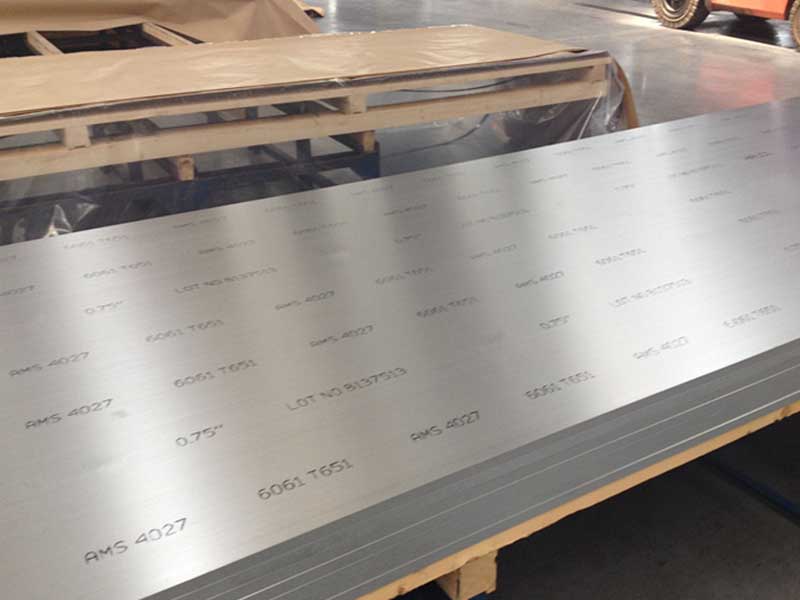
| Alloy and temper | Determines bend radius, strength, and weld behavior |
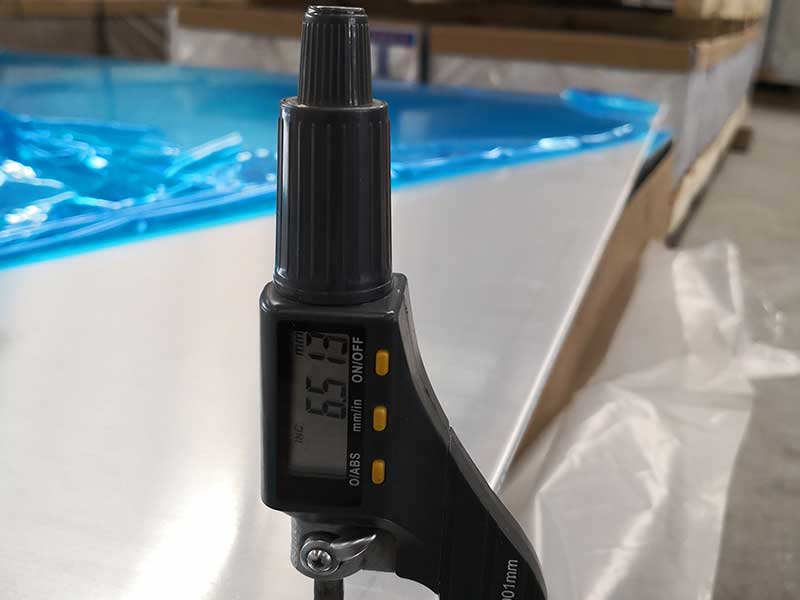
| Thickness tolerance and flatness requirement | Critical for CNC nesting, signage, and tight assemblies |
| Surface finish (mill, brushed, anodize-quality) | Impacts appearance and post-finishing yield |
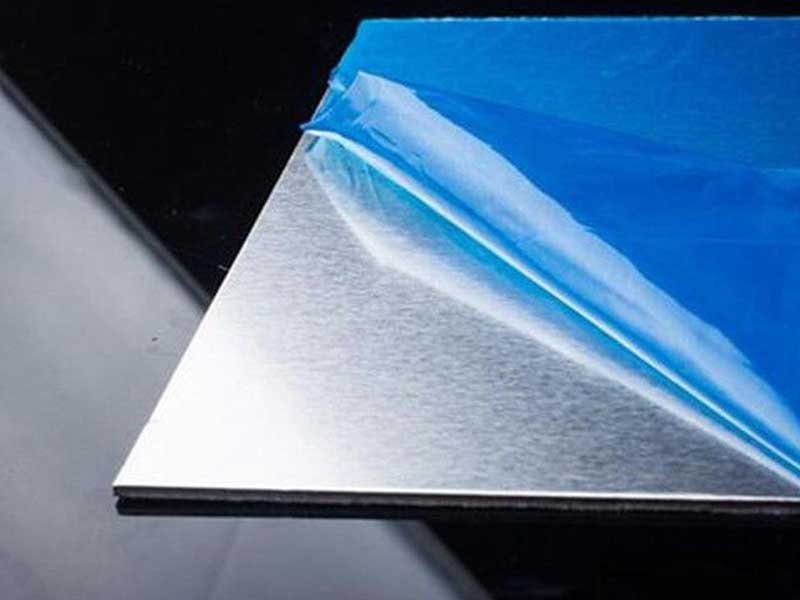
| Protective film requirement | Reduces scratches on cosmetic surfaces |
| Certification needs (MTC/CoC) | Required for regulated or audited supply chains |
| Grain direction | Affects bending performance and cosmetic consistency |
Aluminum sheet metal sheets 4x8 deliver a practical, widely compatible platform for fabrication-large enough for panels and efficient nesting, yet manageable for standard shop equipment. With the right alloy and temper, a single 4x8 sheet can become anything from a corrosion-resistant marine panel to a crisp architectural trim piece or a rugged industrial enclosure.
https://www.aluminumplate.net/a/aluminum-sheet-metal-sheets-4x8.html