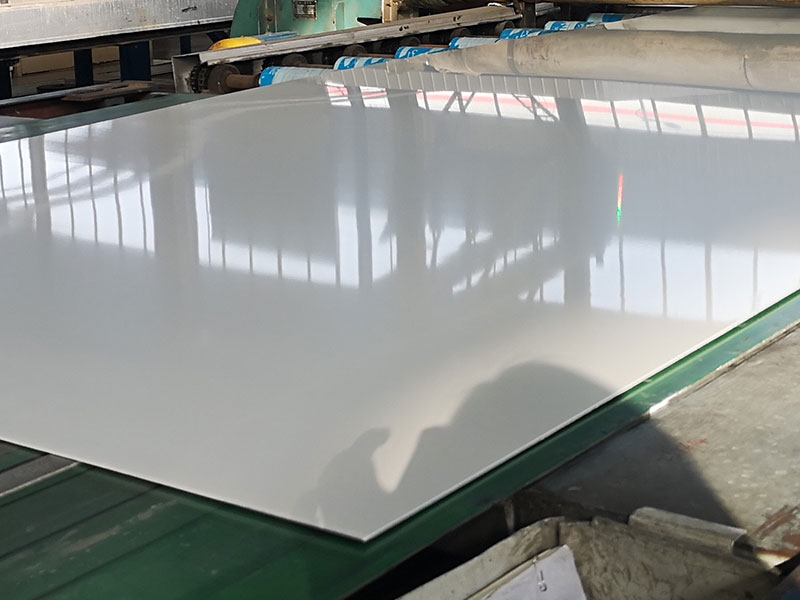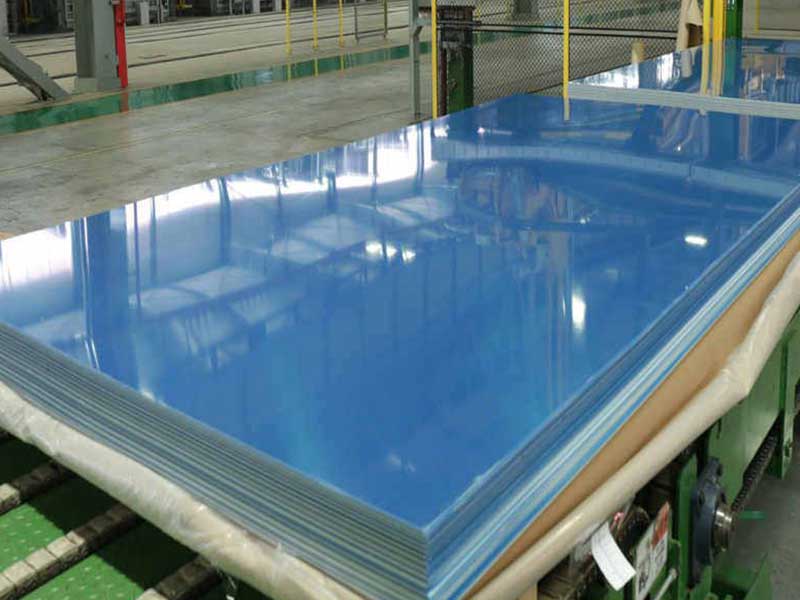

Anodized aluminum sheet 1050 1060 1070 1100 Mill Finish
Anodized aluminum sheets, specifically alloys 1050, 1060, 1070, and 1100, are widely favored across numerous industries due to their exceptional durability, corrosion resistance, and aesthetic appeal. These alloys in mill finish form offer a natural metallic luster complemented by an anodized surface, enhancing surface hardness and resistance to wear and chemical exposure.
Anodized Aluminum Sheets (Mill Finish)
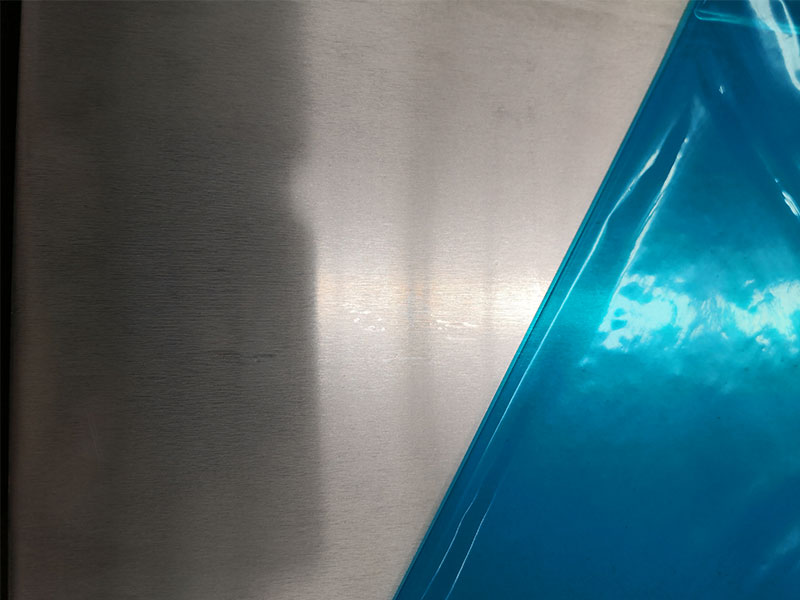
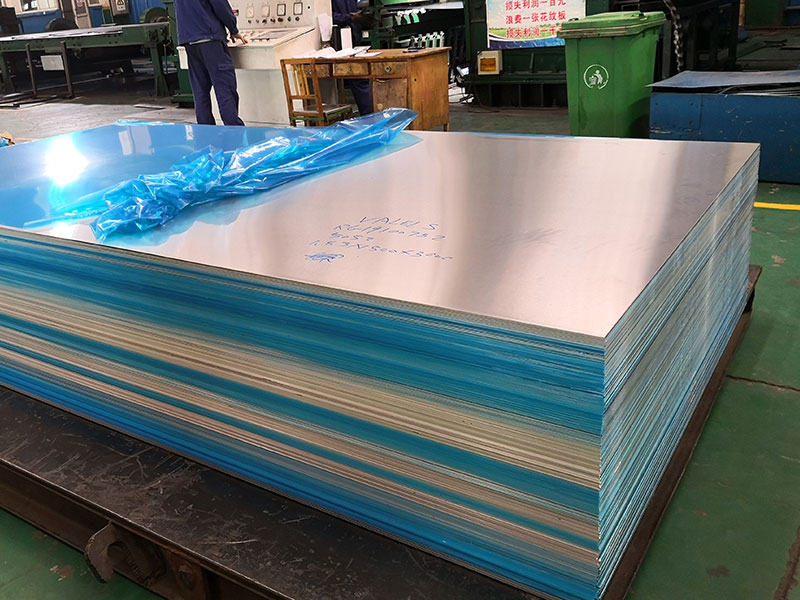
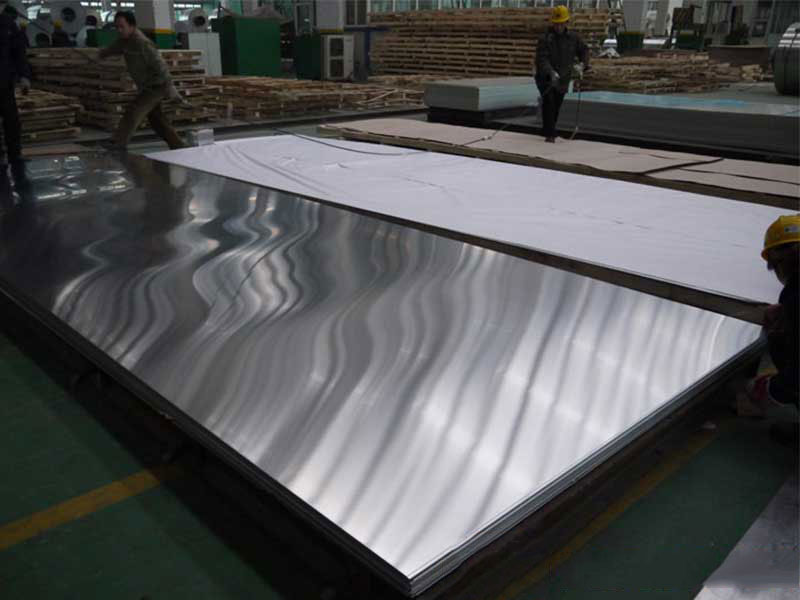
Aluminum alloys 1050, 1060, 1070, and 1100 belong to the 1XXX series, known for high purity aluminum content (typically over 99%). "Mill finish" refers to the smooth metallic surface as treated directly at the mill, which exhibits excellent reflectivity and natural finish.
Anodization involves electrolytic passivation creating a thick oxide layer on the aluminum surface. This layer drastically improves wear resistance, corrosion protection, and provides a platform for color dyeing if desired. When applied to these functional 1XXX grades, anodization boosts both lifespan and visual appeal, making these sheets ideal for even the most demanding environments.
Core Functions of Anodized Aluminum Sheet 1050, 1060, 1070, 1100 Mill Finish
Corrosion Resistance: The anodized oxide layer prevents oxidation and defends against various corrosive environments, including moisture, chemicals, and atmospheric exposure.
Enhanced Surface Hardness: Improves abrasion resistance, enabling prolonged use in mechanical or outdoor applications.
Electrical Insulation: The oxide layer acts as an electrical insulator, useful in electronics and architectural components.
Aesthetic Versatility: Anodizing allows surface dyeing, offering a broad color spectrum while preserving luster and metal texture.
Fabrication Friendliness: These alloys feature excellent malleability; anodization preserves pre-fabrication mechanical properties.
Common Applications
Architectural Claddings: Decorative panels, façade elements, and interior design features benefit from the combined beauty and durability.
Electrical Components: Housings, connector covers, and other hardware where electrical insulation is critical.
Consumer Electronics: Case enclosures where scratch resistance and miniaturized, lightweight design are key.
Kitchen Appliances: Cookware, ventilation protective covers that resist both acid corrosion and surface damage.
Industrial Equipment: Corrosion-resistant siding, panels, and reflector sheets in manufacturing machinery.
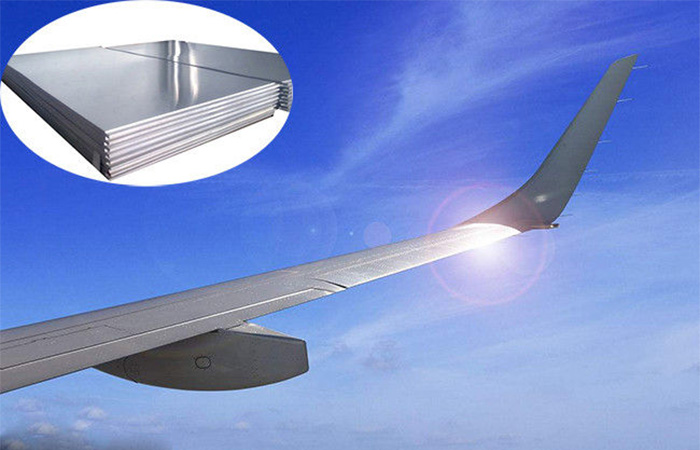
Transport Vehicles: Interior trims and external parts exposed to environment-induced wear.
Essential Technical Data and Parameters
Alloy Composition and Chemical Properties (% Weight)
| Element | 1050 | 1060 | 1070 | 1100 |
|---|---|---|---|---|
| Aluminum (Al) | ≥99.5 | ≥99.6 | ≥99.7 | ≥99.0 |
| Copper (Cu) | ≤0.05 | ≤0.05 | ≤0.05 | ≤0.05 |
| Iron (Fe) | ≤0.40 | ≤0.35 | ≤0.30 | ≤0.95 |
| Manganese (Mn) | ≤0.03 | ≤0.03 | ≤0.03 | ≤0.05 |
| Silicon (Si) | ≤0.10 | ≤0.03 | ≤0.03 | ≤0.95 |
| Zinc (Zn) | ≤0.03 | ≤0.03 | ≤0.03 | ≤0.10 |
| Titanium (Ti) | ≤0.03 | ≤0.03 | ≤0.03 | ≤0.03 |
| Others | ≤0.05 | ≤0.05 | ≤0.05 | ≤0.05 |
Note: Composition variations comply with ASTM B209 and EN 573 standards.
Temper Grade and Mechanical Properties
| Temper | Description | Tensile Strength (MPa) | Yield Strength (MPa) | Elongation (%) |
|---|---|---|---|---|
| O | Annealed (Soft) | 60 - 90 | 35 - 50 | 30 - 40 |
| H14 | Strain Hardened, Quarter Hard | 115 - 145 | 105 - 125 | 1.5 - 3 |
| H16 | Strain Hardened, Half Hard | 130 - 160 | 125 - 140 | 2 - 4 |
Temper variations accommodate specific strength and flexibility requirements during fabrication.
Anodized Layer Specifications
| Parameter | Typical Value | Standard Compliance |
|---|---|---|
| Anodic Layer Thickness | 10 - 25 microns | ASTM B231 / QQ-A-250 |
| Hardness | 300 - 500 HV (Knoop) | |
| Electrical Resistance | >10^6 ohm·cm (insulating) | |
| Corrosion Resistance | Excellent (neutral salt spray test ≥ 100 hours) | ISO 21227, ASTM B 117 |
| Porosity | Controlled porosity to receive dyes and sealants |
Industry Standards for Anodized Aluminum Sheets
Adopting benchmarked processing and inspection standards ensures quality consistency.
| Standard | Description |
|---|---|
| ASTM B209 | Standard Specification for Aluminum and Aluminum-Alloy Sheet and Plate |
| ASTM B244-B Type II | Anodic Coatings – Sulfuric acid anodizing process details |
| EN 12373 | Aluminum – decorative anodized coatings |
| ISO 6743-3 | Test methods for anodic coatings (thickness, adhesion) |
| MIL-A-8625 | Military Specification for anodic coatings of magnesium, aluminum, and aluminum alloys |
Compliance assures each sheet maintains durability and adheres evenly to specified color or clear finishes.
Advantages of Mill Finish Prior to Anodizing
The mill finish condition means sheets are free from extra surface work like polishing or coating before anodization - a clean, uniform base which ensures:
- Reduced processing costs for initial finishing,
- Enhanced uniformity of the anodized surface layer,
- Better consistency in oxide layer formation leading to superior corrosion and wear resistance.
Several finishes such as brushed, glossy, or matte options can be later applied over anodizing as needed, offering design flexibility.
Anodized aluminum sheets in alloys 1050, 1060, 1070, and 1100 with mill finish present a harmonious blend of purity, corrosion resistance, mechanical integrity, and aesthetic versatility. Their passage through stringent industry standards and varied temper options equips them for robust applications-including architectural facades, electric hardware, consumer goods, and machinery with superior resistance to environmental stresses.
Well-characterized chemical compositions combined with a controlled anisodic oxide layer empower product engineers and fabricators with reliable materials meeting specific project demands, whether outdoors or in technical environments. Selecting these readily available 1XXX series aluminum sheets offers an economical and sustainable solution mainstream industries can depend on.
Whether upgrading production lines or sourcing resilient architectural materials, anodized 1050-1100 alloys merit strong consideration for performance, finish, and cost efficacy.
https://www.aluminumplate.net/a/anodized-aluminum-sheet-1050-1060-1070-1100-mill-finish.html