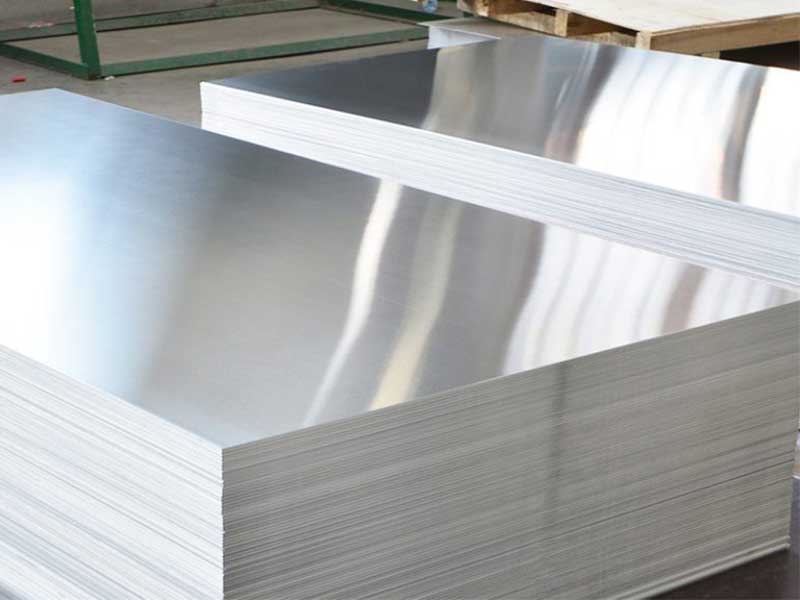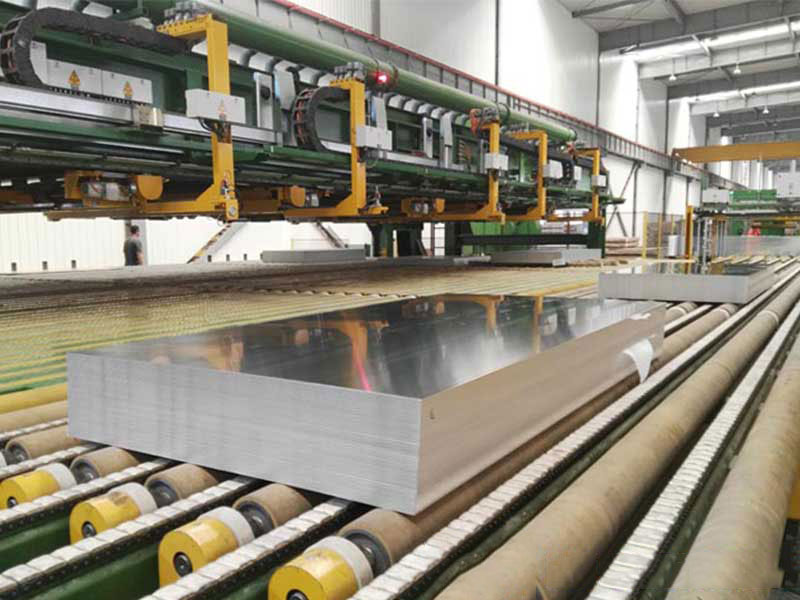

Metal Alloy Aluminum Sheet Plate
Metal Alloy Aluminum Sheet Plate: Think of It as "Engineered Surface," Not Just a Flat Metal
When customers buy a metal alloy aluminum sheet plate, they often compare thickness, temper, and price-then stop. A more useful (and often money-saving) way to choose is to view aluminum sheet/plate as an engineered surface with a controlled internal structure. The right alloy and temper don't just determine strength; they determine how the material behaves during cutting, forming, welding, finishing, and long-term service.
Below is a fast, practical guide from that perspective.
1) Sheet vs. Plate: It's About Flatness, Stress, and How You'll Use It
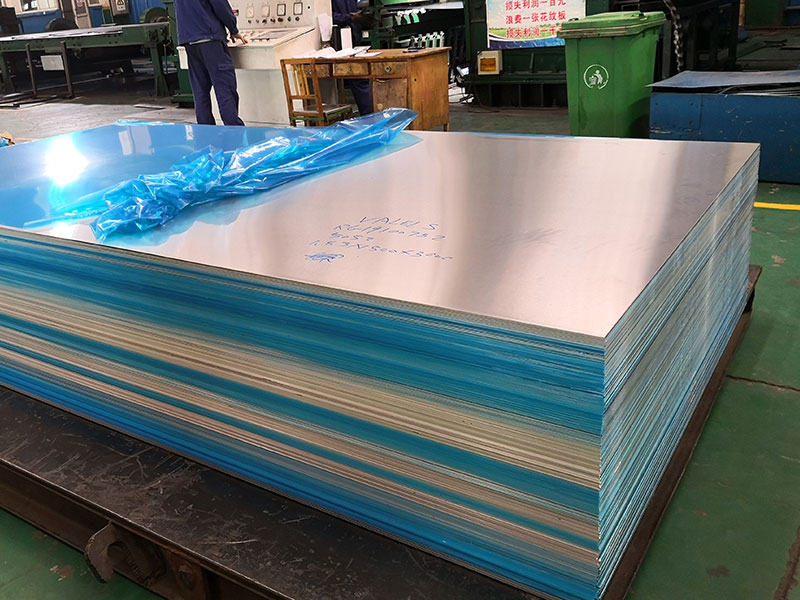
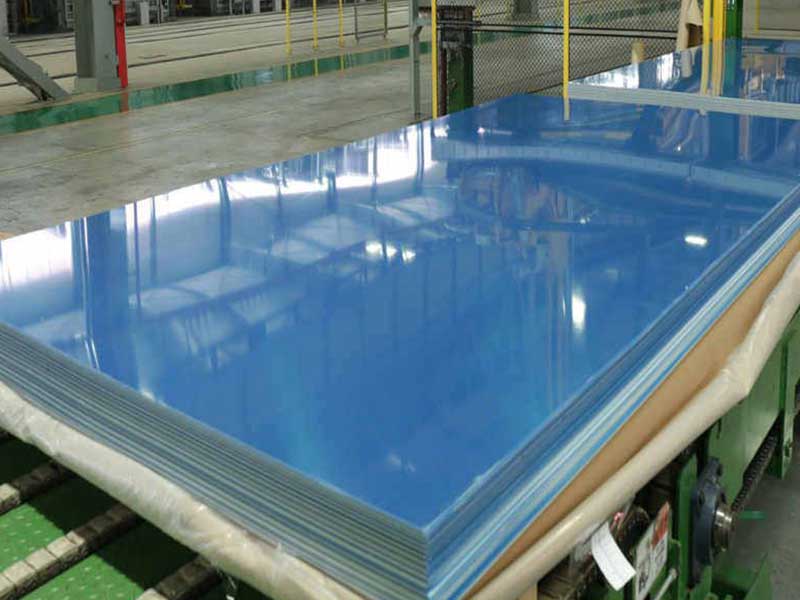
- Sheet is typically thinner and chosen for forming, enclosures, skins, and panels.
- Plate is thicker and chosen for machining, structural parts, jigs, tooling, base plates, and high-stiffness components.
Distinctive detail: plate is often where internal stress and flatness matter most. If you're machining pockets or removing a lot of material, choose a grade/temper known for stress stability (often stretched/relieved tempers) to reduce warping.
2) Alloy Choice = Performance "Personality"
Instead of memorizing numbers, match the alloy family to your main risk: corrosion, cracking, distortion, or cost.
Common choices customers actually benefit from:
1xxx (e.g., 1050/1060/1100)
Personality: very high conductivity, very formable, lower strength.
Best for: electrical, heat transfer, reflectors, general forming where strength isn't the main driver.3xxx (e.g., 3003)
Personality: strong "all-purpose" sheet with excellent formability and corrosion resistance.
Best for: roofing, cladding, tanks, kitchen equipment, general fabrication.5xxx (e.g., 5052, 5083, 5754)
Personality: strong, very corrosion resistant-especially for marine/chemical exposure.
Best for: marine plates, truck bodies, pressure-related structures (depending on code), welded assemblies.
Note: great choice when welding + corrosion resistance is the real requirement.6xxx (e.g., 6061, 6082)
Personality: balanced strength, machinability, and corrosion resistance; very versatile.
Best for: CNC parts, frames, plates that need both machining and decent weldability.2xxx/7xxx (e.g., 2024, 7075)
Personality: very high strength; corrosion resistance can be lower (often needs protection).
Best for: aerospace-style strength needs, high-load parts where weight matters.
Practical caution: not always ideal for welding; finishing/protection matters more.
3) Temper Is the "Process Contract"
Alloy tells you what's possible; temper tells you what you can reliably do next.
- O (annealed): easiest to form; lowest strength.
- H tempers (strain-hardened): stronger sheets for bending/press work; common for 3xxx/5xxx.
- T tempers (heat-treated): strength-focused; common for 6xxx/2xxx/7xxx.
Quick buying insight: if the part requires tight bend radii, temper selection is often more important than thickness. Customers sometimes overpay for strength and then struggle with cracking during bending.
4) The Surface Is a Functional Layer (Not Just Appearance)
Treat the surface as a performance feature:
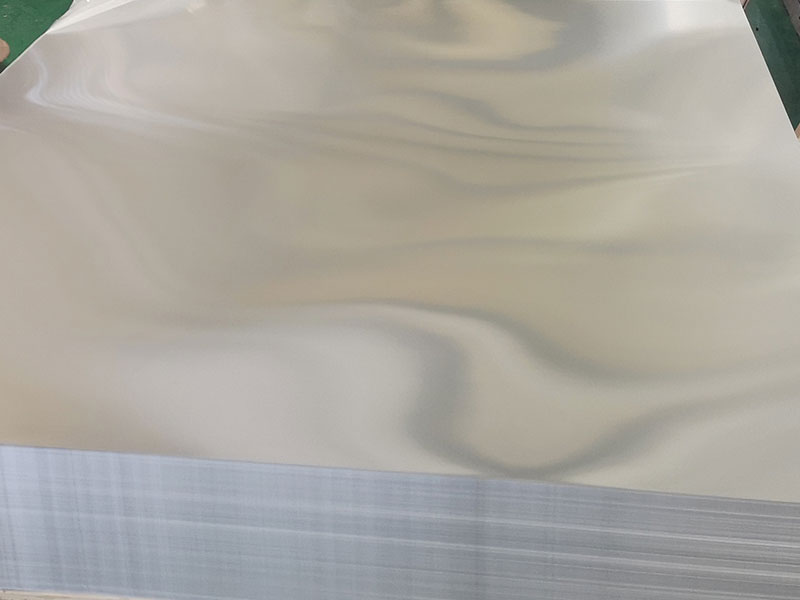
- Mill finish: cost-effective, good for general fabrication; cosmetic variation is normal.
- Brushed/polished: improves appearance, but can show handling marks; specify grain direction.
- Anodizing: boosts corrosion and wear resistance; excellent for 6xxx.
- Coating/painting: great for branding and outdoor durability-prep and alloy compatibility matter.
Distinctive detail: different alloys anodize differently. If color matching is important (e.g., architectural panels), confirm alloy and batch consistency early.
5) Flatness, Tolerance, and "Will It Stay Flat After I Cut It?"
Many customer complaints are not about chemistry-they're about distortion.
If you will:
- machine one side heavily,
- waterjet/laser large profiles,
- or weld long seams,
then you should plan for:
- stress-relieved or stretched plate when available,
- proper cutting strategy (symmetrical material removal),
- and realistic flatness tolerances.
Practical question to ask before ordering:
"After I cut/machine this, do I still need it flat?" If yes, prioritize plate quality and stress condition-not just alloy.
6) A Fast Selection Cheat-Sheet (Customer-Friendly)
- Need easy bending + corrosion resistance → 3003 (sheet) or 5052 (sheet)
- Need marine/chemical durability + weldability → 5083 (plate) or 5754
- Need general machining + structural use → 6061 (plate/sheet)
- Need maximum strength-to-weight → 7075 (plate) (plan surface protection)
What to Provide When Requesting a Quote (So You Get the Right Material)
To avoid wrong-grade orders and delays, specify:
- alloy + temper (or application if you're unsure)
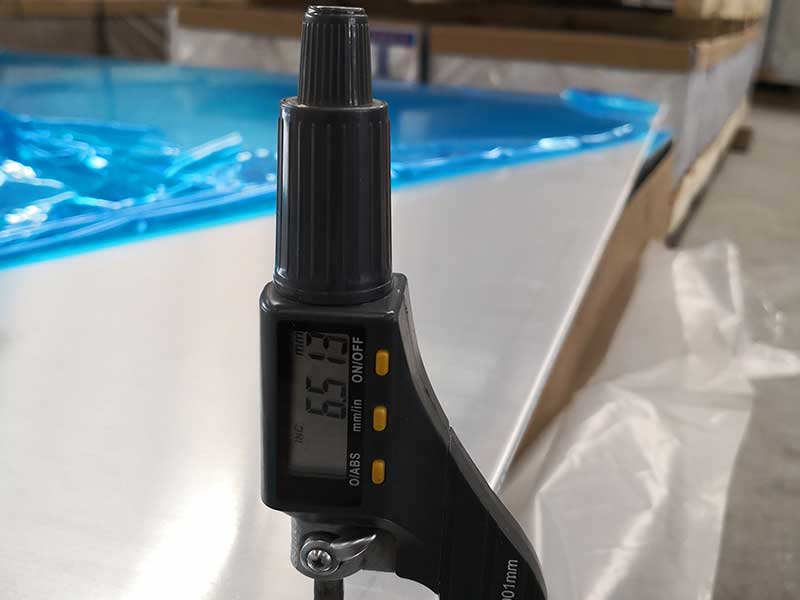
- thickness, width, length
- quantity and acceptable substitutions
- required flatness/tolerance (especially for machining)
- surface finish requirement (anodize/paint/mill)
- intended process: bending? welding? CNC? outdoor use?
Final Takeaway
A metal alloy aluminum sheet plate isn't just "aluminum in a size." It's a controlled combination of alloy (capability), temper (next-step behavior), and surface (real-world durability). Choosing it from that engineered-surface viewpoint helps you reduce distortion, prevent forming cracks, improve finish consistency, and ultimately lower total project cost.
https://www.aluminumplate.net/a/metal-alloy-aluminum-sheet-plate.html