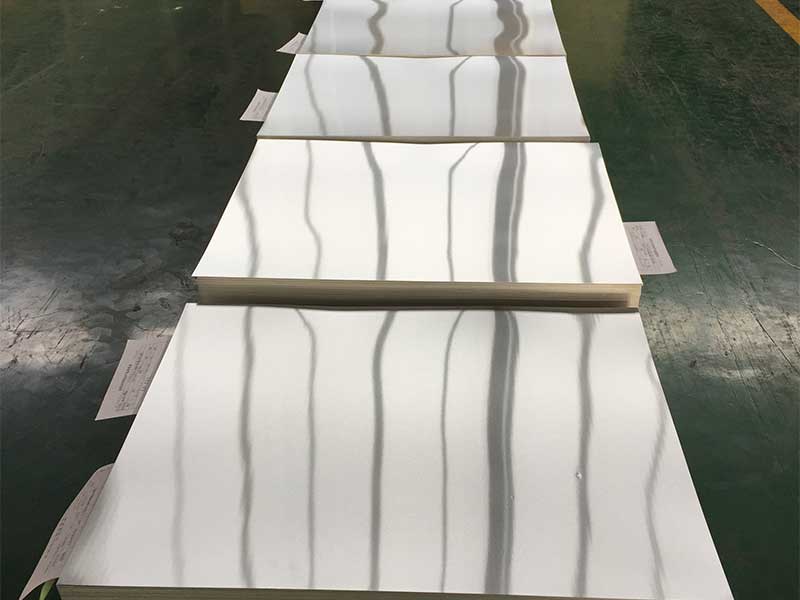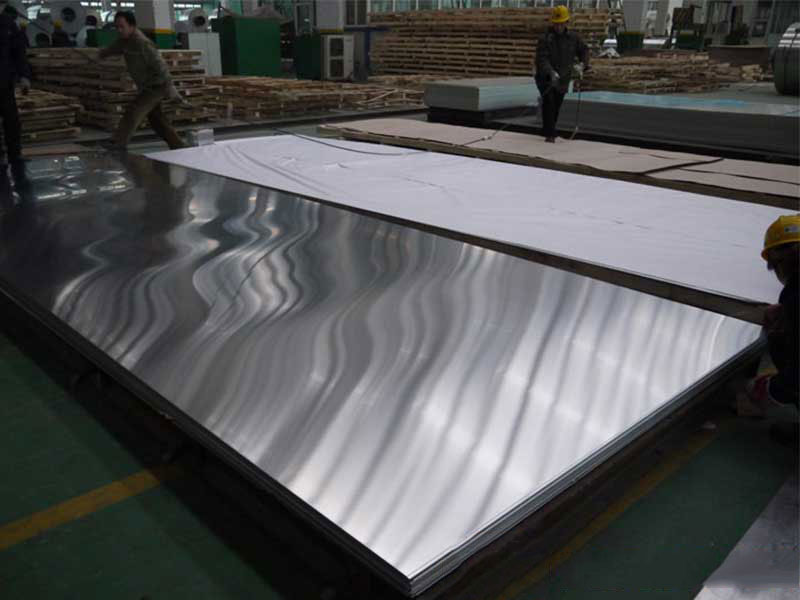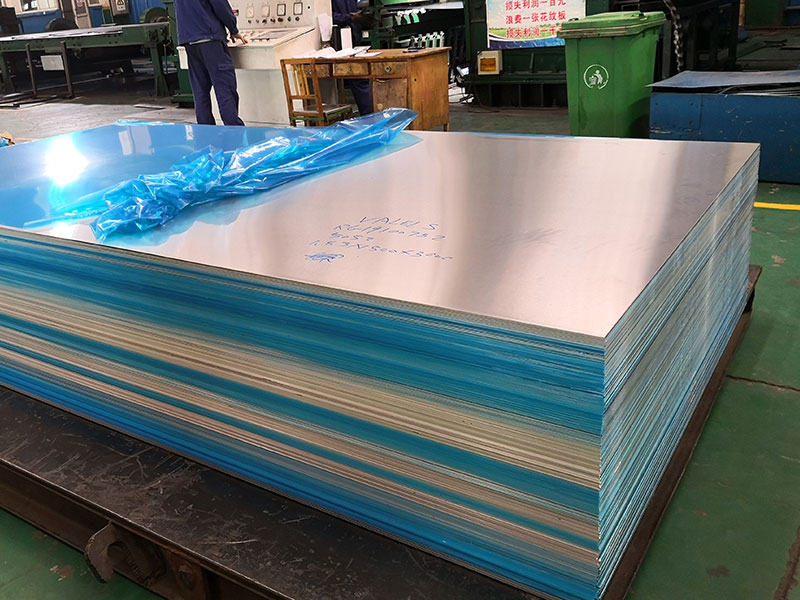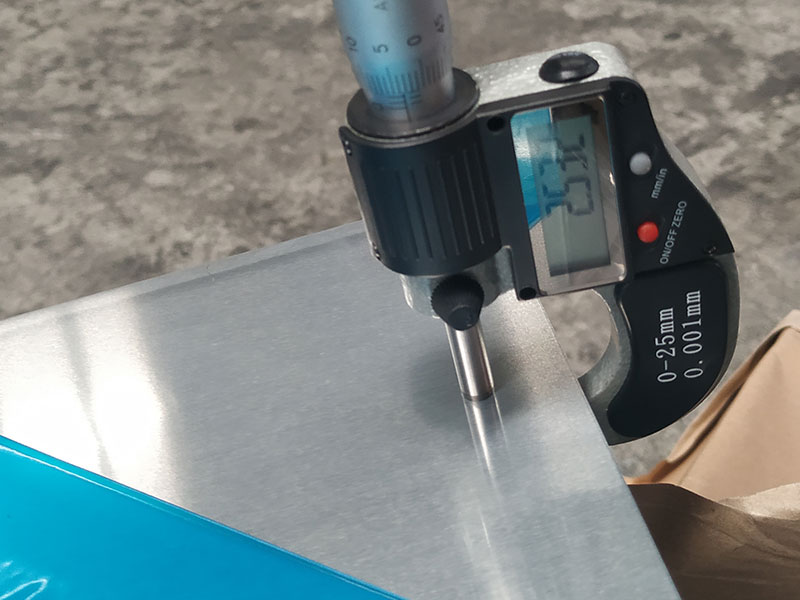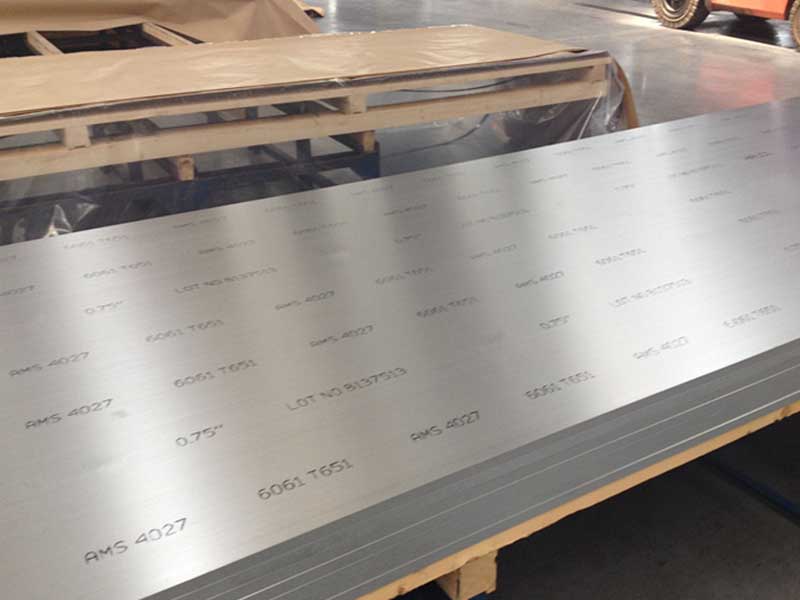

Astm b209 alloy 5052 aluminium plate
When you think about materials that hold the modern world together, aluminum often flies under the radar. But if you ever peek behind the scenes, the ASTM B209 Alloy 5052 aluminium plate might just be one of the quiet champions keeping things running smoothly.
What's So Special About Alloy 5052?
At its core, 5052 is an aluminum-magnesium alloy. That combo brings a great mix of attributes: it's tough, it resists corrosion like a champ (especially in saltwater environments), and it's pretty lightweight. The "ASTM B209" bit? That's the standard that certifies the plate's quality-basically, it's the aluminum world's quality passport for sheet and plate form.
Unlike some flashy alloys that boast strength alone, 5052 is more about balanced performance. You won't find it winning strength contests against hardened steel, but it bends without breaking, handles corrosion that would eat up other metals, and delivers reliable durability over the long haul. Plus, it's easy to work with-cut it, bend it, weld it-the 5052 plate usually cooperates.
On The Job: Where Does 5052 Aluminium Plate Fit In?
Here's where things get interesting. Thanks to its corrosion resistance, 5052 aluminium is the go-to for marine applications. Boats, docks, offshore structures-you name it. Salt is brutal on metal, but 5052 stands tall, keeping metal from rusting away and letting sailors sleep a little easier at night.
It also jumps in where food and beverage come into play. How? Because it can safely handle the mess and moisture without contaminating what's inside-a big deal for storage tanks, pipes, and transportation equipment that come in contact with consumables.
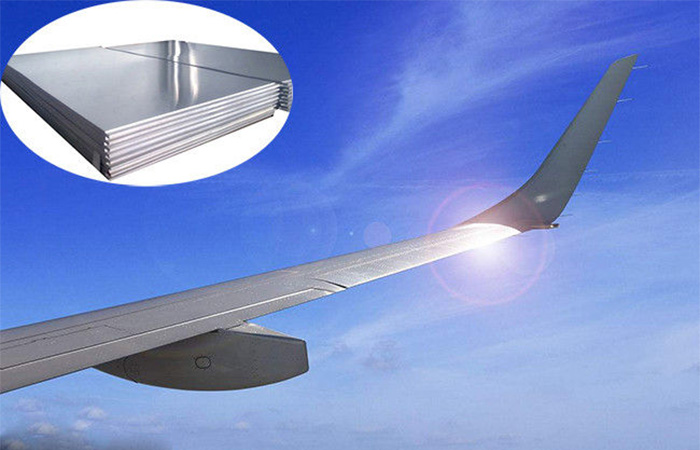
If you stroll through a city, you might literally touch 5052 aluminium dozens of times without noticing: streetlight poles, signboards, and even the roofing panels keeping water out. Add to that the automotive industry's use for fuel tanks and truck bodies-weight savings without compromising rust resistance means better mileage and longer vehicle life.
Getting Into The Technical Bits (Without The Jargon Overload)
So what's ticking under the surface?
Thickness & Form: ASTM B209 addresses thickness from about 0.016 inches upward, so 5052 plates can be thin sheets or sturdier plates depending on what you need.
Strength & Hardness: Not the strongest ankle-biter in the crowd, but it has respectable tensile strength (~28,000 to 35,000 psi). The material is also quite flexible-making it excellent where bending or shaping is required.
Weldability: One major win-5052 welds easily using common methods, which is vital for fabricating complex assemblies.
Corrosion Resistance: It loves environments containing salt water or marine atmospheres. Magnesium is the player here. Keep it in dry or wet scenarios, and it's ready to hold the line.
Why Customers Should Care
Working with ASTM B209 Alloy 5052 aluminium plate isn't just about specs-it's about trust. When you choose a material with proven corrosion resistance, reliable performance, and ease of fabrication, you save time and money down the road.
Want panels that don't need repainting every year? Using 5052 can do that. Need to keep a structure durable near the coast? 5052 has your back. Looking for lightweight fuel tanks that won't corrode and cause headaches? Again, 5052 fits in like a glove.
ASTM B209 Alloy 5052 aluminium plate is that dependable, low-profile mate that stays strong and looks good doing it. It's the kind of choice that works well for industries needing longevity without complicating product design. Lightweight, corrosion-resistant, and user-friendly-maybe not the flashiest, but exactly what makes projects fail-safe and fuss-free.
Next time you see a sleek boat, a weather-beaten sign, or a shiny storage tank, remember: an aluminium plate like 5052, certified to ASTM B209, is likely quietly performing to keep it all running smoothly.
https://www.aluminumplate.net/a/astm-b209-alloy-5052-aluminium-plate.html