
Mirror Brushed Series Aluminum sheet
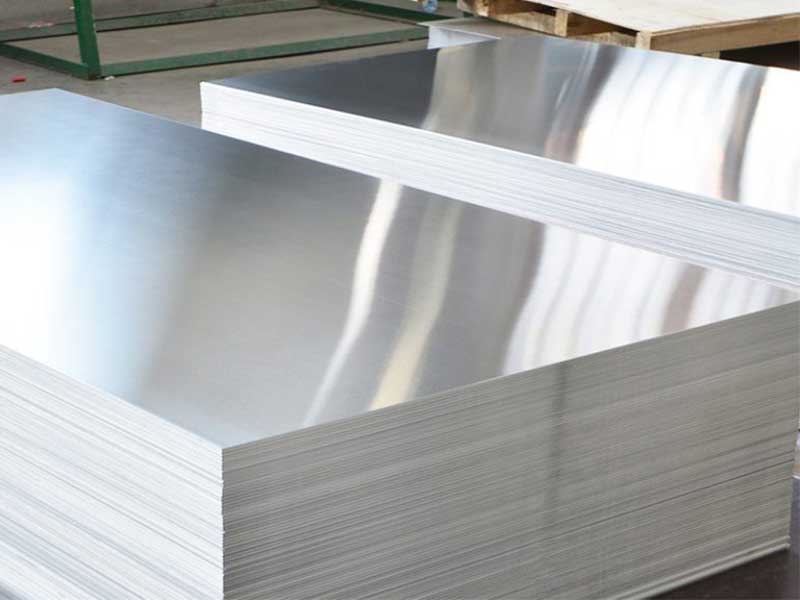
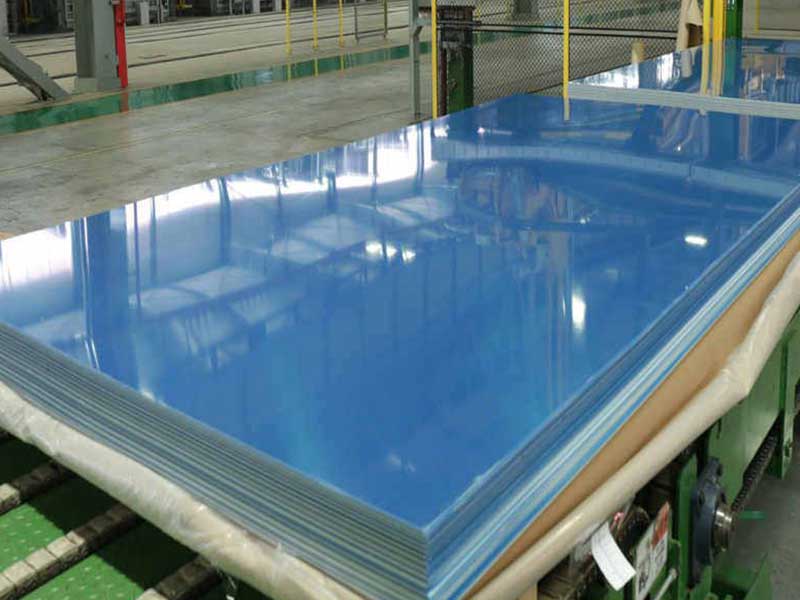
Mirror Brushed Series Aluminum sheet sits in a very interesting place in modern materials. It is not fully mirror-polished, and it is not simply a standard brushed finish either. Instead, it combines a reflective surface effect with a controlled directional texture, creating a metal sheet that feels both premium and practical. From architectural cladding to elevators, interior decoration, appliance panels, signage, and transport trim, this material is chosen when appearance matters just as much as performance.
A useful way to understand Mirror Brushed aluminum is to think of it as "disciplined brightness." A pure mirror finish can be visually striking, but it easily reveals fingerprints, scratches, and minor surface defects. A regular brushed finish, on the other hand, softens glare and adds texture, but may not deliver the same visual impact. Mirror Brushed Series Aluminum sheet bridges these two worlds. It offers a lively metallic reflection while the brushing lines create movement, depth, and better visual tolerance in real-world use.
A Decorative Surface With Industrial Logic
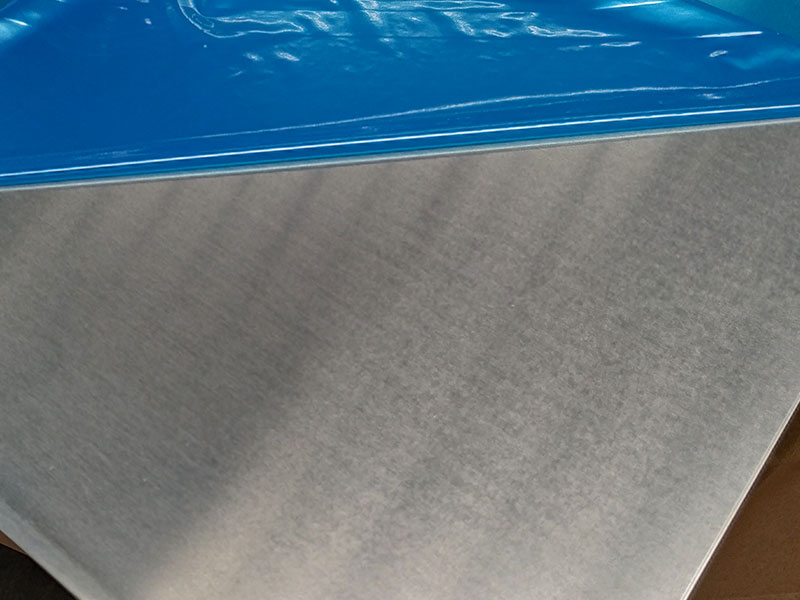
What makes this product attractive is not only its appearance, but also the logic behind the finish. The brushing process forms consistent hairline or satin-like lines on the aluminum surface. Then, through polishing and controlled surface treatment, the sheet develops a mirror-inspired brightness without becoming overly harsh. This gives designers a material that looks elegant under changing light conditions, and gives fabricators a surface that remains more manageable during installation and daily use.
In commercial interiors, Mirror Brushed aluminum often creates a modern and refined atmosphere. In consumer-facing products, it communicates quality and precision. In transportation and public spaces, it helps maintain a clean visual identity while still offering the corrosion resistance and lightweight benefits aluminum is known for.
Common Product Parameters
The exact specification depends on the application, but the following parameters are commonly available in the market for Mirror Brushed Series Aluminum sheet:
| Parameter | Typical Range |
|---|---|
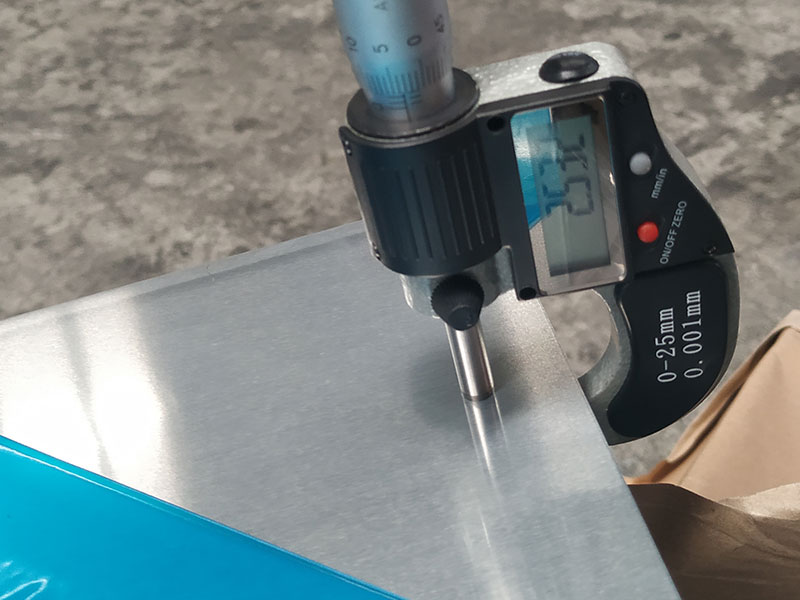
| Thickness | 0.2 mm – 3.0 mm |
| Width | 20 mm – 1500 mm |
| Length | 500 mm – 6000 mm |
| Surface finish | Mirror brushed, hairline brushed, satin brushed |
| Reflectivity | Usually medium to high, depending on base finish and process |
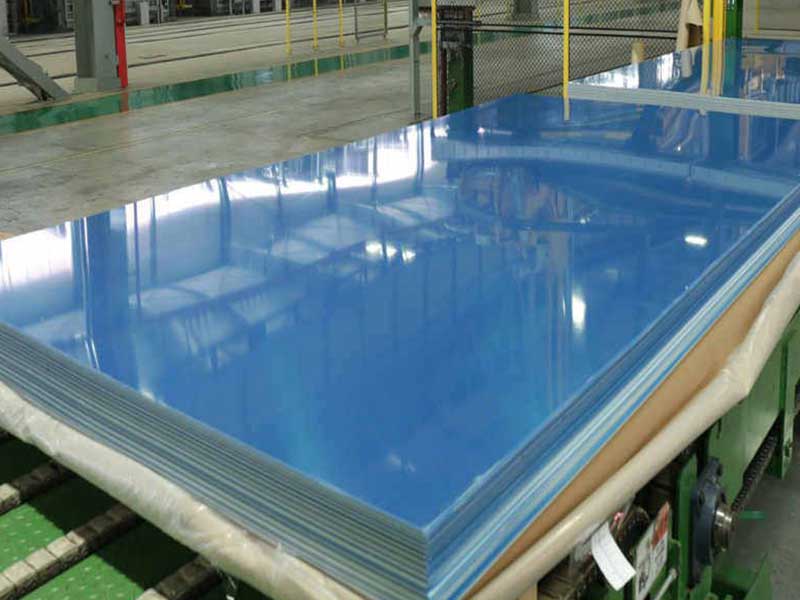
| Surface protection | PE film, laser film, PVC protective film |
| Flatness | High precision available for decorative use |
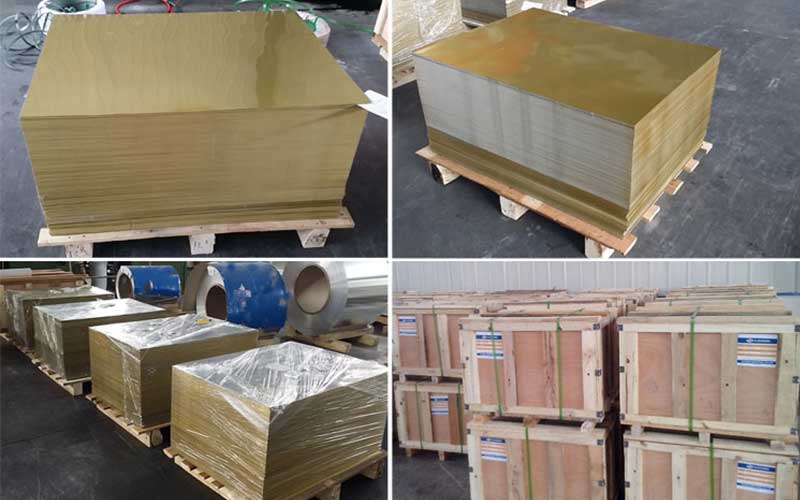
| Color options | Natural silver, black, gold, champagne, bronze, rose gold, customized anodized colors |
For projects with strict decorative requirements, buyers usually specify brushing direction, gloss level, protective film type, and allowable surface tolerance. These details matter because the same alloy can look very different depending on the brushing depth and reflectivity target.
Alloy Choices and Temper Conditions
The alloy behind the finish is just as important as the finish itself. Mirror Brushed Series Aluminum sheet is commonly produced from alloys in the 1000, 3000, and 5000 series. Each group has its own character.
The 1000 series, especially 1050, 1060, and 1070, is valued for high aluminum purity, excellent corrosion resistance, and very good workability. These alloys are often selected for decorative panels where deep drawing or easy forming is needed and strength requirements are not extreme.
The 3000 series, such as 3003, offers a balanced profile. It has better strength than pure aluminum while keeping good corrosion resistance and formability. This makes it a very popular option for architectural decoration and appliance panels.
The 5000 series, including 5005 and 5052, is frequently chosen when stronger corrosion resistance and better mechanical strength are needed. 5005 is widely used in anodized decorative applications because it can provide a more uniform appearance. 5052 is often used in environments where moisture resistance and fabrication performance are especially important.
Typical temper conditions include:
| Alloy | Common Temper | Features |
|---|---|---|
| 1050 | O, H14, H24 | Soft to semi-hard, excellent formability |
| 1060 | O, H14, H24 | High purity, good decorative consistency |
| 1070 | O, H14 | Bright appearance, high aluminum content |
| 3003 | H14, H24 | Good strength and corrosion resistance |
| 5005 | H14, H24, H34 | Excellent for decorative anodized surfaces |
| 5052 | H32, H34 | Stronger, durable, good marine atmosphere resistance |
The choice of temper changes how the sheet behaves during bending, stamping, rolling, or panel fabrication. Softer tempers are easier to form, while harder tempers provide greater rigidity and dent resistance.
Chemical Composition Reference
Below is a simplified chemical properties table for commonly used alloys in Mirror Brushed Series Aluminum sheet. Values may vary slightly according to the applicable standard and production route.
| Alloy | Al (%) | Si (%) | Fe (%) | Cu (%) | Mn (%) | Mg (%) | Zn (%) | Cr (%) |
|---|---|---|---|---|---|---|---|---|
| 1050 | ≥99.50 | ≤0.25 | ≤0.40 | ≤0.05 | ≤0.05 | ≤0.05 | ≤0.05 | - |
| 1060 | ≥99.60 | ≤0.25 | ≤0.35 | ≤0.05 | ≤0.03 | ≤0.03 | ≤0.05 | - |
| 1070 | ≥99.70 | ≤0.20 | ≤0.25 | ≤0.04 | ≤0.03 | ≤0.03 | ≤0.04 | - |
| 3003 | Remainder | ≤0.60 | ≤0.70 | 0.05–0.20 | 1.0–1.5 | - | ≤0.10 | - |
| 5005 | Remainder | ≤0.30 | ≤0.70 | ≤0.20 | ≤0.20 | 0.50–1.10 | ≤0.25 | ≤0.10 |
| 5052 | Remainder | ≤0.25 | ≤0.40 | ≤0.10 | ≤0.10 | 2.2–2.8 | ≤0.10 | 0.15–0.35 |
These compositions directly influence corrosion behavior, strength, workability, and visual quality after brushing or anodizing.
Implementation Standards and Quality Control
Mirror Brushed Series Aluminum sheet is generally manufactured according to recognized international or regional aluminum standards. Common references include ASTM, EN, and GB standards, depending on the customer's market and technical requirements.
Typical implementation standards may include:
| Standard System | Common Reference |
|---|---|
| ASTM | ASTM B209 for aluminum and aluminum-alloy sheet and plate |
| EN | EN 485 for wrought aluminum and aluminum alloy sheet, strip and plate |
| GB/T | GB/T 3880 for general industrial aluminum alloy sheets and strips |
| JIS | JIS H4000 for aluminum and aluminum alloy sheets, strips, and plates |
For decorative material, compliance is only the starting point. Buyers often care even more about practical quality indicators such as surface uniformity, brushing consistency, gloss variation, color matching, edge condition, and protective film adhesion. A technically acceptable sheet may still fail a visual inspection if the brushing lines are not even or if the reflection appears patchy under direct light.
Surface Processing and Practical Use
The production path usually begins with a high-quality aluminum coil or sheet substrate. The surface is cleaned, leveled, and mechanically brushed to create a controlled line pattern. Depending on the product grade, it may then go through polishing, anodizing, coating, or lamination. Protective film is applied at the end to keep the decorative surface intact during transport and fabrication.
This is where Mirror Brushed aluminum differs from commodity sheet. The final value is not only in the metal itself, but in how carefully the surface is engineered. Even small process changes can alter the final feel of the sheet, from cool and understated to bright and dramatic.
In practical applications, this material is appreciated for several reasons. It is lightweight, making installation easier than many stainless alternatives. It offers good corrosion resistance, especially in the right alloy and temper. It can be cut, bent, and fabricated for panels, trims, and enclosures. Most importantly, it helps products and spaces look more refined without becoming difficult to maintain.
A Material That Balances Beauty and Real Use
Mirror Brushed Series Aluminum sheet is best understood as a balance material. It balances reflectivity with texture, beauty with durability, and decorative value with industrial efficiency. That is why it remains relevant across many industries. It does not try to be the loudest finish in the room. Instead, it offers a controlled, intelligent surface effect that performs well in both design sketches and real installations.
For buyers, the is to select the right alloy, temper, thickness, and surface specification for the intended environment. When these elements are matched properly, Mirror Brushed aluminum becomes more than a decorative sheet. It becomes a surface language-clean, modern, and unmistakably engineered.
https://www.aluminumplate.net/a/mirror-brushed-series-aluminum-sheet.html