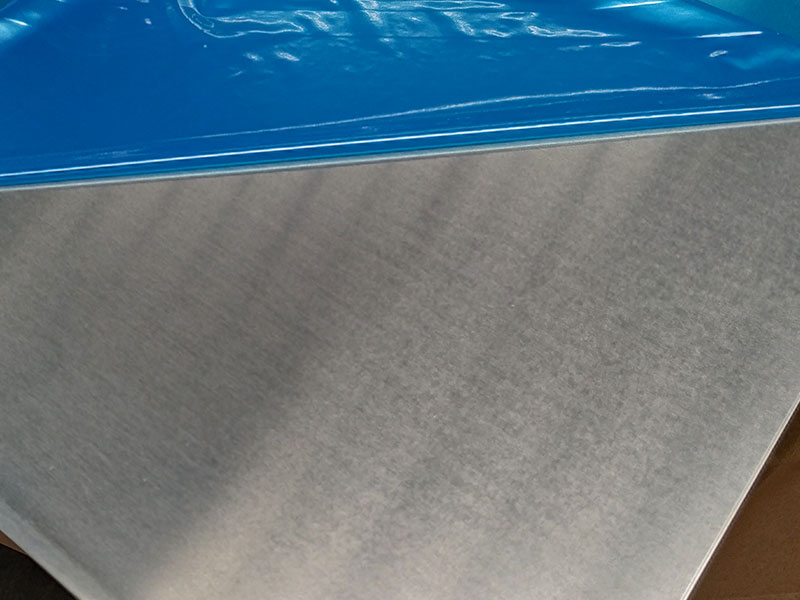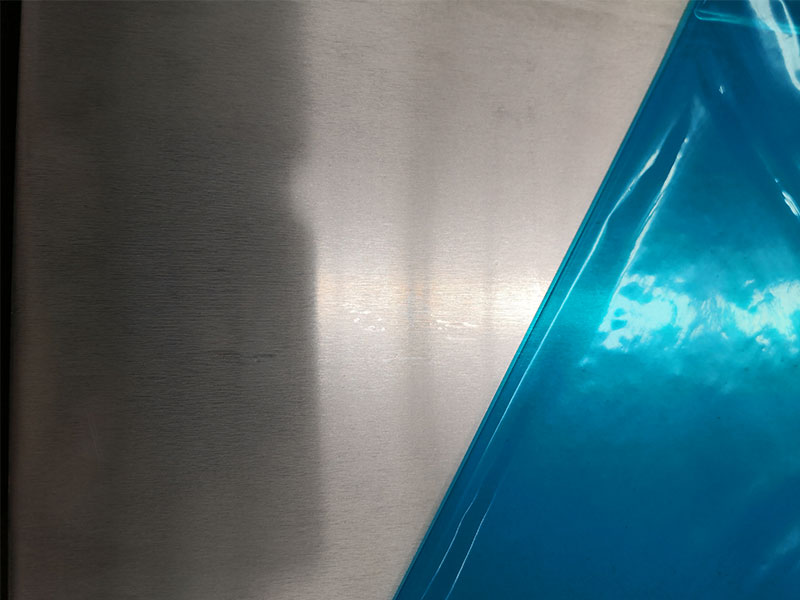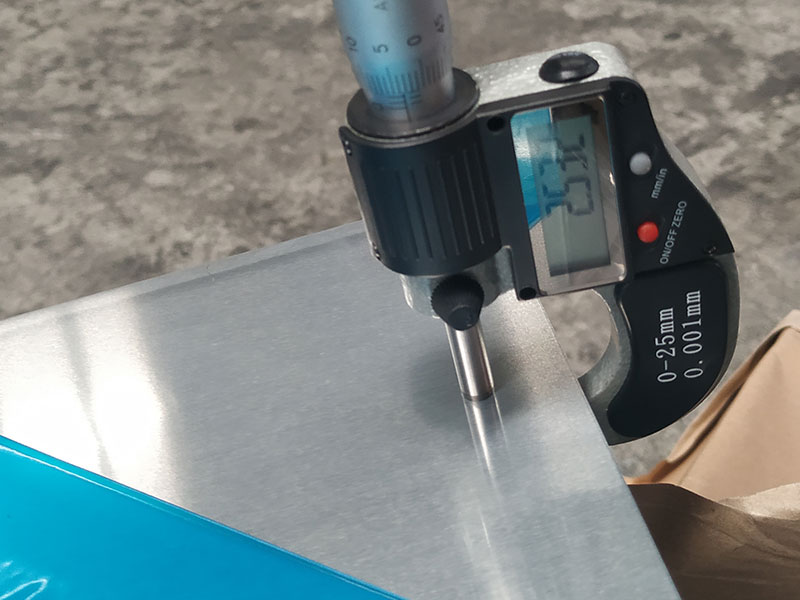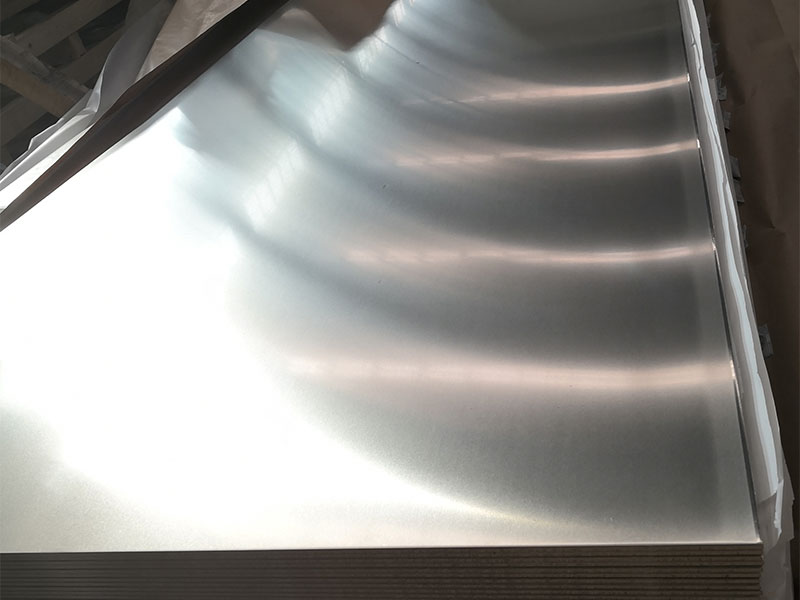

Al 5083 h111
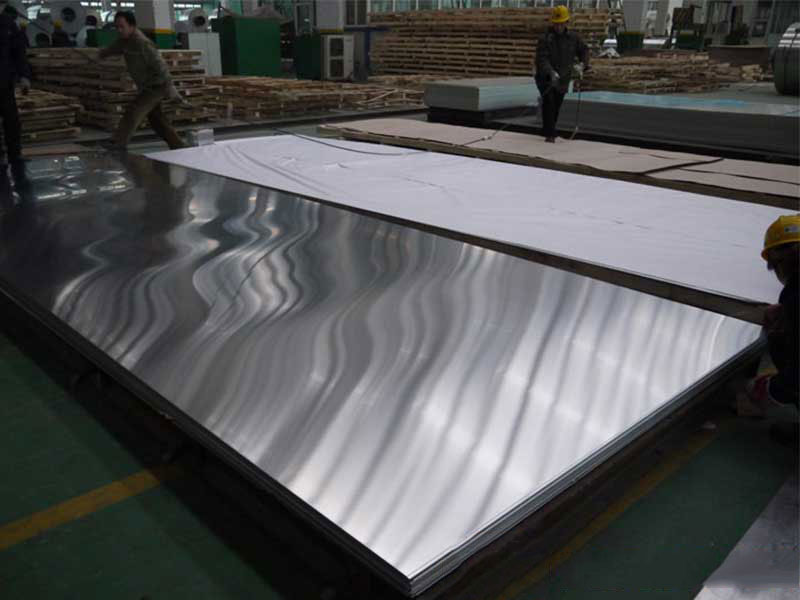
Aluminum 5083 H111 is often introduced as a "marine-grade" sheet, but that label only tells part of the story. A more useful way to understand 5083 H111 is to see it as a functional balance point: it sits where corrosion resistance, weldability, and real-world toughness meet workable forming behavior. For buyers choosing aluminum sheet for harsh environments, moving equipment, or welded structures, this alloy-temper combination is less about chasing maximum strength and more about keeping performance stable when conditions are unpredictable.
What "5083" and "H111" really mean in practice
AA 5083 is an Al-Mg-Mn alloy (5xxx series). Its identity is shaped by magnesium: Mg strengthens aluminum through solid-solution hardening while also supporting excellent resistance in seawater and industrial atmospheres. Manganese (Mn) adds structural stability and improves resistance to softening in the heat-affected zone compared with many other aluminum alloys.
H111 is a strain-hardened temper with only a small amount of cold work, typically used for products that may receive minor strain hardening from processing (like rolling) but are not strengthened aggressively. In customer terms, H111 often feels like "calm strength": it delivers dependable mechanical properties with better forming latitude than harder tempers, and it retains the 5083 hallmark-very strong performance in corrosive service, especially when welded.
This is why 5083 H111 shows up in projects where the sheet must be cut, formed, welded, and then trusted for years.
Core functions: what 5083 H111 is designed to do
Corrosion resistance that protects function, not just appearance
5083 is widely chosen because it maintains integrity in salt-laden air, splash zones, and many chemical exposures. In marine and coastal infrastructure, corrosion isn't cosmetic-it threatens joints, weld seams, and load paths. 5083's Al-Mg chemistry forms a protective oxide layer and performs reliably in seawater environments compared with many alternatives.
Weldability that preserves structural reliability
Many alloys lose a significant portion of their strength when welded. 5083 is valued because welded structures remain dependable; its composition supports strong weld performance with common methods such as MIG and TIG. If your component is essentially "a weldment," 5083 H111 is often more practical than higher-strength heat-treatable alloys whose weld zones can become the weak link.
Formability with fewer production surprises
Because H111 is lightly strain-hardened, it typically offers easier forming than harder H116/H321 tempers while still providing robust service properties. That matters for hull panels, tanks, fairings, ramps, and enclosures where bending, rolling, and fit-up are part of daily fabrication.
Fatigue and toughness for moving structures
In transport and shipbuilding, the material is subjected to vibration, wave slamming, and cyclical loading. 5083 alloys have a strong reputation for toughness and durability, supporting long service life when properly designed and fabricated.
Parameters customers care about
Typical physical properties (approximate)
Density: about 2.66 g/cm³
Elastic modulus: about 70 GPa
Thermal conductivity: around 110–130 W/m·K (varies with temper and thickness)
Electrical conductivity: typically ~28–32% IACS (approximate)
Typical mechanical property ranges for sheet/plate (indicative)
Because properties depend on thickness, product form, and specification, many suppliers quote ranges rather than single values. For 5083 H111, tensile strength is commonly in the neighborhood of 275–350 MPa with yield strength often around 110–200 MPa, and elongation frequently in the 10–20% range. If your design is sensitive to minimum yield or guaranteed elongation, the controlling factor should be the applicable standard and test certificate for the ordered thickness.
Standards and implementation viewpoint: choosing by "use-case rules"
5083 H111 is supplied under different regional frameworks. Commonly referenced standards include ASTM B209 for aluminum sheet and plate in North America and EN 485 / EN 573 for European supply chains (with EN AW-5083). Marine-facing projects may also involve additional requirements from classification societies, and for certain applications, tempers like H116 or H321 are selected to address exfoliation corrosion and marine service specifics. H111 remains popular when fabrication flexibility is a priority and the environment is severe but not constrained by specific marine temper mandates.
In procurement terms, the best implementation approach is to specify: alloy (5083), temper (H111), thickness range, dimensional tolerances, required standard (ASTM/EN), inspection documents (such as EN 10204 3.1), and any corrosion-testing expectations if the part will live in splash zones or coastal exposure.
Alloy tempering and processing conditions
5083 is not heat-treatable in the way 6xxx or 7xxx alloys are; it does not gain strength by solution heat treatment and artificial aging. Its strength comes primarily from magnesium in solid solution and from strain hardening.
H111 indicates a low level of strain hardening, generally less than H112 and much less than H32/H34. This temper is chosen when you want a stable base material that still bends and forms well, while keeping the corrosion and weld advantages that make 5083 valuable.
A practical note for fabrication: excessive cold work after welding is not usually the strategy. Instead, good joint design, controlled heat input, and suitable filler selection are the levers that preserve performance.
Chemical composition (typical limits)
The exact limits depend on the governing standard, but AA 5083 is commonly defined within ranges like the following:
| Element | Typical specification range (wt.%) |
|---|---|
| Magnesium (Mg) | 4.0–4.9 |
| Manganese (Mn) | 0.4–1.0 |
| Chromium (Cr) | 0.05–0.25 |
| Silicon (Si) | ≤ 0.40 |
| Iron (Fe) | ≤ 0.40 |
| Copper (Cu) | ≤ 0.10 |
| Zinc (Zn) | ≤ 0.25 |
| Titanium (Ti) | ≤ 0.15 |
| Others (each) | ≤ 0.05 |
| Others (total) | ≤ 0.15 |
| Aluminum (Al) | Remainder |
This chemistry is the reason 5083 behaves the way it does. High Mg supports strength and corrosion resistance; Mn and Cr contribute to microstructural stability and help performance in demanding service.
Where 5083 H111 excels: applications that benefit from "fabricate first, endure later"
Marine and offshore structures
Boat hull skins, deck plates, superstructures, gangways, ladder systems, and access platforms benefit from 5083's corrosion resistance and weld practicality. H111 is particularly useful when forming is extensive or when panels need to be shaped and fitted before final welding.
Transportation and heavy equipment
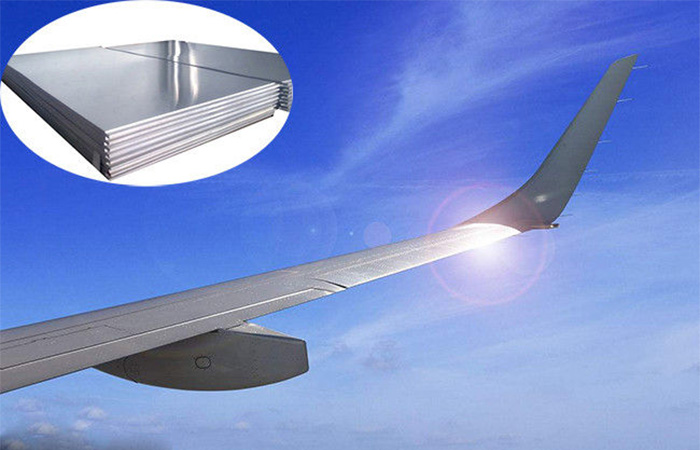
Truck bodies, rail components, hoppers, ramps, and protective panels often rely on 5083 when impact toughness, weldability, and corrosion resistance matter more than peak tensile strength.
Storage tanks and chemical containment
For certain chemical environments, 5083 sheet can be a strong candidate due to its corrosion behavior and its ability to be welded into large, leak-resistant assemblies. Compatibility should always be verified for the specific media and temperature.
Cryogenic and low-temperature service
5083 is known for good low-temperature toughness, which is why it appears in LNG-related and cold-service structures. In such applications, documentation, traceability, and tested mechanical properties are especially important.
A distinctive selection lens: design for reliability at the welds
Many projects fail or degrade at the joints, not in the untouched base metal. 5083 H111 is valuable because it helps the welded structure remain the "same material" in performance terms-less mismatch, fewer unpleasant post-weld surprises, and better long-term behavior in corrosive surroundings. When your real product is a welded, formed, field-exposed assembly, 5083 H111 often acts like an insurance policy: it trades a little headline strength for a lot of operational confidence.