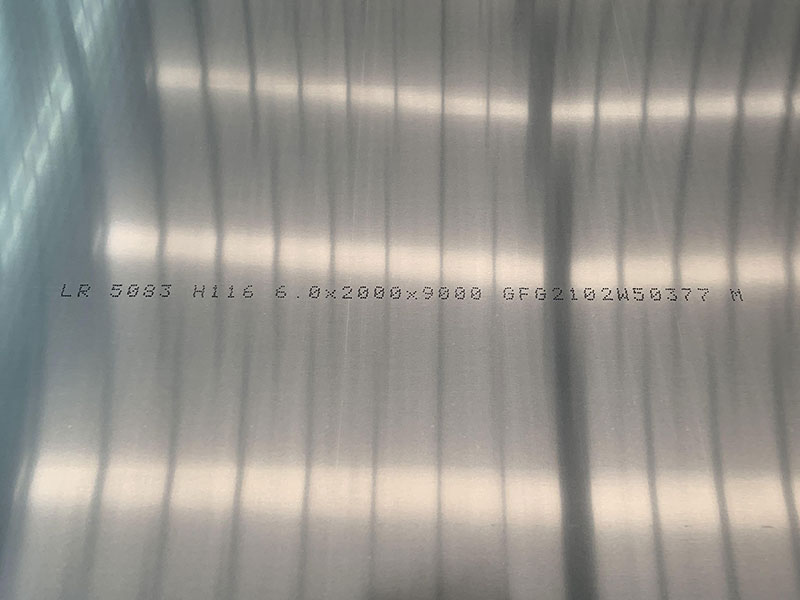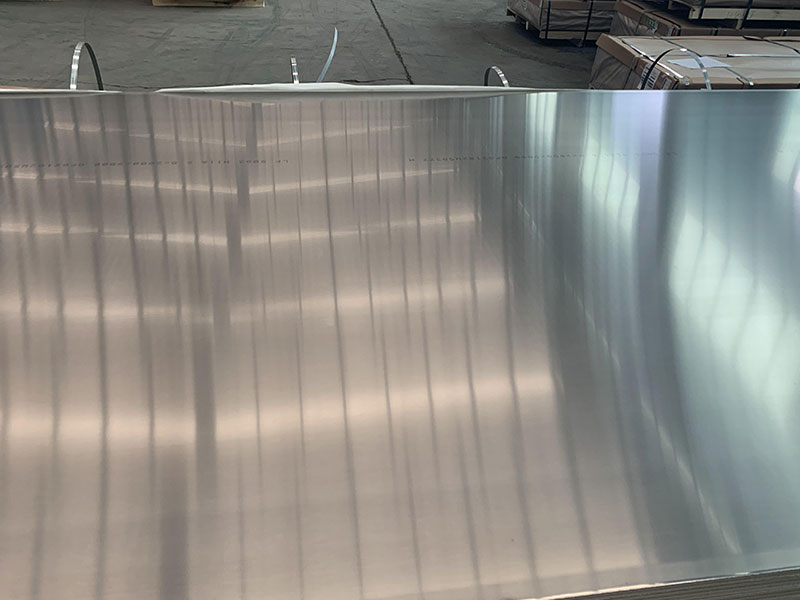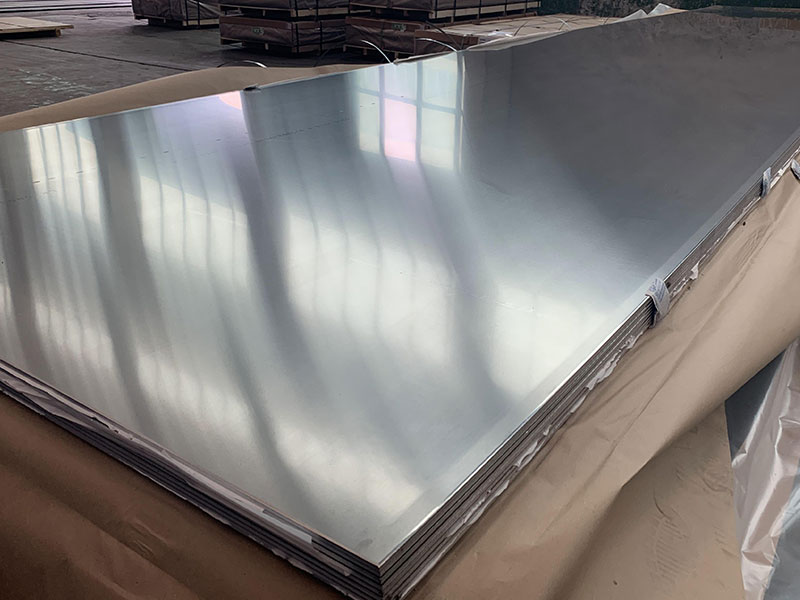

Aluminium Sheet Marine Grade 5083-H321
Aluminium Sheet Marine Grade 5083-H321: The "Quiet Confidence" Alloy for Real-World Boats and Offshore Work
In marine fabrication, the best materials are rarely the loudest. They don't demand attention; they simply keep performing when salt spray, cyclic loads, docking impacts, and long service intervals try to prove them wrong. Aluminium Sheet Marine Grade 5083-H321 is exactly that kind of alloy. It's not chosen because it's fashionable-it's chosen because it survives, welds, and stays trustworthy where corrosion and fatigue quietly punish every shortcut.
From the perspective of a boatbuilder or shipyard manager, 5083-H321 feels like a practical promise: "Build it once, weld it confidently, and expect it to keep its strength in the heat-affected zones better than many alternatives." That promise comes from a very specific chemistry, a marine-focused temper, and mature international standards that make procurement and fabrication predictable.
What 5083 Really Is: A Magnesium-Driven Marine Alloy
AA 5083 is an aluminum-magnesium alloy (Al-Mg-Mn) designed for high strength without relying on heat treatment. Magnesium is the main strength contributor; manganese improves structure and helps with toughness and corrosion behavior. The result is a sheet that is strong, weldable, and highly resistant to seawater corrosion, especially in the tempers used for marine plate and sheet.
5083 is widely used for hull plating, superstructures, decks, ramps, gangways, tankage, and offshore components-applications where weight reduction matters but the ocean is unforgiving.
Why the H321 Temper Matters (and Why Marine Buyers Ask for It)
Marine buyers often specify 5083-H321 rather than a generic "5083" because temper is where performance becomes real.
H321 indicates a strain-hardened product that has also been stabilized. In simple terms, the sheet is strengthened by controlled cold work, then stabilized to reduce susceptibility to property changes over time. This temper is commonly used in marine service because it balances strength, formability, and corrosion resistance, and it is recognized in shipbuilding supply chains.
A practical advantage is that 5083 retains relatively good strength after welding, compared with some other aluminum alloys. In aluminum hull work, the heat-affected zone is unavoidable; an alloy that "forgives" welding is a major cost and reliability benefit.
Typical Parameters Customers Care About (Quick-Read Edition)
Actual values depend on thickness and the supplying standard, but marine fabricators usually evaluate 5083-H321 by the following property themes:
Density
About 2.66 g/cm³, supporting lightweight structures with meaningful stiffness-to-weight advantages.
Mechanical performance (typical expectations)
High tensile and yield strength for a non-heat-treatable alloy, with good ductility for forming. Marine buyers often select thickness ranges from 2 mm up to 50 mm+ depending on whether the material is sheet, plate, or structural paneling.
Corrosion performance
Excellent resistance in seawater and marine atmospheres when paired with correct design practices, drainage, and appropriate isolation from dissimilar metals.
Weldability
Excellent with common marine filler wires such as ER5356 or ER5183 (selection depends on strength targets, service conditions, and code requirements).
Implementation Standards: How 5083-H321 Is Specified Globally
For marine projects, the material is rarely purchased "by name only." It is purchased to standards that define chemistry, mechanical properties, tolerances, and testing.
Common standards and references include:
- ASTM B209: Aluminum and Aluminum-Alloy Sheet and Plate (widely used in North America and international procurement)
- EN 485 / EN 573: European standards covering mechanical properties and chemical composition for wrought aluminum products
- ISO equivalents and regional standards used by shipyards and offshore fabricators
- Marine classification guidance: Many shipbuilding projects also align with requirements or approvals connected to class societies such as DNV, ABS, Lloyd's Register, CCS, BV, depending on the vessel and contract
When customers ask for "marine grade," what they often mean is not only alloy selection but also traceability, inspection, and documentation-such as mill test certificates, batch identification, and consistency across plates.
Chemical Composition: The Blueprint Behind Marine Performance
5083's "marine personality" is largely written in its chemistry. Magnesium is prominent; manganese is supportive; impurities are tightly controlled to protect corrosion behavior and consistency.
Below is a commonly referenced chemical composition range for AA 5083 (wt.%). Actual limits can vary slightly depending on the governing standard, so it's always best to confirm against the exact specification you're purchasing to.
| Element | Composition (wt.%) |
|---|---|
| Mg | 4.0 – 4.9 |
| Mn | 0.4 – 1.0 |
| Cr | 0.05 – 0.25 |
| Si | ≤ 0.40 |
| Fe | ≤ 0.40 |
| Cu | ≤ 0.10 |
| Zn | ≤ 0.25 |
| Ti | ≤ 0.15 |
| Others (each) | ≤ 0.05 |
| Others (total) | ≤ 0.15 |
| Al | Balance |
This chemistry explains why 5083 is so often chosen over more general-purpose alloys. The alloying strategy favors seawater resistance and structural reliability, rather than chasing peak strength at the expense of weld behavior.
Tempering and Condition Notes That Affect Real Fabrication
5083 is not heat-treatable in the way 6xxx or 7xxx alloys are. Its strength is achieved by work hardening, and the temper communicates how that strengthening was achieved and stabilized.
Common related conditions you may see alongside H321 in procurement include:
- O temper: annealed, maximum formability, lower strength
- H111: lightly strain-hardened, good for forming and moderate strength
- H116 / H321: marine-focused tempers used for plate/sheet with emphasis on corrosion performance and stable properties
In practice, H321 is often selected when the design needs marine-grade corrosion behavior with dependable mechanical properties, while still allowing forming and welding typical of hull fabrication.
A Distinctive Viewpoint: Think Like the Ocean, Not the Spreadsheet
If you evaluate materials only by tensile numbers, many alloys compete. But seawater doesn't care about marketing claims-it tests joints, edges, crevices, and stressed zones for years. 5083-H321 is popular because it performs under the ocean's style of evaluation.
This alloy is especially compelling when you consider:
The weld zone is the true battlefield
Hull structures are networks of welds. 5083 is selected because its post-weld strength and corrosion behavior are dependable when procedures are correct.
Maintenance budgets are part of material selection
A corrosion-resistant aluminum hull or offshore component doesn't just last-it also reduces downtime and recoating cycles when paired with suitable surface preparation and paint systems.
Weight savings are only valuable if the structure stays stable
5083-H321 supports lighter designs without inviting the long-term surprises that can come with poorly matched alloys or uncertain tempers.
Practical Use Notes Customers Appreciate
5083-H321 works best when the full marine system is respected: appropriate welding procedure qualification, correct filler selection, isolation from stainless/steel to avoid galvanic couples, good drainage design, and surface protection where needed. The sheet itself is robust, but marine success is always a combination of material + fabrication + design detailing.
Closing Thought: A Marine Sheet That Doesn't Need Excuses
Aluminium Sheet Marine Grade 5083-H321 is a choice for builders who want fewer arguments with reality: good strength without heat treatment, strong corrosion resistance, and weldability that matches the way ships are actually made. It's the alloy equivalent of a seasoned crew member-steady, predictable, and ready for hard weather.
https://www.aluminumplate.net/a/aluminium-sheet-marine-grade-5083-h321.html