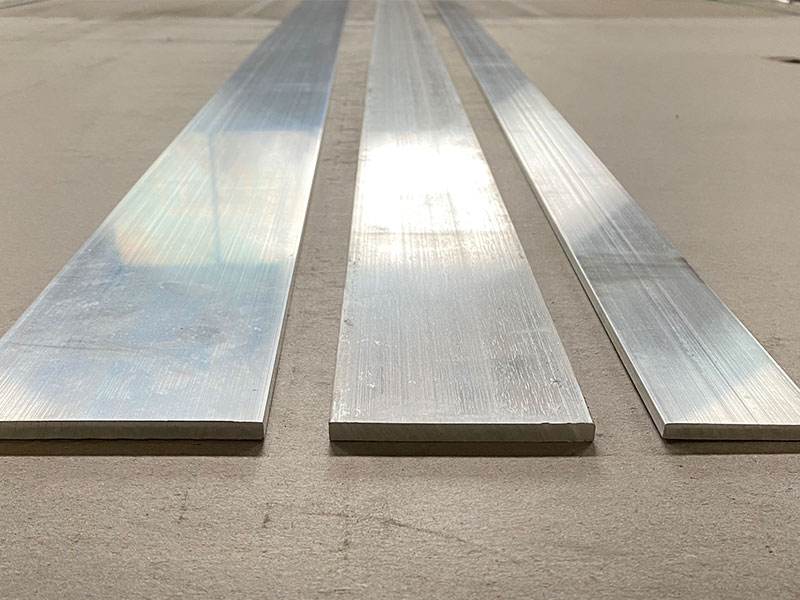

Aluminum alloy for ship building
Aluminum alloys have gained significant popularity in shipbuilding due to their excellent strength-to-weight ratio, corrosion resistance, and ease of fabrication. Particularly in the marine industry, where performance and durability are critical, choosing the right aluminum alloy can make a substantial difference in vessel efficiency, maintenance costs, and overall safety.
Why Choose Aluminum Alloy in Shipbuilding?
Aluminum alloys combine crucial physical and mechanical properties making them an optimal choice for marine structures. Their lightweight nature reduces overall ship displacement, enhancing fuel efficiency while allowing higher load capacity. Additionally, aluminum's resistance to corrosion-particularly corrosion in seawater environments-extends the lifespan of ships and decreases upkeep frequency. Thermal conductivity, excellent weldability, and non-magnetic properties round off the benefits, making aluminum indispensable in modern ship designs.
Typical Applications of Aluminum Alloy in Marine Vessels
- Hull construction of patrol boats, passenger ferries, and naval ships, where reducing hull weight leads to speed and agility improvements.
- Superstructures on various ships where aluminum decreases topside weight and lowers center of gravity.
- Deck and boat fittings, including satellite domes, hatches, and bulkheads.
- Fast ferries and small crafts characterized by stringent weight demands for enhanced performance.
- Cargo holds and storage areas where aluminum ensures durability while easing maintenance.
Parameters and Alloy Grades
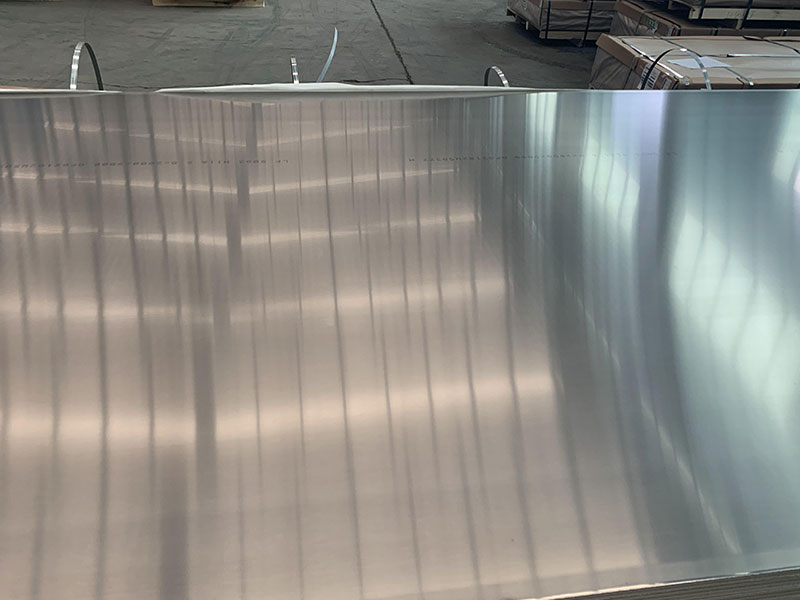
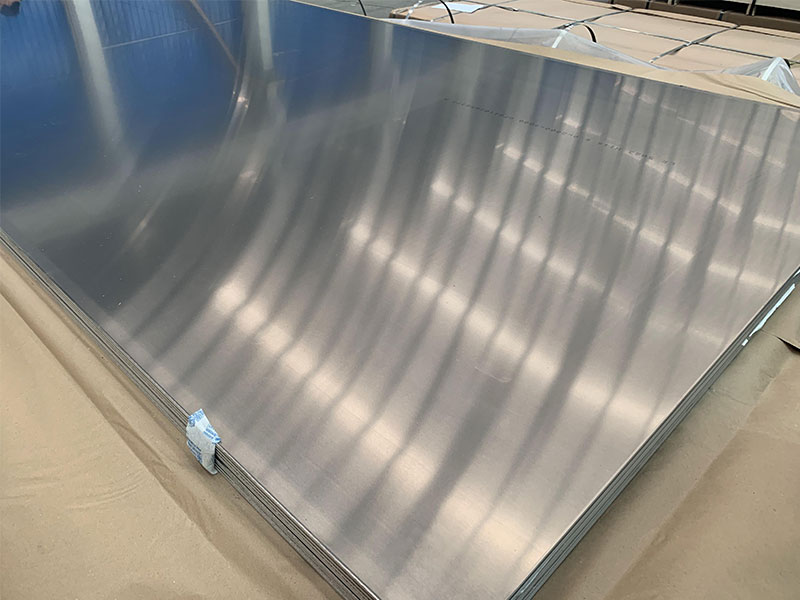
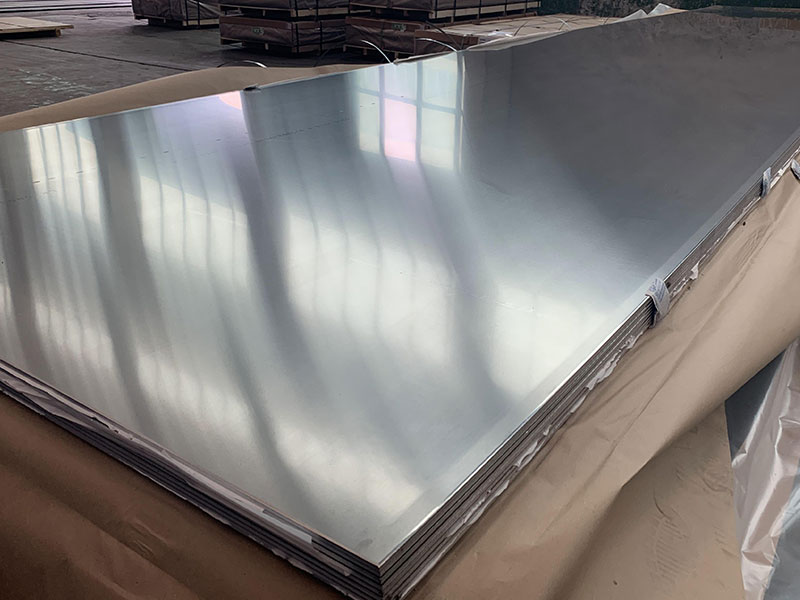
The most commonly used aluminum alloys for shipbuilding belong to the 5xxx, 6xxx, and 7xxx series. However, the marine industry primarily favors the 5xxx and select 6xxx series due to their optimal balance of strength, toughness, and corrosion resistance.
Chemical Composition of Representative Marine Aluminum Alloys
| Alloy | Element Composition (%) | Note |
|---|---|---|
| 5052 | Al: Balance, Mg: 2.2–2.8, Cr: 0.15–0.35, Mn: ≤0.10 | Excellent corrosion-resistant, marine-grade alloy |
| 5083 | Al: Balance, Mg: 4.0–4.9, Mn: 0.4–1.0, Cr: 0.05–0.25 | Superior strength, used in hulls and superstructures |
| 5086 | Al: Balance, Mg: 3.5–4.5, Mn: 0.2–0.7 | High corrosion resistance and weldability |
| 6061 | Al: Balance, Mg: 0.8–1.2, Si: 0.4–0.8, Fe: ≤0.7, Cu: 0.15–0.4 | Versatile with good mechanical properties and weldability |
| 7075 | Al: Balance, Zn: 5.1–6.1, Mg: 2.1–2.9, Cu: 1.2–2.0 | Very high strength but less corrosion resistance |
Alloy Tempering Conditions
Tempering conditions affect the strength, ductility, and toughness of aluminum alloys. For marine applications, common tempers include:
| Temper Designation | Description | Typical Application |
|---|---|---|
| O | Annealed (softest condition) | Forming or shaping before final strengthening |
| H116 (or EH116) | Strain hardened and partially annealed | Welded marine structures requiring moderate strength and corrosion resistance |
| H321 | Solution heat-treated and cold worked | Components requiring balanced strength and corrosion resistance, e.g., hull sections |
| T4 | Solution heat-treated and naturally aged | Moderate strength, common for structural parts |
| T6 | Solution heat-treated and artificially aged | Maximum strength (less common in marine, due to corrosion concerns) |
Important Physical and Mechanical Properties
| Property | Typical Range | Significance |
|---|---|---|
| Density | 2.63–2.85 g/cm³ | Lightweight characterization for improved fuel efficiency |
| Tensile Strength | 185–550 MPa | Ability to sustain loads and resist deformation |
| Yield Strength | 120–490 MPa | Elastic limit for governance of design safety |
| Elongation at Break | 5–22 % | Indicates ductility and toughness |
| Modulus of Elasticity | ~68.9 GPa | Measure of stiffness critical for hull rigidity |
| Thermal Conductivity | 120–180 W/m·K | Important for heat dissipation in certain systems |
| Corrosion Resistance | Very High to Excellent | Prevent degradation in marine, alkaline and some acidic environments |
Implementation Standards and Marine Industry Compliance
Use of aluminum alloy in shipbuilding follows several critical national and international standards ensuring material quality, structural integrity, and safety. Selected standards impacting aluminum alloy use include:
| Standard | Scope and Purpose |
|---|---|
| ASTM B928 | Specification for aluminum alloy sheet and plate |
| ABS (American Bureau of Shipping) rules | Certification for marine structures using aluminum alloys |
| DNV-GL Standards | Classification decisional rules involving aluminum applications |
| ISO 6362-2 | Covers heat-treated aluminum alloy sheet and plate |
| EN 485-2 | European standards for aluminum chemically analyzed and mechanically tested |
| MIL-DTL-46027 | Specification addressing aluminum alloy requirements for maritime mission space components |
Corrosion and Maintenance
Marine aluminum alloys, particularly those in the 5xxx series like 5083 and 5086, resist seawater influence due to their significant magnesium content and low inclusion of copper. Applying appropriate marine coatings and routine maintenance can substantially prolong lifespan, reducing cavitation, stress corrosion cracking, and pitting. Proper galvanic protection strategies are also necessary when using aluminum near dissimilar metals such as steel.
https://www.aluminumplate.net/a/aluminum-alloy-for-ship-building.html