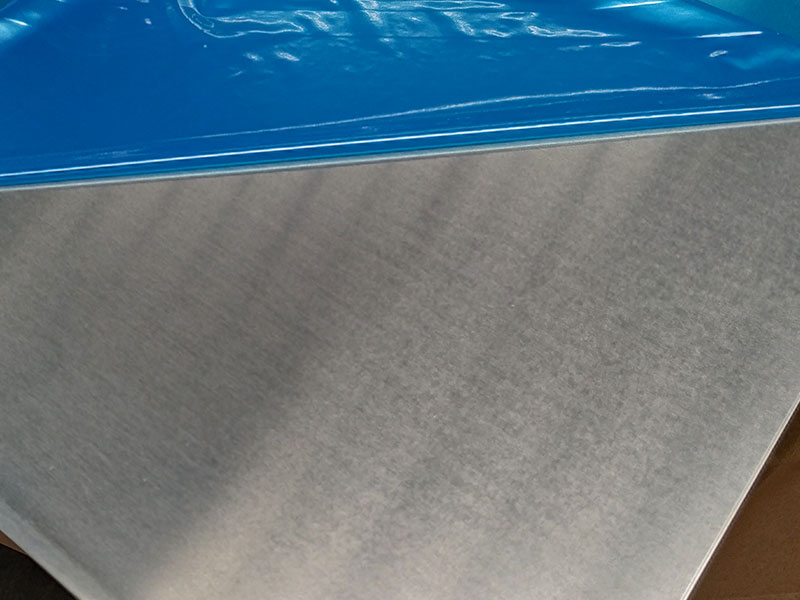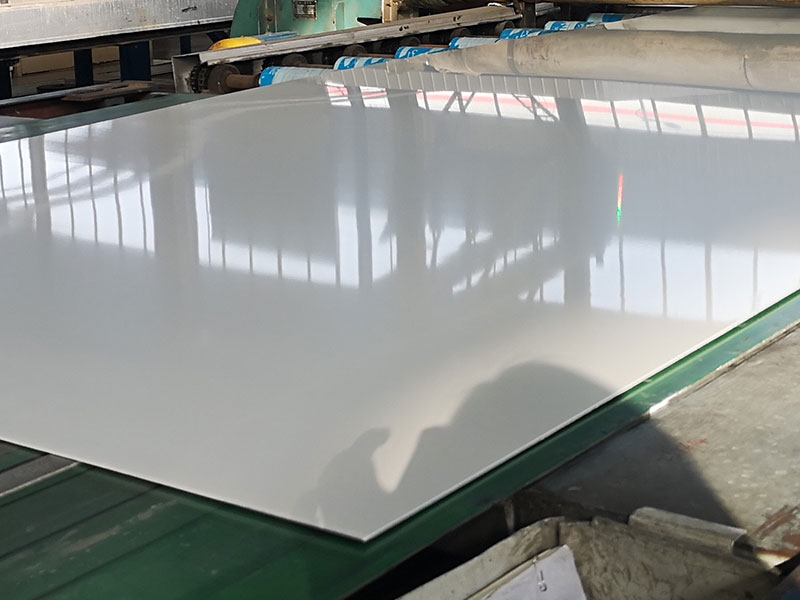

White anodized aluminum sheet
White anodized aluminum sheet is a bit like "architecture in a box." At first glance it looks calm, clean, almost quiet. But beneath that soft white surface is a highly engineered material system: a specific aluminum alloy and temper, a controlled anodic oxide layer, and often a carefully tuned sealing process that locks durability into the finish. For customers choosing a sheet that must stay bright, resist fingerprints, and perform outdoors or in demanding interiors, white anodizing from this "surface-as-a-system" perspective helps you buy with confidence rather than guesswork.
What "white anodized" really means
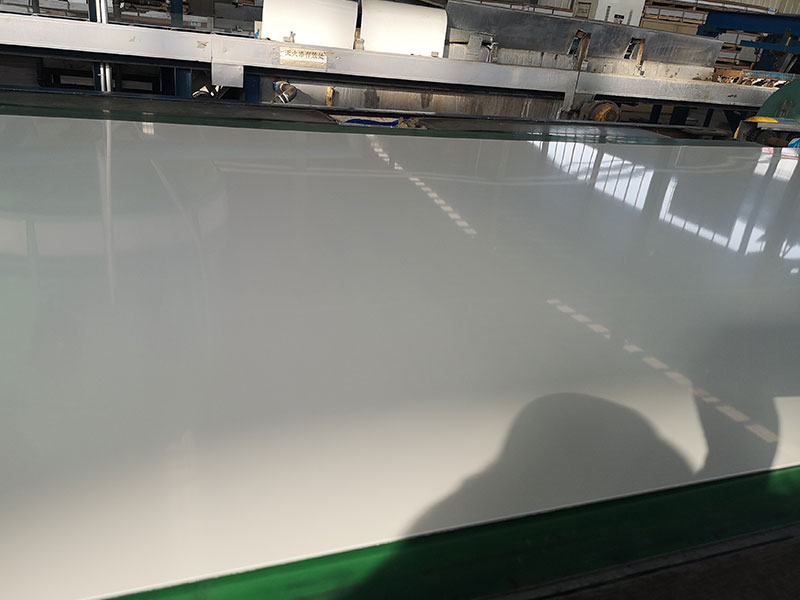
Anodizing is not paint and not plating. It is a conversion process that grows an aluminum oxide layer from the base metal itself. This layer is porous at first, allowing it to accept dye or electrolytic coloring. "White anodized" typically refers to either a very light dye (near-white), a natural anodized layer combined with optical brightening or bead-blasted diffusion, or a two-step process that yields a pale, ceramic-like appearance. True "paper white" is difficult with anodizing alone because the oxide is translucent and the base alloy color influences the final tone. That's why alloy selection and surface preparation matter as much as the anodizing bath.
From a design viewpoint, white anodized aluminum sheet behaves like a mineral surface: it reflects light softly, hides small scratches better than glossy coatings, and stays stable under UV exposure because the color is in or under an oxide structure rather than in an organic film.
Why the alloy and temper quietly decide your final appearance
If you want consistency, you start with the right alloy family. Different alloys contain different levels of magnesium, silicon, copper, manganese, and iron, and these elements affect brightness, grain appearance, and the chance of "shadowing" or tone variation after anodizing.
Common choices for white anodized sheet include:
- 5000 series (Al-Mg), such as 5052 or 5083, valued for corrosion resistance and good forming. 5052 is a frequent choice for decorative interior panels and marine-adjacent applications.
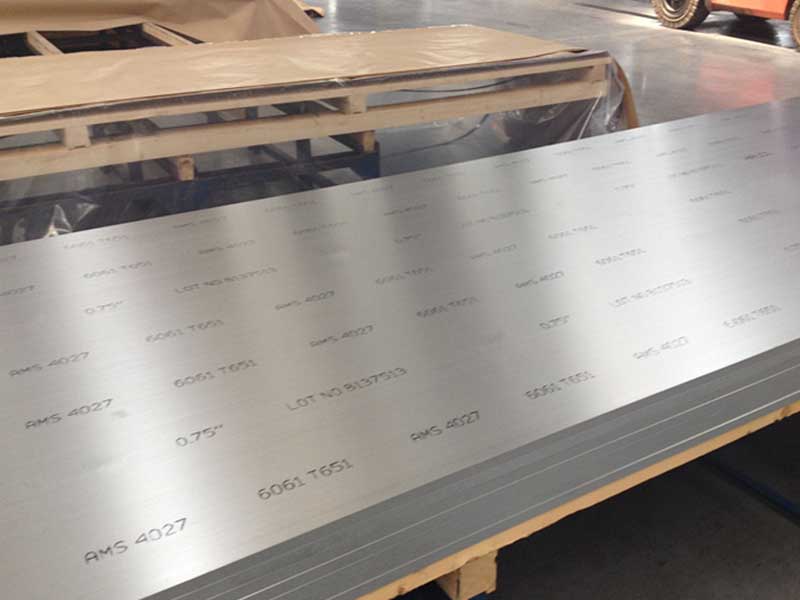
- 6000 series (Al-Mg-Si), such as 6061 or 6063, known for good anodizing response and clean appearance. 6063 is famous for architectural anodizing (especially extrusions), and sheet can also be specified where a more uniform anodized look is needed.
Temper is the other half of the story. H14/H24 tempers offer a balance between strength and formability for sheet metal work. O temper is best for deep forming but can show surface handling marks more easily. T6 tempers (common in 6061) bring high strength but are less forgiving in tight bends and may show more pronounced grain or "roll lines" if the mill finish isn't optimized.
The anodic layer: thickness, sealing, and what customers actually feel
Customers often ask, "Will it last outdoors?" The real determinant is anodic film thickness and sealing quality.
Typical anodizing classes you'll see on datasheets:
- Architectural anodizing, generally around 10–25 μm, used for interior and exterior building elements with controlled appearance.
- Hard anodizing, roughly 25–70 μm, used for wear resistance; color tends to be darker or more matte, and "white" becomes harder to achieve.
Sealing closes the pores of the anodic film, improving stain resistance and reducing chalking. Hot deionized water sealing, nickel acetate sealing, or mid-temperature sealing may be used depending on performance targets and environmental restrictions. For "white" aesthetics, sealing is also where the surface can shift slightly in tone, so reputable suppliers control sealing chemistry tightly.
Parameters buyers should specify up front
To purchase white anodized aluminum sheet with repeatable results, it helps to specify the finish like you would specify a mechanical part: in measurable terms.
parameters commonly agreed between supplier and customer include:
- Alloy and temper, such as 5052-H24, 6061-T6, or 5005-H34 (5005 is often favored for bright, uniform anodizing in architectural applications).
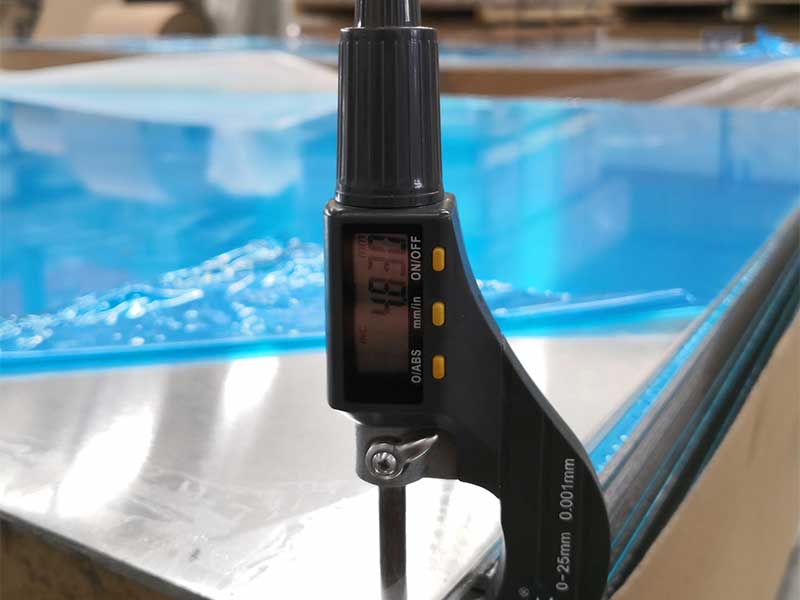
- Sheet thickness and tolerance, commonly from 0.5 mm up to 6.0 mm for many cladding and fabrication uses, with tighter tolerances available on request.
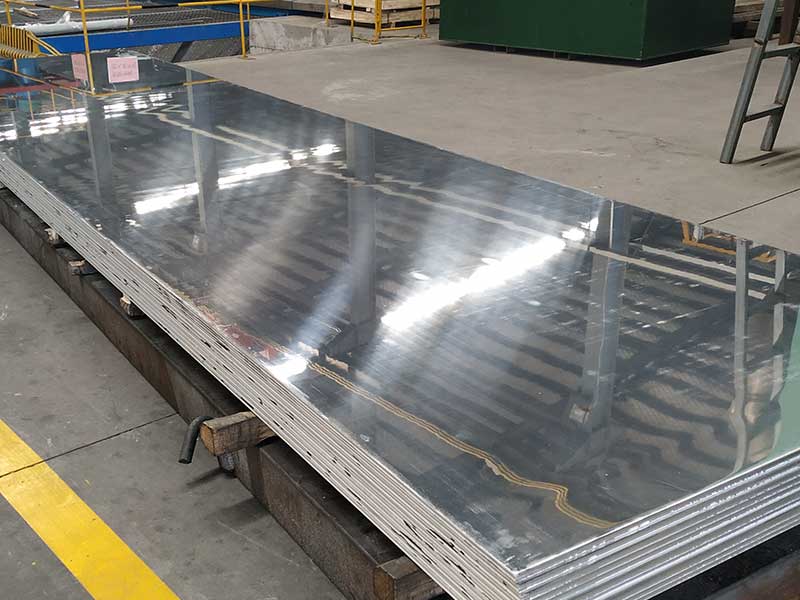
- Surface quality level, such as "architectural" or "decorative" grade, with limits on roll marks, pits, and scratches.
- Anodizing thickness, for example 15 μm, 20 μm, or 25 μm depending on exposure and expected wear.
- Color target and gloss, such as matte, satin, or low-gloss white; white anodizing should be approved by a control sample because lighting changes perceived whiteness dramatically.
- Sealing method and quality requirement, often verified by standard sealing tests.
Implementation standards that matter in real projects
White anodized aluminum sheet is usually produced to recognized anodizing standards. Commonly referenced standards include:
- ISO 7599 for anodizing of aluminum and its alloys, covering general requirements and film properties.
- ISO 2143 for measurement of anodic coating thickness by microscopical examination (with other non-destructive methods also used in production).
- ASTM B580 for anodic oxide coatings on aluminum, widely used in North America for specifying types and classes.
- AAMA 611 for architectural anodizing performance expectations (often cited in building façade discussions, though project requirements vary).
In commercial transactions, a supplier may also provide internal color control, ΔE tolerances, or panel-to-panel matching agreements, especially when the sheet will be used as a visible surface.
A practical view of performance: corrosion, fingerprints, and cleaning
White anodized aluminum sheet performs well because the aluminum oxide is chemically stable, tightly bonded, and UV-resistant. It resists peeling and blistering typical of some coatings. That said, the surface is not immune to strong alkalis or aggressive cleaners. For routine maintenance, pH-neutral cleaners and soft cloths protect the finish. In coastal or industrial environments, periodic rinsing helps remove salts and contaminants that can stain even sealed anodic films over time.
For touch-heavy interior applications, a satin white anodized surface can hide fingerprints better than high-gloss paint, especially when combined with a fine mechanical pre-finish like brushing or micro-etching.
Chemical composition table (typical ranges)
Exact chemistry depends on the chosen alloy standard (AA/EN). The table below shows typical composition ranges for widely used anodizing-friendly sheet alloys. Values are weight percent.
| Alloy | Si | Fe | Cu | Mn | Mg | Cr | Zn | Ti | Al |
|---|---|---|---|---|---|---|---|---|---|
| AA 5005 | 0.30 max | 0.70 max | 0.20 max | 0.20 max | 0.50–1.10 | 0.10 max | 0.25 max | 0.20 max | Balance |
| AA 5052 | 0.25 max | 0.40 max | 0.10 max | 0.10 max | 2.20–2.80 | 0.15–0.35 | 0.10 max | 0.15 max | Balance |
| AA 6061 | 0.40–0.80 | 0.70 max | 0.15–0.40 | 0.15 max | 0.80–1.20 | 0.04–0.35 | 0.25 max | 0.15 max | Balance |
If your project prioritizes the brightest, most uniform white anodized look, alloys like 5005 are often chosen specifically for appearance control, while 5052 is selected when corrosion resistance and forming are equally important.
Where white anodized sheet shines
Seen from the "surface-as-a-system" viewpoint, white anodized aluminum sheet is a controlled interface between metal and environment. It offers a restrained, modern aesthetic for elevator interiors, appliance panels, ceiling systems, retail fixtures, signage backers, and architectural trims. It also brings predictable durability for semi-exterior applications when thickness and sealing are specified correctly.
https://www.aluminumplate.net/a/white-anodized-aluminum-sheet.html