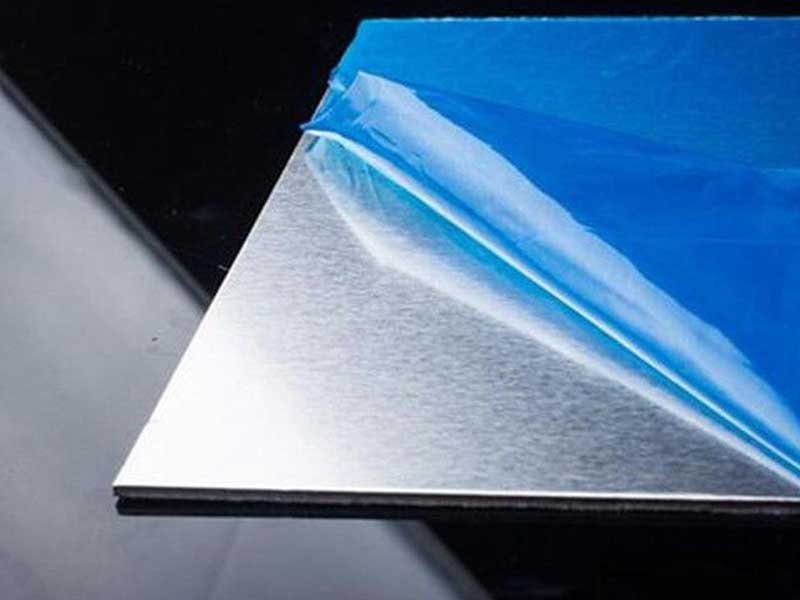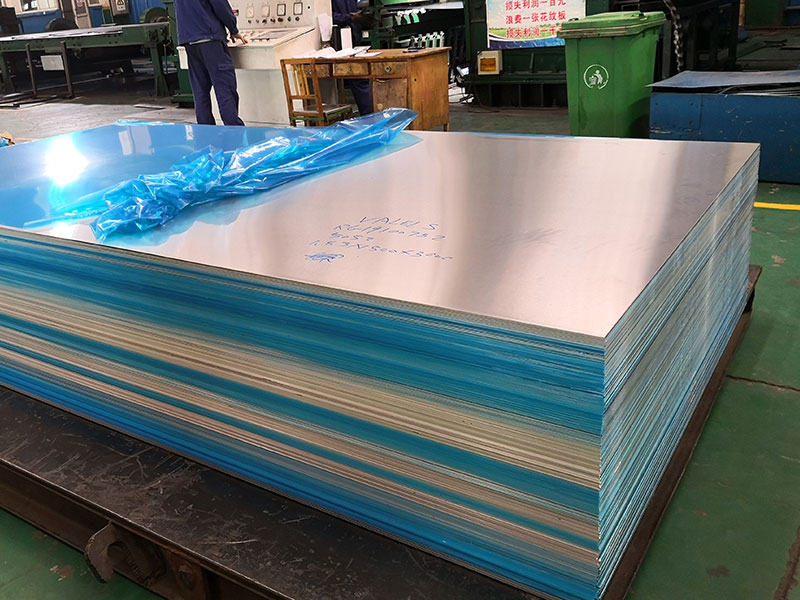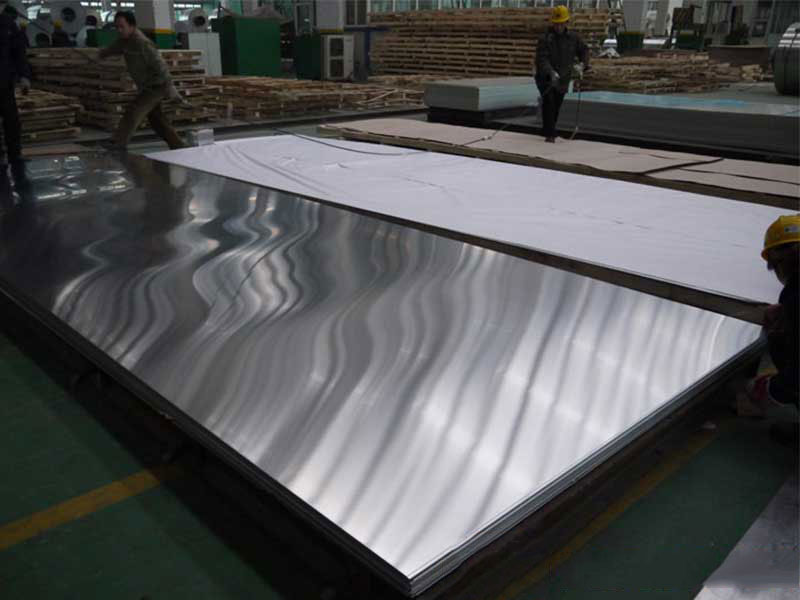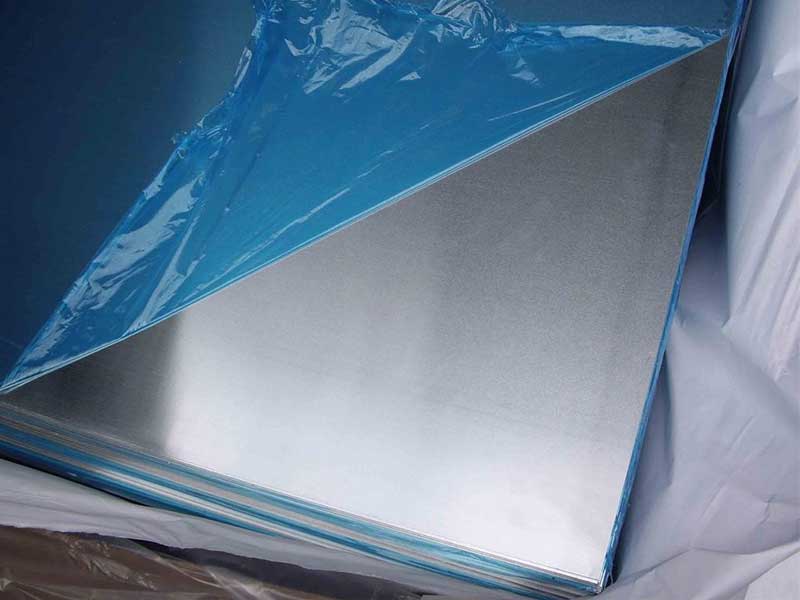

1mm 2mm thick aluminium sheet alloy 3104 H26
When it comes to versatile and highly durable aluminium sheets, the 1mm and 2mm thick aluminium sheets made from Alloy 3104 H26 occupy a prominent place in various industrial and commercial sectors. Known for its excellent mechanical properties and corrosion resistance, this specific alloy grade combined with the H26 temper treatment offers an optimal balance between formability and strength.
Alloy 3104 belongs to the 3xxx-series of aluminium alloys, prominently featuring manganese as the primary alloying element. The 3104 grade brings enhanced strength, excellent corrosion resistance, and good workability, making it widely preferred for sheet applications - from packaging to construction.
The temper designation H26 indicates that the sheet is strain-hardened to a degree between quarter-hard and half-hard, subsequently stabilized by partial annealing. This provides a solution that improves formability while retaining good strength suitable for manufacturing processes such as bending, drawing, or curving.
Functions and Characteristics
- Excellent forming capabilities: Suitable for bending, embossing, and moderate stamping processes without cracking.
- Corrosion resistance: Naturally resists weathering and many chemicals, reducing maintenance needs.
- Improved strength: Offers balanced mechanical strength to withstand impact and stress for moderate load applications.
- Lightweight: Aluminium's low density aids in applications requiring decreased overall weight.
- Recyclability: Fully recyclable without loss of attributes, aligning today's sustainability goals.
- Thermal and electrical conductivity: Provides reliable conduction for specialized applications.
Typical Applications of 1mm & 2mm Thick 3104 H26 Aluminium Sheets
The combination of alloy chemistry, sheet thickness, and tempering positions 3104 H26 sheets as a premium choice across a spectrum of uses where formability and durability are paramount:
- Automotive Industry: Body panels, heat shields, internal trims, and lightweight structural components.
- Packaging: Aluminium beverage cans and packaging foils where flexible yet strong material is crucial.
- Construction: Roofing, cladding, fascia panels, ductwork, and decorative finishes that rely on robust weather Resistance.
- Household Appliances: Ovenware, refrigerator linings, and cooking utensils benefit from every physical attribute.
- Electrical and Heat Transfer: Used in personnel heaters, air conditioner components due to its favorable conduction features.
- Signage and Display: Lightweight sheets ideal for commercial display units and advertising boards.
Detailed Technical Specifications of Alloy 3104 H26 Aluminium Sheet
The following table summarizes physical and mechanical parameters for 1mm and 2mm thick sheets:
| Parameter | 3104 Alloy – Typical Values |
|---|---|
| Temper designation | H26 (Half-hard/partially annealed) |
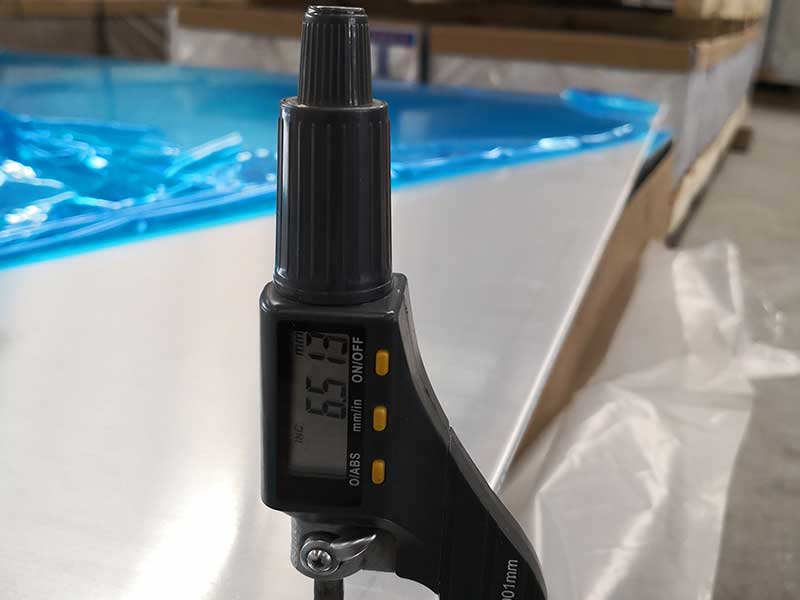
| Thickness | 1mm, 2mm |
| Density | 2.70 g/cm³ |
| Tensile Strength | 165 - 220 MPa |
| Yield Strength (0.2% Offset) | 140 - 180 MPa |
| Elongation (in 50 mm) | Minimum 6% |
| Hardness (Brinell) | Approximately 50 - 65 HB |
| Thermal Conductivity | ~160 - 170 W/mK |
| Electrical Conductivity | Approximately 32-34 % IACS |
Chemical Composition
The chemical properties of 3104 alloy focus on manganese and magnesium as critical elements contributing to its performance:
| Element | Typical % Weight Composition |
|---|---|
| Aluminium (Al) | Balance |
| Manganese (Mn) | 1.0 – 1.5 |
| Magnesium (Mg) | 0.2 – 0.7 |
| Silicon (Si) | ≤ 0.50 |
| Iron (Fe) | ≤ 0.7 |
| Copper (Cu) | ≤ 0.10 |
| Zinc (Zn) | ≤ 0.20 |
| Titanium (Ti) | ≤ 0.15 |
Mn's concentration enhances strength by solid solution strengthening, while Mg slightly elevates corrosion resistance and mechanical properties.
Implementation Standards and Norms
Manufacturers of 3104 H26 aluminium sheets conform to recognized international standards ensuring consistency and quality:
| Standard | Description |
|---|---|
| ASTM B209 | Standard specification for aluminium and aluminium-alloy sheet and plate |
| EN 485-2 / EN 573-3 | European norms specifying mechanical properties, chemical composition |
| JIS H4000 | Japanese industrial standard for aluminium plates |
| GB/T 3880 | Chinese standard for aluminium alloy chemical compositions |
These norms guarantee strict adherence to thickness, tempering requirements, mechanical properties, and chemical limits.
Alloy Tempering and Processing Conditions
The temper H26 signifies a controlled balance found after partial annealing and intermediate strain hardening. Here's what it implies practically:
| Temper Code | Description | Conditions |
|---|---|---|
| H1x | Strain hardened, not heat treated | Strain hardened only |
| H2x | Strain hardened and partially annealed | Controlled annealing process applied after partial hardening |
| H26 | Quantified as "1/4 hard" to "1/2 hard" | Precision processing methods to obtain medium hardness with reasonable ductility |
This offers producers a flexible metal ready for drawing, rolling, or bent fabrication with minimal cracking risk.
The 1mm and 2mm thick 3104 H26 aluminium sheets is know due to their high-performance alliance of structural strength, corrosion resistance, workability, and versatility. Backed by surface standards such as ASTM and EN, this aluminium product serves important markets effectively, including automotive, construction, electrics, and packaging.
Choosing this aluminium alloy and temper means encouraging innovation in lightweight design, eco-responsibility via recyclability, and longevity through enormous material resilience.
If you're aiming for aluminium sheets combining formability, strength, and quality guaranteed by known international practices, the 3104 H26 alloy sheet is undoubtedly a superior choice for your requirements.
For enquiries or detailed specifications tailored to your project need, feel free to contact our aluminium experts directly!
https://www.aluminumplate.net/a/1mm-2mm-thick-aluminium-sheet-alloy-3104-h26.html