
Checker aluminum plate weight
Checker Aluminum Plate Weight: More Than a Number, It's a Performance Decision
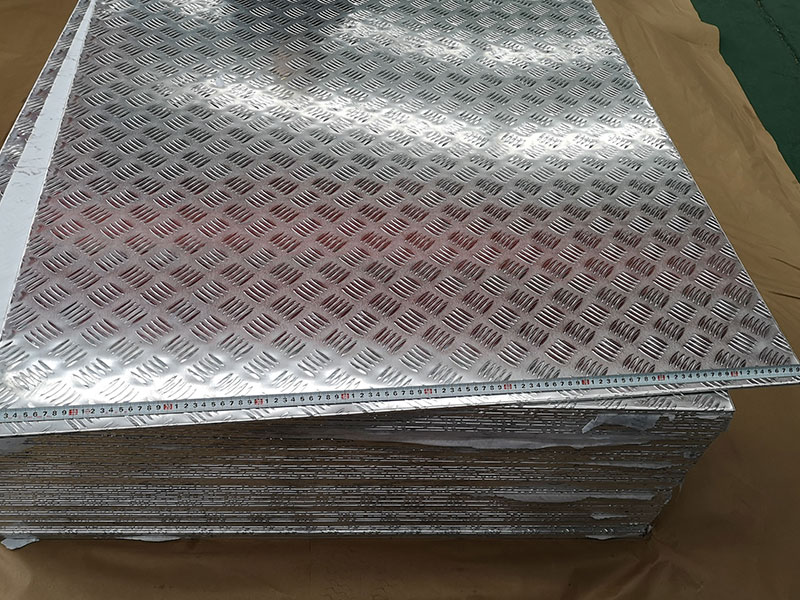
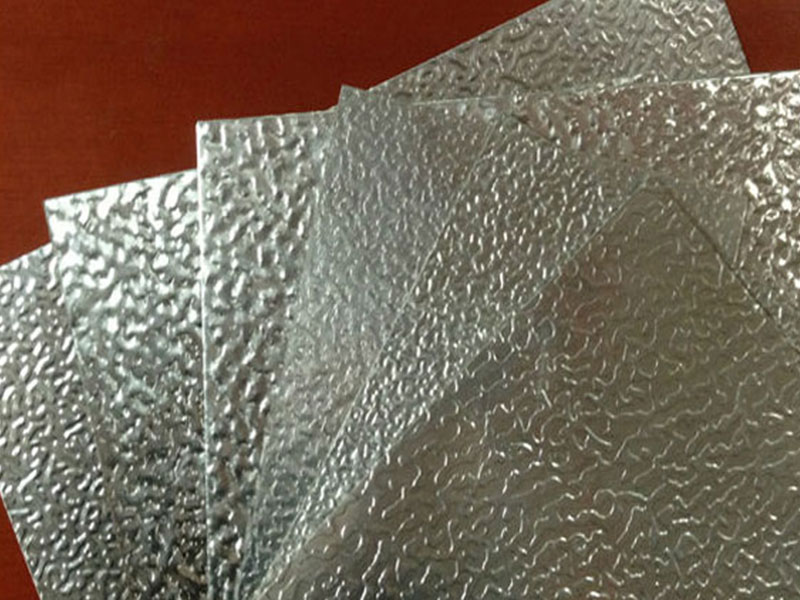
Checker aluminum plate, also called aluminum tread plate or diamond plate, is widely used where people, machines, water, oil, and time all interact. Floors in trucks and trailers, marine walkways, platform steps, warehouse ramps, mezzanines, bus interiors, cold-storage rooms, and equipment enclosures all rely on the same idea: create grip without sacrificing corrosion resistance and fabrication efficiency. Weight tells you how much "material insurance" you're buying against deflection, denting, and fatigue.
What "Weight" Really Means in Checker Aluminum Plate
Unlike flat sheet, checker plate has a raised pattern. That pattern increases traction and local rigidity, but it also makes weight comparisons tricky because different regions and standards define thickness differently.
In most commercial practice, there are two ways thickness is referenced:
Base thickness refers to the thickness of the plate excluding the raised pattern.
Overall thickness refers to base thickness plus the height of the tread.
For weight estimation and structural thinking, base thickness is the reliable input because the raised pattern is a small percentage of total volume and varies by pattern type. If you compare two plates with the same overall thickness but different tread heights, they may not weigh the same and won't flex the same either. A procurement spec that states "base thickness" helps reduce surprises.
The Practical Weight Formula (Fast and Accurate)
Aluminum weight is governed by density. For most aluminum alloys used in checker plate, density is very close to:
Density ≈ 2,710 kg/m³ (2.71 g/cm³)
A fast estimating formula for flat aluminum plate is:
Weight (kg) = Length (m) × Width (m) × Thickness (m) × 2710
For checker plate, many buyers use base thickness with a small pattern allowance. In typical industrial tread patterns, adding about 2–5% is a reasonable estimation when exact pattern volume isn't provided by the mill. If precision matters for lifting design or freight optimization, request the manufacturer's unit weight per square meter for the specific pattern.
A convenient benchmark that purchasing teams like is weight per area:
Weight per m² (kg/m²) ≈ Base thickness (mm) × 2.71
So a 3.0 mm base thickness is about 8.13 kg/m² before pattern allowance.
Weight as a Function: Stiffness, Safety, and Service Life
In real applications, checker aluminum plate weight influences three major outcomes.
Load feel and deflection control
A floor that "drums" or flexes under carts becomes a maintenance and safety issue. Increasing base thickness increases section stiffness dramatically. Even small weight changes can meaningfully reduce deflection in spans.
Traction under contamination
Raised tread is not just "anti-slip"; it creates drainage paths for water and oils. The pattern height, spacing, and orientation can matter as much as the alloy. If weight increases due to thicker base, you also gain deeper "reserve" against wear-down of the raised diamonds over time.
Durability vs. portability
In mobile equipment, every kilogram matters. Aluminum checker plate often replaces steel tread plate precisely because it offers corrosion resistance and lower weight. Choosing a high-strength alloy can allow a thinner base for the same stiffness target, keeping weight down while preserving performance.
Typical Parameters Customers Compare
Common market supply ranges vary by region and rolling capability, but these are typical:
- Base thickness: about 1.5 mm to 6.0 mm (heavier industrial uses may go thicker)
- Sheet width: commonly 1,000–1,500 mm
- Length: commonly 2,000–6,000 mm or cut-to-size
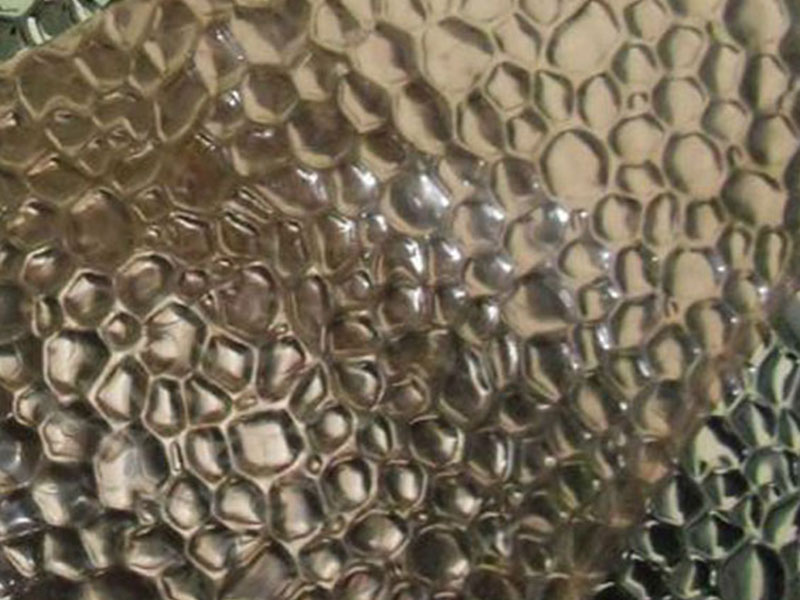
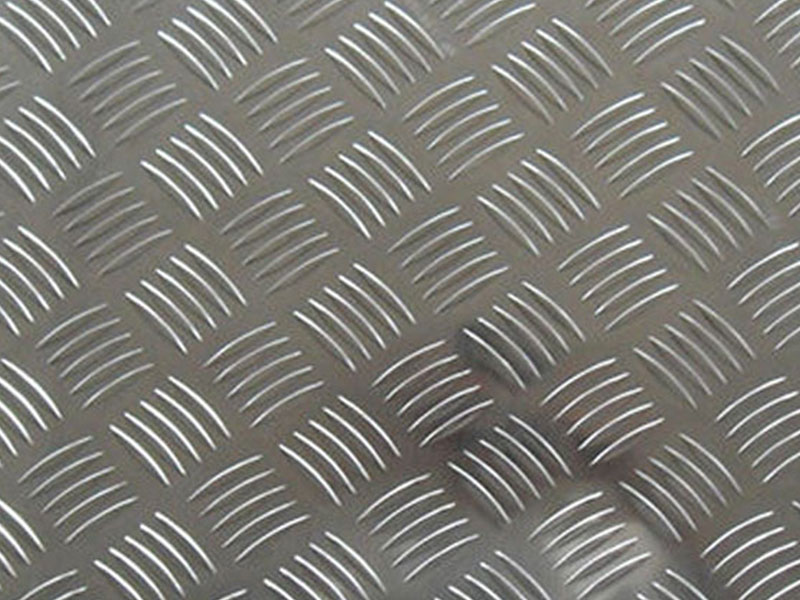
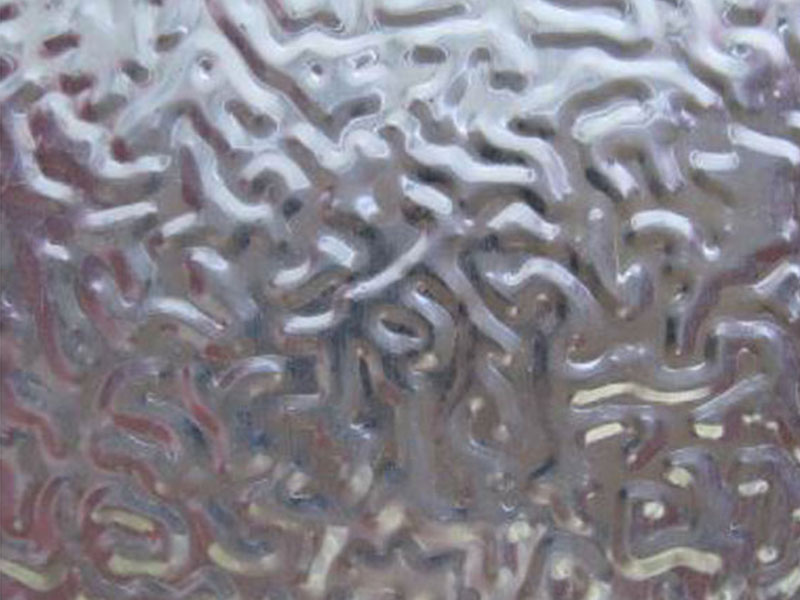
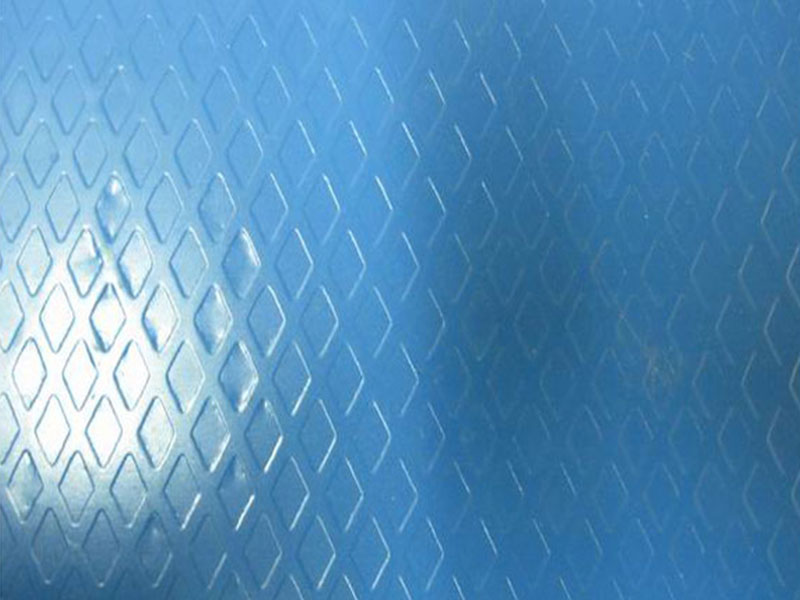
- Pattern types: diamond, 5-bar, 3-bar, lens, or custom tread
Surface condition may be mill finish, bright finish, embossed tread, or sometimes anodized or coated for appearance and added corrosion performance.
Implementation Standards and What They Imply
Checker plate quality is not only about dimensions; standards influence tolerances, alloy chemistry, mechanical properties, and inspection rules. Common references include:
- ASTM B209 for aluminum and aluminum-alloy sheet and plate (widely used internationally)
- EN 485 series for aluminum wrought products in Europe (mechanical properties and tolerances)
- JIS H4000 / JIS H4040 commonly referenced in Asia for aluminum alloys and plates
- Internal enterprise standards for tread pattern geometry and unit weight per area, especially for 5-bar plate
If your project involves regulated flooring or transportation, specify the applicable standard and clarify whether thickness is measured as base or overall.
Alloy and Temper: The Most Practical Weight "Lever" (Indirectly)
Alloy choice doesn't change density much, so it won't significantly change weight at the same dimensions. What alloy changes is the strength-to-thickness strategy: a stronger alloy may let you use a thinner plate to achieve the same functional stiffness and dent resistance, indirectly reducing total weight.
Common checker plate alloys and tempers include:
1060 / 1100 (O, H14, H24)
High corrosion resistance and excellent formability. Often used for general-purpose tread in mild environments, decorative panels, and areas where welding and forming are frequent.
3003 (H14, H24)
A very common choice for tread plate. Good corrosion resistance, good workability, and better strength than 1xxx series. Often selected for truck bodies, platforms, and industrial flooring.
5052 (H32)
A premium option for marine and corrosive environments. Stronger than 3003 with excellent saltwater resistance and good weldability. Ideal for docks, boats, and coastal equipment housings.
6061 (T6)
Higher strength, but forming is less forgiving. Often used where structural strength and fastening integrity matter. In tread plate form it may be less common than 3003/5052, depending on local supply.
Temper notes:
- H tempers (H14, H24, H32) indicate strain-hardened conditions, balancing strength and workability.
- O temper is fully annealed, best for deep forming.
- T6 is solution heat-treated and artificially aged, best for strength but less formable.
Chemical Properties (Typical Composition Table)
Below is a concise reference table for commonly used tread plate alloys. Values are typical maximums unless shown as ranges; always confirm with the mill test certificate for procurement.
| Alloy | Si (%) | Fe (%) | Cu (%) | Mn (%) | Mg (%) | Cr (%) | Zn (%) | Ti (%) | Al (%) |
|---|---|---|---|---|---|---|---|---|---|
| 1060 | 0.25 | 0.35 | 0.05 | 0.03 | 0.03 | - | 0.05 | 0.03 | ≥ 99.60 |
| 1100 | 0.95 (Si+Fe) | - | 0.05–0.20 | 0.05 | - | - | 0.10 | 0.05 | ≥ 99.00 |
| 3003 | 0.60 | 0.70 | 0.05–0.20 | 1.0–1.5 | - | - | 0.10 | 0.15 | Remainder |
| 5052 | 0.25 | 0.40 | 0.10 | 0.10 | 2.2–2.8 | 0.15–0.35 | 0.10 | 0.15 | Remainder |
| 6061 | 0.40–0.80 | 0.70 | 0.15–0.40 | 0.15 | 0.8–1.2 | 0.04–0.35 | 0.25 | 0.15 | Remainder |
Choosing the "Right Weight" by Application
In flooring and access systems, the right checker aluminum plate weight is the intersection of safe grip, acceptable deflection, corrosion conditions, and installation method.
For truck beds and trailers, 3003-H14/H24 is widely used because it balances cost and forming, while 5052-H32 becomes a favorite when de-icing salts and coastal humidity accelerate corrosion. For marine walkways, docks, and offshore equipment, 5052-H32 is often the practical benchmark because it keeps long-term maintenance low. For structural platforms with tighter deflection expectations, a thicker base or a higher-strength alloy may reduce vibration and improve perceived quality, even if the weight rises slightly.
What to Ask When You Request a Quote
To make checker aluminum plate weight meaningful, confirm the details that control real delivered mass and performance: base thickness vs overall thickness, alloy and temper, tread pattern type, sheet size, applicable standard, and whether unit weight per square meter is provided for that exact pattern. Those few clarifications turn "weight" from a guess into a dependable engineering input-and help you buy a tread plate that performs as confidently as it ships.
https://www.aluminumplate.net/a/checker-aluminum-plate-weight.html