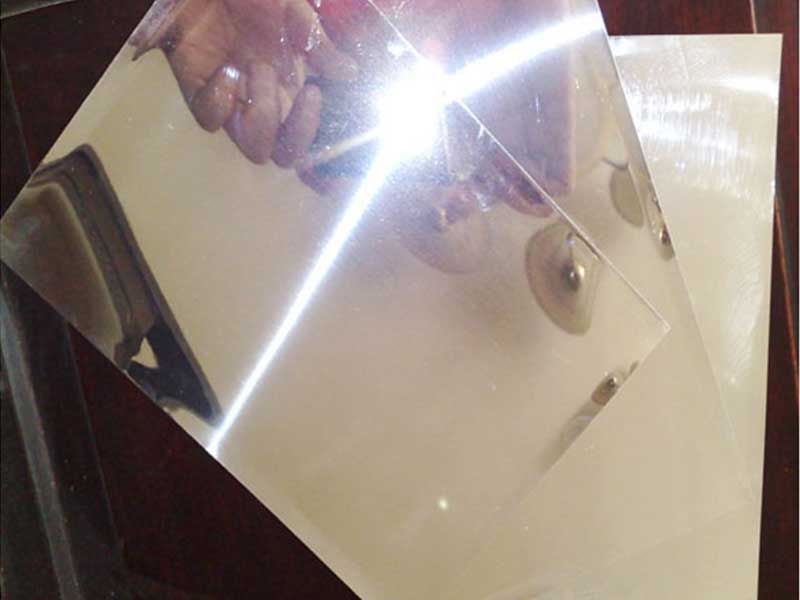

Mirror Anodized Aluminum Sheet 5083
Mirror Anodized Aluminum Sheet 5083: When Marine Strength Meets Architectural Reflection
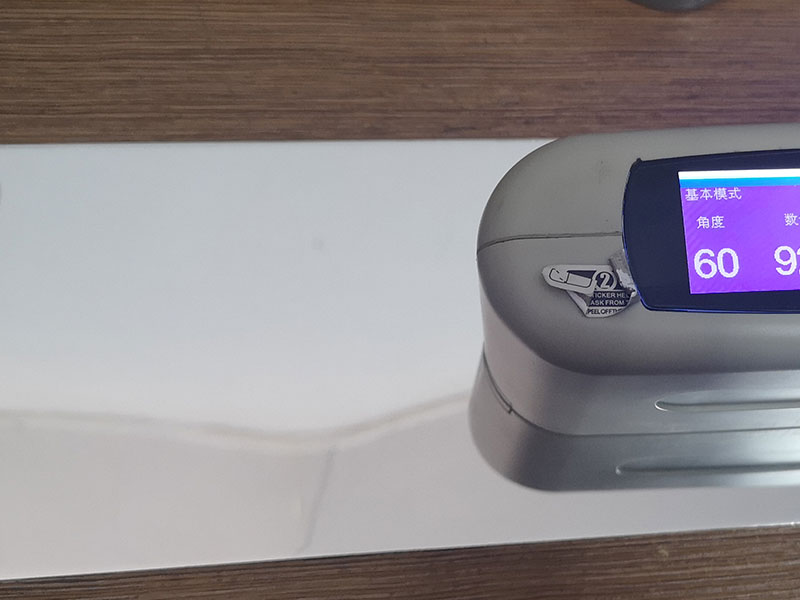
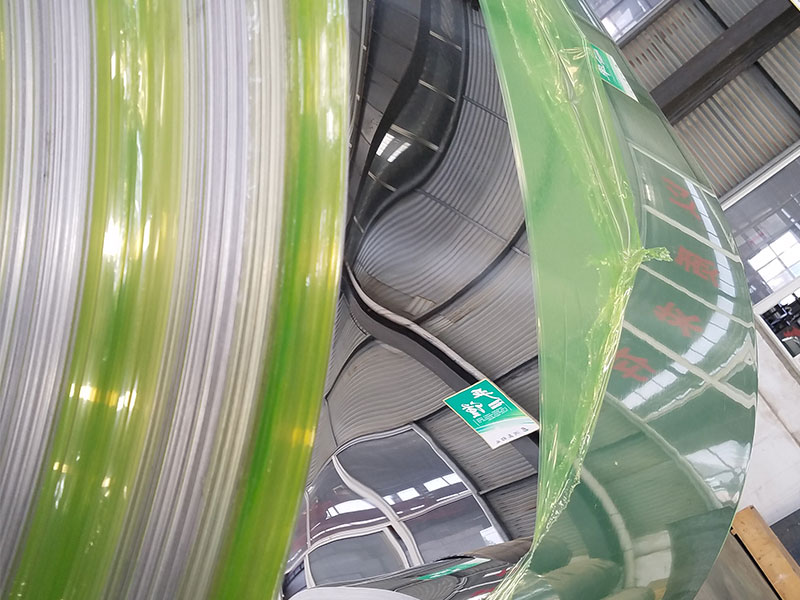
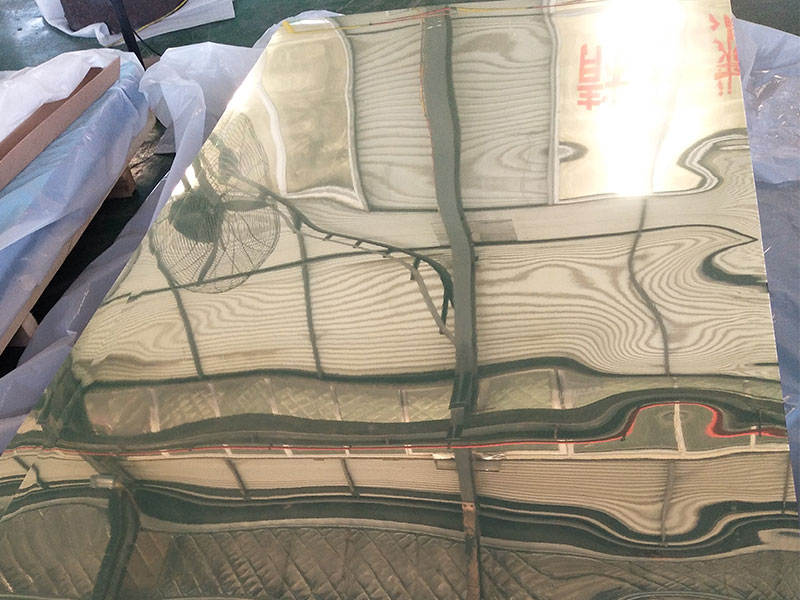
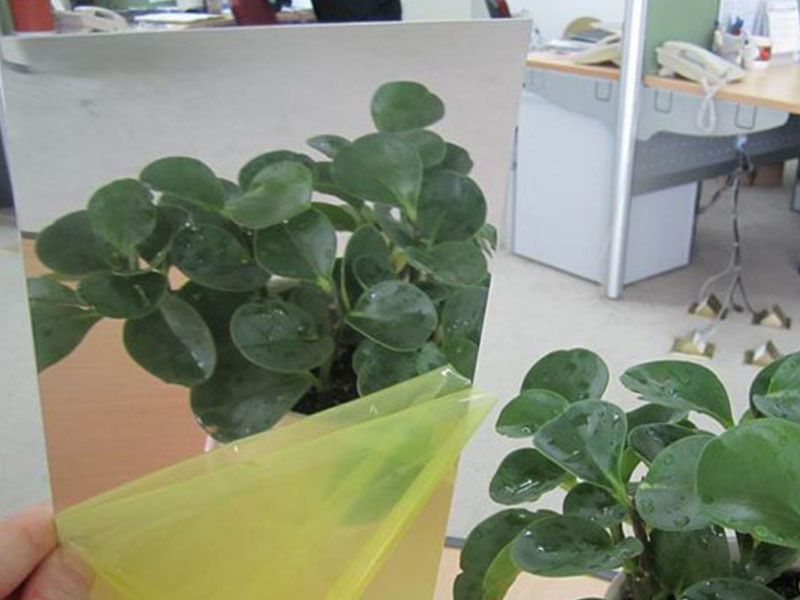
A mirror aluminum sheet is often chosen for what you can see: a clean, sharp reflection that makes spaces feel brighter, products feel more premium, and designs look more precise. Mirror anodized aluminum takes that visual advantage further by adding a controlled oxide layer that improves durability, corrosion resistance, and color stability. What makes Mirror Anodized Aluminum Sheet 5083 especially interesting is that it approaches "mirror" from a different direction than decorative alloys: it brings serious structural credibility into the reflective world.
5083 is widely known as a marine-grade aluminum alloy. Designers, fabricators, and procurement teams typically associate it with shipbuilding, pressure-containing structures, and harsh outdoor environments. Pairing that rugged identity with a mirror anodized finish creates a material that isn't just eye-catching, but also more confident in real-world service conditions-salt, humidity, handling, and time.
A distinctive viewpoint: reflection is only half the story
In many applications, "mirror" is treated as a surface decision. With 5083, the conversation changes. The substrate matters more because the alloy is engineered to remain stable and corrosion-resistant under stress. This becomes valuable when mirror surfaces must survive more than showroom conditions-think coastal architecture, transportation interiors, high-end equipment panels, or reflective housings exposed to frequent cleaning.
Mirror anodizing also reframes maintenance. Instead of relying solely on a delicate polished surface, anodizing forms a hard aluminum oxide layer integral to the metal. In practice, that means better resistance to fingerprints, abrasion, and environmental attack compared with non-anodized mirror-polished sheet.
What is 5083 aluminum, and why it's chosen
AA 5083 is an Al-Mg alloy (5xxx series), strengthened primarily by magnesium and work hardening rather than heat treatment. It is celebrated for:
- Excellent corrosion resistance, particularly in marine and industrial atmospheres
- Strong mechanical performance at moderate thicknesses
- Good weldability
- Reliable performance at low temperatures
The tradeoff: 5083 is not typically the first choice for ultra-high optical reflectivity compared with some purer or differently alloyed grades. Achieving a true mirror look requires tight control of surface preparation and anodizing parameters. When executed well, you get a reflective finish backed by a substrate that's built for tough service.
Mirror anodizing: what it really means
A mirror anodized sheet is usually produced by combining a high-quality brightening process with anodizing. Depending on the finish target, the process may include:
- Precision rolling and surface control to reduce texture
- Mechanical polishing and/or chemical brightening to increase specularity
- Anodizing to build a protective oxide layer
- Optional sealing to improve stain resistance and color stability
On 5083, careful process selection is essential because magnesium-rich alloys can respond differently to brightening and anodizing than 1xxx or 3xxx series. The best results come from controlled chemistry, consistent sheet quality, and application-specific finish expectations.
Typical parameters customers care about
Mirror anodized aluminum is purchased by specification, not by adjectives. For Mirror Anodized Aluminum Sheet 5083, common customer-side parameters include:
- Alloy: AA 5083
- Temper: H111, H112, H116, H321 are common in 5083 supply chains
- Thickness range: often 0.8–6.0 mm for decorative/industrial panels, with broader availability depending on mill capability
- Width/length: custom cut-to-size, often up to 1500–2000 mm width for sheet (availability varies)
- Surface: mirror anodized, one-side or two-side depending on use
- Anodic film thickness: frequently 5–25 μm depending on indoor vs outdoor durability goals
- Color: natural (silver) is most common; dyed or electrolytically colored options may be available
- Protective film: PE/PVC masking film for fabrication protection is common
If the application is outdoors or coastal, the anodic layer thickness and sealing quality become especially important. If the sheet is for forming, the temper choice and bend radius requirements should be aligned early.
Implementation standards and quality references
Mirror anodized sheet is usually verified through a combination of aluminum alloy standards and anodizing standards. Depending on region and project type, references often include:
- ASTM B209 for aluminum and aluminum-alloy sheet and plate (general product requirements)
- EN 485 series for aluminum sheet/plate tolerances and mechanical properties (Europe)
- ISO 7599 for anodizing of aluminum and its alloys, general specifications for anodic oxidation coatings
- ASTM B580 for anodic oxide coatings on aluminum, measurement and requirements in many industrial contexts
- ISO 2360 or ASTM B244 for anodic coating thickness measurement (eddy current methods)
- Salt spray or corrosion testing may reference ASTM B117, though anodizing performance is better evaluated with application-relevant exposure and sealing verification
Projects that involve architecture may also align with building-specified anodizing classifications and appearance agreements, because "mirror" is as much about acceptable visual range as it is about a single number.
Alloy tempering and condition notes
5083 is not heat-treatable in the same way as 6xxx or 7xxx series. Strength is obtained through strain hardening and stabilization. Common supply conditions include:
- H111: lightly strain hardened; good formability and weldability, moderate strength
- H112: strain hardened by shaping processes; properties depend on thickness and process
- H116: optimized for marine service, with controlled corrosion performance
- H321: strain hardened and stabilized; often selected to reduce susceptibility to sensitization and maintain good performance after fabrication
For mirror anodized applications, the best temper depends on how the sheet will be processed. If the part requires deep forming or tight bending, a softer condition may reduce the risk of surface distortion. If stiffness and dent resistance dominate, higher-strength tempers may be preferred, with forming expectations adjusted accordingly.
Chemical composition: AA 5083 (typical limits)
Below is a commonly referenced chemical composition range for Aluminum Alloy 5083. Exact limits can vary slightly by standard and producer, so mill test certificates should be used for contractual compliance.
| Element | Typical Specification Range (wt.%) |
|---|---|
| Si | ≤ 0.40 |
| Fe | ≤ 0.40 |
| Cu | ≤ 0.10 |
| Mn | 0.40–1.00 |
| Mg | 4.00–4.90 |
| Cr | 0.05–0.25 |
| Zn | ≤ 0.25 |
| Ti | ≤ 0.15 |
| Others (each) | ≤ 0.05 |
| Others (total) | ≤ 0.15 |
| Al | Remainder |
Magnesium is the main player here. It supports strength and corrosion resistance, while manganese and chromium help improve structure and performance consistency.
Where Mirror Anodized 5083 shines in real projects
This material is most compelling when "appearance" and "environment" are both non-negotiable.
Architectural and coastal cladding can benefit from a reflective finish that is less vulnerable to surface degradation. Transportation interiors and marine-related equipment housings gain a premium look without giving up the corrosion advantages associated with 5083. Industrial enclosures, medical or laboratory surfaces, and high-visibility panels can use mirror anodizing to improve cleanability and brightness while relying on a stable substrate.
One practical note: mirror finishes show everything. Handling procedures, protective film selection, and fabrication discipline matter. If the project includes laser cutting, bending, or welding, define which side is cosmetic, how the film is removed, and how post-processing will protect the anodic layer.
Choosing the right specification quickly
Customers often get the best results by defining a few items clearly: required reflectivity appearance range, anodic film thickness, one-side or two-side mirror, temper for forming needs, and protection/packaging requirements. Mirror anodized 5083 is not just "shiny aluminum." It's a performance material that happens to reflect-useful when your product has to look clean on day one and keep looking clean after real exposure.
https://www.aluminumplate.net/a/mirror-anodized-aluminum-sheet-5083.html