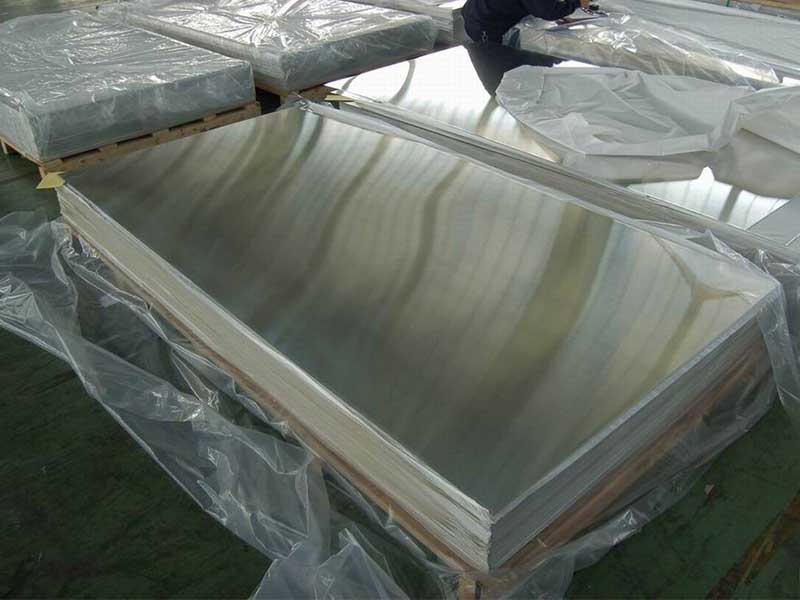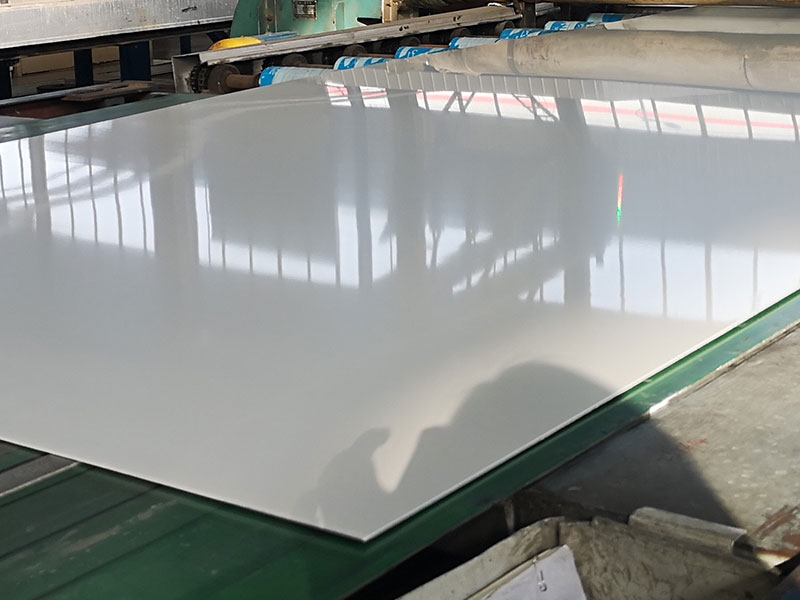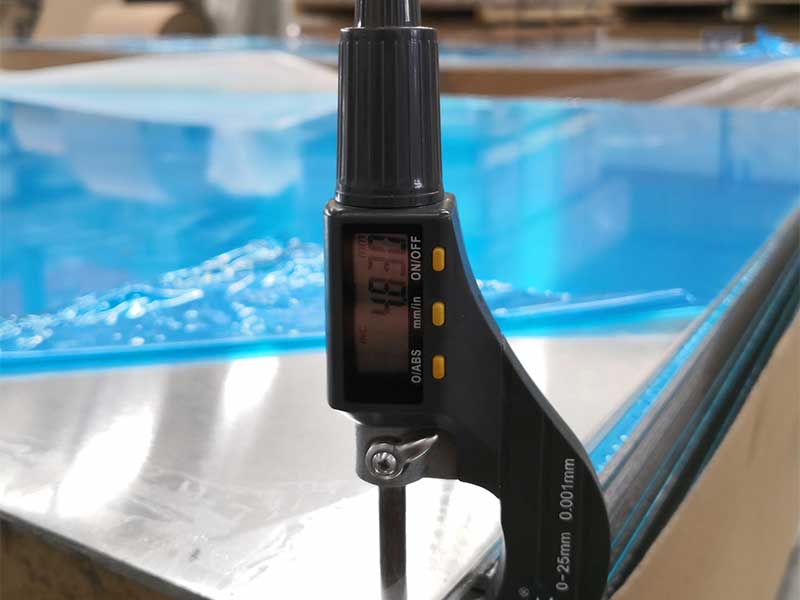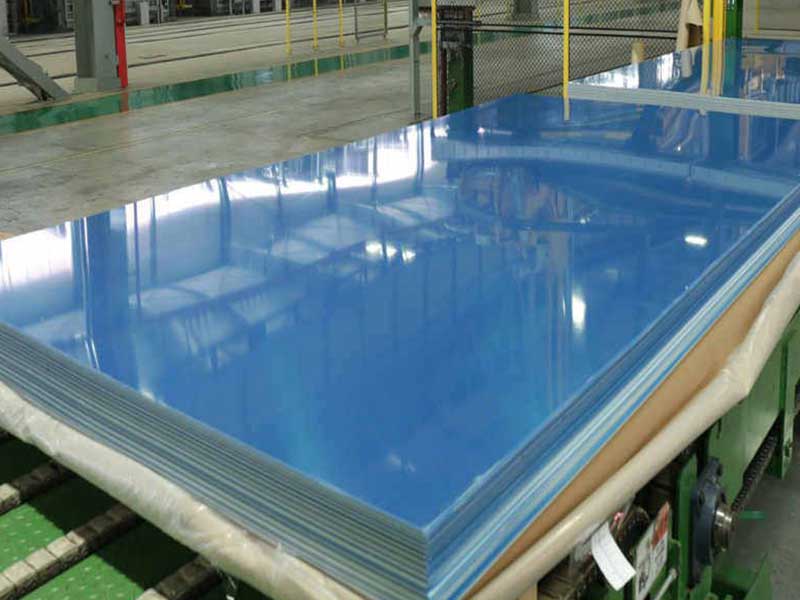

White perforated aluminum plate
High‑Performance, Lightweight, and Design‑Ready Metal Panels
White perforated aluminum plate is a versatile metal sheet that combines the strength and durability of aluminum with the aesthetic and functional benefits of perforation and a white surface finish. It is widely used in architecture, interior design, industrial engineering, ventilation systems, acoustic control, and decorative cladding.
This guide provides a concise, technically grounded overview to help you quickly understand its performance, structure, and application value.
White perforated aluminum plate is typically produced from high‑quality aluminum alloy sheets (commonly 1xxx/3xxx/5xxx series), which are:
- Perforated in a defined pattern (round, square, slot, custom).
- Processed (cut, leveled, possibly formed/bent).
- Surface‑treated (usually powder‑coated or painted in white).
The result is a lightweight, corrosion‑resistant, and visually clean panel that can provide:
- Ventilation & air flow
- Light transmission & visual transparency
- Acoustic absorption (with appropriate backing)
- Reduced weight compared with solid metal sheets
- Modern, minimalist white appearance
2. Typical Alloy & Chemical Composition
White perforated plates can be made from multiple alloys. For architectural and general‑purpose applications, 3003 (Al‑Mn) and 5052 (Al‑Mg) are common choices due to their corrosion resistance and formability.
2.1 Example: Alloy 3003‑H14 (Typical)
| Element | Symbol | Typical Content (wt. %) |
|---|---|---|
| Aluminum | Al | Balance (~96.8–99.0) |
| Manganese | Mn | 1.0–1.5 |
| Copper | Cu | 0.05–0.20 |
| Iron | Fe | ≤0.7 |
| Silicon | Si | ≤0.6 |
| Zinc | Zn | ≤0.10 |
| Others (each) | — | ≤0.05 |
| Others (total) | — | ≤0.15 |
2.2 Example: Alloy 5052‑H32 (Typical)
| Element | Symbol | Typical Content (wt. %) |
|---|---|---|
| Aluminum | Al | Balance (~95.8–97.3) |
| Magnesium | Mg | 2.2–2.8 |
| Chromium | Cr | 0.15–0.35 |
| Iron | Fe | ≤0.4 |
| Silicon | Si | ≤0.25 |
| Copper | Cu | ≤0.1 |
| Manganese | Mn | ≤0.1 |
| Zinc | Zn | ≤0.1 |
Note: Actual alloy and temper are specified per project requirements.
3. Mechanical & Physical Performance
Mechanical values vary by alloy, temper, and thickness, but the following tables give a representative range for 1.0–3.0 mm perforated sheets.
3.1 Mechanical Properties (Typical, Base Sheet Before Perforation)
| Property | Unit | 3003‑H14 | 5052‑H32 |
|---|---|---|---|
| Tensile Strength (Rm) | MPa | 130–180 | 210–260 |
| Yield Strength (Rp0.2) | MPa | 65–120 | 130–200 |
| Elongation (A50) | % | 8–20 | 7–14 |
| Modulus of Elasticity | GPa | ~69 | ~70 |
| Hardness (HB) | — | 35–55 | 60–70 |
Perforation slightly reduces effective stiffness and load capacity; design must consider open‑area ratio.
3.2 Physical Properties
| Property | Unit | Typical Value |
|---|---|---|
| Density | g/cm³ | ~2.70 |
| Melting Range | °C | 630–660 |
| Thermal Conductivity | W/m·K | 120–160 (alloy dependent) |
| Coefficient of Thermal Expansion | 10⁻⁶/K | 22–24 |
| Electrical Conductivity | % IACS | 35–50 |
4. Typical Technical Specifications
Technical parameters are highly customizable. Below is a common configuration range for white perforated aluminum plate.
4.1 Dimensions & Tolerances
| Parameter | Typical Range / Option | Notes |
|---|---|---|
| Thickness (base sheet) | 0.8–4.0 mm | 1.0–3.0 mm most common for cladding & ceilings |
| Standard Width | 1000 / 1250 / 1500 mm | Custom cutting available |
| Standard Length | 2000–6000 mm | Longer lengths possible by request |
| Flatness Tolerance | ≤2 mm/m | Depending on standard and thickness |
| Edge Treatment | Mill edge / deburred / rounded | For safety & handling |
4.2 Perforation Pattern
| Parameter | Typical Options | Description |
|---|---|---|
| Hole Shape | Round, square, slotted, decorative | Round is most common for functional panels |
| Hole Diameter (round) | 1.5–20 mm | 2–8 mm typical for façades & acoustic use |
| Pitch (center‑to‑center) | 2–50 mm | Adjusted per design & open area requirement |
| Open Area Ratio | 10–60 % | Balances strength, airflow, and aesthetics |
| Layout | Straight, staggered (60°) | Staggered pattern improves strength & appearance |
4.3 Surface Finish – White Coating
| Feature | Specification (Typical) | Benefit |
|---|---|---|
| Coating Type | Polyester or PVDF powder coating; or liquid paint | Good weather & UV resistance |
| Color | RAL 9003, 9010 or custom white | Clean, neutral appearance |
| Coating Thickness | 60–80 µm (powder) | Durable, impact‑resistant |
| Gloss Level | Matt / semi‑gloss / high gloss | Architectural design flexibility |
| Adhesion | ≥ Class 1 (cross‑cut) | Strong bond, less peeling |
| Salt Spray Resistance | 500–1000 h (typical) | Corrosion protection for outdoor use |
5. Features & Advantages
5.1 Lightweight and High Strength‑to‑Weight
- Aluminum density is about one‑third of steel, significantly reducing structural load.
- Perforations further decrease weight while maintaining adequate rigidity for non‑load‑bearing applications like claddings and ceilings.
This makes installation easier and can reduce sub‑structure requirements.
5.2 Corrosion Resistance and Durability
- Base alloys such as 3003 and 5052 show excellent atmospheric corrosion resistance.
- White coating acts as a barrier layer against moisture, pollutants, and UV radiation.
- Minimal maintenance: generally limited to periodic cleaning.
5.3 Aesthetic Flexibility
- Uniform white surface offers a clean, modern look.
- Perforation patterns can be engineered for:
- Branding and logos
- Gradients and shading effects
- Light and shadow play on façades
- Achieves both decorative and functional objectives in one material.
5.4 Ventilation, Light, and Acoustic Control
- Perforated surfaces allow:
- Airflow for ventilation grilles, HVAC covers, and equipment enclosures.
- Controlled light transmission in sun screens and semi‑transparent partitions.
- Noise reduction, when combined with an acoustic backing layer (e.g., mineral wool, non‑woven fabric) behind the perforated face.
5.5 Fire and Safety Performance
- Aluminum is non‑combustible and does not propagate flame.
- White coating systems used in building applications are typically formulated for low flame spread and smoke emission (project‑specific standards apply).
- Smooth edges and optional deburring minimize handling risks.
5.6 Processability and Customization
- Easy to cut, bend, roll, and form into panels, trays, cassettes, and curved profiles.
- Compatible with laser cutting and CNC punching for complex patterns.
- Available with:
- Hidden or visible fixing systems
- Edge folding, stiffeners, or reinforcement ribs
6. Application Scenarios
6.1 Architectural & Building Applications
| Use Case | Function | Benefits |
|---|---|---|
| Façade Cladding | Exterior skins, sun‑shading screens | Modern appearance, reduced wind load, partial transparency |
| Balcony & Stair Balustrades | Safety panels with openings | Lightweight, corrosion‑resistant, customizable patterns |
| Ceiling Systems | Suspended acoustic or ventilation ceilings | Clean white finish, integrated lighting and HVAC |
| Parking Garage Screens | Natural ventilation and daylighting | Protects from direct view, improves façade uniformity |
6.2 Interior Design & Fit‑Out
| Use Case | Function | Benefits |
|---|---|---|
| Room Dividers & Partitions | Semi‑transparent partitions | Visual privacy with airflow and light permeability |
| Wall Panels & Feature Walls | Decorative coverings | Various perforation designs, easy to clean |
| Acoustic Panels | Noise control (with backing) | Perforation pattern can optimize acoustic absorption |
6.3 Industrial & Infrastructure
| Use Case | Function | Benefits |
|---|---|---|
| Equipment Guards & Machine Covers | Safety screening with visibility | Lightweight, easy to remove and maintain |
| Ventilation Grilles & Louvers | Air intake/outlet panels | Corrosion resistance, configurable open area |
| Acoustic Enclosures | Equipment noise reduction | Used as outer skin with insulation backing |
6.4 Transport & Miscellaneous
- Train and bus interiors: ceiling and wall panels.
- Exhibition stands & retail: modular display systems.
- Furniture design: cabinet doors, shelving, and decorative elements.
7.1 Performance Matrix
| Performance Aspect | Rating* | Notes |
|---|---|---|
| Corrosion Resistance | ★★★★☆ | Very good for urban & coastal (especially 5xxx) |
| Strength‑to‑Weight | ★★★★☆ | Ideal for cladding and non‑primary structures |
| Aesthetic Versatility | ★★★★★ | Wide pattern and coating options |
| Acoustic Potential | ★★★★☆ | High with proper backing design |
| Fire Behavior | ★★★★☆ | Non‑combustible metal; coating depends on system |
| Maintenance Needs | ★★★★☆ | Simple cleaning, minimal long‑term care |
*Relative, qualitative assessment vs. common alternatives (steel, plastic, solid panels).
8. Design & Selection Guidelines
When specifying white perforated aluminum plates, consider:
- Environment
- For aggressive or marine environments, prefer 5052 or other 5xxx series.
- Structural Requirements
- Choose thickness and open‑area ratio according to wind loads, span, and fixing system.
- Perforation Geometry
- Smaller holes and lower open‑area increase stiffness.
- Larger holes and higher open‑area improve ventilation and transparency.
- Coating System
- PVDF for high‑UV, long‑life outdoor use.
- Polyester powder for interior or moderate climate applications.
- Acoustic Needs
- For sound absorption, coordinate perforation pattern with the type and thickness of backing insulation.
9. Value Proposition
White perforated aluminum plate delivers a balanced combination of:
- Structural performance
- Long‑term durability
- Functional permeability (air, light, sound)
- Clean and flexible visual design
For architects, engineers, interior designers, and industrial users, it offers a single material solution that can meet both technical and aesthetic requirements, while remaining easy to fabricate, install, and maintain.
https://www.aluminumplate.net/a/white-perforated-aluminum-plate.html