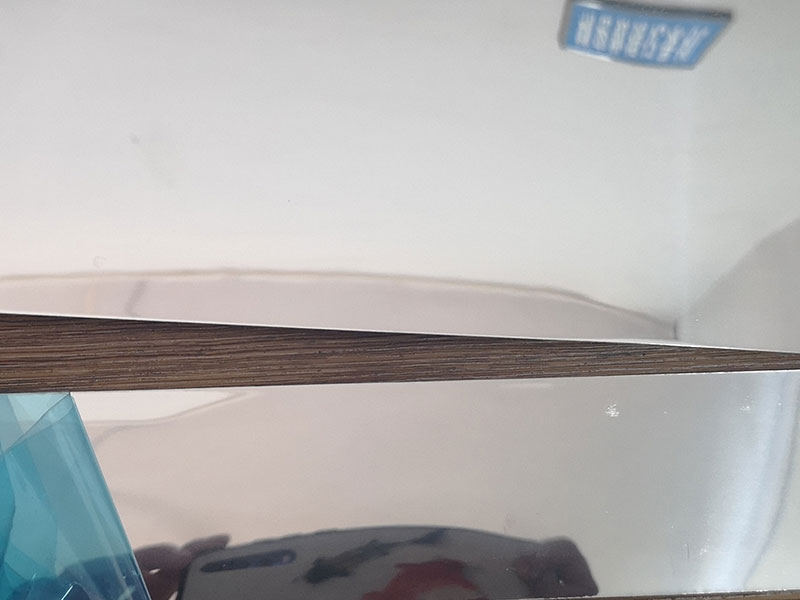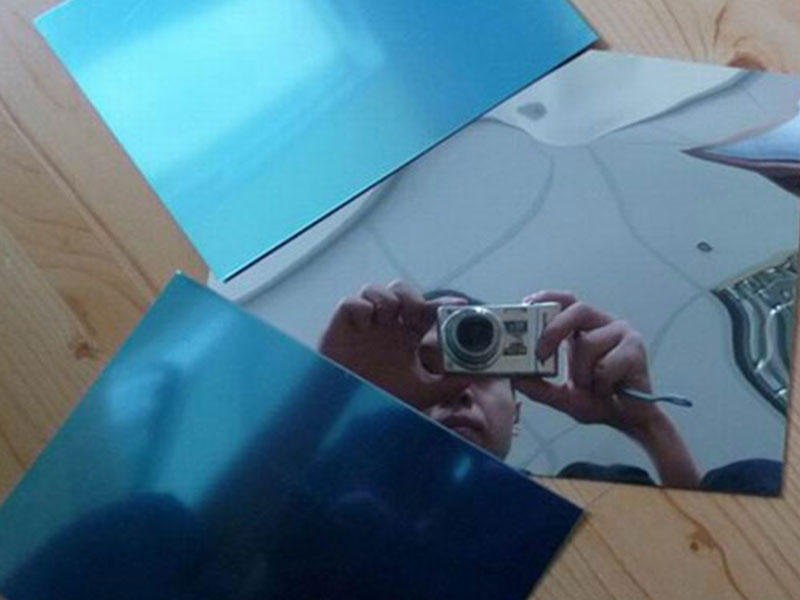
1060 h112 mirror anodized aluminium sheets
1060 H112 Mirror Anodized Aluminium Sheets: A "Light-Management Material," Not Just a Decorative One
When customers ask for 1060 H112 mirror anodized aluminium sheets, the conversation often starts with appearance-"How reflective is it?"-but the more useful way to evaluate this material is to treat it as a light-management surface that also happens to be lightweight, corrosion-resistant, and cost-effective. From this angle, the right choice becomes much clearer: you're not only buying "a shiny sheet," you're choosing how light behaves in your product, space, or component.
1) What "1060 H112" really signals (and why it matters in real use)
1060 aluminium is a commercially pure aluminium (≈99.6% Al). In practical terms, that means:
- Excellent formability: easier bending, rolling, and shaping with lower cracking risk than many higher-strength alloys.
- Very good corrosion resistance: especially important for architectural interiors, clean environments, and general outdoor use after anodizing.
- High conductivity: useful when the sheet doubles as a functional panel (e.g., certain lighting and electrical enclosures).
H112 temper is commonly used for wrought products (sheet/plate) delivered with a light work-hardening condition. For customers, this typically translates into: stable, easy-to-fabricate sheets with consistent mechanical behavior-a practical choice when you want reliability over maximum strength.
takeaway: 1060 H112 is chosen because it's easy to process cleanly and supports high-quality finishing-an important foundation for mirror polishing and anodizing.
2) Mirror finish + anodizing: reflectivity is only half the story
A mirror finish is about achieving a highly reflective surface through polishing. But polishing alone leaves aluminium vulnerable to fingerprints, oxidation, and wear marks.
That's why anodizing matters: it forms a controlled aluminium oxide layer that improves:
- Surface hardness & abrasion resistance (compared with bare polished aluminium)
- Corrosion resistance
- Finish stability over time (helps keep the mirror look longer in real environments)
From a "light-management" perspective, anodizing also helps maintain a more consistent surface condition-important in applications where reflection quality affects performance.
Practical note: Mirror anodized sheet will still show dust, smudges, and handling marks more readily than brushed finishes; it's a premium look that benefits from proper handling and packaging.
3) Where 1060 mirror anodized sheet performs best (a functional viewpoint)
Instead of listing industries, think in terms of what the surface is asked to do:
A) Control and multiply light
- Lighting reflectors, lamp housings, decorative light panels
- Interior elements where brighter perceived space is desired
A mirror surface can increase perceived brightness by redirecting light-helpful for display and lighting designs.
B) Create "clean" high-end visual planes
- Consumer product trims, interior panels, signage backgrounds
- Architectural accents where a smooth, high-gloss look is essential
1060 supports uniform finishing, and anodizing helps keep it presentable longer.
C) Enable forming after finish planning
1060's formability is valuable when parts need bending or rolling. However, customers should decide early:
- Mirror + anodize first, then form? Risk of micro-cracking in the anodic film at tight bend radii.
- Form first, then anodize? Often better for complex shapes, but requires a finishing route that preserves mirror quality.
4) Details customers should clarify before ordering (to avoid "looks different" disputes)
Mirror anodized aluminium is extremely sensitive to small process differences. To keep expectations aligned, confirm:
- Anodizing type and thickness (common architectural anodizing is typically in the ~10–20 μm range, but specs vary)
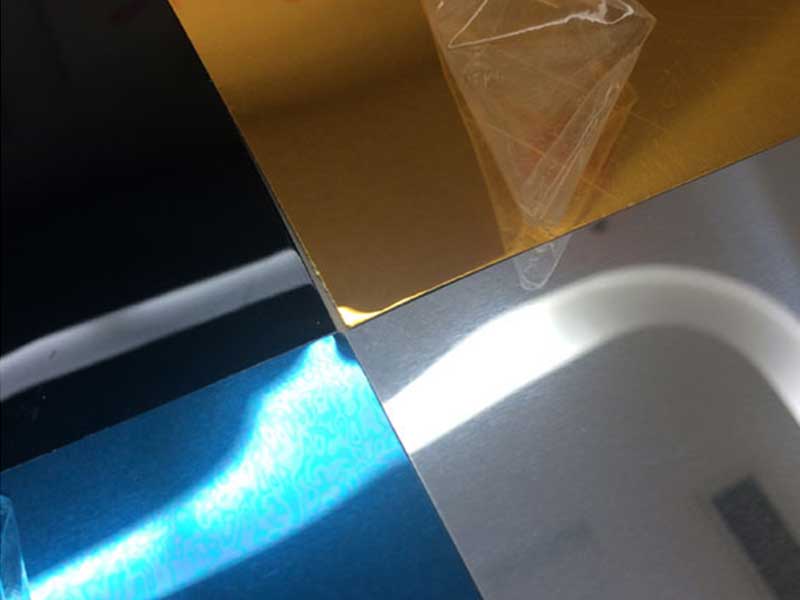
- Color: natural/silver, clear anodized, or dyed tones
- Mirror quality definition: whether you need cosmetic mirror for decorative use or higher optical uniformity for reflectors
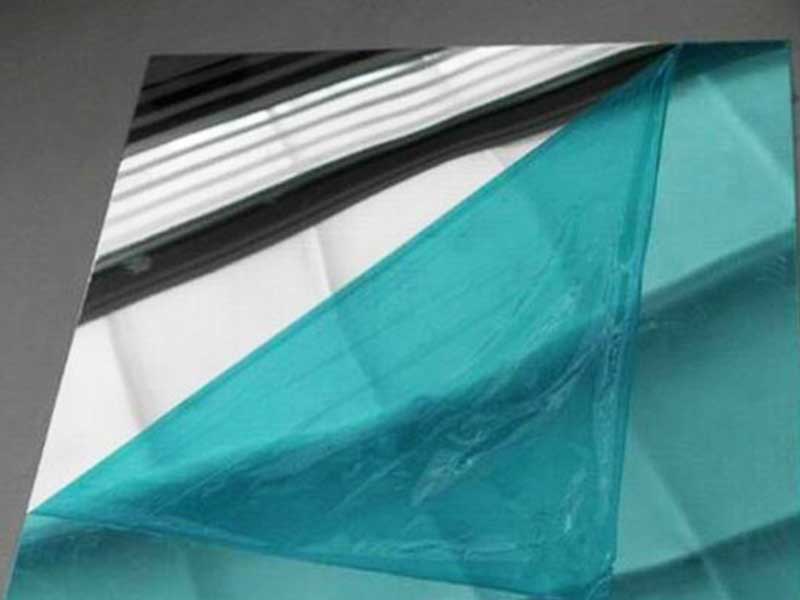
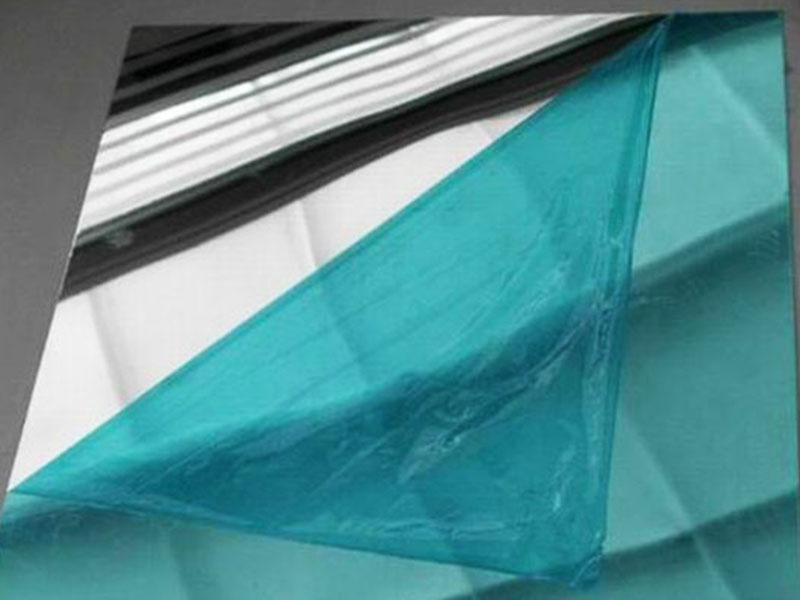
- One-side vs two-side mirror: many sheets are mirror on one face with protective film; specify clearly
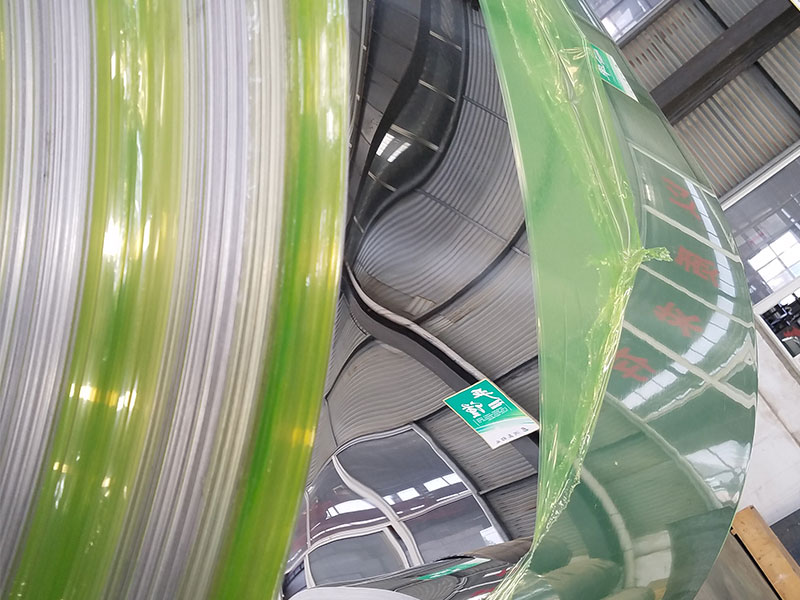
- Protective film type (laser film, PE film) and required peel behavior
- Allowable surface criteria: acceptable pinholes, haze, handling marks, edge condition
Customer reality: "Mirror" is not a single global standard-two suppliers can both say "mirror anodized" and deliver noticeably different gloss, haze, and flatness.
5) Why many customers choose 1060 for mirror anodizing instead of "stronger" alloys
Higher-strength alloys can be great structurally, but for mirror anodized surfaces they may introduce trade-offs:
- More alloying elements can affect finish uniformity and anodizing appearance
- Some alloys are less forgiving in polishing, making it harder to achieve a clean mirror
1060 is often selected because it supports a bright, consistent final appearance with fewer surprises-especially in large-area decorative sheets.
If your priority is a stable mirror look, good corrosion resistance, and easy fabrication, 1060 H112 mirror anodized aluminium sheets are a smart, practical solution-best viewed as a material that manages light and appearance simultaneously, not just a shiny metal sheet.
https://www.aluminumplate.net/a/1060-h112-mirror-anodized-aluminium-sheets.html