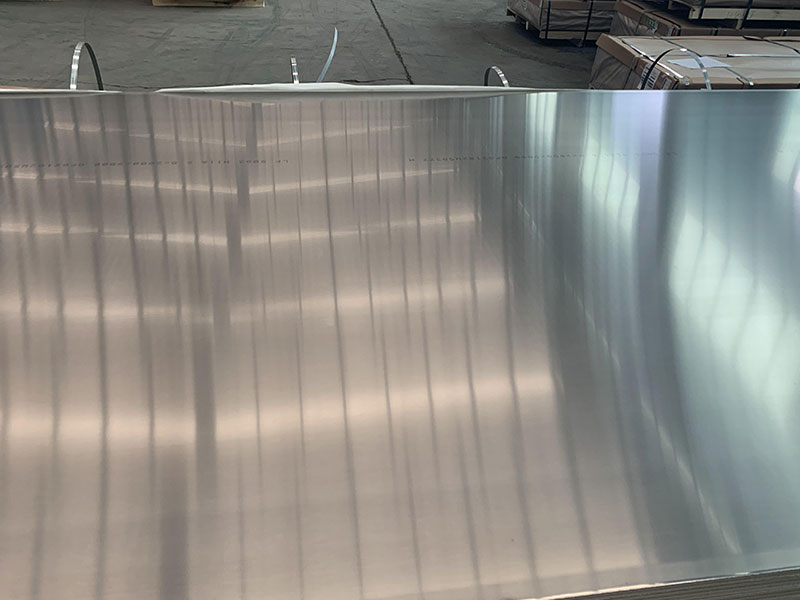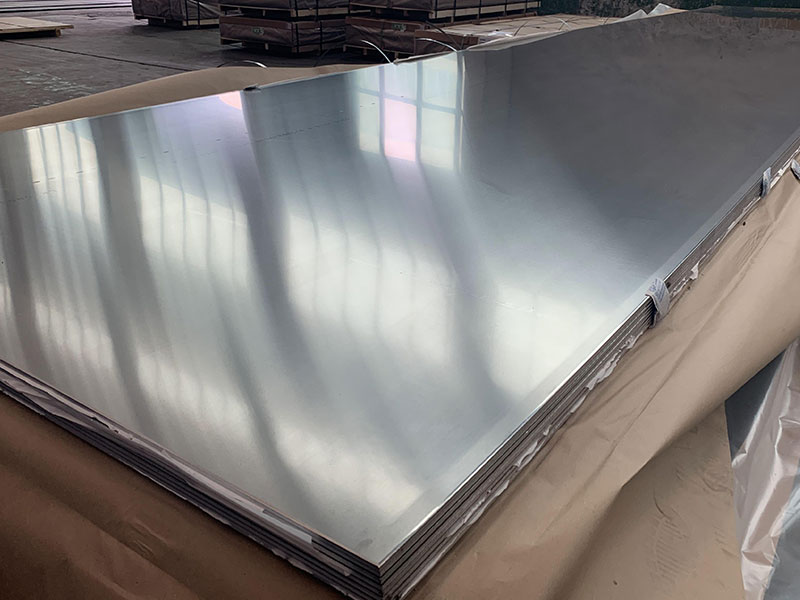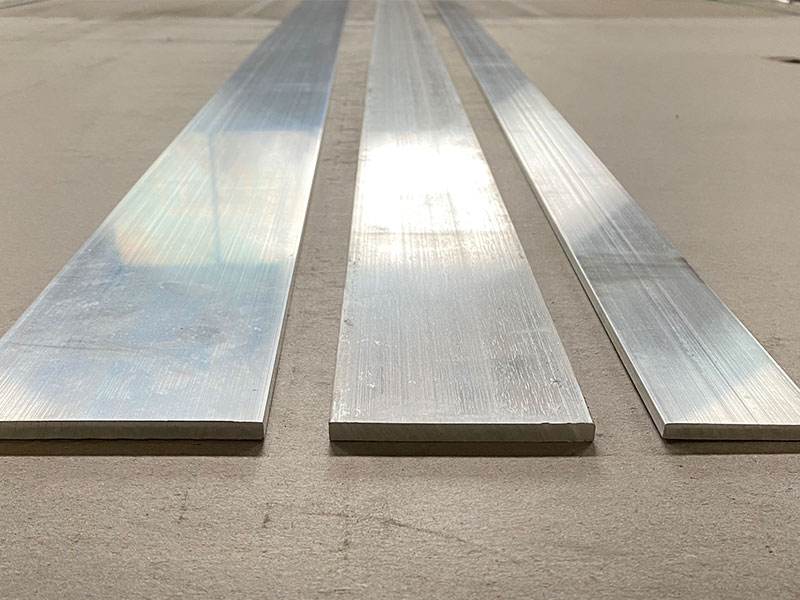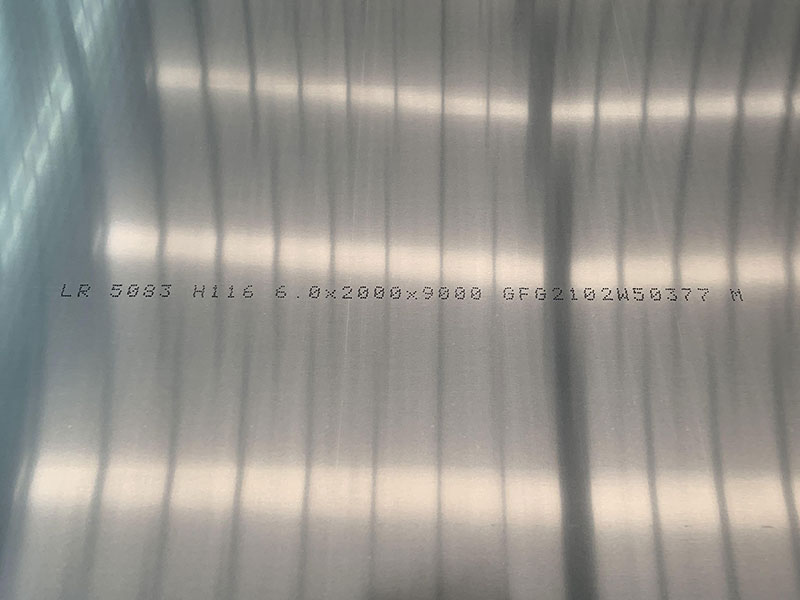

5086 h112 marine grade aluminium alloy sheet
5086 H112 Marine Grade Aluminium Alloy Sheet: A "Working Hull" Material Built for Real Sea Conditions
When people talk about marine aluminum, the conversation often starts with corrosion resistance. With 5086 H112 marine grade aluminium alloy sheet, it's more accurate to start with service reality: waves, salt spray, vibration, cyclic loading, fabrication heat, and long-term exposure that punishes materials quietly over time. 5086 H112 isn't just "marine grade" by label-it behaves like a dependable structural partner in boats, ships, offshore equipment, and coastal infrastructure where reliability matters more than showroom shine.
This alloy sits in the 5xxx series (Al-Mg) family, known for excellent resistance to seawater corrosion and strong performance in welded structures. The H112 temper adds an important practical advantage: it's supplied in a condition that balances strength and formability without the brittleness that can appear in more heavily work-hardened tempers.
What 5086 H112 Really Does Well: Function Over Hype
The "function" of 5086 H112 sheet is best understood as a combination of three strengths that matter offshore.
Saltwater corrosion resistance that lasts
5086 contains a high magnesium content, which improves resistance to marine atmospheres and seawater. In real-life fabrication, this corrosion performance remains valuable even after forming and welding-an area where some metals lose their edge quickly.
Weld-friendly structural integrity
Many marine structures are welding-intensive. 5086 is widely chosen because it maintains good mechanical properties in welded joints and does not depend on heat treatment to achieve its strength. That makes performance more predictable in shipyards and fabrication shops.
Formability that supports complex designs
H112 is often selected when designers need sheet that can be bent, rolled, or formed into hull panels, bulkheads, tanks, and enclosures without fighting the material. It supports the kind of "manufacturing flexibility" that saves time on the floor.
the H112 Temper from a Practical Viewpoint
Temper is often treated like a code on a certificate, but for customers it's really about what happens during fabrication.
H112 generally means the product has undergone a small amount of work hardening from processing (such as rolling) but is not tightly controlled to a specific strength level the way H32 or H116 might be. In day-to-day terms, H112 offers stable workability, good forming behavior, and reliable marine performance, which is why it appears frequently in general marine sheet applications and structural parts that need both strength and ease of fabrication.
Typical Applications: Where 5086 H112 Fits Naturally
5086 H112 marine grade aluminium alloy sheet is commonly used in parts that must survive both corrosion and motion. Typical applications include:
Marine hull plating and superstructures where weight reduction improves speed and fuel economy
Decking, bulkheads, watertight partitions, and structural panels that require weldable strength
Gangways, ladders, ramps, and coastal platforms where salt spray and abrasion are constant
Offshore equipment housings, protective covers, and support structures exposed to marine air
Storage tanks and enclosures, including components that benefit from aluminum's non-sparking nature and corrosion resistance
What makes these uses "distinctively 5086" is that the alloy serves as a structural corrosion-resistant skin-it isn't just resisting rust, it's helping the whole system stay light, strong, and maintainable.
Product Parameters Customers Actually Ask For
In procurement and engineering, the questions tend to be consistent: thickness range, size, tolerances, strength expectations, and compliance. Below are typical parameters for 5086 H112 sheet; exact values can vary by mill capability and standard.
Common thickness range: approximately 1.5 mm to 50 mm
Common width: up to around 2000 mm (wider on request depending on facility)
Common length: 2000–8000 mm, or cut-to-size
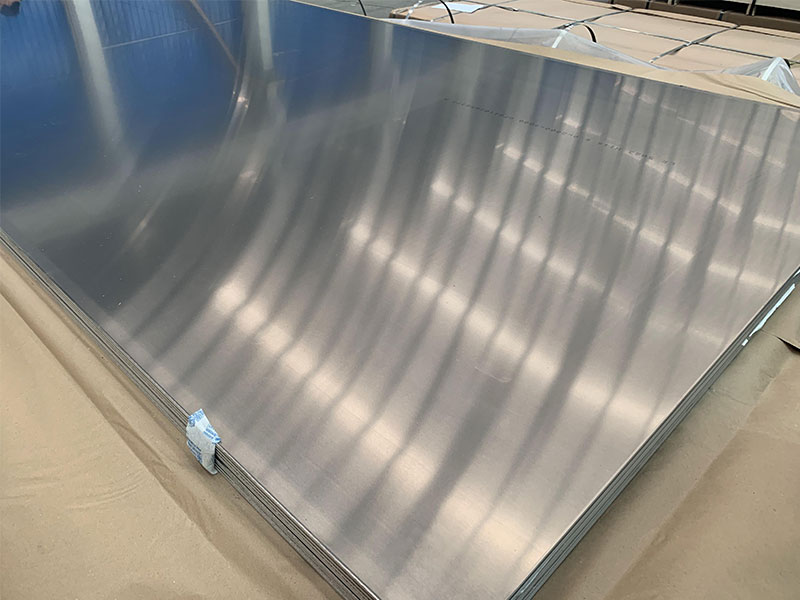
Surface: mill finish, brushed, or protective film options depending on usage
Fabrication: suitable for cutting, bending, rolling, and welding using conventional marine aluminum practices
Implementation Standards and Common Compliance Routes
5086 sheet is supplied to different standards depending on region and project requirements. Commonly referenced standards include:
ASTM B928/B928M for high-magnesium aluminum-alloy sheet and plate for marine service
ASTM B209 for aluminum and aluminum-alloy sheet and plate (general standard, not strictly marine-focused)
EN 485 series for aluminum wrought products in Europe (mechanical properties and tolerances depend on part of the standard)
For marine projects, buyers often prefer ASTM B928 because it is tailored to marine service expectations and addresses performance considerations relevant to high-magnesium alloys.
Mechanical Expectations: The "Balanced Strength" Profile
5086 is not intended to be the strongest aluminum alloy available; it is designed to be strong enough while excelling in corrosion resistance and weldability. In H112, the mechanical properties are often specified as minimums depending on thickness and standard.
Typical mechanical property ranges often seen for 5086 H112 sheet include:
Tensile strength: roughly 275–330 MPa
Yield strength: roughly 110–170 MPa
Elongation: commonly 10–20% depending on thickness and direction
These values are indicative and should be verified against the governing standard and mill test certificate for the exact thickness purchased.
Chemical Composition: Why This Alloy Performs in Marine Environments
The chemistry of 5086 is centered around magnesium with controlled additions of manganese and chromium to support strength and corrosion resistance, while keeping impurities limited.
Below is a commonly referenced chemical composition table for AA 5086 (typical limits, wt.%). Exact limits may vary slightly by standard.
| Element | Composition (wt.%) |
|---|---|
| Mg | 3.5–4.5 |
| Mn | 0.2–0.7 |
| Cr | 0.05–0.25 |
| Si | ≤ 0.40 |
| Fe | ≤ 0.50 |
| Cu | ≤ 0.10 |
| Zn | ≤ 0.25 |
| Ti | ≤ 0.15 |
| Others (each) | ≤ 0.05 |
| Others (total) | ≤ 0.15 |
| Al | Balance |
This chemistry creates a sheet that behaves well in marine exposure, especially compared with alloys that are stronger on paper but less stable after welding or in chloride-rich environments.
Implementation Notes: How Customers Get the Best Result
5086 H112 performs best when the whole project respects marine aluminum basics: isolate dissimilar metals, use appropriate fasteners, and apply sensible coating or anodizing strategies when required. Welding procedures should match 5xxx-series practices, and attention to joint design helps preserve fatigue performance in high-motion areas.
The Takeaway: A Material Chosen for Seamanship, Not Just Specs
5086 H112 marine grade aluminium alloy sheet is a practical engineering choice when you need a material that behaves predictably in fabrication and keeps its integrity in harsh marine exposure. Its "unique value" is not a single headline feature-it's the way corrosion resistance, weldability, and formability combine into a sheet that shipbuilders and marine fabricators can trust over years of service.
https://www.aluminumplate.net/a/5086-h112-marine-grade-aluminium-alloy-sheet.html