
6061 Aircraft Aluminum Sheet
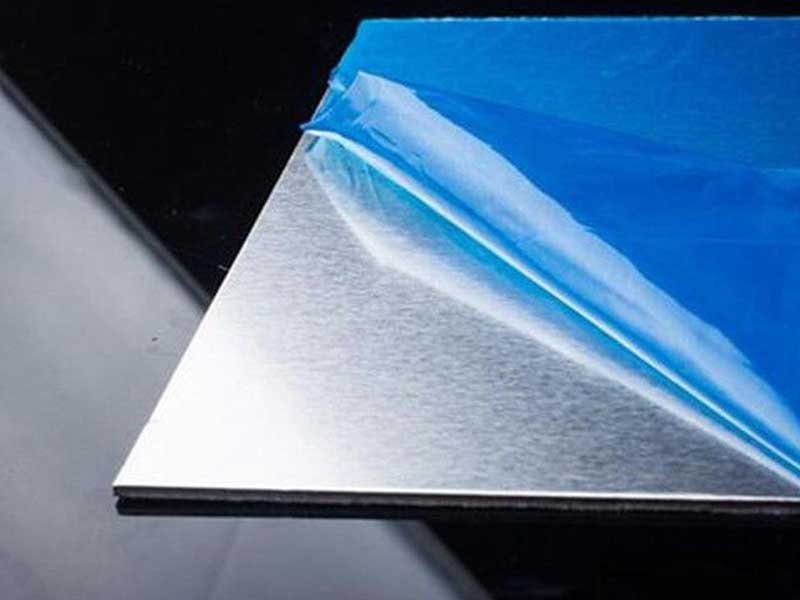
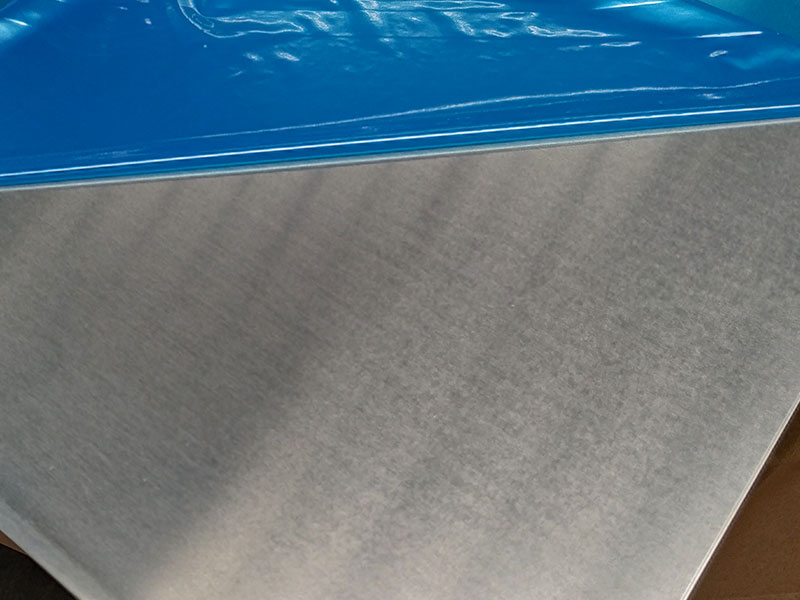
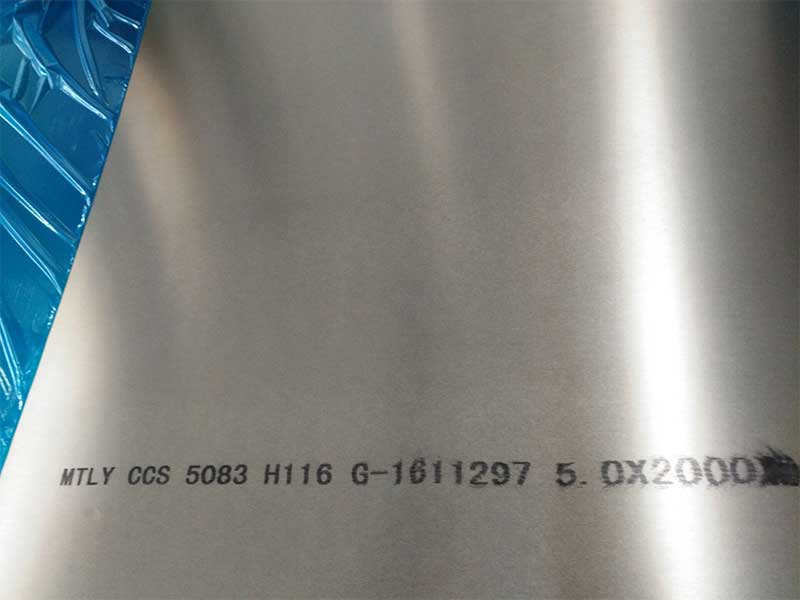
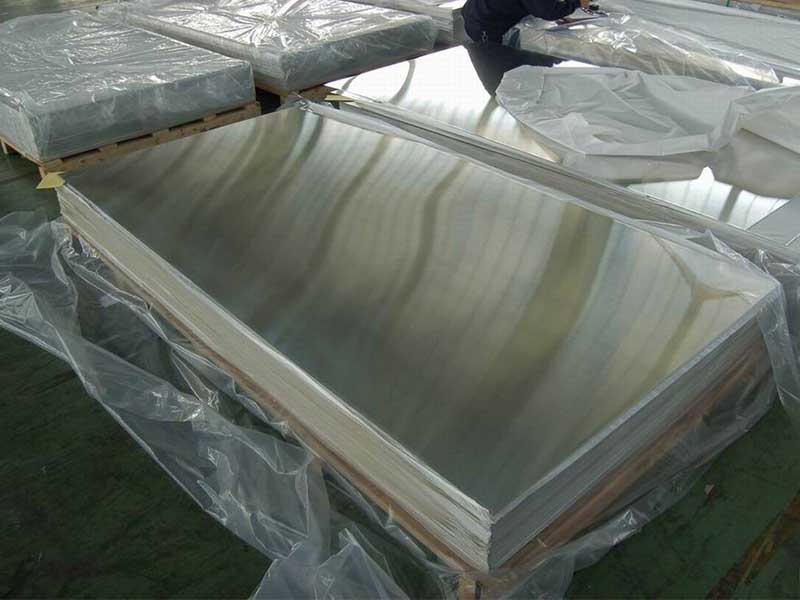
6061 Aircraft Aluminum Sheet is a versatile, high-strength aluminum alloy widely used in the aerospace industry and many other sectors. Known for its excellent mechanical properties, corrosion resistance, and good machinability, this grade has become a standard material in aircraft manufacturing, structural applications, and precision engineering.
6061 Aircraft Aluminum Sheet
6061 aluminum is a precipitation-hardened alloy primarily composed of magnesium and silicon, forming the Mg2Si compound that strengthens the metal. In its aircraft-grade form, the aluminum sheet is specially produced to meet stringent strength, toughness, and corrosion resistance requirements, suitable for aerospace components exposed to varying mechanical stresses and environmental conditions.
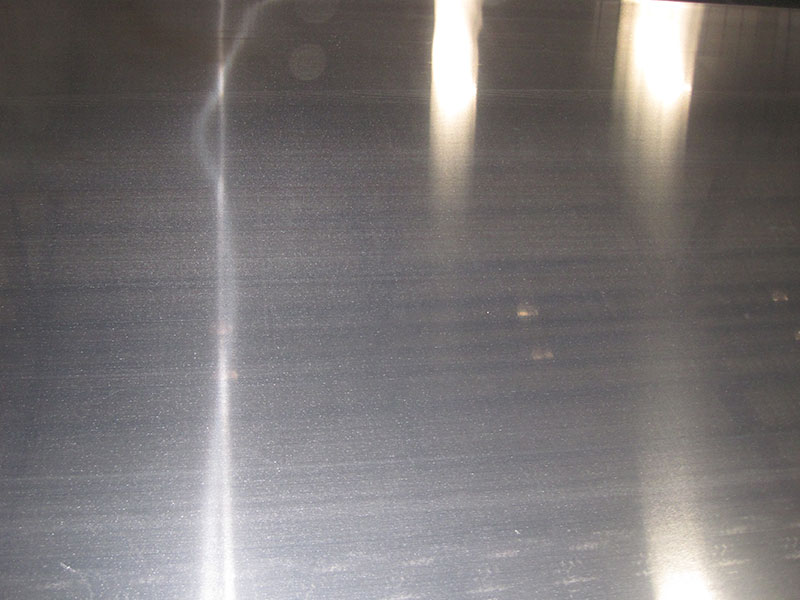
The sheet form provides lightness without compromising durability, which is essential when weight reduction is crucial for performance, such as in airplanes or military vehicles. The aircraft aluminum sheet can withstand significant stress due to its excellent tensile strength and fatigue resistance, making it perfect for structural parts, aircraft panels, and frames.
Functions and Benefits
- High Strength-to-Weight Ratio: Delivers significant structural integrity while minimizing the weight of aerospace components.
- Superior Corrosion Resistance: Resists oxidation and deterioration even in marine and humid environments, extending service life.
- Excellent Fabrication and Machinability: Easy to weld, mill, and form for complicated shapes without cracking.
- Good Electrical and Thermal Conductivity: Useful where conductivity plays a role alongside mechanical performance.
- Versatility: Suitable for applications beyond aerospace, such as automotive, marine, electrical, and construction industries.
Common Applications of 6061 Aircraft Aluminum Sheet
The 6061 alloy sheet finds extensive use due to its balanced properties:
| Application Area | Description |
|---|---|
| Aircraft Structures | Fuselage, wingskin panels, aircraft frames, and support brackets. |
| Aerospace Components | Engine mounts, hydraulic fittings, internal components. |
| Marine Industry | Boat hulls, decks, masts due to corrosion resistance. |
| Automotive Parts | Frames, chassis parts, load-bearing components. |
| Industrial Fabrication | Machinery enclosures, conveyors, electrical fittings. |
| Recreational Goods | Bicycle frames, drones, ATV construction elements. |
Chemical Composition of 6061 Aircraft Aluminum Sheet
the precise blend of alloying elements is crucial for compliance and predictable performance. The following table presents the typical chemical composition limits for the 6061 alloy, crucial in aerospace-grade aluminum sheets:
| Element | Composition (%) |
|---|---|
| Aluminum (Al) | Balance |
| Silicon (Si) | 0.4 – 0.8 |
| Iron (Fe) | ≤ 0.7 |
| Copper (Cu) | 0.15 – 0.4 |
| Manganese (Mn) | ≤ 0.15 |
| Magnesium (Mg) | 0.8 – 1.2 |
| Chromium (Cr) | 0.04 – 0.35 |
| Zinc (Zn) | ≤ 0.25 |
| Titanium (Ti) | ≤ 0.15 |
| Other elements | ≤ 0.05 each; max 0.15 total |
Temper Designations and Mechanical Properties
Strict tempering governs the hardness, strength, and ductility of 6061 aluminum sheets to fit distinct engineering demands. Main temper conditions used for aircraft aluminum sheets include T4, T6, and T651.
| Temper | Heat Treatment Description | Tensile Strength (MPa) | Yield Strength (MPa) | Elongation (%) |
|---|---|---|---|---|
| T4 | Solution heat-treated and naturally aged | ~260 | ~215 | 12 – 16 |
| T6 | Solution heat-treated and artificially aged | 310 – 350 | 275 – 310 | 8 – 12 |
| T651 | T6 treatment with stress relieving by stretching (0.25%) | 310 – 350 | 275 – 310 | 10 – 12 |
Note: Exact mechanical properties may vary slightly between different manufacturers.
Implementation Standards and Specifications
6061 Aircraft Aluminum Sheets comply with various international standards, ensuring performance consistency and safety:
| Standard | Description |
|---|---|
| AMS 4027 / AMS 4117 | Aerospace Material Specifications for 6061 Sheet |
| ASTM B209 | Standard Specification for Aluminum and Aluminum-Alloy Sheet |
| MIL-A-8625 | Military specification covering anodizing requirements |
| FAA 14 CFR Part 23/25 | Regulations applicable for materials used in certified aircraft parts |
One or more of these standards typically guide material selection, weaving regulatory compliance into aerospace manufacturing.
Efficient use of 6061 aircraft aluminum sheets hinges on clear data about density, hardness, and modulus properties:
| Property | Typical Value |
|---|---|
| Density | 2.7 g/cm³ |
| Melting Point | 582 – 652 °C |
| Young's Modulus | 69 GPa |
| Hardness (Brinell) | 95 – 140 HB |
| Thermal Conductivity | 167 W/m·K |
| Electrical Resistivity | 4.0 × 10^−8 Ω·m |
https://www.aluminumplate.net/a/6061-aircraft-aluminum-sheet.html