
Standard aluminium plate thickness
Aluminium plates are widely embraced in various industries due to their exceptional strength-to-weight ratio, corrosion resistance, and excellent machinability. the standard aluminium plate thickness and its related specifications is crucial for manufacturers, engineers, and purchasers to ensure optimal selection for specific applications.
Aluminium Plate Thickness
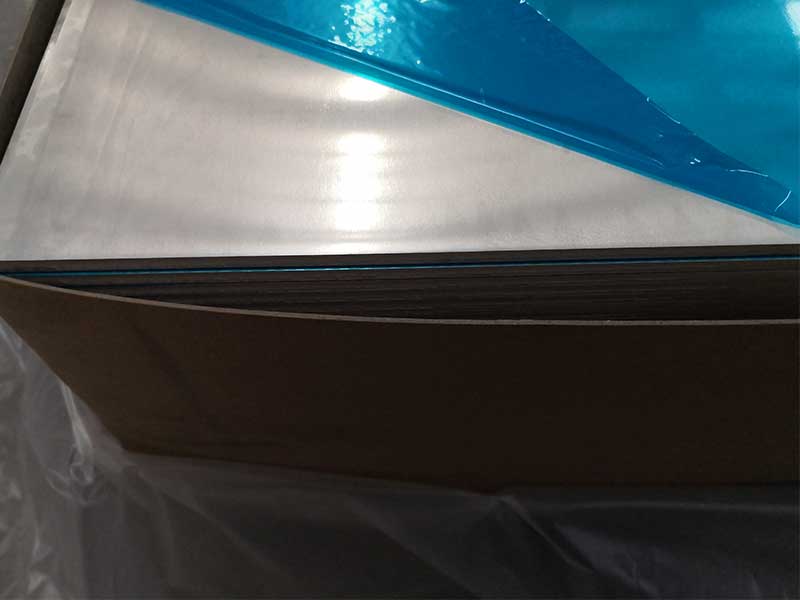
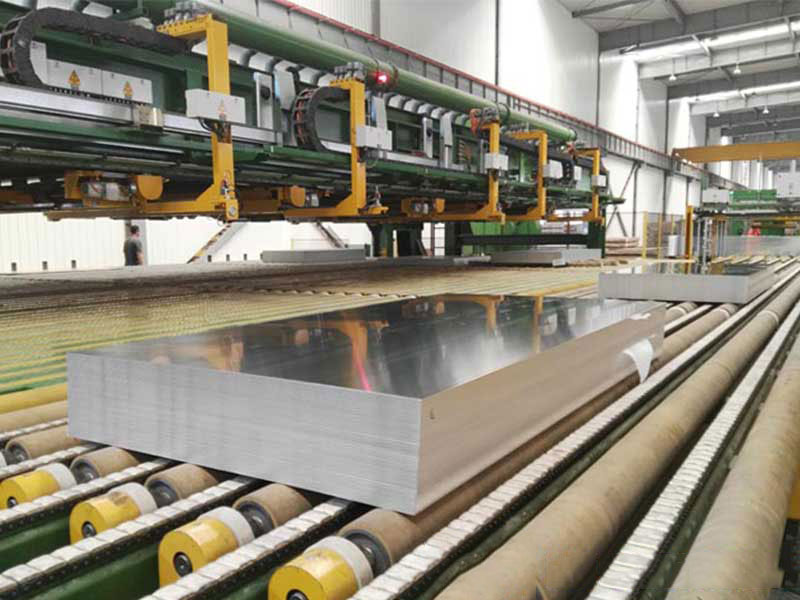
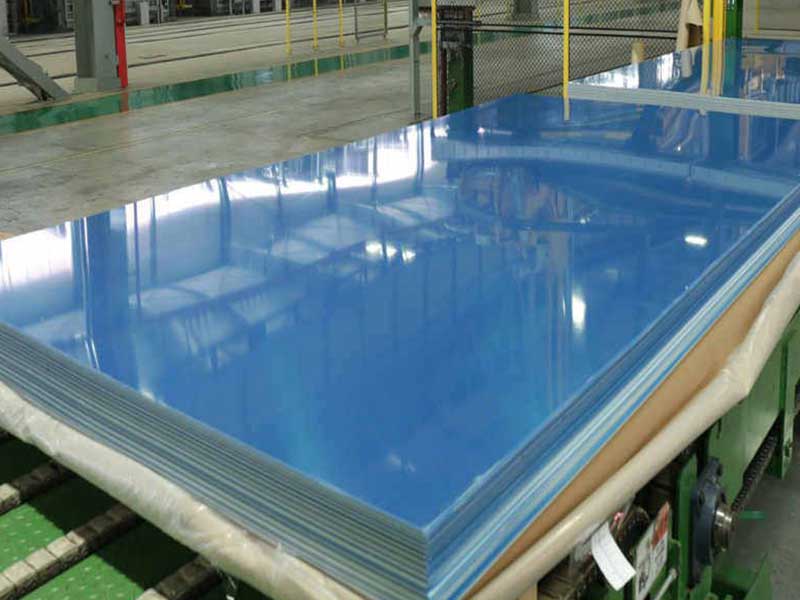
"Standard aluminium plate thickness" refers to the commonly available thickness ranges specified within manufacturing standards and industry practices. Generally, aluminium plates are defined as flat-rolled metal products with a thickness starting from 6 mm (0.236 inches) and upwards. Lower thicknesses typically fall under aluminium sheets or foils.
Typical Thickness Ranges for Aluminium Plates
| Thickness (mm) | Thickness (inches) | Description |
|---|---|---|
| 6 - 10 | 0.236 - 0.394 | Thin plates – lightweight applications |
| 10 - 25 | 0.394 - 0.984 | Medium plates – structural components |
| > 25 | > 0.984 | Thick plates – heavy-duty engineering parts |
Functions and Benefits of Aluminium Plates Relative to Thickness
The thickness of an aluminium plate greatly influences its mechanical performance and suitable applications:
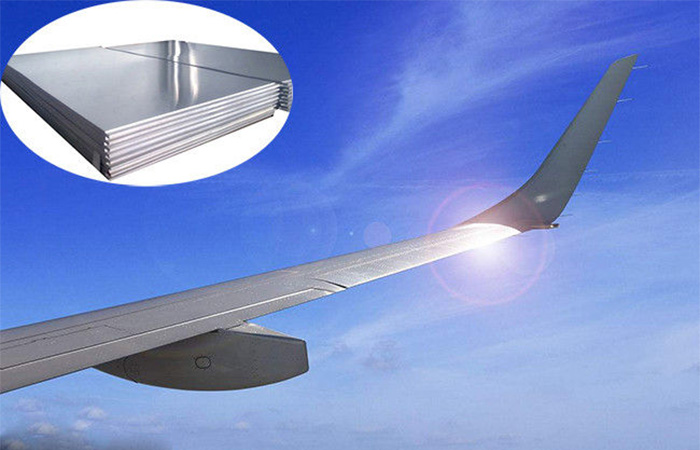
- Structural Integrity: Thick plates provide enhanced rigidity and load-bearing capacity, essential for aerospace, shipbuilding, and heavy machinery.
- Weight Considerations: Medium and thin plates balance strength and reduced weight, fitting automotive and architectural facades.
- Surface Finish & Fabrication: Plate thickness affects bending, rolling, welding, and machining capabilities; thinner plates are easier to form but less robust.
- Thermal and Electrical Conductivity: Aluminium's intrinsic high conductivity properties remain largely unaffected by thickness but impact the design in heat exchangers and electrical components.
Applications Based on Aluminium Plate Thickness
| Industry | Typical Plate Thickness (mm) | Common Usage Examples |
|---|---|---|
| Aerospace | 6 – 25 | Aircraft skins, structural frames |
| Marine | 10 – 50 | Hull plates, deck structures |
| Construction | 6 – 20 | Curtain walls, roofing, cladding panels |
| Transportation | 8 – 25 | Truck bodies, trailers, railway cars |
| General Engineering | 6 – 100+ | Tooling plates, molded parts, machinery bases |
Technical and Implementation Standards
Standard aluminium plate thickness and quality adhere to recognized norms worldwide. These standards define the chemical composition, mechanical properties, dimensional tolerances, and surface condition.
governing standards include:
| Standard | Issued By | Scope |
|---|---|---|
| ASTM B209 | ASTM International | Specification for aluminium and aluminium alloy plates, sheets, and strips |
| EN 485-2 | European Committee | Chemical composition and mechanical properties of aluminium plates |
| ISO 6361 | International ISO | Wrought aluminium and aluminium alloys – Plates, sheets, and strips |
| Aluminium Association | USA Aluminium groups | Alloy designations and tempering series terminology |
Compliance with these standards assures consistency in quality and the accuracy of thickness measurements.
Alloy Grade and Temper Conditions Relevant to Plate Thickness
Alloy Grades for Aluminium Plates
The aluminium alloys are classified mainly into:
| Series | Main Alloying Element | Usage Application |
|---|---|---|
| 1xxx | Pure Aluminium (99% min) | Electrical, chemical, food industries |
| 2xxx | Copper | Aerospace, structural parts |
| 3xxx | Manganese | Roofing, siding, utensils |
| 5xxx | Magnesium | Marine, automotive, offshore platforms |
| 6xxx | Magnesium + Silicon | General engineering, vehicle parts |
| 7xxx | Zinc | High strength aerospace components |
Temper Conditions
Temper designation indicates the physical and mechanical characteristics of the aluminium plate's alloy after heat treatment or mechanical processing.
| Temper Code | Mechanical Effect | Typical Use |
|---|---|---|
| O | Annealed (soft) | Forming, machining |
| H1x | Strain Hardened, Not Heat Treated | Moderate strength, corrosion resistance |
| H2x | Strain Hardened and Stabilized | Improved dimensional stability |
| T4 | Solution Heat Treated, Naturally Aged | Balanced strength and ductility |
| T6 | Solution Heat Treated and Artificially Aged | High strength |
| T651 | Solution Treated, Stress Relieved by Stretching | Used in aerospace, maintains strength and stability |
Chemical Composition Example – Typical 5000 and 6000 Series Alloys
| Component | Alloy 5052 (wt%) | Alloy 6061 (wt%) |
|---|---|---|
| Aluminium | Balance | Balance |
| Magnesium | 2.2 - 2.8 | 0.8 - 1.2 |
| Silicon | ≤0.25 | 0.4 - 0.8 |
| Iron | ≤0.4 | 0.7 (max) |
| Copper | ≤0.1 | 0.15 - 0.4 |
| Manganese | 0.1 - 0.4 | ≤0.15 |
| Chromium | 0.15 - 0.35 | 0.04 - 0.35 |
Each alloy's chemical balance defines features like corrosion resistance, workability, and strength.
Mechanical Properties Typical for Aluminium Plates (Thickness 6 mm to 25 mm)
| Property | Alloy Series 5xxx (e.g., 5052-H32) | Alloy Series 6xxx (e.g., 6061-T6) |
|---|---|---|
| Tensile Strength (MPa) | 230 - 290 | 275 - 310 |
| Yield Strength (MPa) | 130 - 210 | 240 - 275 |
| Elongation (%) | 12 – 18 | 10 - 15 |
| Brinell Hardness | 60 - 85 | 95 - 115 |
The strength and ductility are influenced by both the alloy system and temper status, with thicker plates typically requiring specific heat treatments to meet rigorous property standards.
Dimensional Tolerances and Surface Quality
Specifications demand tight control over thickness variation, flatness, and surface condition:
| Parameter | Typical Tolerance (mm) |
|---|---|
| Thickness | ±0.1 – ±0.3 (depending on plate thickness) |
| Length and Width | ±5 to ±20 |
| Flatness | Max deviations 3-5 mm/m |
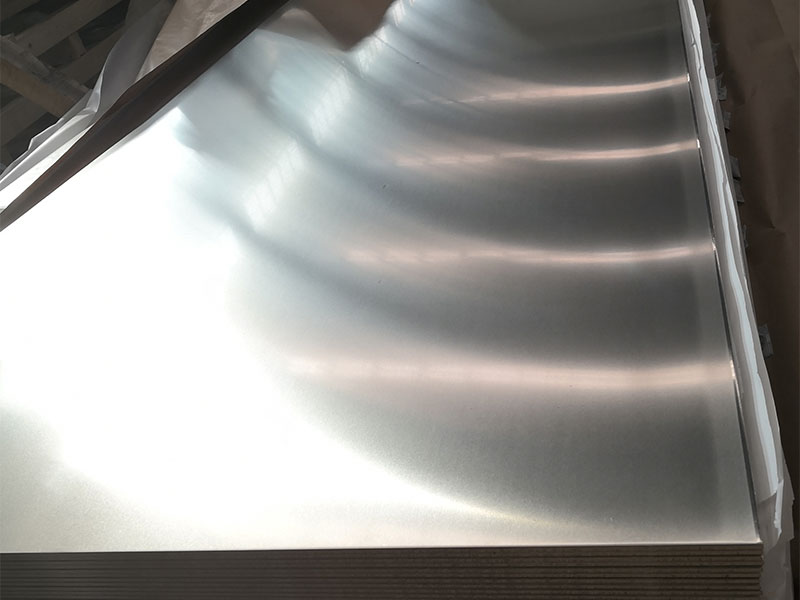
| Surface Finish | Mill finish, brushed, or polished |
Standard aluminium plate thickness spans a broad range suitable for applications that demand strength, lightweight properties, and resistance to diverse environmental factors. Selecting the right thickness involves consideration of function, mechanical requirements, alloy system, and fabrication needs, all of which are governed by international standards to guarantee quality performance.
Whether engaged in aerospace, marine, or construction projects, these parameters ensures sourcing the proper aluminium plate that meets engineering and durability criteria efficiently.
For further guidance or inquiry on standard aluminium plates tailored for your project's thickness and specifications, consulting with certified aluminium suppliers ensures optimal material selection and performance assurance.
Explore our comprehensive range of aluminium plates tailored to your exact specifications and benefit from expert technical support to elevate your projects.
https://www.aluminumplate.net/a/standard-aluminium-plate-thickness.html