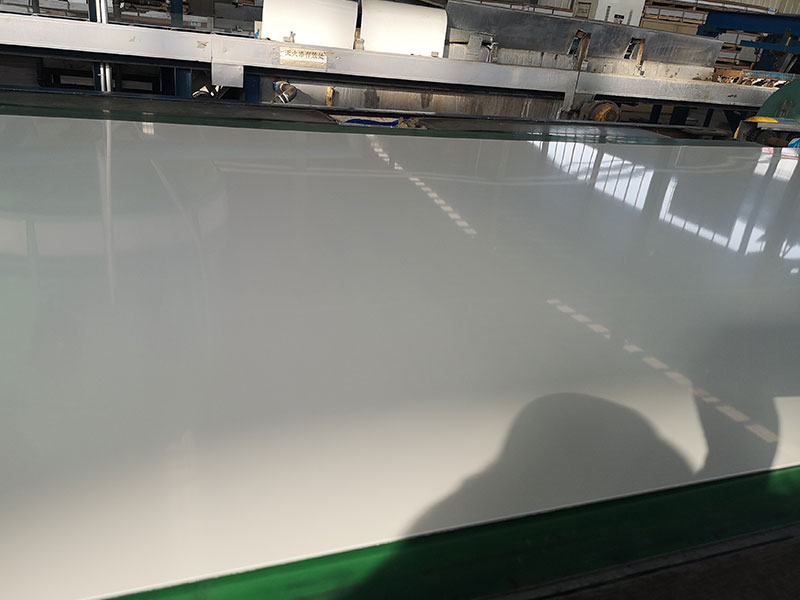

Standard aluminum plate thickness
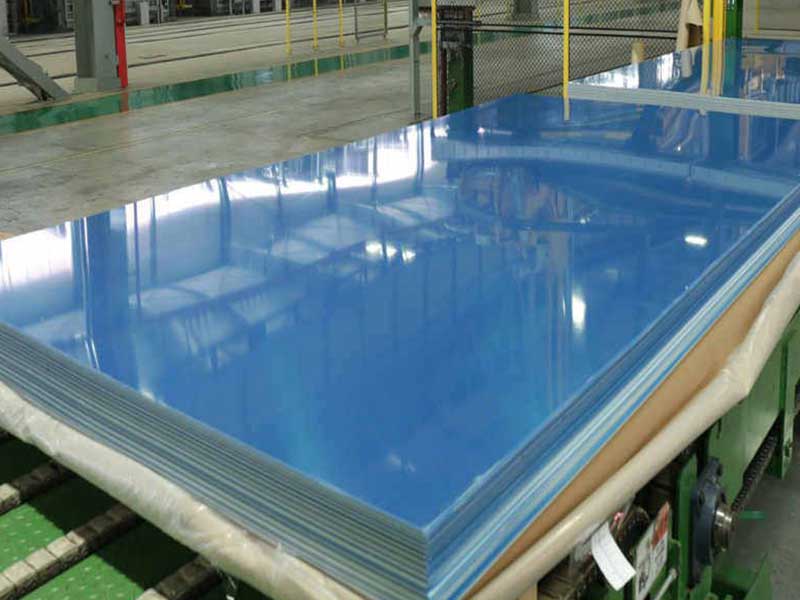
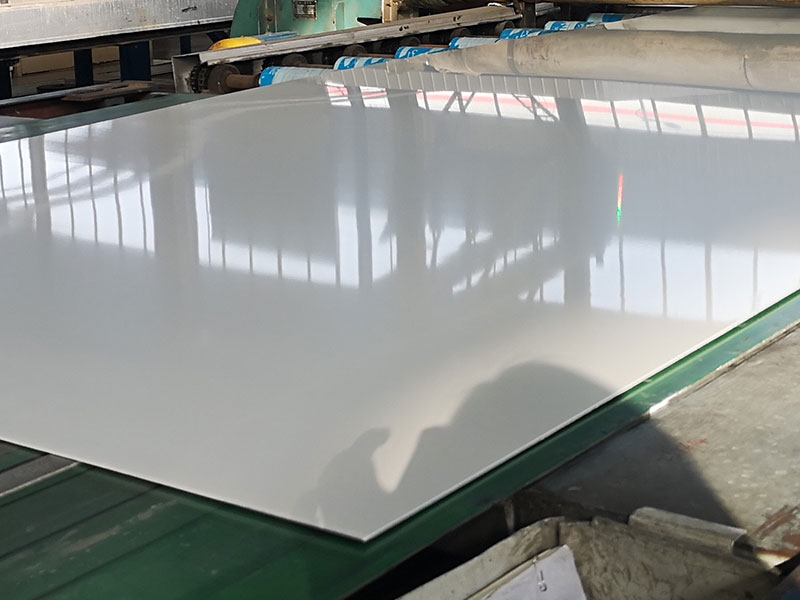
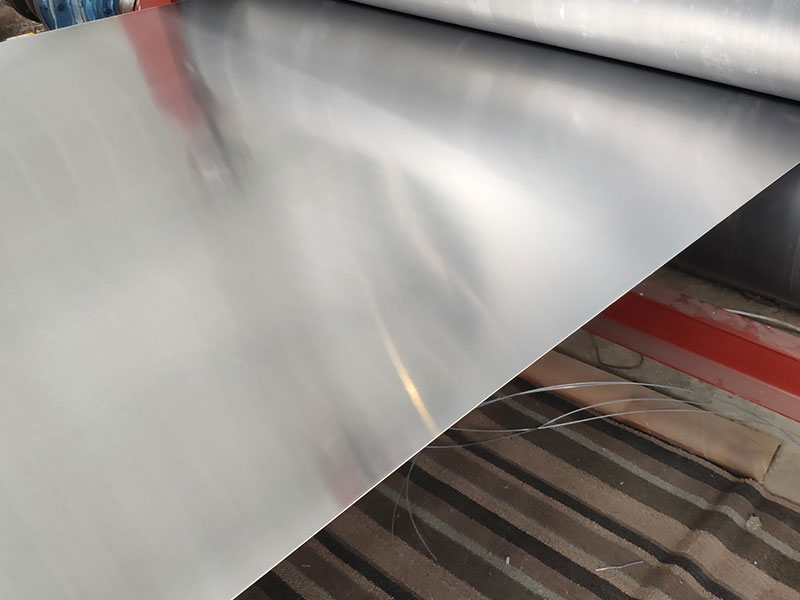
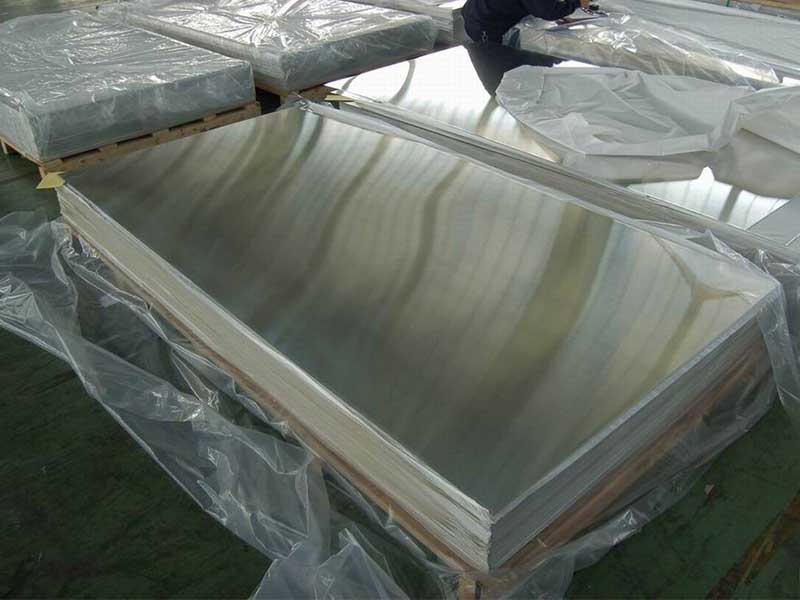
Aluminum plates are essential materials across numerous industrial sectors, prized for their excellent strength-to-weight ratio, corrosion resistance, and versatile fabrication possibilities. the standard aluminum plate thickness is fundamental to selecting the appropriate plate for specific applications, ensuring optimal performance and cost-efficiency.
Functions and Importance of Aluminum Plate Thickness
The thickness of an aluminum plate significantly affects its structural integrity, mechanical properties, bending strength, and impact resistance. The appropriate thickness selection depends on the envisaged application, environmental conditions, load expectations, and fabrication requirements.
- Mechanical Strength: Thicker aluminum plates possess higher load-bearing capacity and rigidity, suitable for heavy-duty components.
- Thermal and Electrical Conductivity: Thickness influences heat dissipation and electrical current flow for applications like heat exchangers and electrical enclosures.
- Fabrication Flexibility: Thickness affects cut, weld, and machining properties; thinner sheets offer more formability, whereas thicker plates are used for structural stability.
- Finite Weight Constraints: In aerospace or vehicle manufacturing, selecting the minimum thickness that meets strength needs is essential to minimize overall weight.
Common Standard Aluminum Plate Thickness Ranges
Standard aluminum plates usually come in thicknesses ranging from 0.2 mm to over 100 mm. Most industrial-grade plates fall between 1 mm and 50 mm thick.
| Thickness Range (mm) | Typical Applications |
|---|---|
| 0.2 – 3.0 | Sheet metal parts, automotive panels, reflectors |
| 3.0 – 10.0 | Aircraft skin panels, data servers, lightweight structures |
| 10.0 – 25.0 | Shipbuilding, construction machinery, containers |
| 25.0 – 50.0+ | Bridges, heavy equipment, defense applications, offshore structures |
Aluminum Plate Alloy Series and Temper Conditions
Various commercial aluminum plate alloys have distinct element compositions suited for different attributes like strength, corrosion resistance, or machinability. Widely used alloys include the 1xxx, 2xxx, 5xxx, 6xxx, and 7xxx series.
| Alloy Series | Alloying Elements | Common Temper Codes | Suitability |
|---|---|---|---|
| 1xxx | >99% Aluminum | O, H12 | Excellent corrosion resistance, electrical conductivity |
| 2xxx | Copper as primary alloying element | T3, T4, T351 | High strength but reduced corrosion resistance |
| 5xxx | Magnesium | H14, H24, H32 | Good corrosion resistance, marine applications |
| 6xxx | Magnesium + Silicon | T5, T6 | Medium strength, good corrosion resistance, weldable |
| 7xxx | Zinc | T6, T7 | Very high strength, aerospace-grade |
Standard Thickness Tolerances and Implementation Standards
Thickness tolerance requires tight control in manufacturing to guarantee constructibility and functionality. These tolerances vary depending on plate thickness and industry standards.
| Aluminum Plate Thickness (mm) | Standard Thickness Tolerance (mm) | Applicable Standard |
|---|---|---|
| Up to 6.0 | ±0.13 | ASTM B209, EN 485 |
| 6.0 – 12.7 | ±0.18 | ASTM B209, EN 485 |
| Above 12.7 | ±0.25 to ±0.50 | ASTM B209, EN 485 |
Common international standards guiding aluminum plate manufacture and testing include:
- ASTM B209 – Specification for Aluminum and Aluminum-Alloy Sheet and Plate
- EN 485-2 – Aluminum and aluminum alloys - Sheet, strip and plate - Part 2: Mechanical properties
- ISO 6361 – Aluminum and aluminum alloys - Flat products - Chemical composition and mechanical properties
Chemical Composition of Typical Aluminum Plate Alloys
Knowing the chemical constituents ensures appropriate alloy selection according to corrosion resistance, strength, and workability needs. Below is the chemical composition range of several common extruded aluminum alloys used for plates:
| Element (%) | 1100 (1xxx) | 2024 (2xxx) | 5052 (5xxx) | 6061 (6xxx) | 7075 (7xxx) |
|---|---|---|---|---|---|
| Aluminum (Al) | ≥99.0 | 90.0 – 94.7 | 94.0 – 97.0 | 96.0 – 98.6 | 87.1 – 91.4 |
| Copper (Cu) | 0.05 max | 3.8 – 4.9 | 0.10 max | 0.15 – 0.40 | 1.2 – 2.0 |
| Magnesium (Mg) | 0.05 max | 0.10 – 0.50 | 2.2 – 2.8 | 0.8 – 1.2 | 2.1 – 2.6 |
| Silicon (Si) | 0.95 max | 0.50 max | 0.40 max | 0.4 – 0.8 | 0.4 max |
| Manganese (Mn) | 0.05 max | 0.30 – 0.90 | 0.10 – 0.50 | 0.15 max | 0.3 max |
| Zinc (Zn) | 0.10 max | 0.25 max | 0.10 max | 0.25 max | 5.1 – 6.1 |
| Iron (Fe) | 0.95 max | 0.50 max | 0.40 max | 0.35 max | 0.50 max |
Mechanical Properties Example for :
| Property | Value | Test Method |
|---|---|---|
| Tensile Strength | 290 MPa | ASTM E8 |
| Yield Strength | 240 MPa | ASTM E8 |
| Elongation at Break | 12% | ASTM E8 |
| Rockwell Hardness | 95 HRB | ASTM E18 |
| Density | 2.70 g/cm³ |
The temper designation-T6 in the example-refers to solution heat-treated and artificially aged alloy, delivering an excellent balance of strength and corrosion resistance widely used in structural applications.
Applications Based on Thickness
Aluminum plate thickness determines its suitability in industries spanning aerospace, transportation, construction, manufacturing, and marine.
Thin Plates (under 6 mm) are commonly used for automotive body panels, aircraft skins, lighting reflectors, and packaging due to formability.
Medium-Thickness Plates (6–25 mm) serve bridge construction, shipbuilding hull components, storage tanks, pressure vessels, and industrial machinery parts benefiting from strength combined with a lightweight property.
Thick Plates (above 25 mm) support heavy-duty structural frameworks, defense armor, transportation infrastructure, offshore platforms, and energy sector modeling requiring heightened durability.
https://www.aluminumplate.net/a/standard-aluminum-plate-thickness.html