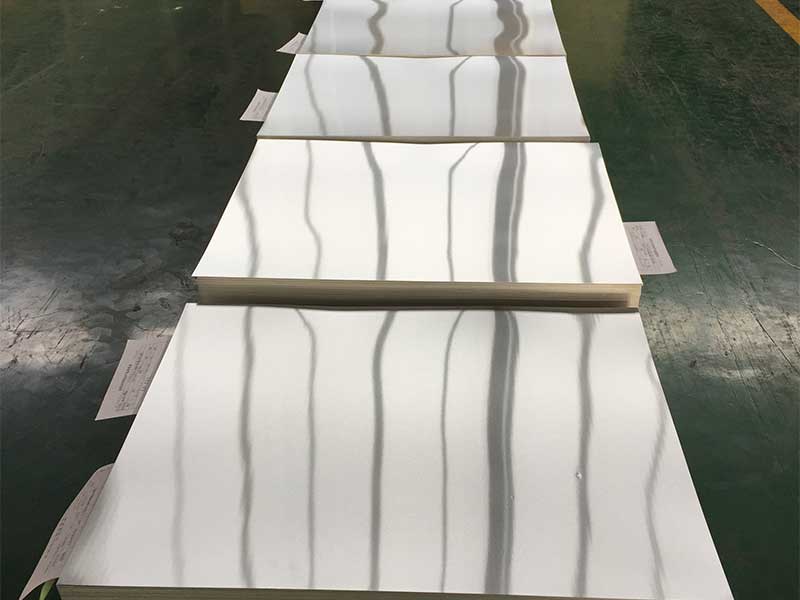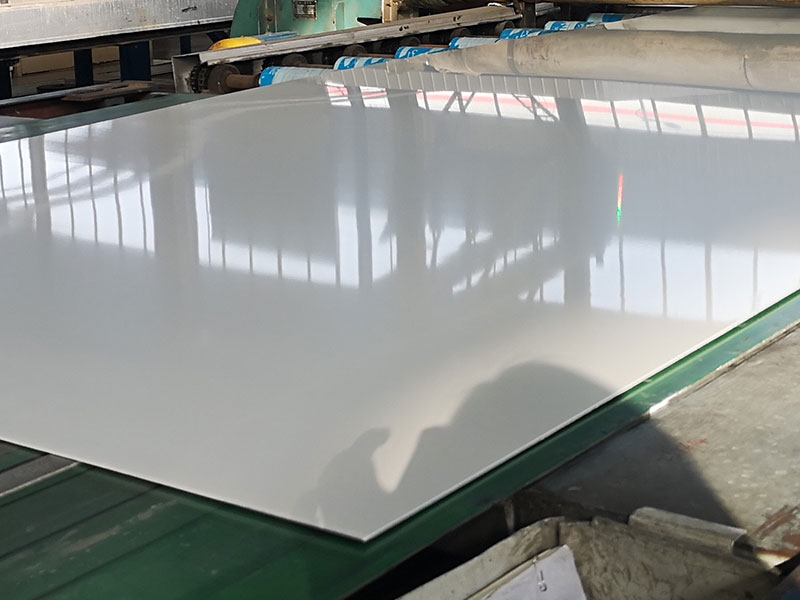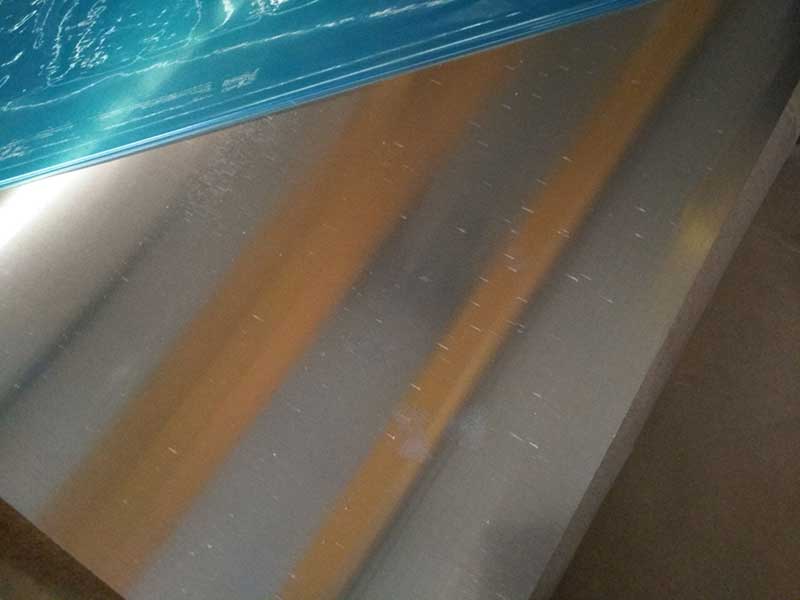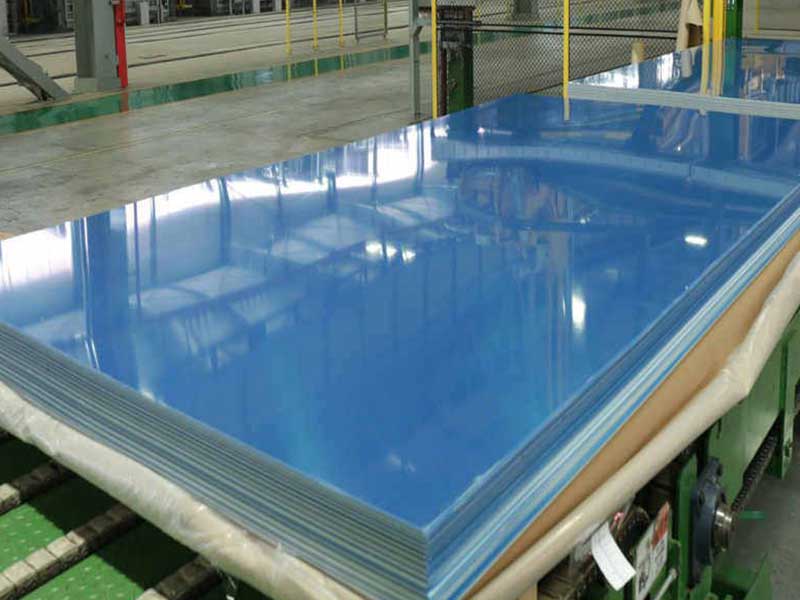

T6 6061 aluminum sheet
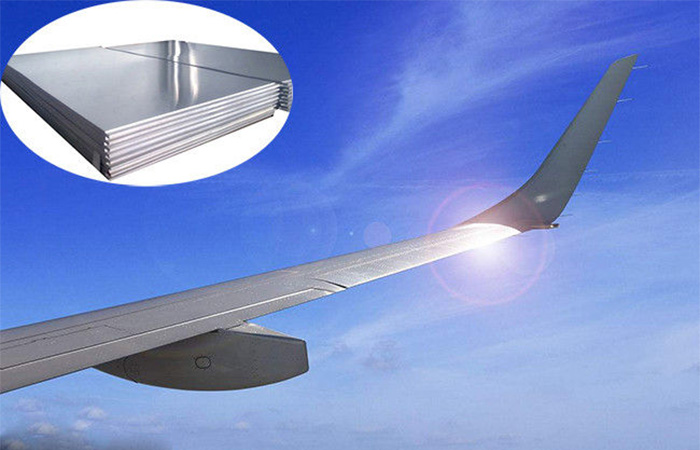
T6 6061 aluminum sheet is a heat-treated, medium‑strength, corrosion‑resistant aluminum alloy sheet with excellent machinability, good weldability, and reliable strength‑to‑weight ratio. Ideal for aerospace panels, marine components, transportation, frames, fixtures, and structural parts where lightweight durability is essential.
T6 6061 aluminum sheet is a precipitation‑hardened aluminum–magnesium–silicon alloy supplied in the T6 temper. In this condition, the sheet is solution heat‑treated and artificially aged to achieve a balanced combination of strength, toughness, and formability.
It is widely used as a general‑purpose structural sheet where weight saving and corrosion resistance matter as much as mechanical performance and cost efficiency.
Features and Benefits
| Feature | Description | Customer Benefit |
|---|---|---|
| Temper T6 | Solution heat‑treated and artificially aged | Consistently high mechanical strength and stability |
| Medium‑to‑high strength | Higher strength than 5052/5083 sheet, lower than 7075 | Reliable structural performance at moderate weight |
| Good corrosion resistance | Especially in atmospheric and lightly corrosive environments | Reduced maintenance and longer service life |
| Excellent machinability | Clean cutting, drilling, milling, and tapping | Faster processing and tighter tolerances |
| Good weldability | Suitable for TIG/MIG welding with appropriate filler | Easy fabrication of welded assemblies |
| Fair formability | Suitable for bending, rolling, and simple forming (not as formable as soft tempers) | Versatile for most standard sheet metal operations |
| Uniform surface quality | Available in mill finish or brushed/anodized surface | Attractive appearance and good base for coatings or anodizing |
| Stable dimensions after aging | Low residual stress when processed correctly | Improved flatness and dimensional accuracy in critical parts |
| Broad thickness range | From thin cladding sheets to thicker structural plates | Single alloy family for both skin and structural applications |
Typical Applications of 6061‑T6 Aluminum Sheet
T6 6061 aluminum sheet is popular across many industries due to its versatility and balanced properties.
| Industry / Sector | Typical Uses |
|---|---|
| Aerospace & aviation | Aircraft skins (non‑critical areas), interior panels, brackets, stiffeners, equipment housings |
| Transportation | Truck and trailer panels, roof and side walls, fuel tanks, cargo bodies, running boards |
| Marine & offshore | Boat cabins, decking, superstructures, walkways, marine fittings, ramps |
| Automotive & motorsport | Chassis panels, firewall panels, skid plates, brackets, roll‑cage gussets, racing components |
| Construction | Curtain walls, façade cladding, canopies, handrails, ladders, walkways, stair treads |
| Industrial equipment | Machine guards, bases, frames, jigs and fixtures, tool plates, enclosures |
| Electronics & energy | Heat sinks, housings, frames, light structural supports for solar and power equipment |
| Consumer products | Sports equipment, bicycle frames (sheet parts), furniture components, cases, toolboxes |
When higher formability is required (deep drawing, sharp bends at small radius), softer tempers (6061‑O or 6061‑T4) may be used first, then artificially aged to reach near‑T6 strength after forming.
Chemical Composition of 6061 Aluminum Alloy
Typical chemical composition limits according to common standards (e.g., ASTM, EN). Exact ranges may vary slightly by standard and manufacturer.
| Element | Typical Range (wt.%) |
|---|---|
| Silicon (Si) | 0.40 – 0.80 |
| Iron (Fe) | ≤ 0.70 |
| Copper (Cu) | 0.15 – 0.40 |
| Manganese (Mn) | ≤ 0.15 |
| Magnesium (Mg) | 0.80 – 1.20 |
| Chromium (Cr) | 0.04 – 0.35 |
| Zinc (Zn) | ≤ 0.25 |
| Titanium (Ti) | ≤ 0.15 |
| Others (each) | ≤ 0.05 |
| Others (total) | ≤ 0.15 |
| Aluminum (Al) | Balance |
The combination of magnesium and silicon forms Mg₂Si precipitates during aging, which provides the T6 strength level.
Mechanical Properties in T6 Temper
Typical room‑temperature mechanical properties for 6061‑T6 aluminum sheet. Values are approximate and dependent on thickness and standard.
| Property | Typical Value* | Notes |
|---|---|---|
| Tensile strength, ultimate | 260 – 310 MPa (38–45 ksi) | Higher end usually for thinner gauges |
| Tensile strength, yield (0.2% YS) | 240 – 280 MPa (35–40 ksi) | Good margin between yield and ultimate |
| Elongation (A50 or A5) | 8 – 12 % | Decreases with increasing strength / thinner gauges |
| Modulus of elasticity (E) | ~69 GPa (10,000 ksi) | Typical for wrought aluminum |
| Shear strength | ~200 MPa (29 ksi) | For design of connections and fastener zones |
| Brinell hardness (HBW 10/500) | ~95 | Indicates good wear resistance for many applications |
| Density | ~2.70 g/cm³ | About one‑third the density of carbon steel |
*Values for reference only. Always refer to mill certificates and relevant standards for design.
Physical and Thermal Properties
| Property | Typical Value | Relevance |
|---|---|---|
| Density | 2.70 g/cm³ | Lightweight construction |
| Melting range | ~582 – 652 °C | For process planning and heat exposure considerations |
| Coefficient of thermal expansion | 23.6 × 10⁻⁶ /K (20–100 °C) | Important for multi‑material assemblies |
| Thermal conductivity | ~167 W/m·K | Good for heat sinks and thermal control |
| Electrical conductivity | ~40–43 % IACS | Adequate for grounding and low‑power bus components |
| Specific heat | ~0.90 kJ/kg·K | Impacts thermal cycling behavior |
Tempering and Heat Treatment (T6 Condition)
The T6 temper is achieved through a controlled heat‑treatment process:
| Stage | Typical Description | Effect on Properties |
|---|---|---|
| Solution heat treatment | Heating to high temperature (near 530–550 °C) and rapid quench | Dissolves Mg₂Si, supersaturated solid solution |
| Natural aging | Occurs at room temperature (short duration before artificial aging) | Slight initial hardening |
| Artificial aging (T6) | Controlled heating at moderate temperature for several hours | Precipitation of fine Mg₂Si; maximum strength |
After welding or heavy cold work, local properties may change. For highly critical components, post‑weld heat treatment or design margins should be considered.
Dimensional Range and Tolerances
Available dimensions vary by mill and distributor. Typical commercial ranges:
| Parameter | Typical Range / Options |
|---|---|
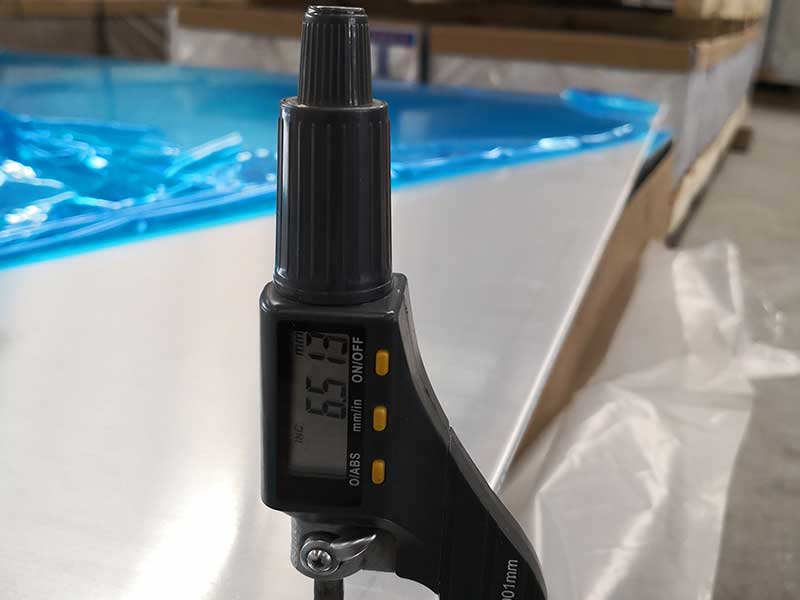
| Thickness | ~0.5 mm to 6.0 mm (sheets); thicker for plates |
| Width | 1000 mm, 1250 mm, 1500 mm; wider on request |
| Length | 2000 mm, 2500 mm, 3000 mm; custom cut lengths |
| Standard tolerance | According to ASTM B209 / EN 485 or equivalent |
| Surface finish | Mill finish, brushed, anodizing‑quality, coated |
| Edge condition | Mill edge, slit edge, deburred |
For highly flat or machined parts, stretched or stress‑relieved sheets can be specified to minimize distortion.
Fabrication, Forming, and Joining
| Process | Performance in 6061‑T6 Sheet | Practical Notes |
|---|---|---|
| Machining | Very good | Use sharp tools, suitable cutting fluids |
| Bending | Moderate | Larger bend radii; consider T4 or O temper before forming |
| Deep drawing | Limited in T6 | Use softer temper + re‑aging for complex shapes |
| Welding | Good with proper filler (e.g., 4043, 5356) | Strength in HAZ reduced vs. parent T6 material |
| Riveting/fastening | Excellent for mechanical joining | Suitable for blind rivets, bolts, structural fasteners |
| Surface treatment | Good for anodizing, painting, powder coating | Proper cleaning and pretreatment recommended |
When tight inside bend radii or complex profiles are required, many fabricators specify 6061‑T4 sheet for forming, followed by artificial aging to restore strength close to T6.
Corrosion Resistance and Surface Protection
6061‑T6 aluminum sheet offers solid corrosion resistance in atmospheric and many mildly corrosive environments. It performs well in:
- Outdoor architectural panels
- Transportation bodies
- Light marine environments (above waterline, superstructures)
For harsher environments or prolonged saltwater immersion, additional protection is recommended:
| Exposure Condition | Recommended Surface Treatment |
|---|---|
| Marine splash / spray | Hard anodizing plus sealing, or marine paint system |
| Industrial atmospheres | Anodizing or high‑performance coating |
| Decorative applications | Clear or colored anodizing for aesthetics and wear |
| Electrical / ground bus | Light anodizing or conversion coating to maintain conductivity where required |
Why Choose T6 6061 Aluminum Sheet
T6 6061 aluminum sheet sits in a sweet spot between high‑strength, low‑ductility alloys (such as 7xxx) and softer, more formable alloys (5xxx series). Its balanced profile—good strength, good processability, and dependable corrosion resistance—makes it an excellent “workhorse” material for structural and semi‑structural sheet applications.
For customers seeking a single alloy family that can cover frames, panels, brackets, and enclosures with consistent performance, 6061‑T6 is often the most economical and technically sound choice.