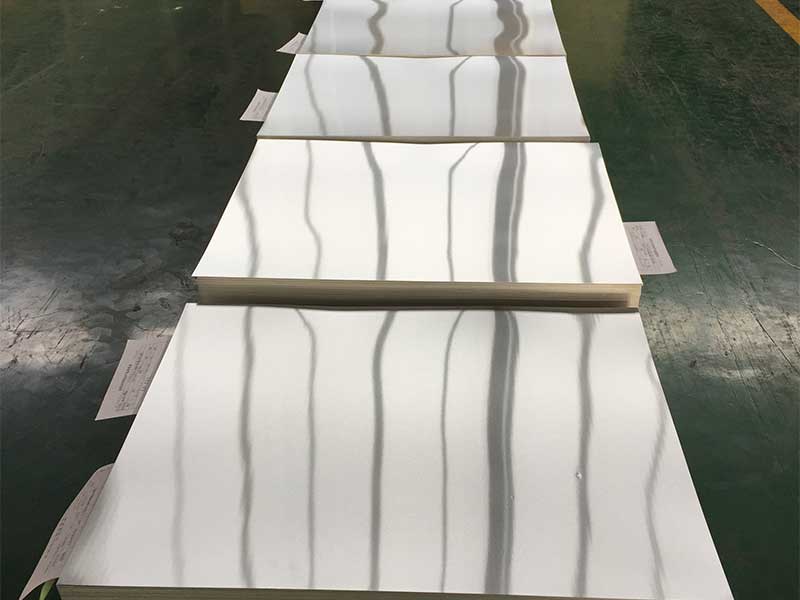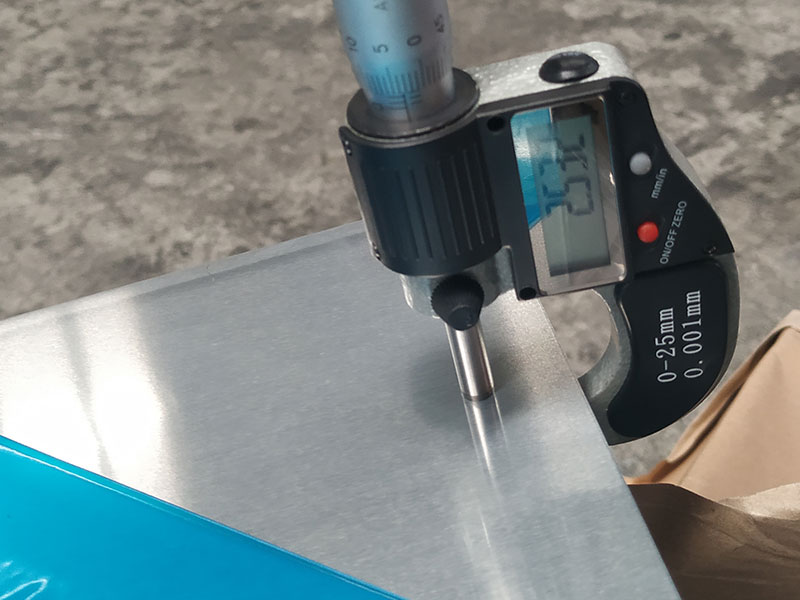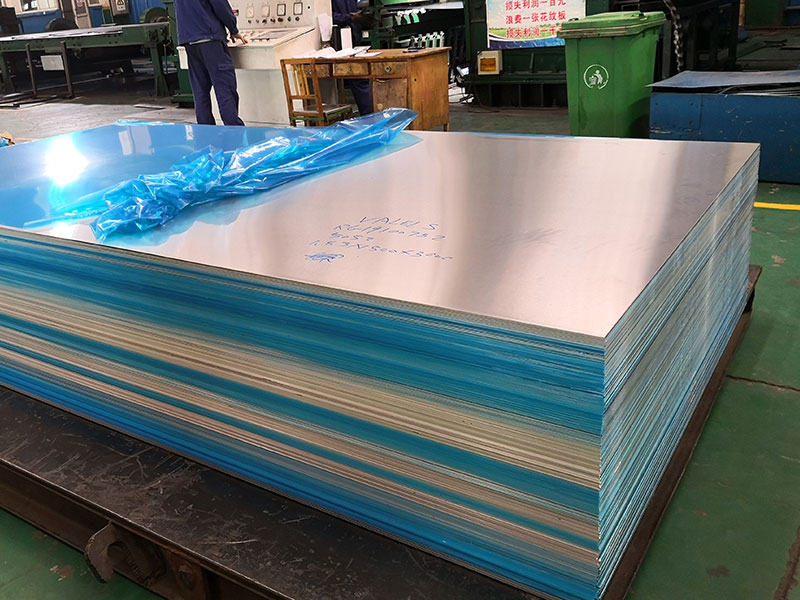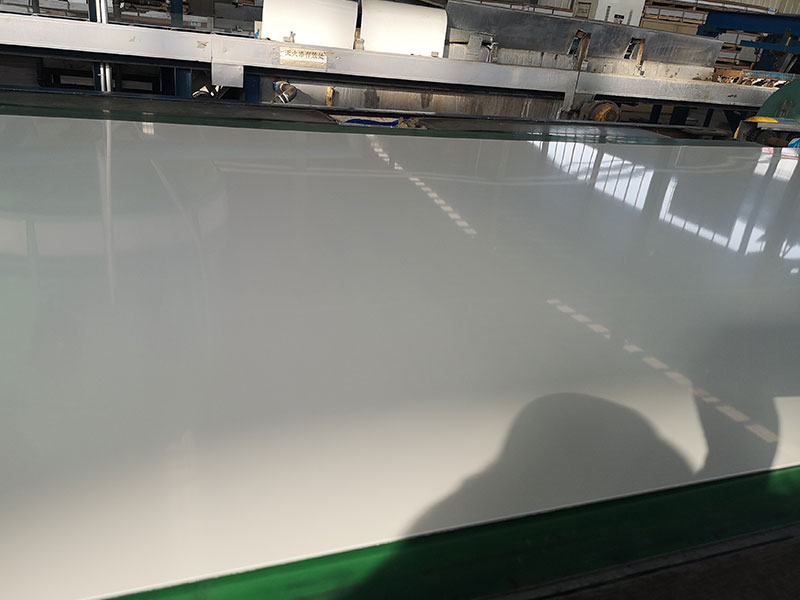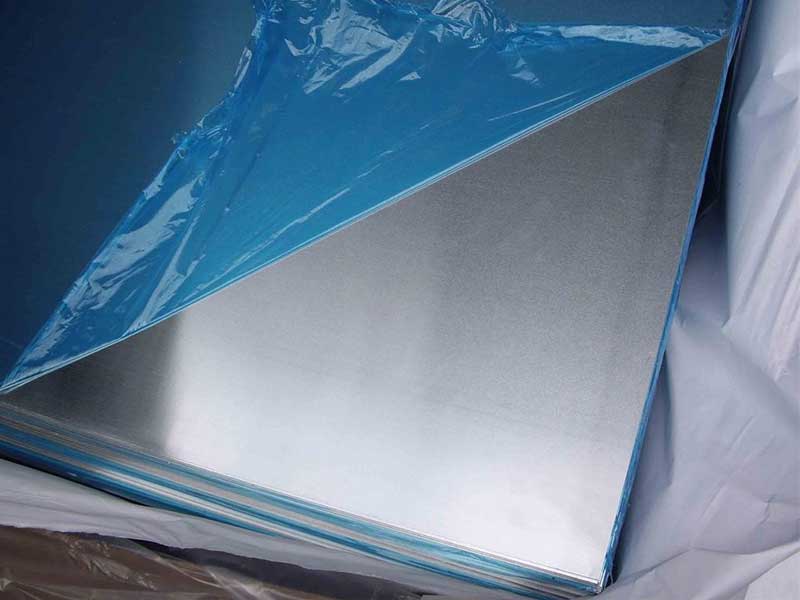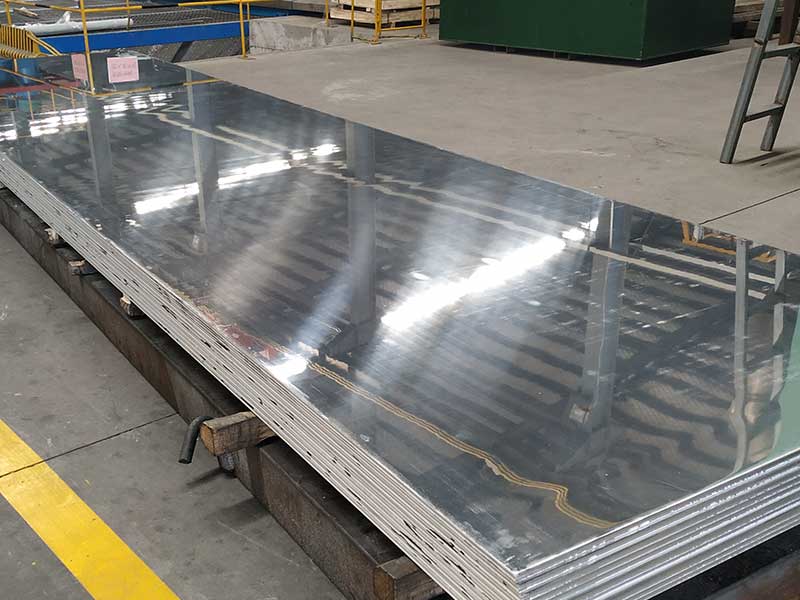

Ali aluminum plate
Ali aluminum plate is a high‑strength, corrosion‑resistant rolled aluminum plate designed for structural, transportation, marine, and general engineering applications. By combining optimized alloy chemistry with controlled rolling and heat treatment, ali plates deliver an excellent balance of mechanical properties, machinability, and surface quality.
Ali aluminum plate is typically produced in medium‑ to high‑strength wrought alloys (commonly 5xxx or 6xxx series, and in some cases 2xxx/7xxx for higher strength needs). It is supplied in flat rolled plate form, usually in thicknesses from 2 mm up to 150 mm (and beyond in special orders).
characteristics at a glance:
- Medium to high strength with good yield‑to‑weight ratio
- Excellent corrosion resistance (especially marine‑grade variants)
- Good weldability and formability (depending on alloy series)
- Consistent surface flatness suitable for machining and coating
- Available in multiple tempers and thickness ranges
2. Typical Chemical Composition
The exact composition of ali aluminum plate depends on the chosen alloy family. Below is a representative example for a commonly used 6xxx series structural ali plate (nominally similar to AA6082 or AA6061). Values are in weight percent (%).
Note: These are typical ranges, not guaranteed limits. Mill certificates define exact composition per batch.
| Element | Symbol | Typical Range (%) | Function in Alloy |
|---|---|---|---|
| Aluminum | Al | Balance | Base metal, provides low density & conductivity |
| Magnesium | Mg | 0.6 – 1.2 | Strengthening via solid solution & Mg₂Si phase |
| Silicon | Si | 0.7 – 1.3 | Forms Mg₂Si, improves strength & hardenability |
| Manganese | Mn | 0.2 – 0.7 | Grain refinement, improves toughness |
| Iron | Fe | ≤ 0.50 | Impurity control; excessive Fe reduces ductility |
| Copper | Cu | 0.10 – 0.40 | Slight strength increase, affects corrosion |
| Chromium | Cr | 0.05 – 0.25 | Controls grain structure, improves toughness |
| Zinc | Zn | ≤ 0.20 | Typically kept low to protect corrosion behavior |
| Titanium | Ti | ≤ 0.10 | Grain refiner during casting |
| Others (each) | — | ≤ 0.05 | Controlled trace elements |
| Others (total) | — | ≤ 0.15 | — |
For marine‑grade ali plates (5xxx series, e.g., 5083), magnesium levels are typically higher (4.0–4.9%) with minimal copper to maximize corrosion resistance, particularly in seawater.
3. Mechanical & Physical Performance
Ali aluminum plate is engineered to deliver a balanced combination of strength, ductility, and toughness. The table below shows typical properties for a medium‑strength 6xxx ali plate in a T6‑type temper, tested at room temperature.
3.1 Mechanical Properties (Representative Values)
| Property | Unit | Typical Value Range* |
|---|---|---|
| Tensile Strength, Rm | MPa | 260 – 320 |
| Yield Strength, Rp0.2 | MPa | 220 – 280 |
| Elongation (A50) | % | 8 – 15 |
| Brinell Hardness, HBW | HB | 80 – 100 |
| Modulus of Elasticity, E | GPa | ~69 |
| Shear Strength | MPa | 160 – 190 |
| Fatigue Strength (R = −1, 5×10⁸ cycles) | MPa | 95 – 110 |
*Actual values depend on thickness, temper, and exact alloy. Refer to the mill test certificate for design calculations.
3.2 Physical Properties
| Property | Unit | Typical Value |
|---|---|---|
| Density | g/cm³ | ~2.70 |
| Melting Range | °C | 580 – 650 |
| Thermal Conductivity | W/m·K | 150 – 200 |
| Coefficient of Thermal Expansion | 10⁻⁶/K | 23 – 24 |
| Electrical Conductivity | % IACS | 35 – 45 |
These values highlight one of ali plate’s core benefits: high specific strength (strength‑to‑weight ratio) compared to steel, leading to significant mass reduction in structural components.
4. Technical Specifications
Ali aluminum plate is available in a broad range of dimensions and tempers to match different application requirements.
4.1 Dimensional Range
| Parameter | Typical Range | Notes |
|---|---|---|
| Thickness (t) | 2 – 150 mm (standard); thicker on request | Plate tolerance per EN / ASTM standards |
| Width (w) | 1000 – 2500 mm | Wider plates for shipbuilding & panels |
| Length (L) | 2000 – 12000 mm | Custom cut lengths available |
| Flatness | ≤ 3–5 mm/m (typical, depends on spec) | Improved flatness available by request |
4.2 Surface & Tolerances
| Specification | Option / Typical Value |
|---|---|
| Surface finish | Mill finish / brushed / pre‑anodized |
| Edge condition | As‑rolled / sawn / milled |
| Thickness tolerance | As per EN 485 / ASTM B209 |
| Surface roughness (Ra) | 0.8 – 3.2 μm (after milling) |
| Ultrasonic inspection | Optional, to EN / ASTM levels |
4.3 Available Tempers (Example)
| Temper | Description | Characteristics |
|---|---|---|
| O | Annealed | Maximum formability, low strength |
| H111 | Slightly strain‑hardened | Balanced ductility and moderate strength |
| T4 | Solution heat‑treated, naturally aged | Good formability before final aging |
| T6/T651 | Solution treated & artificially aged | High strength, stable dimensions |
5. Features & Benefits
5.1 Structural Efficiency
- High specific strength allows designers to reduce section thickness while retaining stiffness and load capacity.
- Lower component weight reduces transportation costs and improves fuel efficiency in vehicles and vessels.
5.2 Corrosion Resistance
- 5xxx and 6xxx ali plates exhibit excellent resistance to atmospheric and marine environments, especially when properly coated or anodized.
- Low copper content minimizes galvanic attack in saltwater or industrial atmospheres.
5.3 Fabrication & Machinability
- Suitable for CNC machining, drilling, tapping, and milling with good chip breakage and tool life.
- Good formability in softer tempers (O, H111, T4) for bending, rolling, and forming operations.
- Weldable with common processes (MIG, TIG) using standard 5xxx or 4xxx filler wires.
5.4 Surface Quality & Coating Compatibility
- Consistent flatness and surface finish support tight machining tolerances and uniform coating layers.
- Compatible with anodizing, powder coating, painting, and chemical conversion coatings for both aesthetics and additional protection.
5.5 Cost‑Effectiveness
- Long service life due to corrosion resistance and fatigue performance reduces maintenance costs.
- High recyclability of aluminum supports closed‑loop material cycles and can reduce overall lifecycle cost.
6. Typical Applications
Ali aluminum plate is used wherever weight, durability, and corrosion resistance must be balanced with cost and manufacturability.
6.1 Transportation & Mobility
| Application Area | Example Uses | Requirements Met |
|---|---|---|
| Road transport | Truck side walls, trailer floors, tipper bodies | Low weight, impact resistance, weldability |
| Rail vehicles | Carbody panels, floor panels, structural members | Fatigue resistance, stiffness, fire regulations |
| Commercial vehicles | Toolboxes, chassis components, ramps | Strength‑to‑weight, corrosion resistance |
6.2 Marine & Offshore
| Application | Example Components | Benefits of Ali Plate |
|---|---|---|
| Shipbuilding | Hull plating, decks, bulkheads | Low weight, marine corrosion resistance |
| Offshore structures | Walkways, helidecks, living quarters | Reduced load on structures, durability |
| Small craft & yachts | Superstructures, interior panels | Ease of fabrication, aesthetic finishing |
6.3 Construction & Architecture
| Use Case | Typical Components |
|---|---|
| Building façades | Curtain wall panels, cladding |
| Structural flooring | Tread plates, mezzanine platforms |
| Roof and façade subframes | Lightweight support structures, brackets |
Ali plate’s combination of stiffness and corrosion resistance makes it suitable for outdoor and high‑humidity environments, especially when anodized or coated.
6.4 General Engineering & Industrial
- Machine bases and frames
- Jigs, fixtures, and precision plates
- Storage tanks and process equipment (depending on alloy and media)
- Heat‑dissipating plates for power electronics (where adequate conductivity is needed)
7. Processing & Fabrication Guidelines
To obtain optimal results with ali aluminum plate, a few practical points should be considered.
7.1 Cutting & Machining
| Operation | Recommendation |
|---|---|
| Sawing | Use carbide‑tipped blades, moderate feed, coolant |
| Milling | High‑speed machining with sharp tools; avoid built‑up edge |
| Drilling | Use suitable lubricants; clear chips frequently |
| Tapping | Use proper cutting fluids and thread geometry |
7.2 Forming & Bending
- Perform severe bending operations in O, H111, or T4 tempers; T6 plates are less ductile and require larger bend radii.
- Preheating (slight warm forming) can improve formability for thicker sections.
7.3 Welding
| Aspect | Recommendation |
|---|---|
| Processes | MIG, TIG most common |
| Filler wire | 5xxx (e.g., 5356) or 4xxx (e.g., 4043) depending on base alloy and corrosion requirements |
| Post‑weld | Mechanical cleaning and, if required, post‑weld aging/heat treatment (for certain tempers) |
Proper joint design and heat input control are crucial to maintaining strength in the heat‑affected zone.
8. Quality Assurance & Standards
Ali aluminum plates are typically produced in accordance with international standards such as:
| Standard Type | Common Standards |
|---|---|
| Product | EN 485, EN 573, EN 515, ASTM B209 |
| Marine | DNV, ABS, LR, BV, CCS approvals (where applicable) |
| Quality Mgmt. | ISO 9001, ISO 14001 (depending on mill) |
Each batch is accompanied by a mill test certificate (MTC) providing:
- Chemical composition
- Mechanical test results
- Heat treatment / temper details
- Ultrasonic test results (if ordered)
Ali aluminum plate offers a robust and versatile solution for engineers and buyers seeking:
- High strength at significantly reduced weight compared with steel
- Reliable corrosion performance, especially in marine and outdoor environments
- Efficient fabrication through welding, forming, and machining
- Flexible supply in multiple thicknesses, widths, tempers, and finishes
By carefully selecting the appropriate alloy series and temper, ali aluminum plate can be tailored to a wide spectrum of applications—from truck bodies to ship hulls, from architectural façades to precision machine frames—delivering long‑term performance and strong overall value.